Picture this: I’m standing in my cramped kitchen, the timer on the oven screaming at me, and a sudden craving for something that feels both elegant and comforting hits like a lightning bolt. I had just attempted a classic salmon en croute that turned out looking like a soggy blanket—yeah, total disaster. I swore off salmon rolls forever, until a daring friend dared me to “make something that could wow a brunch crowd and still be the star of a dinner party.” I took the challenge, grabbed a bunch of fresh asparagus, a tub of ricotta, and a lemon that practically glowed in the pantry, and the rest is culinary history. That night, the kitchen was alive with the sizzle of buttered salmon meeting a fragrant herb‑infused filling, and the air smelled like a Mediterranean garden after a summer rain.
The first bite was a revelation: the buttery salmon wrapped around a creamy, lemon‑kissed ricotta that was speckled with bright green basil and crunchy asparagus tips that snapped like fresh green fireworks. It was as if the sea and the garden had a love child, and that child was sitting on my plate, demanding a second helping. I dare you to taste this and not go back for seconds—seriously, the flavor combo is so addictive that even the most disciplined eaters will find themselves reaching for the roll a third time. This is hands down the best version you'll ever make at home, because I’ve stripped away the fluff and honed every element to pure, unadulterated deliciousness.
Most recipes get the stuffing wrong, either drowning the fish in a soggy mess or leaving the asparagus limp and flavorless. Here’s what actually works: a light ricotta base that lets the lemon zest shine, a quick‑blanch of asparagus to keep that snap, and a gentle roll‑and‑sear technique that gives the salmon a crisp edge without overcooking the interior. The secret weapon? A dash of fresh basil added at the very end, which injects a sweet, peppery aroma that dances on the palate. And let’s not forget the lemon sauce—silky, bright, and just the right amount of tang to tie the whole thing together without stealing the spotlight.
Okay, ready for the game‑changer? I’m about to walk you through every single step—by the end, you’ll wonder how you ever made salmon rolls any other way. Picture yourself pulling these golden‑brown rolls out of the pan, the whole kitchen smelling incredible, and your guests' eyes widening in anticipation. Stay with me here — this is worth it.
What Makes This Version Stand Out
- Flavor Explosion: The lemon‑basil ricotta adds a citrusy brightness that cuts through the richness of the salmon, while the asparagus contributes a fresh, grassy crunch that keeps every bite interesting.
- Texture Harmony: You get the buttery, flaky exterior of the salmon, a creamy interior from the ricotta, and a snap from the asparagus—each component plays its part like a perfectly choreographed dance.
- Simplicity Meets Sophistication: Fewer than ten ingredients, but the technique elevates the dish to restaurant‑level without demanding a culinary degree.
- Unique Ingredient Pairing: Ricotta isn’t a typical fish stuffing, yet its lightness lets the fish’s natural flavor shine while providing a luxurious mouthfeel.
- Crowd‑Pleaser Factor: Even picky eaters love the subtle lemon zing; it’s a safe bet for both kids and adults who crave something familiar yet exciting.
- Ingredient Quality: Using fresh, wild‑caught salmon and bright, in‑season asparagus makes a world of difference in flavor depth.
- Cooking Method Magic: The roll‑and‑sear technique creates a crisp crust without the need for deep‑frying, keeping the dish lighter and healthier.
- Make‑Ahead Potential: You can prep the stuffing and even roll the salmon ahead of time; a quick sear before serving locks in freshness.
Inside the Ingredient List
The Flavor Base
Ricotta cheese: This creamy dairy marvel is the backbone of the stuffing, offering a buttery texture that absorbs lemon zest and basil without becoming heavy. If you skip it, you’ll lose that velvety mouthfeel and the stuffing will feel dry. For a richer twist, try mixing in a spoonful of mascarpone, but be careful not to overpower the delicate salmon.
Lemon zest: The zest is the spark that ignites the whole dish, delivering a burst of citrus that lifts the richness of the fish. Grate it right before you add it to the ricotta to preserve those volatile oils; pre‑zested lemon loses its punch. If lemons are out of season, a pinch of dried lemon peel can work, though the flavor will be subtler.
The Texture Crew
Asparagus spears: These green spears give the roll a satisfying crunch and a splash of color that makes the plate look Instagram‑ready. Blanch them for just 2 minutes in boiling water, then shock in ice water to lock in that vivid green and prevent overcooking later. Skipping the blanch can lead to limp asparagus that wilts into the ricotta, turning the stuffing soggy.
Boneless, skinless salmon filets: The star of the show, salmon brings omega‑3 richness and a buttery flavor that pairs beautifully with the bright herbs. Choose wild‑caught fillets for the deepest flavor; farmed salmon can work but may be milder. If you can’t find fillets, thick salmon steaks can be sliced thinly and rolled, but the texture will differ slightly.
The Unexpected Star
Fresh basil: Basil adds an aromatic sweetness that balances the lemon’s acidity. Tear the leaves rather than chopping to preserve the delicate oils; a quick hand‑tear releases a fragrant burst without bruising the leaves. If basil isn’t fresh, a tablespoon of finely chopped dried basil works, but reduce the amount by half to avoid bitterness.
The Final Flourish
Olive oil: A drizzle of high‑quality extra‑virgin olive oil ensures the salmon develops that coveted golden crust while keeping the interior moist. Use a light hand; too much oil can cause the rolls to fry rather than sear, losing that elegant texture.
Salt and pepper: Simple yet essential, they amplify every other flavor. Season the salmon on both sides before rolling, and finish the sauce with a pinch of flaky sea salt for a subtle crunch.
Everything's prepped? Good. Let's get into the real action…
The Method — Step by Step
Start by preparing the asparagus. Bring a pot of salted water to a rolling boil, then toss in the spears for exactly 2 minutes—no more, no less. Drain and immediately plunge them into an ice‑water bath; this shock preserves their vivid green color and crisp snap. Pat them dry with a paper towel, then set aside. That sizzle when it hits the pan? Absolute perfection.
While the asparagus cools, whisk together the ricotta, lemon zest, and a generous handful of chopped basil in a medium bowl. Season lightly with salt and pepper, then fold in the blanched asparagus pieces, ensuring each spear is evenly coated.
Kitchen Hack: Use a silicone spatula to gently fold the asparagus into the ricotta; this prevents the cheese from turning grainy.Place each salmon filet on a clean cutting board. Using the parchment‑paper method mentioned earlier, gently pound the fillets to an even ½‑inch thickness. This not only makes rolling easier but also ensures uniform cooking. Sprinkle a pinch of salt and pepper on both sides, then set the fillets aside, ready to be filled.
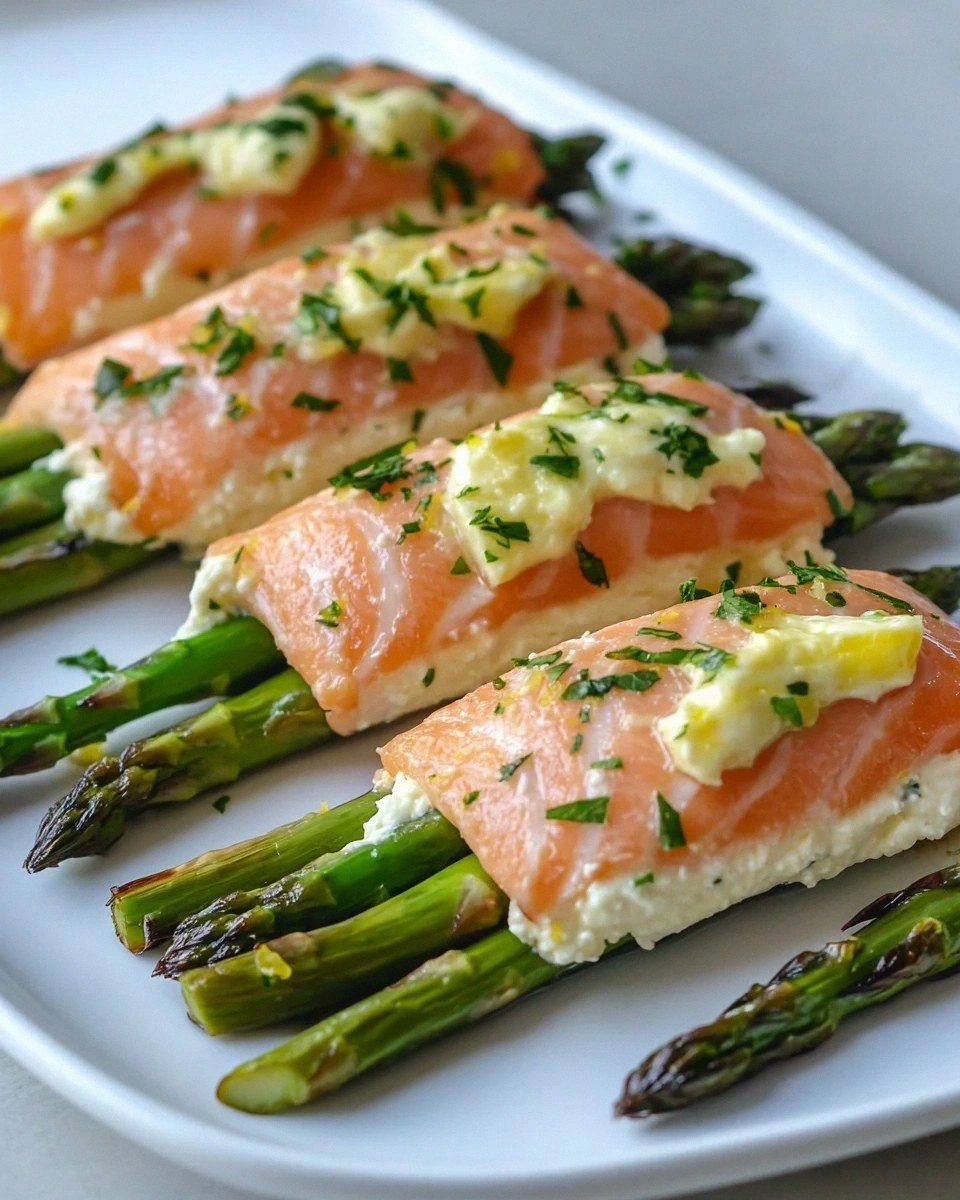
Now comes the fun part: assembling the rolls. Spoon a heaping tablespoon of the ricotta‑asparagus mixture onto the wider end of each salmon piece, spreading it gently but leaving a small border. Carefully roll the salmon over the filling, tucking the ends in as you go, much like rolling a sushi maki. Secure each roll with a toothpick or kitchen twine; this will keep the stuffing from escaping during searing.
Heat a large non‑stick skillet over medium‑high heat and add the olive oil. Once the oil shimmers, lay the salmon rolls in the pan, seam side down. Listen for that immediate sizzle—if you don’t hear it, the pan isn’t hot enough and the rolls will steam instead of sear. Cook for 3‑4 minutes per side, turning gently with tongs, until the exterior is a deep golden‑brown and the interior reaches 125°F (52°C).
Watch Out: If the heat is too high, the outside will burn before the inside warms through. Adjust to medium‑high and monitor closely.While the rolls finish, whisk together the lemon sauce. In a small saucepan, combine fresh lemon juice, a splash of white wine, and a teaspoon of butter. Bring to a gentle simmer, allowing the butter to emulsify and the sauce to thicken slightly—this should take about 2 minutes. Finish with a pinch of salt and a drizzle of olive oil for silkiness.
Kitchen Hack: Add a tiny splash of the salmon pan drippings to the sauce for an extra depth of flavor.Remove the toothpicks or twine, slice each roll diagonally into 1‑inch medallions, and arrange them on a warmed serving platter. Drizzle the lemon sauce generously over the top, letting it pool around the edges. Garnish with a few extra basil leaves and a zesty lemon twist for visual drama.
Serve immediately while the rolls are still warm, accompanied by a crisp green salad or roasted baby potatoes if you desire. The contrast between the hot, buttery salmon and the cool, citrusy sauce is what makes this dish unforgettable. And remember—if anyone asks for seconds, just smile and say, “I told you so.”
That's it — you did it. But hold on, I've got a few more tricks that'll take this to another level...
Insider Tricks for Flawless Results
The Temperature Rule Nobody Follows
Never let your pan get too hot before the salmon hits it. A moderate medium‑high heat ensures a crisp crust without scorching. If you’re unsure, sprinkle a drop of water on the oil; if it dances and evaporates instantly, the pan is ready. This little test saved me from countless burnt rolls.
Why Your Nose Knows Best
When the rolls are searing, trust your sense of smell more than a timer. The moment you catch that nutty, buttery aroma, it’s a sign the crust is forming. If the smell turns acrid, lower the heat immediately. Your nose is the ultimate kitchen thermometer.
The 5‑Minute Rest That Changes Everything
After searing, let the rolls rest for five minutes before slicing. This short pause allows the juices to redistribute, preventing a dry bite. I once sliced straight away and the filling oozed out like a soggy mess—lesson learned.
Butter‑Basted Finish (Optional)
If you crave an extra layer of richness, melt a tablespoon of butter in the pan after the rolls are done, add a splash of lemon juice, and quickly baste each medallion. The butter adds a glossy sheen and a whisper of caramelized flavor that makes the dish feel indulgent.
Herb‑Infused Oil for the Sauce
Before you whisk the lemon sauce, infuse the olive oil with a sprig of basil for 10 minutes over low heat. Strain out the herb, then use the oil in the sauce. This subtle step lifts the herb profile without overwhelming the lemon.
Creative Twists and Variations
This recipe is a playground. Here are some of my favorite ways to switch things up:
Spicy Kick
Swap half the basil for fresh cilantro and add a finely diced jalapeño to the ricotta mixture. The heat balances the lemon’s brightness, creating a tantalizing heat‑and‑citrus combo that’s perfect for summer barbecues.
Asian Fusion
Replace the lemon zest with yuzu zest and stir a teaspoon of miso paste into the ricotta. Garnish with toasted sesame seeds and a drizzle of soy‑ginger glaze for a umami‑rich twist that transports you to a sushi bar.
Cheesy Delight
Mix in a quarter cup of grated Parmesan into the ricotta for a nuttier, richer stuffing. Top the finished rolls with a light sprinkle of Pecorino and broil for 30 seconds to achieve a golden, bubbly crust.
Vegetarian Version
Swap the salmon for firm tofu slices marinated in soy sauce, lemon juice, and a touch of maple syrup. The tofu will absorb the flavors, and the ricotta‑asparagus filling still provides that creamy‑crunch contrast.
Winter Warmth
Add a pinch of ground nutmeg and a splash of orange zest to the ricotta for a cozy, holiday‑ready flavor. Pair with roasted root vegetables for a comforting, seasonal meal.
Low‑Carb Adaptation
Replace the asparagus with thinly sliced zucchini and skip any flour or breading. The zucchini retains a slight bite and keeps the carb count low while still delivering that essential crunch.
Storing and Bringing It Back to Life
Fridge Storage
Place the cooked rolls in an airtight container, layering a sheet of parchment between layers to prevent sticking. They’ll stay fresh for up to 3 days. When reheating, add a tiny splash of water to the pan and cover for 2 minutes to steam them back to perfection.
Freezer Friendly
Wrap each roll tightly in plastic wrap, then seal them in a freezer‑grade bag. They freeze beautifully for up to 2 months. To defrost, move them to the refrigerator overnight, then give them a quick sear in a hot pan to restore the crisp exterior.
Best Reheating Method
For the ultimate texture, reheat in a skillet over medium heat with a drizzle of olive oil, covering the pan for the first minute to create gentle steam. Finish uncovered for another minute to re‑crisp the outside. Avoid microwaving—it turns the salmon rubbery and the ricotta soggy.