Love this? Pin it for later! 📌
I first discovered this flavor combination during a particularly hectic week when I needed something healthy, fast, and foolproof. My family was going through one of those phases where everyone seemed to be running in different directions, and I was determined to get a nutritious meal on the table that didn't involve takeout containers or microwaved frozen dinners. The result? A restaurant-quality salmon that had my usually picky teenagers asking for seconds and my husband requesting it be added to our regular rotation.
What makes this recipe truly special is its versatility. Whether you're cooking for a romantic date night, meal prepping for the week ahead, or serving a crowd at your next dinner party, this salmon delivers every single time. The citrus brightens the rich salmon, while the herbs add layers of complexity that make each bite interesting. Trust me when I say this will become your new favorite way to prepare salmon—and once you master the technique, you'll find yourself making it again and again.
Why This Recipe Works
- Perfect Texture Every Time: The foolproof baking method ensures your salmon stays moist and flaky, never dry or overcooked.
- Minimal Prep, Maximum Flavor: Just 5 minutes of active prep time creates a restaurant-quality dish that tastes like you spent hours.
- Healthy and Nutritious: Packed with omega-3 fatty acids, lean protein, and fresh herbs that boost both flavor and nutrition.
- One-Pan Wonder: Everything bakes on a single sheet pan, making cleanup a breeze and keeping your kitchen cool.
- Customizable Flavor: The herb and citrus combination works beautifully with any seasonal vegetables you have on hand.
- Meal Prep Friendly: Cooks beautifully ahead of time and tastes just as delicious chilled over salads or reheated gently.
- Beginner-Friendly: No fancy techniques or equipment needed—just basic kitchen tools and simple ingredients.
Ingredients You'll Need
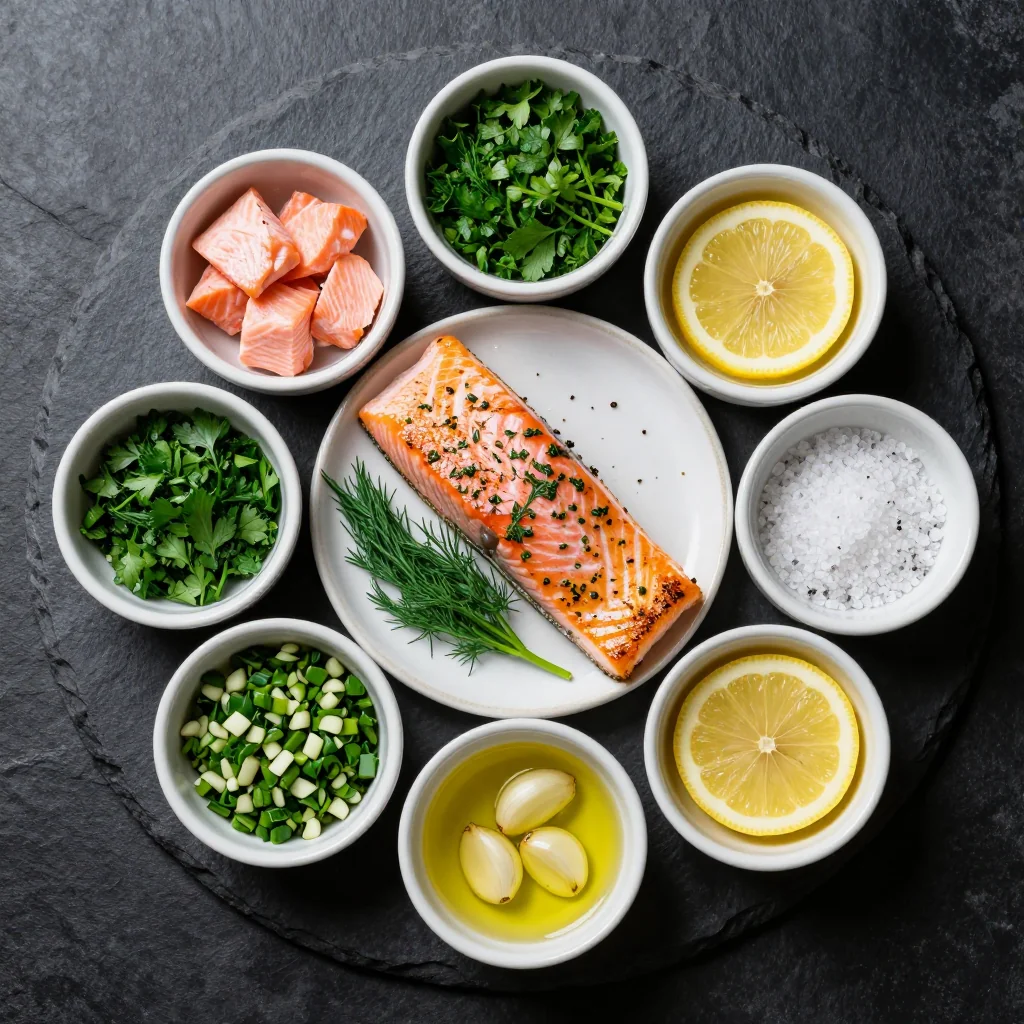
The beauty of this recipe lies in its simplicity. Each ingredient plays a crucial role in creating the perfect balance of flavors, and understanding why each component matters will help you make the best salmon possible. I've tested countless combinations over the years, and this blend consistently delivers the most satisfying results.
Fresh Salmon Fillets (1.5-2 lbs)
The star of our show deserves careful selection. Look for wild-caught salmon when possible—it has a richer flavor and better texture than farm-raised. The flesh should be bright and firm, with no fishy smell. If you can only find frozen salmon, that's perfectly fine! Just ensure it's completely thawed and patted very dry before cooking. I prefer center-cut fillets for even cooking, but tail pieces work wonderfully too.
Fresh Lemons (2 large)
Fresh lemons are non-negotiable here. The zest provides intense citrus oil that permeates the salmon during cooking, while the juice creates a bright finishing touch. Choose lemons that feel heavy for their size with smooth, thin skin—they'll have more juice and better flavor. Meyer lemons are fantastic if you can find them, offering a slightly sweeter, more floral note.
Fresh Herb Blend (⅓ cup total)
My holy trinity includes dill, parsley, and chives, but feel free to experiment. Dill brings that classic salmon pairing with its slightly anise-like flavor, parsley adds freshness and color, while chives contribute a gentle onion note. Whatever herbs you choose, use fresh—not dried—for the best flavor. If your garden is overflowing with herbs in summer, this is the perfect way to use them up.
Quality Olive Oil (3 tablespoons)
A good extra-virgin olive oil makes all the difference. It helps the herbs stick to the salmon, prevents sticking, and adds richness. You don't need to break out your most expensive bottle, but avoid the cheapest supermarket brands that can taste rancid or bitter.
Garlic (3-4 cloves)
Fresh garlic, minced finely, infuses the oil and creates an aromatic base. If you're sensitive to garlic, you can reduce the amount or substitute with shallots for a milder flavor. Roasted garlic would also be divine if you have some on hand.
Seasonings
Sea salt, freshly cracked black pepper, and a touch of paprika round out our flavor profile. The salt enhances the natural sweetness of the salmon, pepper adds subtle heat, and paprika contributes color and a gentle smokiness. I sometimes add a pinch of red pepper flakes for those who enjoy a bit of heat.
How to Make Baked Lemon Herb Salmon: Simple & Delicious
Prep Your Salmon and Preheat Oven
Remove your salmon from the refrigerator 15-20 minutes before cooking—this helps it cook more evenly. Preheat your oven to 400°F (200°C). Line a large rimmed baking sheet with parchment paper or foil for easy cleanup. Pat the salmon fillets completely dry with paper towels; this is crucial for achieving that beautiful, slightly crispy exterior. If your salmon has skin on, leave it on—it helps keep the fish moist and adds flavor. Season both sides generously with salt and pepper.
Create Your Herb Oil
In a small bowl, combine the olive oil, minced garlic, lemon zest, and half of your chopped herbs. Let this mixture sit for about 5 minutes while you prepare the salmon—this allows the garlic to mellow slightly and the herbs to infuse the oil. The lemon zest is key here; those tiny pieces of zest will distribute throughout the oil and create little bursts of citrus flavor in every bite.
Season and Arrange
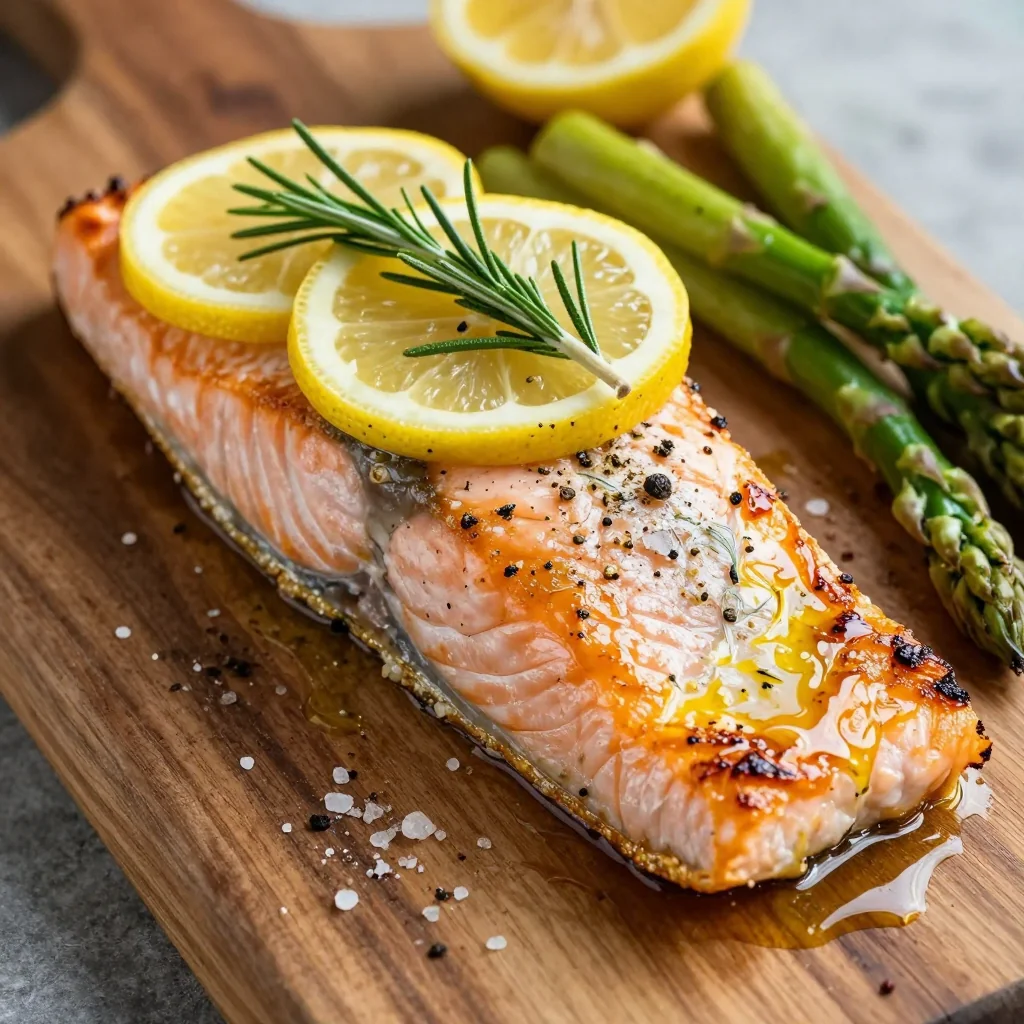
Brush the herb oil generously over the salmon fillets, ensuring you cover every surface. Don't be shy here—this is where most of the flavor comes from. If you have time, let the seasoned salmon rest for 10-15 minutes to allow the flavors to penetrate. Arrange lemon slices on top of each fillet; they'll caramelize slightly in the oven and create beautiful presentation while adding extra citrus flavor.
Add Your Vegetables (Optional)
If you're making this a complete one-pan meal, now's the time to add your vegetables around the salmon. Asparagus spears, cherry tomatoes, sliced zucchini, or bell pepper strips all work beautifully. Toss them with a bit of olive oil, salt, and pepper, and arrange them in a single layer around the salmon. They'll roast perfectly while the salmon cooks, absorbing all those delicious herb flavors.
Bake to Perfection
Slide your pan into the preheated oven and bake for 12-15 minutes, depending on the thickness of your salmon. The general rule is 4-6 minutes per half-inch of thickness. Resist the urge to overcook—salmon continues cooking after you remove it from the oven. It's perfectly done when it flakes easily with a fork but is still slightly translucent in the center. If you have a meat thermometer, aim for 125-130°F for medium-rare or 135-140°F for medium.
Rest and Finish
Remove the salmon from the oven and let it rest for 5 minutes—this crucial step allows the juices to redistribute throughout the fish, ensuring every bite is moist and flavorful. While it's resting, squeeze fresh lemon juice over the top and sprinkle with the remaining fresh herbs. This final touch of brightness elevates the dish from good to absolutely spectacular.
Serve and Enjoy
Serve your beautiful salmon immediately while it's still warm. It pairs wonderfully with rice, quinoa, roasted potatoes, or a simple green salad. Don't forget to spoon some of the pan juices over each serving—these concentrated flavors are liquid gold! If you have leftovers, they make incredible salmon cakes or can be flaked over salads for tomorrow's lunch.
Expert Tips
Temperature is Key
Invest in an instant-read thermometer if you cook fish regularly. Salmon is perfectly cooked at 125-130°F for medium-rare. Remember it will continue cooking from residual heat, so remove it from the oven when it's 5 degrees below your target temperature.
Don't Overcrowd
Give your salmon space on the pan. Overcrowding creates steam, which prevents that lovely caramelization we're after. If cooking for a crowd, use two pans rather than cramming everything onto one.
Room Temperature Rule
Always let your salmon come to room temperature before cooking. Cold fish straight from the fridge will cook unevenly, with the outside overdone before the inside reaches the right temperature.
Herb Combinations
Mix and match herbs based on what you have. Tarragon and chives create a French-inspired version, while cilantro and lime juice give it a Mexican twist. The technique remains the same.
Pat Dry Thoroughly
Moisture is the enemy of browning. After thawing (if frozen) or removing from packaging, pat your salmon extremely dry with paper towels. This simple step makes the difference between good and restaurant-quality salmon.
Skin-On vs Skinless
Keep the skin on! It protects the delicate flesh during cooking and adds flavor. If you don't want to eat it, simply slide it off after cooking. The skin also helps hold the fillet together for easier serving.
Variations to Try
Mediterranean Style
Replace half the lemon juice with white wine, add Kalamata olives and cherry tomatoes to the pan, and finish with crumbled feta cheese and a drizzle of good balsamic vinegar.
Asian-Inspired
Substitute sesame oil for olive oil, add ginger and garlic, use rice vinegar instead of lemon juice, and finish with sesame seeds and scallions. Serve with steamed rice and bok choy.
Wood-Smoked
Add a handful of wood chips (cedar or alder work beautifully) to a foil packet with holes poked in it. Place this on the oven rack below your salmon for subtle smokiness without a smoker.
Spicy Cajun
Add Cajun seasoning, cayenne pepper, and smoked paprika to your herb oil. Serve with a side of remoulade sauce and dirty rice for a Louisiana-inspired meal.
Storage Tips
Refrigeration
Cool leftover salmon completely before storing. Place in an airtight container and refrigerate for up to 3 days. For best results, store the salmon and any vegetables separately to prevent the vegetables from making the fish soggy. When reheating, do so gently in a 275°F oven for about 10 minutes, or enjoy cold flaked over salads.
Freezing
While salmon is best enjoyed fresh, you can freeze cooked salmon for up to 2 months. Wrap individual portions tightly in plastic wrap, then place in a freezer bag. Thaw overnight in the refrigerator and use in salads, pasta dishes, or salmon cakes where the texture change won't be as noticeable.
Make-Ahead Components
The herb oil can be made up to 3 days ahead and stored in the refrigerator. You can also prep your vegetables and herbs the morning of cooking. However, I recommend seasoning and cooking the salmon fresh for the best texture and flavor.
Frequently Asked Questions
Absolutely! Frozen salmon works beautifully in this recipe. Thaw it completely in the refrigerator overnight, then pat it very dry with paper towels. The key is removing as much moisture as possible so the seasonings adhere properly and the salmon browns nicely. If you're in a hurry, you can thaw salmon in cold water (still in its packaging) for about 30 minutes, changing the water every 10 minutes.
The most reliable method is using an instant-read thermometer—salmon is perfectly cooked at 125-130°F for medium-rare. Visually, it should flake easily with a fork but still be slightly translucent in the center. The flesh will have changed from translucent to opaque, and the color will be a lighter pink. Remember that salmon continues cooking from residual heat, so remove it from the oven just before it looks completely done.
Dill is the classic pairing with salmon, but parsley, chives, tarragon, and basil all work beautifully. I recommend using at least 2-3 different herbs for complexity. Avoid woody herbs like rosemary or thyme in large quantities—they can overpower the delicate salmon. Fresh herbs are essential here; dried herbs won't provide the same bright, fresh flavor.
While lemon complements salmon beautifully, you can substitute with lime, orange, or even grapefruit for different flavor profiles. For a non-citrus version, try white wine, rice vinegar, or a combination of herbs and butter. The technique remains the same—you're looking for acidity to brighten the rich salmon.
The key is gentle reheating to prevent overcooking. Place salmon in a 275°F oven for 8-10 minutes, or until just warmed through. You can also reheat it in a covered skillet with a splash of water over low heat. Many people actually prefer leftover salmon cold—try flaking it over salads, mixing it into pasta, or making salmon cakes. Never microwave salmon, as it becomes rubbery and develops an unpleasant fishy smell.
Yes, but adjust your cooking method slightly. Skinless salmon cooks faster and is more prone to drying out. Reduce the oven temperature to 375°F and check for doneness 2-3 minutes earlier. Consider brushing with extra oil or covering loosely with foil for the first half of cooking to retain moisture. The skin actually helps protect the fish and adds flavor, so I recommend keeping it on even if you don't plan to eat it.
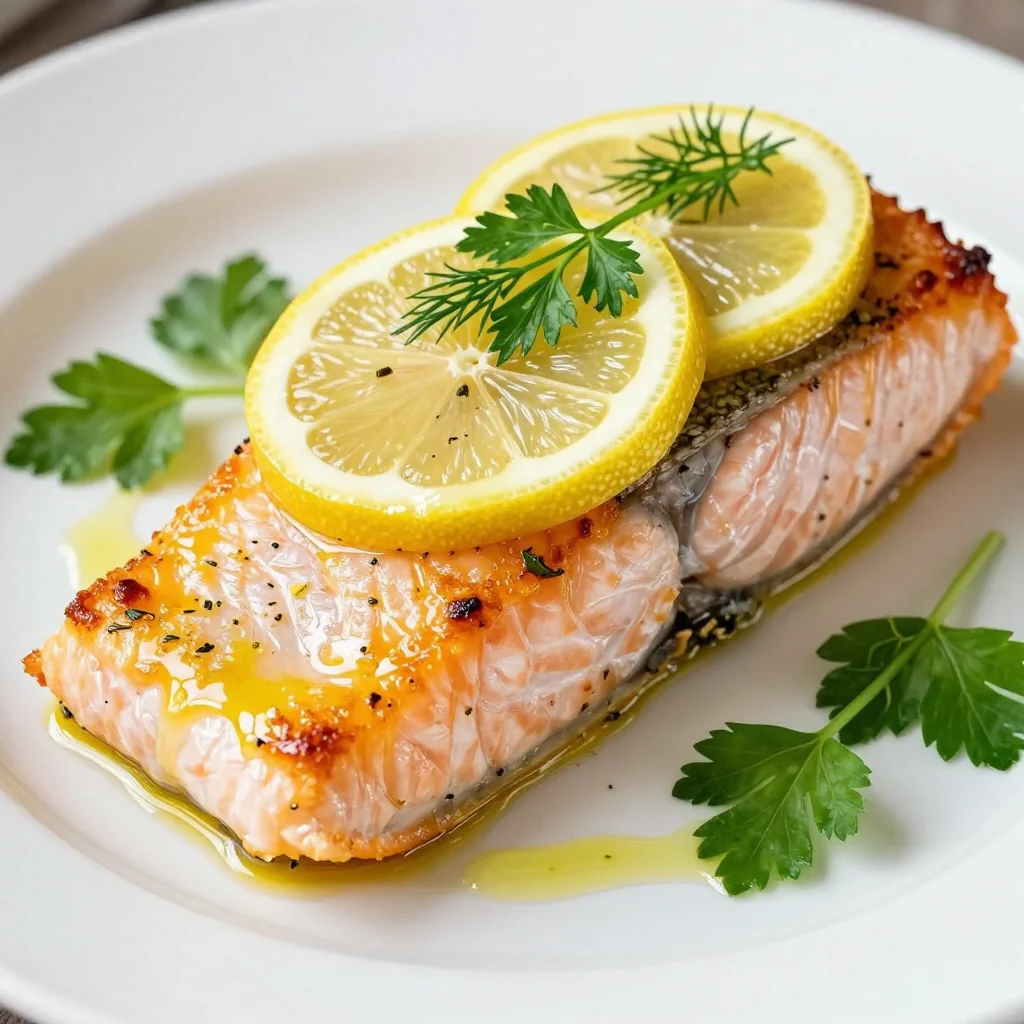
Baked Lemon Herb Salmon: Simple & Delicious
Ingredients
Instructions
- Preheat and Prep: Preheat oven to 400°F. Line a baking sheet with parchment paper. Pat salmon dry and season with salt and pepper.
- Make Herb Oil: Combine olive oil, garlic, lemon zest, and half the herbs in a small bowl. Let sit 5 minutes.
- Season Salmon: Brush herb oil over salmon fillets. Top with lemon slices.
- Add Vegetables: If using, toss vegetables with oil and arrange around salmon.
- Bake: Bake 12-15 minutes until salmon flakes easily but is still slightly translucent in center.
- Finish and Serve: Rest 5 minutes, then squeeze fresh lemon juice over top and sprinkle with remaining herbs.
Recipe Notes
For best results, use wild-caught salmon when available. Cooking time may vary based on thickness of fillets. Salmon is done when it reaches 125-130°F for medium-rare.