Picture this: it’s a rainy Saturday evening, the kind of night that makes you want to stay in, curl up with a blanket, and let the world outside drift away. I was halfway through a pot of stock, the onions had started to brown, and my stove was suddenly a bit too hot—classic kitchen disaster, right? The moment the onion caramelized into a deep amber, I realized I had stumbled onto something special. That caramelized aroma was the first hint that this simple broth could become a full‑blown, comforting masterpiece. I dare you to taste this and not go back for seconds.
From the very first stir, the kitchen filled with a fragrant bouquet that feels like a hug. The sizzling onions hit the pan with a crackle that echoes in the quiet, a sound that says, “Get ready, this is going to be good.” The gentle hiss of garlic releases its earthy sweetness, and the carrots add a subtle, sweet crunch that’s almost like a hidden treasure in a bowl. The broth itself is a mellow, savory canvas, thickened just enough to cling to the vegetables like velvet. Every bite is a warm, comforting hug that melts away the day’s stress.
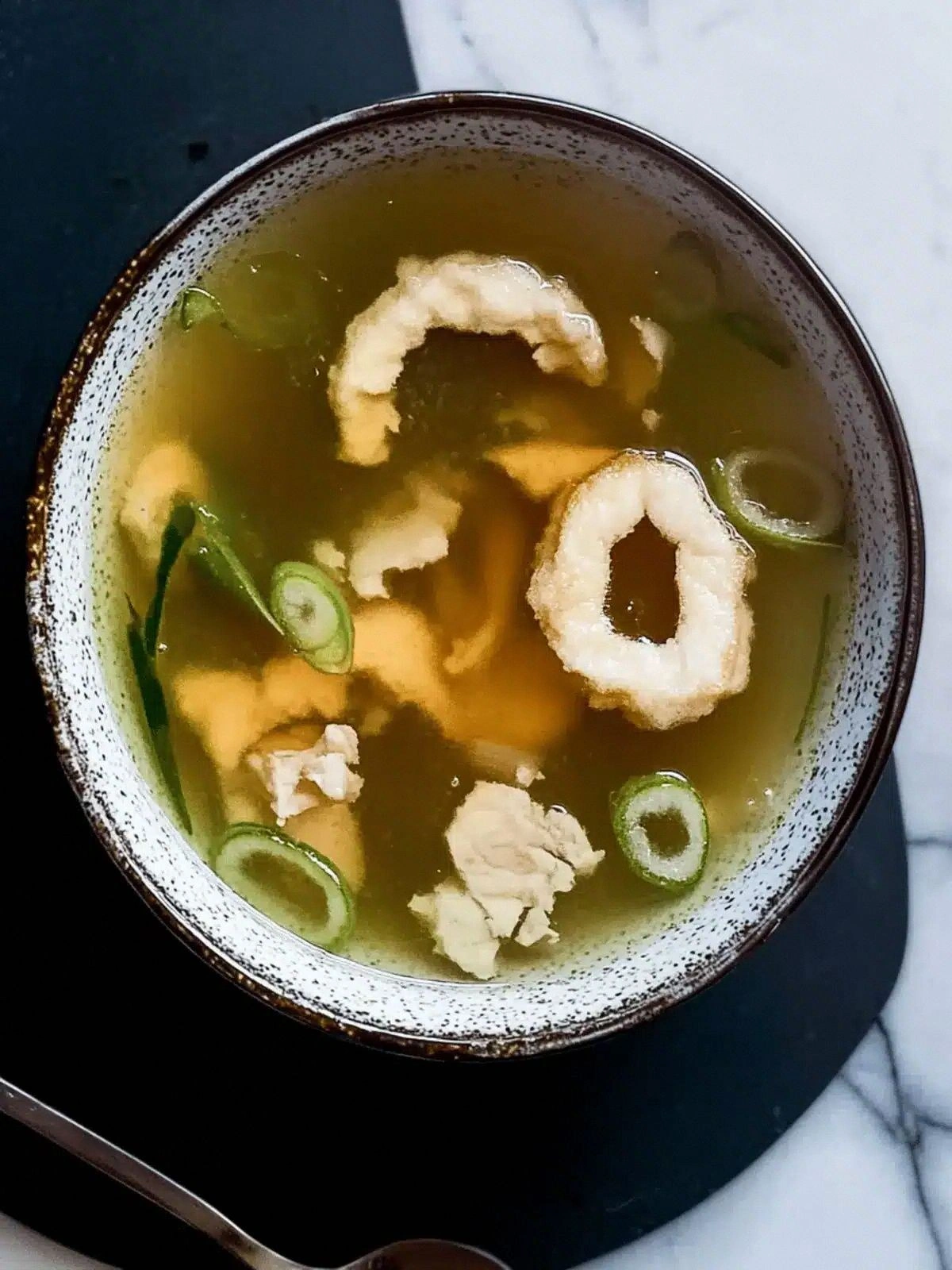
What makes this version stand out from every other Hibachi soup out there? I’m not talking about a new recipe, but a reimagined experience that turns a humble broth into an unforgettable comfort dish. The secret lies in the balance of flavors and the unexpected addition of fried onions that add a crispy, caramelized crunch. This isn’t just another soup; it’s a symphony of textures and umami notes that dance together. Picture the broth coating your palate like a silky blanket, while the fried onions provide a satisfying snap that keeps you coming back for more. And yes, this is hands down the best version you’ll ever make at home.
I’ll be honest—after finishing the first batch, I ate half the soup before anyone else even had a chance to taste it. That was a moment of pure joy and a little kitchen triumph. If you’ve ever struggled with a bland broth or a soup that feels like it’s missing something, you’re not alone—this recipe is the fix you’ve been waiting for. And the best part? You’ll be able to pull this out of the oven, the whole kitchen smelling incredible, and have a steaming bowl ready in no time. Okay, ready for the game‑changer? Let me walk you through every single step—by the end, you’ll wonder how you ever made it any other way.
What Makes This Version Stand Out
- Flavor Depth: The caramelized onions and fried onions create layers of sweetness and crunch that elevate a simple broth into a gourmet experience. Each spoonful offers a new texture, keeping the dish exciting.
- Texture Contrast: The tender carrots, crisp celery, and earthy mushrooms provide a satisfying bite, while the fried onions give a delightful crunch that breaks up the smoothness.
- Ingredient Simplicity: Only nine ingredients, all pantry staples or easy to find in any grocery store. No need for exotic spices or hard‑to‑find items.
- Time Efficiency: From prep to finish, the entire process takes less than an hour, making it ideal for a quick weeknight dinner or a comforting weekend treat.
- Crowd‑Pleaser: The universal flavors of onion, garlic, and mushrooms resonate with everyone, making it a perfect dish for family gatherings or guests.
- Make‑Ahead Potential: The soup keeps well in the fridge for up to 3 days and freezes beautifully, allowing you to prepare it in advance.
- Visual Appeal: The golden-brown fried onions on top add a pop of color and a visual cue that this isn’t just any soup.
- Health‑Friendly: Low in saturated fat, high in protein, and packed with fiber‑rich vegetables, it’s a balanced meal that doesn’t compromise on taste.
Alright, let’s break down exactly what goes into this masterpiece…
Inside the Ingredient List
The Flavor Base
At the heart of this soup is the broth—4 cups of chicken broth that form the foundation of umami. The broth’s savory profile is essential; it carries the flavors of the vegetables and the fried onions. If you can’t find chicken broth, substitute with vegetable broth for a lighter, vegetarian version. The key is to use a broth with a balanced salt content; too salty and the soup will overwhelm, too bland and it will feel flat.
Water is the second component—1 cup of plain water dilutes the broth just enough to keep the soup from becoming too thick. Water also helps to loosen the flavors, allowing the onions and garlic to shine. A pinch of extra salt can be added later if needed, but start with the 1 teaspoon of salt in the ingredient list to avoid over‑seasoning.
The Texture Crew
The vegetables are the soul of this soup. 1 medium onion, finely diced, releases its natural sweetness when sautéed. 1 medium carrot, sliced into thin rounds, adds a subtle sweetness and a pleasant bite. 1 stalk of celery, chopped into small pieces, introduces a crisp, refreshing note. 2 cloves of garlic, minced, bring depth and warmth, and they’re essential for that classic Hibachi aroma.
The mushrooms—1 cup of button or shiitake—absorb the broth’s flavors, becoming tender and slightly chewy. They also add an earthy undertone that balances the sweet onions. If you’re a fan of umami, consider adding a splash of soy sauce or a pinch of miso for extra depth.
The Unexpected Star
Fried onions are the game‑changer. 1 cup of them provides a crunchy, caramelized topping that contrasts beautifully with the soft broth. The fried onions also carry a hint of sweetness, turning an ordinary soup into a standout dish. To make your own, thinly slice onions and fry them until golden; they’ll stay crisp when you top the soup.
Green onions, or scallions, add a fresh, bright finish. 1 bunch, chopped, is sprinkled on top just before serving, adding a burst of color and a mild onion flavor that lifts the entire dish. If you don’t have green onions, a splash of fresh parsley can serve as a quick substitute.
Everything’s prepped? Good. Let’s get into the real action…
The Method — Step by Step
- Heat a large pot over medium heat and add a splash of oil. Once hot, add the diced onion and sauté until it turns translucent and begins to caramelize—about 5 minutes. This is the moment of truth; the aroma should be unmistakably sweet and inviting. Keep a close eye to avoid burning.
- Add the minced garlic and cook for an additional 30 seconds, just until fragrant. The garlic should not brown; it should release its aroma without turning bitter. Stir constantly to prevent sticking.
- Introduce the sliced carrots and celery, stirring them into the onion mixture. Cook for 3–4 minutes until they’re slightly softened but still hold a bit of bite. This keeps the vegetables from becoming mushy and maintains texture contrast.
- Pour in the chicken broth and water, then bring the mixture to a gentle boil. Once boiling, reduce the heat to low and let it simmer for 10 minutes. This allows the flavors to meld together, creating a rich base.
- Add the mushrooms, and let the soup simmer for another 5 minutes. The mushrooms should absorb the broth’s flavors and soften without disintegrating. Keep the heat low to prevent the broth from becoming too thin.
- Season the soup with 1 teaspoon of salt, tasting as you go. Adjust the seasoning to your preference; a pinch more salt can elevate the umami, but be careful not to over‑salt.
- Turn off the heat and let the soup rest for a minute; this allows the flavors to settle and the broth to thicken slightly. During this brief pause, you can prepare the final garnish.
- Just before serving, top the soup with a generous handful of fried onions and sprinkle chopped green onions over the top. The fried onions add a crunchy, caramelized finish, while the green onions bring a fresh, bright note.
- Serve hot, ladled into bowls. If you like a bit of extra heat, add a dash of chili flakes or a splash of sriracha. The soup’s comforting nature pairs beautifully with a crusty roll or a side of rice.
That’s it— you did it. But hold on, I’ve got a few more tricks that will take this to another level, ensuring every spoonful is a moment of pure bliss.
Insider Tricks for Flawless Results
The Temperature Rule Nobody Follows
Many cooks think high heat is the secret to a good soup, but the truth is that a low, steady simmer preserves the delicate flavors of the broth and vegetables. Keep the heat on low once the broth starts boiling, and you’ll avoid a watery texture and maintain a rich, velvety consistency.
Why Your Nose Knows Best
Before adding salt, give the soup a quick sniff. A slightly sour or overly salty aroma indicates you’ve gone overboard. Trust your nose—it’s the most reliable guide to flavor balance. If you’re unsure, start with half the salt and adjust after tasting.
The 5‑Minute Rest That Changes Everything
After turning off the heat, let the soup rest for 5 minutes before serving. This brief pause allows the flavors to marry fully, and the broth to thicken slightly. The rest also gives the fried onions time to settle into the soup, creating a harmonious crunch.
Sautéing the Onions to Perfection
The secret to caramelized onions is patience. Sauté them slowly over medium heat, stirring frequently, until they’re a deep amber color. If they start to burn, lower the heat and add a splash of water to deglaze the pan.
The Freshness of Green Onions
Chop the green onions just before serving; this preserves their bright, fresh flavor. If you need to prep ahead, keep them in an airtight container in the fridge for up to 2 days, but give them a quick rinse before adding.
Creative Twists and Variations
This recipe is a playground. Here are some of my favorite ways to switch things up:
Asian Fusion Twist
Add a tablespoon of toasted sesame oil and a splash of rice vinegar during the simmer. Top with sliced cucumber and a drizzle of sriracha for a spicy, tangy kick. This version pairs beautifully with steamed rice or noodles.
Creamy Mushroom Variant
Stir in a quarter cup of heavy cream or coconut milk after the soup has simmered. The cream will give the broth a silky texture, while the mushrooms remain the star. Finish with fresh thyme for an aromatic flourish.
Vegetarian Delight
Replace the chicken broth with a robust vegetable broth, and add a handful of diced tofu or chickpeas for protein. The tofu absorbs the broth’s flavors, turning each bite into a hearty, plant‑based meal.
Spicy Korean Flair
Incorporate a tablespoon of gochujang or a pinch of Korean chili flakes during the simmer. Add a few sliced Korean pears for a sweet contrast. Garnish with sesame seeds for crunch.
Herb‑Infused Variation
Add a sprig of fresh rosemary or thyme to the pot while the soup simmers. Remove before serving. The herb imparts a subtle piney aroma that complements the earthy mushrooms.
Breakfast Boost
Serve the soup with a side of toasted sourdough and a poached egg on top. The runny yolk adds richness, turning the dish into a comforting breakfast or brunch.
Storing and Bringing It Back to Life
Fridge Storage
Cool the soup completely before transferring it to an airtight container. Store in the refrigerator for up to 3 days. The flavors will deepen slightly, making it even more comforting.
Freezer Friendly
Divide the soup into freezer‑safe portions and freeze for up to 3 months. When ready to eat, thaw overnight in the fridge or reheat directly from frozen on the stovetop.
Best Reheating Method
Reheat gently over low heat, adding a splash of water or broth to loosen the consistency. A tiny splash of water before reheating steams the soup back to perfection, preserving the delicate balance of flavors.