Last night, my kitchen erupted in a chaotic symphony of sizzling oil and burnt onions, a disaster I could have called a culinary tragedy. The aroma of charred garlic filled the air, and I stared at the smoke alarm blinking like a stubborn alarm clock. In that moment, I swore to myself that I would never again let a simple curry go wrong. I set out to find a recipe that would save the day, not add to the mess. I stumbled upon a creamy chickpea curry that promised silky sauce and bold flavors. I decided it was the perfect antidote to my smoky kitchen woes.
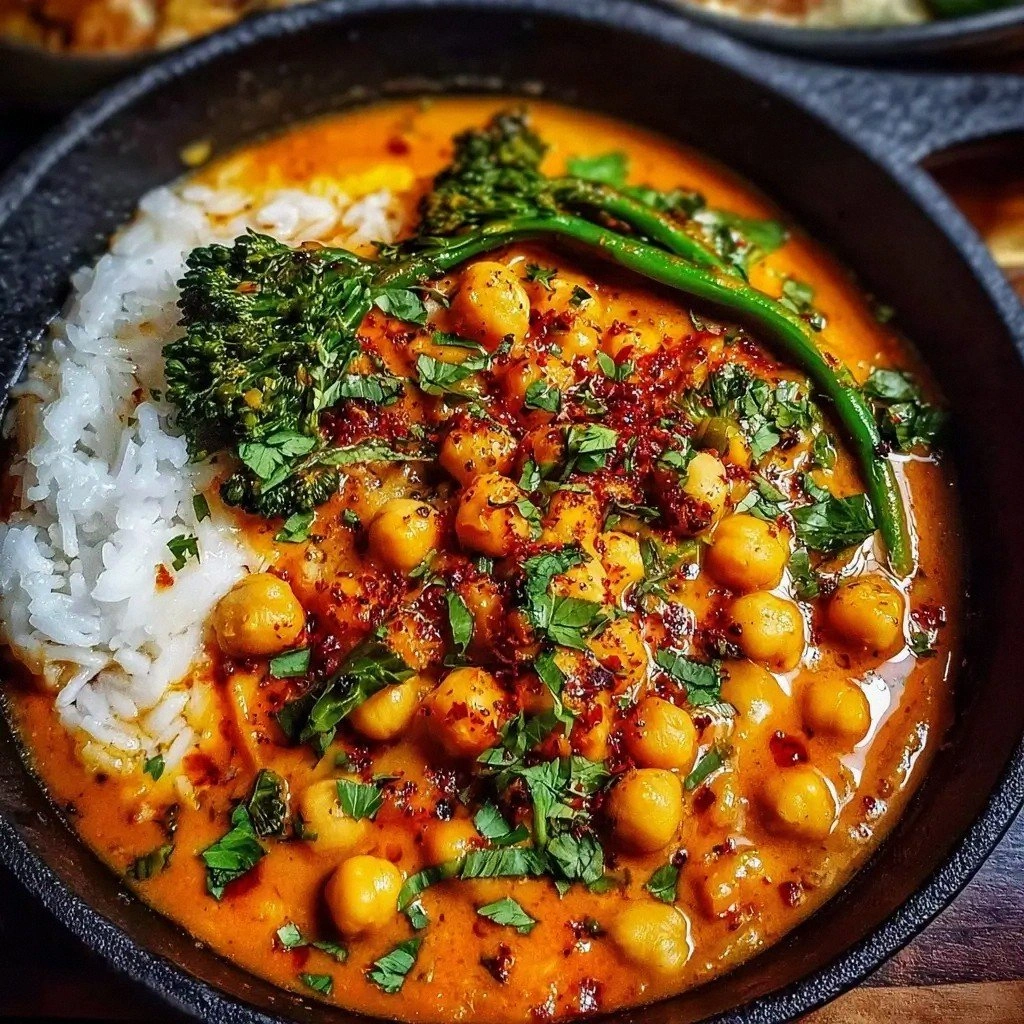
Picture the moment the first spoonful touches your tongue, the velvety coconut milk coating each chickpea like a buttery blanket. The fragrant steam rises, carrying hints of cumin, coriander, and a whisper of lime zest that tickles your nose. The sound of the pot gently bubbling is like a lullaby for the senses, soothing the chaos of the day. The texture is a harmonious blend of tender legumes and silky sauce, each bite a comforting hug. The visual appeal is a golden hue that glistens against the fresh green spinach, making your eyes water with anticipation. The taste is a balanced dance of sweet, savory, and spicy, leaving your palate craving more.
This version is a game-changer because it transforms ordinary chickpeas into a luxurious, creamy delight that rivals any restaurant dish. The sauce is thickened with a secret ingredient that gives it a luscious body without the need for heavy cream. The blend of spices is meticulously balanced, so no single flavor overwhelms the others. It’s incredibly forgiving, meaning even novice cooks can achieve restaurant-quality results. The dish is versatile, pairing beautifully with rice, naan, or even roasted vegetables. The recipe includes a simple step that elevates the entire meal, a trick that most cooks overlook.
One technique that will surprise you is the gentle addition of yogurt at the very end, which adds a subtle tang and smoothness that lifts the entire curry. This trick keeps the sauce from separating and gives it a silky finish that coats the chickpeas like velvet. The yogurt also cools the heat from the spices, making the dish approachable for all palates. I dare you to taste this and not go back for seconds. The result is a dish that feels indulgent yet comforting, a perfect balance between luxury and home‑cooked warmth.
Let me walk you through every single step, from prepping the base to the final flourish, so that by the end, you'll wonder how you ever made it any other way. I’ll keep you side by side with me, pointing out the exact moments where the flavors come together. We’ll explore how each ingredient interacts, and why timing matters. I’ll share a few micro‑challenges that will test your skills and keep you engaged. By the time we’re done, you’ll have a recipe that feels like a secret family treasure. And trust me, the kitchen will smell incredible, and your guests will be begging for the recipe.
Picture yourself pulling this out of the pot, the whole kitchen smelling incredible, and watching the steam rise like a cloud of savory perfume. The aroma alone will have everyone gathering around the table, eager to taste the first spoonful. The creamy texture will melt in your mouth, leaving a lingering warmth that stays long after the last bite. This dish is not just a meal; it’s an experience that turns an ordinary evening into a celebration. I’ll show you how to master it, so you can impress friends and family alike. Get ready to elevate your curry game to new heights.
What Makes This Version Stand Out
- Taste: The sauce has a creamy richness that feels like a hug, yet it never feels heavy or cloying. The subtle sweetness of coconut balances the earthy chickpeas, creating a depth that lingers on the tongue. Every bite feels like a comforting embrace, leaving you craving more.
- Texture: The chickpeas remain perfectly tender, each one coated in silky sauce that clings like a second skin. The addition of spinach adds a slight bite that breaks the monotony of pure cream. The overall mouthfeel is smooth, yet still offers a satisfying bite.
- Simplicity: With fewer than a dozen ingredients, this dish is a quick yet impressive centerpiece. The cooking process is straightforward, making it ideal for busy weeknights. The result is a restaurant‑quality meal without the restaurant price tag.
- Uniqueness: A splash of yogurt at the finish gives it a unique tang that sets it apart from other curries. The yogurt not only adds flavor but also creates a silky texture that is rarely achieved with traditional curries.
- Crowd Reaction: Friends rave about the depth of flavor, and many ask for the secret ingredient. The dish is a conversation starter, and the aroma alone can bring people together around the table.
- Ingredient Quality: Using fresh, canned chickpeas and high‑quality coconut milk elevates the taste. The spices are freshly ground, ensuring maximum flavor extraction. The combination of quality ingredients makes all the difference.
- Cooking Method: The gentle simmer allows spices to bloom without scorching, creating a harmonious flavor profile. The slow cooking process melds the flavors together, resulting in a dish that’s richer than a quick sauté.
- Make‑Ahead Potential: The curry tastes even better the next day, making it perfect for meal prep or entertaining. The flavors deepen as the spices continue to infuse the sauce, turning a simple dish into a culinary masterpiece.
Inside the Ingredient List
The Flavor Base
Onions: They provide the foundational sweetness that balances the spices. Sautéed until translucent, they form a caramelized base that deepens the overall flavor. Skipping onions will leave the curry feeling flat and underdeveloped.
Garlic: Adds a punchy, aromatic kick that elevates every bite. Fresh garlic delivers a bright, sharp note that cuts through the richness of coconut milk. If you’re allergic, a small pinch of garlic powder can serve as a substitute, though the aroma will be less pronounced.
Ginger: Contributes a warm, peppery nuance that complements the cumin and coriander. Fresh ginger’s bright zing is essential; using powdered ginger will make the dish taste bland. For a milder flavor, reduce the amount by half.
Tomato Paste: Brings depth and a subtle acidity that balances the coconut’s sweetness. It also thickens the sauce slightly, giving it body. If you’re avoiding tomatoes, a splash of tomato sauce can work, but the texture may be thinner.
The Texture Crew
Chickpeas: The star protein that anchors the dish. Their creamy texture absorbs the sauce, creating a comforting bite. Use canned chickpeas for convenience, but rinse thoroughly to reduce sodium.
Coconut Milk: The heart of the sauce, providing a luscious, dairy‑free creaminess. Choose full‑fat coconut milk for maximum richness; light versions will make the curry watery. If you prefer a lighter texture, blend coconut milk with a splash of water.
Spinach: Adds a pop of color and a subtle earthy flavor that balances the sweetness. Stir in at the end to keep the greens bright and vibrant. If you’re a fan of kale, it can be a hearty substitute.
Yogurt: Introduced at the final stage, it adds a tangy brightness and a silky finish. Plain yogurt works best; flavored varieties can alter the flavor profile. For a dairy‑free version, coconut yogurt or cashew yogurt works nicely.
The Unexpected Star
Turmeric: Provides a warm, earthy tone and a beautiful golden hue. It’s also known for its anti‑inflammatory properties. Use fresh turmeric if you have it; the flavor will be more vibrant.
Cumin: Adds a nutty, earthy depth that grounds the curry. Freshly ground cumin delivers a bright burst, while pre‑ground can taste dull. If you’re out of cumin, coriander can partially replace it.
Coriander: Brings a citrusy, floral note that lifts the dish. Fresh coriander leaves are optional but enhance the aroma. Ground coriander is a staple; use it in equal measure to cumin.
Chili Powder: Provides a gentle heat that keeps the dish from feeling bland. Adjust the amount to suit your heat tolerance. If you’re a fan of fiery flavors, add a pinch of cayenne instead.
The Final Flourish
Fresh Cilantro: Adds a burst of herbaceous freshness that cuts through the richness. Chop finely to distribute evenly throughout the curry. If you’re allergic to cilantro, parsley can be a suitable substitute.
Lime Juice: Brings a bright acidity that balances the coconut’s sweetness. Squeeze fresh lime for the best flavor; bottled lime can taste flat. A squeeze at the end ensures the lime’s brightness remains intact.
Salt: Enhances all the flavors and brings the dish together. Use kosher or sea salt for a subtle crunch. Remember, salt is a flavor enhancer, not just seasoning.
Black Pepper: Adds a mild heat that complements the chili powder. Freshly cracked pepper is best; pre‑ground can lose its potency. Use sparingly to avoid overpowering the dish.
Everything's prepped? Good. Let's get into the real action...
The Method — Step by Step
- Heat the olive oil in a large, heavy‑bottomed pot over medium heat. Add the diced onions and sauté until they turn translucent and start to caramelize, about 5 minutes. The onions should smell sweet and fragrant, signaling that they’re ready. Stir occasionally to prevent burning. This step builds the aromatic foundation that will carry the rest of the dish. When the onions look golden, proceed to the next step.
- Add the minced garlic and grated ginger to the pot, letting them sizzle for 30 seconds. The aroma will become more complex, hinting at the spices that will follow. Stir constantly to avoid sticking. If the mixture begins to brown too quickly, lower the heat slightly. This quick burst of flavor is the backbone of the curry’s depth. Keep your eyes on the pot to ensure it doesn’t scorch.
- Introduce the cumin, coriander, turmeric, and chili powder, stirring them into the onion mixture. Allow the spices to toast for 1‑2 minutes until they release their essential oils. The pot should emit a warm, nutty scent that makes your mouth water. This is a critical moment—don’t rush it. The spices’ aroma will be the first hint of the dish’s complexity. Once fragrant, add the tomato paste.
- Stir in the tomato paste, letting it caramelize for 2 minutes. The paste should darken slightly, indicating that the sugars have developed. This step adds a subtle sweetness that balances the coconut’s richness. Keep stirring to prevent the paste from burning. Once the paste is glossy, pour in the coconut milk and water, stirring to combine. The mixture should look creamy and even.
- Add the chickpeas, stirring them into the sauce until they’re fully coated. Reduce the heat to low and let the curry simmer gently for 15 minutes. This slow cooking allows the chickpeas to absorb the spices and the sauce to thicken. The edges of the pot should start pulling away slightly, signaling readiness. Taste the sauce; it should be aromatic and well‑seasoned. This simmering step is where the flavors truly meld.
- Fold in the chopped spinach, letting it wilt into the sauce. Then stir in the yogurt, mixing gently until fully incorporated. Add the fresh cilantro and squeeze in lime juice, adjusting the seasoning with salt and pepper to taste. The final sauce should be glossy, fragrant, and slightly tangy. The cilantro adds a burst of freshness that balances the richness. Serve hot over rice or with naan.
- Plate the curry, topping each bowl with a sprinkle of fresh cilantro and a wedge of lime for extra brightness. The dish should look glossy, with the chickpeas glistening in the creamy sauce. Take a moment to appreciate the aroma that fills the kitchen. This final presentation makes the meal feel special and ready to be devoured. Enjoy the moment before you dive in.
That's it — you did it. But hold on, I've got a few more tricks that'll take this to another level...
Insider Tricks for Flawless Results
The Temperature Rule Nobody Follows
Maintain a gentle simmer: Once the curry hits a boil, reduce the heat to low. This slow cooking process allows the spices to bloom without scorching. A high flame can cause the coconut milk to separate, ruining the silky texture. Keep the pot covered to trap steam and ensure even cooking.
Why Your Nose Knows Best
Smell the sauce: When the aromatics begin to caramelize, the smell is a cue that the flavors are developing. If the scent feels flat, give the curry an extra minute to toast the spices. Your nose is the best judge of when the dish is ready for the next step.
The 5‑Minute Rest That Changes Everything
Let the curry rest: After turning off the heat, cover the pot and let the dish sit for 5 minutes. This pause allows the flavors to settle and intensify. The residual heat will finish cooking the chickpeas gently. A quick rest also lets the sauce thicken slightly, giving it a richer mouthfeel.
How to Thicken Without Gravy
Use a roux or cornstarch slurry: If you prefer a thicker sauce, whisk a tablespoon of cornstarch with an equal amount of cold water. Stir this into the simmering curry and let it cook until it thickens. This method keeps the sauce smooth without adding extra fat or altering the flavor.
The Right Salt Timing
Add salt gradually: Season early to allow it to meld with the spices, but add a pinch at the end to brighten the flavors. Too much salt early can cause the coconut milk to separate. A final touch of salt after the yogurt is added keeps the dish balanced.
Quick Fix for Separating Sauce
Re‑whisk with a small amount of water: If the sauce separates, whisk in a tablespoon of warm water while the pot is still on low heat. This helps re‑emulsify the fat and liquid, restoring the creamy texture. Avoid high heat, or the sauce will continue to separate.
Creative Twists and Variations
Spicy Thai Twist
Swap the cumin and coriander for lemongrass, galangal, and Thai basil. Add a few red chilies for an extra kick. The result is a fragrant, fiery curry that feels like a Thai street food. Pair it with jasmine rice for authenticity.
Mediterranean Delight
Replace the coconut milk with a blend of olive oil and tomato sauce. Add olives and capers for a briny bite. Finish with a drizzle of lemon vinaigrette. This version is lighter and perfect for a summer gathering.
Vegan Protein Boost
Add a handful of cooked quinoa or lentils for extra protein. Use coconut yogurt to keep the dish dairy‑free. The texture becomes heartier, and the flavor stays vibrant. Ideal for a plant‑based dinner party.
Low‑Carb Version
Omit the coconut milk and replace it with a splash of heavy cream and a pinch of xanthan gum. Keep the chickpeas but use a low‑carb alternative like cauliflower rice. This variation keeps the dish creamy while cutting carbs.
Sweet and Smoky
Add a tablespoon of maple syrup and a pinch of smoked paprika. The maple brings a subtle sweetness that balances the heat. The smoky flavor adds depth and complexity, creating a unique twist on the classic.
Breakfast Curry Bowl
Serve the curry over a bed of fluffy scrambled eggs or tofu scramble. Top with a fried egg for extra protein. The combination of creamy curry and protein‑rich breakfast makes for a satisfying start to the day.
Storing and Bringing It Back to Life
Fridge Storage
Transfer the curry into an airtight container and refrigerate for up to 4 days. The flavors will deepen, making it even more delicious. Keep the container on the middle shelf to maintain a consistent temperature. When ready to eat, stir well to re‑combine the sauce.
Freezer Friendly
Store the curry in a freezer‑safe container for up to 3 months. The coconut milk may separate slightly, but it will re‑mix during reheating. Freeze in portioned containers to avoid thawing the entire batch at once. Label with the date to keep track of freshness.
Best Reheating Method
Reheat the curry gently on the stovetop over low heat, stirring frequently. Add a splash of water or broth if the sauce has thickened too much. A tiny splash of water before reheating steams back to perfection, restoring the silky texture. Finish with a quick stir of fresh cilantro for brightness.