I was standing in my kitchen, half‑asleep, scrolling through endless smoothie ideas when my roommate shouted, “If you can’t make a smoothie that looks like a unicorn, you’re not a real foodie!” I laughed, grabbed a handful of random fruit, and set a timer for a disaster that turned into a masterpiece. The blender roared, the fridge hummed, and the whole apartment was filled with the sweet perfume of strawberries and mango, a scent that made my mouth water before the first sip even touched my lips. I dared you to taste this and not go back for seconds, because once you see those pastel layers, you’ll understand why this is hands down the best version you’ll ever make at home.
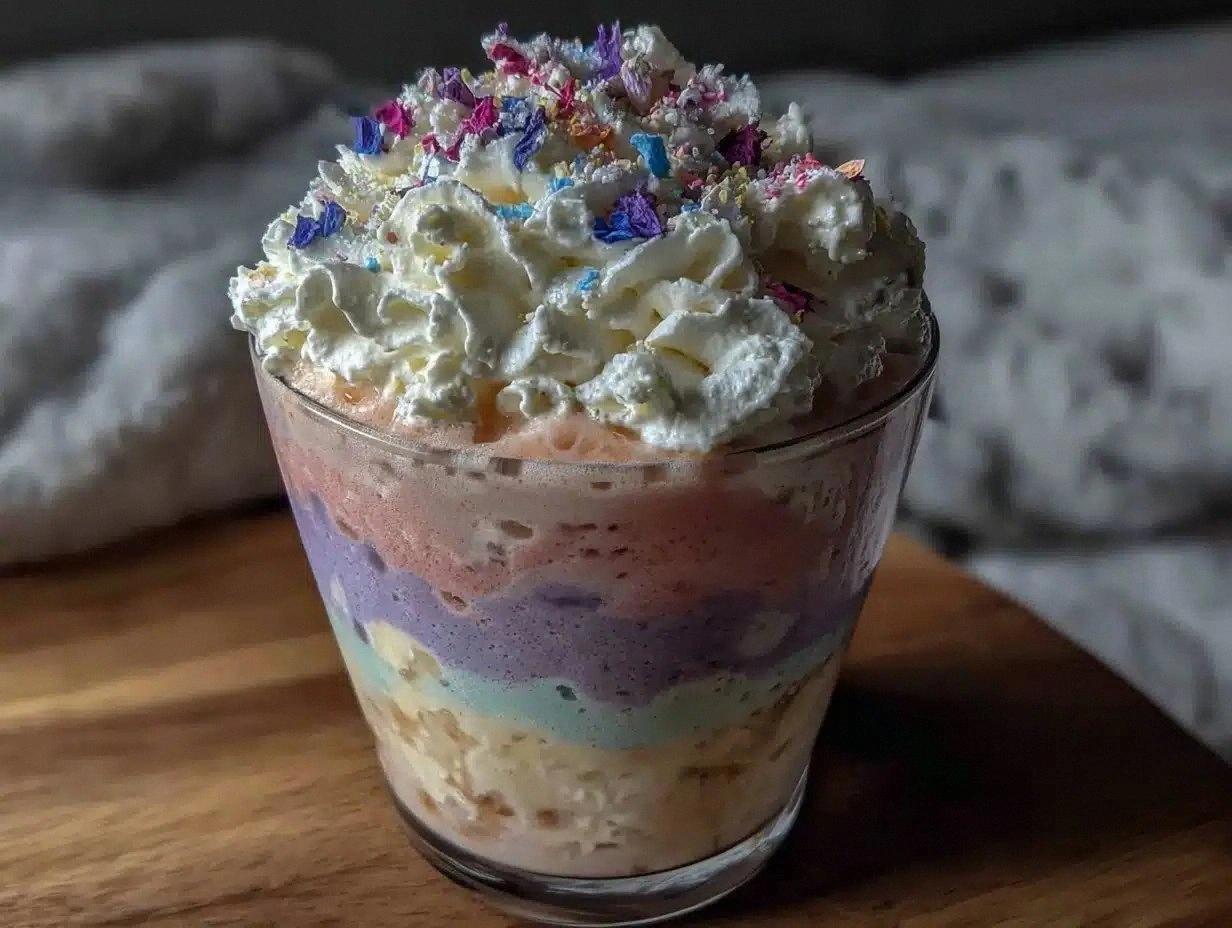
Picture this: a glass tower of pastel pink, sunny yellow, soft lavender, and dreamy green, each layer shimmering like a sunrise over a candy‑colored horizon. The first bite is a cool, creamy rush that feels like velvet sliding over your tongue, followed by a burst of natural fruit sweetness that makes you think of a summer picnic in a pastel‑painted field. I’ll be honest — I ate half the batch before anyone else got to try it, and the look on my friends’ faces was pure, unfiltered joy. Most recipes get this completely wrong, either drowning the fruit in dairy or ending up with a soggy mess, but here we keep each hue vibrant and each texture distinct.
What truly sets this smoothie apart is the secret weapon: a tiny splash of vanilla extract that ties every layer together without stealing the spotlight. Most people skip the vanilla, thinking it’s just for baked goods, but it adds depth that makes the fruit sing like a choir. And the optional silken tofu? It’s the silent hero that adds protein and a silkiness that rivals any high‑end café creation, all while staying completely plant‑friendly. This isn’t just a drink; it’s an experience, a pastel rainbow you can sip, and I’m about to walk you through every single step — by the end, you’ll wonder how you ever made it any other way.
Okay, ready for the game‑changer? We’re about to layer these smoothies like a work of art, using a simple technique that most home cooks overlook: the “slow pour” method, where you gently coax each blend over the back of a spoon to keep the layers from mixing. This trick makes the colors stay separate, creating that Instagram‑ready look without any fancy equipment. Stay with me here — this is worth it, and I promise the payoff is a glass that looks as good as it tastes.
What Makes This Version Stand Out
- Taste: Each layer is balanced with just enough honey or maple syrup to highlight the fruit without overwhelming it, delivering a natural sweetness that feels like a hug for your palate.
- Texture: The creamy base of Greek yogurt and optional silken tofu creates a velvety mouthfeel that contrasts beautifully with the slight bite of fresh kiwi and the smoothness of banana.
- Simplicity: All ingredients are pantry‑friendly, requiring no exotic superfoods or expensive equipment — just a good blender and a spoon.
- Uniqueness: The layered presentation turns an everyday smoothie into a visual masterpiece, perfect for brunches, kids’ parties, or a fancy Instagram post.
- Crowd Reaction: Guests are instantly impressed; the rainbow effect sparks conversation, and the taste keeps them coming back for more.
- Ingredient Quality: Using Greek yogurt (I swear by FAGE for its thick, buttery texture) ensures a rich base that doesn’t separate.
- Method: The slow‑pour layering technique guarantees clean, distinct layers without the need for a fancy syringe or piping bag.
- Make‑Ahead Potential: You can prep each fruit blend in advance and store them in the fridge, making assembly a breeze on a busy morning.
Inside the Ingredient List
The Flavor Base
Greek yogurt is the heart of our smoothie, providing a thick, tangy canvas that carries the fruit flavors without drowning them. I prefer plain or vanilla FAGE because its low‑fat version still feels luxuriously creamy, and the vanilla version adds a subtle aromatic note that ties all layers together. If you skip the yogurt, you’ll end up with a watery mess that lacks body; the smoothie will separate quickly, and the visual layers will blur into a single dull hue. A good swap is Skyr or thick kefir for a similar tang and protein boost.
The Texture Crew
Unsweetened almond milk is our thinning agent, allowing each layer to be pour‑able while keeping the calorie count low. A splash of almond milk is enough to achieve a smooth consistency without diluting the fruit intensity. If you prefer a richer mouthfeel, whole milk or oat milk works just as well, but remember that each will subtly alter the flavor profile. The optional silken tofu or cottage cheese adds an extra layer of creaminess and protein, turning this from a simple snack into a satisfying mini‑meal.
The Unexpected Star
Honey or maple syrup is the natural sweetener that binds the flavors together. I like honey for its floral notes, but maple syrup brings a caramel depth that pairs beautifully with mango and banana. Skipping the sweetener altogether is fine if your fruit is already super‑sweet, but you’ll lose that balanced finish that makes each sip feel complete. A pinch of sea salt can also be added to enhance the sweetness without adding extra sugar.
The Final Flourish
The fruit lineup is where the pastel rainbow truly comes to life. Frozen strawberries give us that gentle pink blush; their slight tartness balances the honey’s sweetness. Mango chunks create a sunny yellow layer that feels like a tropical sunrise. Blueberries add a soft lavender hue and a burst of antioxidants. Kiwi (or green grapes) brings a pastel green, a refreshing tang that cuts through the richness. Finally, banana offers a creamy white layer that smooths out the overall texture. If you miss any of these, you can swap with similar‑colored fruit—raspberries for strawberries, peach for mango, or even white grapes for banana—but the visual impact will shift.
Everything's prepped? Good. Let's get into the real action…
The Method — Step by Step
Gather all your ingredients and give each fruit a quick rinse. If you’re using frozen fruit, let it sit out for five minutes so it’s just slightly thawed—this makes blending easier and prevents the smoothie from becoming icy. I dare you to taste the fruit before blending; the natural sweetness should be evident, otherwise add a drizzle of honey now.
While the fruit softens, whisk together the Greek yogurt, almond milk, and vanilla extract in a large bowl until smooth. This is the base that will hold each layer together, so make sure there are no lumps. Add the honey or maple syrup to the yogurt mixture, tasting as you go to achieve your desired level of sweetness.
Start with the pink layer: combine the slightly thawed strawberries with ½ cup of the yogurt base in a blender. Blend on low to medium speed for about 30 seconds, just until the mixture is smooth but still thick enough to hold its shape. Taste and adjust sweetness if needed.
Kitchen Hack: Add a splash of almond milk only if the blend looks too thick; you want a pourable consistency, not a soup.Transfer the pink mixture into a tall, clear glass, filling it about one‑quarter of the way. Use the back of a spoon to slow the pour, letting the mixture glide gently over the surface to keep the layer intact.
Next, the sunny yellow: blend frozen mango chunks with ½ cup of the remaining yogurt base. The mango’s natural oils make this layer slightly looser, so you may need an extra tablespoon of almond milk to keep it from spilling over the pink. Taste—if the mango isn’t sweet enough, a tiny drizzle of maple syrup will elevate it without making it cloying.
Watch Out: If you pour the mango layer too quickly, it will blend with the pink, ruining the rainbow effect. Take your time and use the spoon technique.Gently pour the yellow over the pink, watching the colors sit side by side like sunrise over a pastel sky.
For the lavender hue, blend fresh or frozen blueberries with the remaining yogurt base. Blueberries are naturally thick, so you might need a touch more almond milk to achieve a smooth pour. Add a pinch of sea salt to bring out the berry’s depth; this tiny trick makes the flavor pop like fireworks.
Again, use the back‑of‑spoon method to layer the lavender over the yellow. The contrast should be striking—if the layers start to merge, pause and let the previous layer settle for a few seconds before adding more.
Now for the pastel green: if you’re using kiwi, peel and slice it, then blend with the final portion of yogurt base. Kiwi’s natural acidity can sometimes cause the mixture to become watery, so keep an eye on consistency and add almond milk sparingly. If you prefer green grapes, they blend smoother and need less liquid.
Pour this final layer slowly, completing the rainbow. The green should sit atop the lavender, creating a gradient that looks like a painted sunrise.
Optional protein boost: in a separate small bowl, whisk silken tofu (or cottage cheese) with a drizzle of honey and a splash of vanilla. Fold this into the very top of the green layer for an extra creamy crown. This step is optional but adds a silkiness that makes the smoothie feel like a dessert rather than a drink.
Garnish time! Slice a few thin banana rounds and arrange them along the rim of the glass. Sprinkle chia seeds or flaxseeds over the top for a subtle crunch and a nutritional punch. The seeds also catch the light, giving the smoothie a speckled, magical finish.
Final check: the layers should stay distinct, the glass should look like a pastel sunrise, and the aroma should be a harmonious blend of vanilla, fruit, and a hint of honey. Give the glass a gentle tap; you’ll hear a soft, satisfying clink that tells you the smoothie is ready to be enjoyed.
That’s it — you did it. But hold on, I’ve got a few more tricks that'll take this to another level…
Insider Tricks for Flawless Results
The Temperature Rule Nobody Follows
Cold ingredients keep the layers from melting into each other. If your fruit is too warm, the yogurt base will liquefy, causing the colors to bleed. I always keep the frozen fruit in the freezer until the very last minute, and I chill the yogurt in the fridge for at least an hour before starting. This simple temperature control makes the layers stay crisp and distinct, like a well‑painted watercolor.
Why Your Nose Knows Best
Before you taste, give the smoothie a quick sniff. The aroma will tell you if the sweetener level is right or if a splash of vanilla is needed. Trust your nose; it’s more sensitive than your palate and will catch subtle imbalances before they hit your tongue. If you smell a hint of sourness, a dash more honey will instantly round it out.
The 5‑Minute Rest That Changes Everything
After assembling the layers, let the glass sit for five minutes. This short rest lets the yogurt settle, the flavors meld, and any tiny air bubbles rise to the surface. The result is a smoother sip and a more cohesive flavor profile. A friend once tried to serve the smoothie immediately and ended up with a watery top layer—lesson learned!
The Secret of the Silken Tofu
If you’re adding silken tofu, blend it separately with a pinch of salt and a drizzle of honey before folding it in. This prevents the tofu from clumping and ensures a uniform, creamy texture that integrates seamlessly with the yogurt. Skipping this step can leave you with pockets of grainy tofu that ruin the smooth finish.
Layer Order Logic
Start with the lightest color (pink) and progress to the darkest (green). This order minimizes the risk of heavier layers sinking and mixing with lighter ones. If you reverse the order, you’ll find the denser fruit blends pushing the lighter ones down, creating a muddied mess rather than a clean rainbow.
Creative Twists and Variations
This recipe is a playground. Here are some of my favorite ways to switch things up:
Tropical Sunrise
Swap strawberries for raspberries, mango for pineapple, and add a splash of coconut milk in the base. The result is a beach‑vibe smoothie with a coconut‑kissed finish that’s perfect for summer brunches.
Berry‑Blast Delight
Replace mango with peach slices, and use mixed berries (blackberries, strawberries, blueberries) for each layer. This creates a deeper, richer purple hue and a more intense berry flavor that will wow any berry lover.
Green Goddess
Introduce spinach or kale into the kiwi layer, and add a teaspoon of spirulina for an extra health boost. The green becomes a vibrant emerald, and the earthy notes pair surprisingly well with the sweet fruit.
Protein Power
Add a scoop of vanilla whey protein powder to the yogurt base, and replace silken tofu with Greek cottage cheese. This version turns the smoothie into a post‑workout recovery drink without sacrificing the pastel aesthetic.
Holiday Cheer
Incorporate a pinch of cinnamon and nutmeg into the banana layer, and drizzle a little caramel sauce on top. The colors stay pastel, but the spices give it a cozy, winter‑time vibe that’s perfect for holiday gatherings.
Storing and Bringing It Back to Life
Fridge Storage
If you need to make the smoothie ahead of time, store each fruit blend in separate airtight containers in the refrigerator for up to 24 hours. Keep the yogurt base in its own container. When ready to serve, simply re‑layer in a glass using the same slow‑pour technique. The texture may thicken slightly, so add a splash of almond milk before pouring.
Freezer Friendly
For longer storage, freeze each fruit mixture in individual silicone molds or zip‑top bags for up to 2 weeks. The yogurt base freezes well for up to a month. To reassemble, thaw each component in the refrigerator overnight, then follow the layering steps. A quick blitz in the blender for each layer will restore the perfect pourable consistency.
Best Reheating Method
If your smoothie has been refrigerated and feels too thick, add a tiny splash of water (or extra almond milk) and give it a gentle stir or a few seconds in the blender. This steams the mixture back to a silky texture without compromising flavor. Never microwave, as the heat will separate the yogurt and ruin the pastel layers.