Picture this: I’m in my kitchen, juggling a blender, a cutting board, and a pot that’s already halfway full of water. I’ve just realized I’ve forgotten the salt in the recipe, and the entire dish is about to taste like a soggy salad. My friend texts, “You’re going to need a miracle, right?” I laugh, because that’s exactly what this recipe is. It’s a miracle that turns humble vegetables and a handful of pantry staples into a dish that feels like a five‑star restaurant experience, all without the wait.
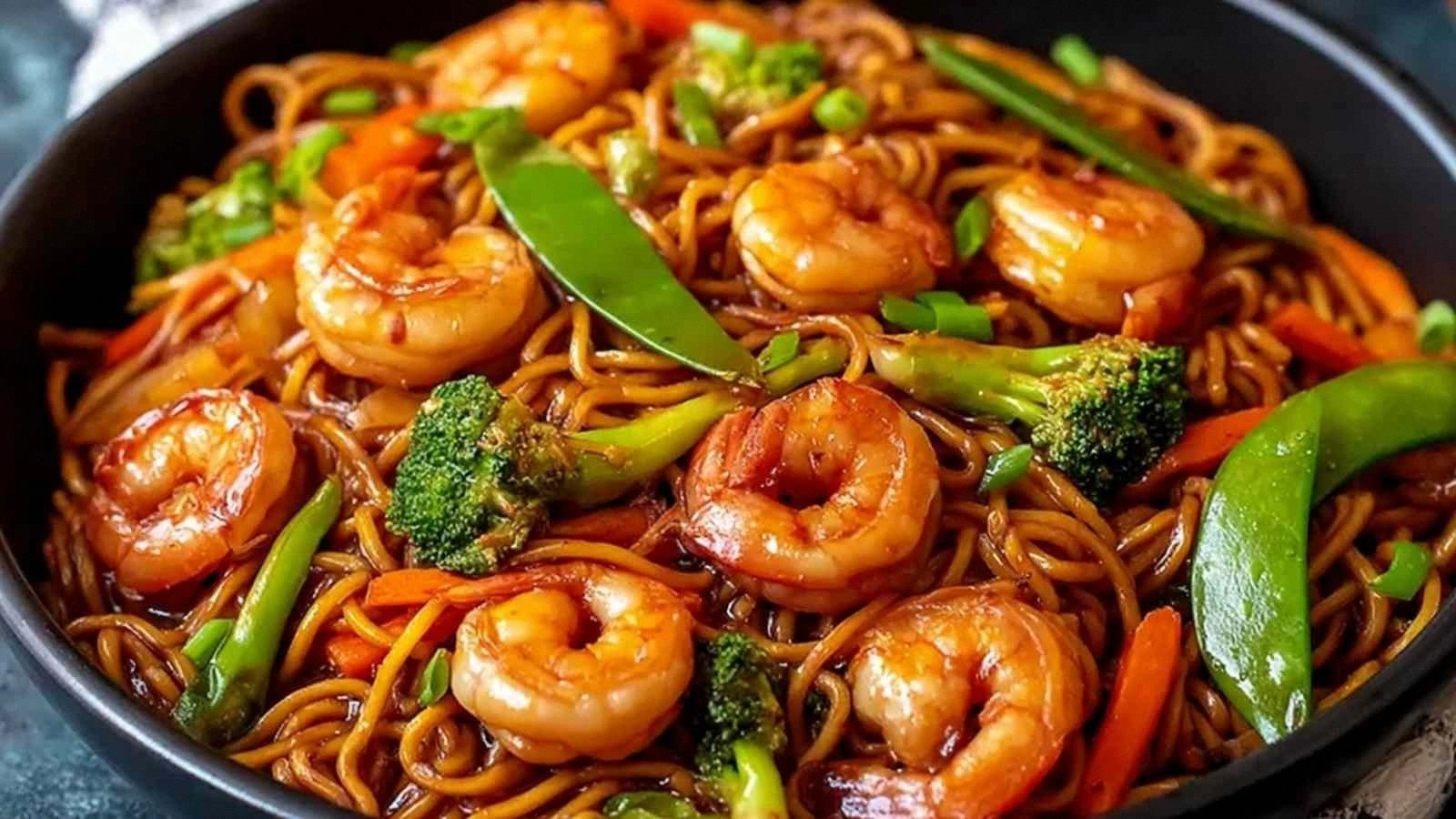
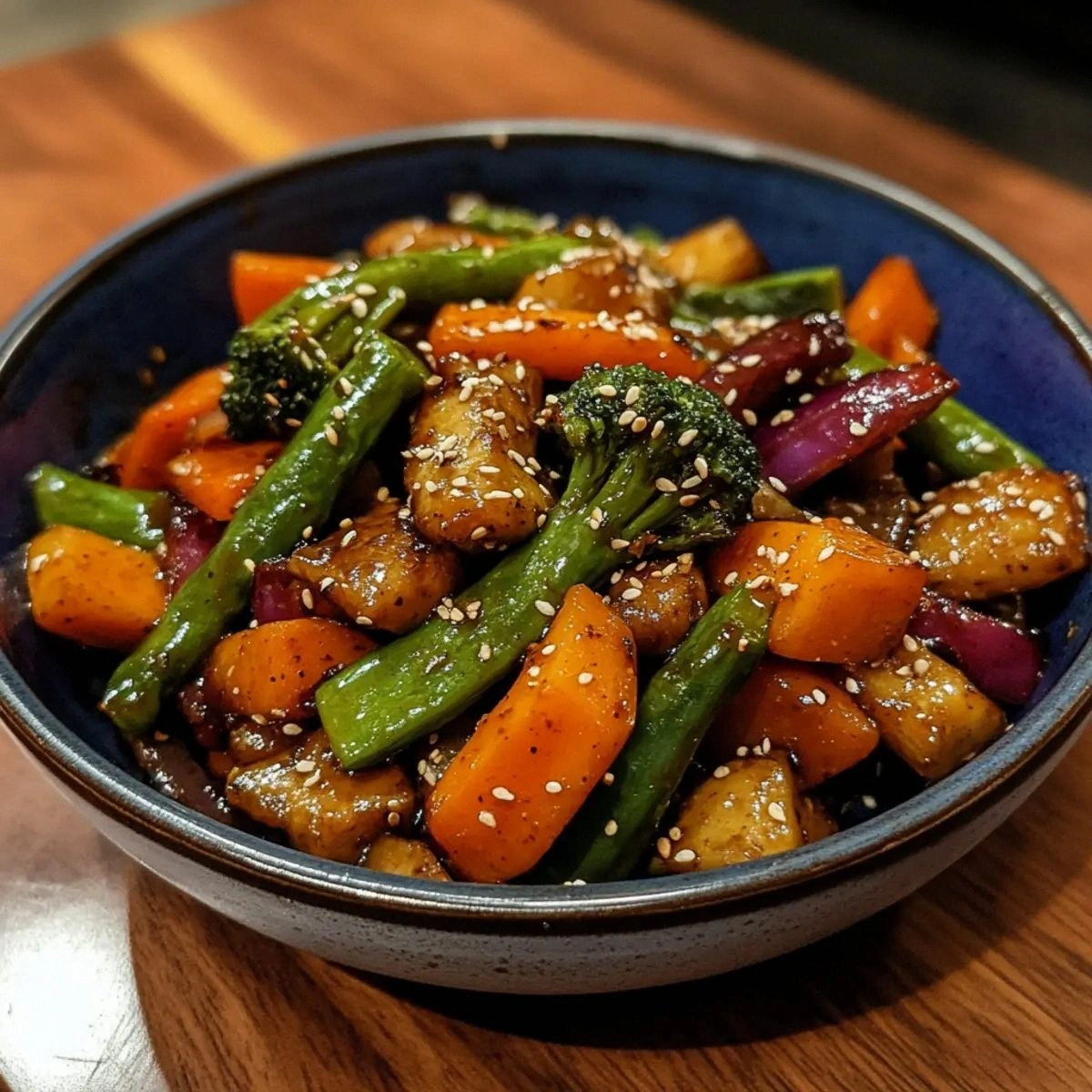
The moment the pan hits the heat, the sizzle is like a tiny drumbeat announcing the arrival of flavor. The steam rises, carrying the sharp, earthy scent of fresh ginger that cuts through the air, while the sweet aroma of honey mingles with the savory notes of soy sauce. As I stir, the vegetables release their colors, turning from dull to vibrant, and the glossy sauce coats each piece like a silk ribbon. You can almost taste the crunch of the broccoli florets and the sweet snap of the carrots before you even take a bite.
What makes this version stand out is that it’s not just a stir‑fry; it’s a carefully choreographed dance of textures and tastes. The sauce is a silky glaze that clings to every vegetable, the sesame seeds add a subtle nutty crunch, and the crushed red pepper flakes give a gentle heat that lingers without overwhelming the palate. I dare you to taste this and not go back for seconds because the combination of umami, sweetness, and spice is addictive. The best part? It’s so easy that even a kitchen rookie can pull it off.
I’ll be honest—when I first tried this, I ate half the batch before anyone else got a chance to try it. That’s a confession I’m proud of, because it proves this recipe is that good. Most recipes get this completely wrong by either overcooking the veggies or under-seasoning the sauce. Here’s what actually works: a quick sear, a balanced sauce, and a final splash of sesame oil for that extra shine. Picture yourself pulling this out of the pan, the whole kitchen smelling incredible, and everyone asking for your secret. Let me walk you through every single step—by the end, you’ll wonder how you ever made it any other way.
What Makes This Version Stand Out
- Flavor: The sauce is a harmonious blend of sweet, salty, and slightly spicy, creating a depth that feels like a full‑bodied wine. Each bite delivers a burst of umami that elevates the vegetables without overpowering them.
- Texture: The vegetables retain a crisp bite while the sauce creates a glossy coating that clings like a second skin. The sesame seeds add a satisfying crunch that punctuates every mouthful.
- Ease: All the prep is done in one pan, so you can clean up in less than 10 minutes. The recipe requires only a few minutes of active cooking time, making it ideal for busy evenings.
- Ingredient Quality: Using fresh ginger and high‑quality soy sauce transforms the dish from ordinary to extraordinary. The natural sweetness of honey or maple syrup balances the savory notes perfectly.
- Versatility: Whether you choose tofu, chicken, or even shrimp, the flavor base remains unchanged. This flexibility makes it a go‑to for any dietary preference.
- Crowd‑Pleaser: The bright colors and vibrant flavors make it a hit at family dinners, potlucks, and date nights alike. I’ve had guests ask for a second plate after the first.
- Make‑Ahead Potential: The dish can be prepared in advance and reheated without losing its texture or flavor. The sauce even thickens slightly, creating a more cohesive bite.
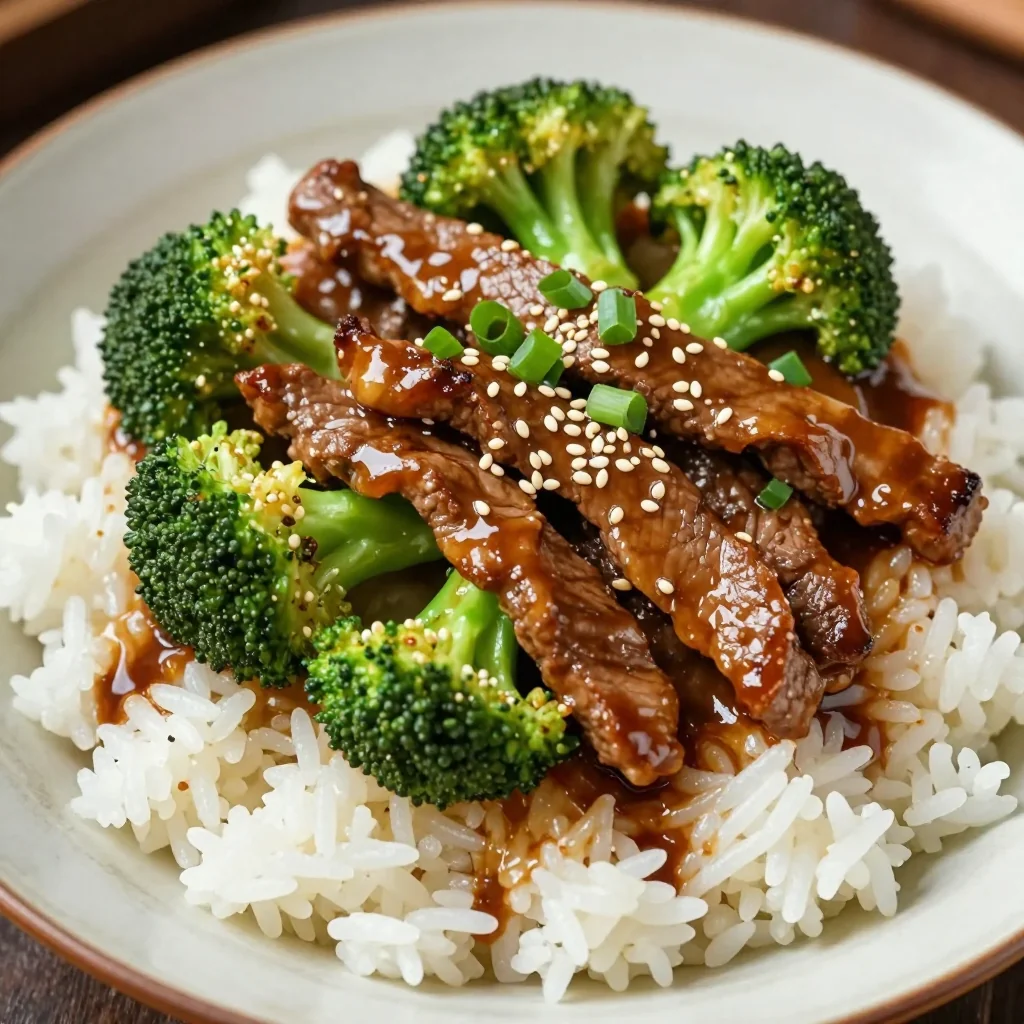
- Presentation: Serve it over steamed rice or quinoa, and drizzle with a few extra sesame seeds for a visually stunning plate.
Inside the Ingredient List
The Flavor Base
Soy sauce, sesame oil, honey or maple syrup, rice vinegar, and crushed red pepper flakes form the backbone of the sauce. Soy sauce provides the salty depth, while the vinegar adds a bright acidity that balances the sweetness. Sesame oil brings a nutty aroma that lingers, and the honey or maple syrup adds a natural sweetness that prevents the dish from feeling too savory. Skipping any of these will result in a bland or one‑dimensional flavor profile.
The Texture Crew
Broccoli florets, snow peas, carrots, and red bell pepper create a rainbow of textures and colors. The broccoli offers a sturdy crunch, snow peas provide a delicate snap, carrots add a sweet bite, and bell pepper introduces a juicy burst. If you prefer a softer texture, blanch the broccoli for 30 seconds before stir‑frying. The key is to keep the vegetables bright and firm so that the sauce can cling without making them mushy.
The Unexpected Star
Green onions and sesame seeds are the unsung heroes that elevate the dish. Green onions add a fresh, oniony crunch that cuts through the richness, while sesame seeds contribute a subtle nutty flavor and a pleasing textural contrast. If you’re allergic to sesame, substitute with crushed almonds or toasted pumpkin seeds for a similar effect.
The Final Flourish
Fresh ginger and garlic bring aromatic brightness that lifts the entire dish. The ginger’s peppery zing balances the sweetness of honey, while garlic adds depth and complexity. Use a microplane to grate the ginger for maximum surface area, ensuring its flavor is fully released. If you’re not a fan of raw garlic, lightly sauté it until fragrant before adding the sauce.
Everything’s prepped? Good. Let’s get into the real action.
The Method — Step by Step
- Heat a large wok or skillet over medium‑high heat until it shimmers. Add the sesame oil, swirling to coat the surface. When the oil begins to smoke lightly, add the diced garlic and grated ginger. Stir continuously for 30 seconds until aromatic, being careful not to let them burn. This is the moment of truth; the base of your sauce is forming right here.
- Introduce the red bell pepper and carrots to the pan. Toss them for 2 minutes, letting them get a slight char on the edges. The pepper should still feel firm, while the carrots should begin to soften but not become mushy. This quick sear locks in the natural sweetness of the veggies.
- Add the broccoli florets and snow peas. Stir‑fry for another 2 minutes, ensuring the vegetables are coated with the fragrant oil. You’ll notice the broccoli turning a vibrant emerald green and the snow peas brightening to a lively green. The veggies should still have a crisp bite.
- If you’re using tofu, add it now. If you prefer chicken, sauté it until lightly browned before adding. The protein should be cooked through but still tender. This step ensures the protein absorbs the sauce’s flavor without becoming dry.
- In a small bowl, whisk together soy sauce, honey or maple syrup, rice vinegar, crushed red pepper flakes, and a splash of water (just enough to loosen the mixture). Pour this sauce over the vegetables. The sauce should immediately begin to thicken, clinging to each piece. Stir until every vegetable is evenly coated.
- Add the green onions, reserving a few for garnish. Toss everything together for 1 minute, allowing the flavors to meld. The green onions should add a fresh crunch without overpowering the dish. This is the stage where the sauce’s glossy sheen truly shines.
- Sprinkle the sesame seeds over the stir‑fry. Give it one final toss, ensuring the seeds are evenly distributed. The sesame seeds should crackle slightly as they hit the hot pan, releasing their nutty aroma.
- Transfer the finished dish to a serving bowl. Garnish with the reserved green onions and a drizzle of sesame oil for that extra shine. Serve immediately over steamed rice or quinoa for a complete meal.
That's it—you did it. But hold on, I've got a few more tricks that'll take this to another level.
Insider Tricks for Flawless Results
The Temperature Rule Nobody Follows
Many people cook stir‑fry at medium heat, which can result in soggy vegetables. I always crank the heat up to high for the first 30 seconds of searing. The high temperature caramelizes the edges of the veggies, creating that coveted “char” that adds depth and a smoky note. After the initial sear, reduce the heat to medium to finish cooking without burning.
Why Your Nose Knows Best
Before you add the sauce, take a sniff of the aromatics. A good aroma indicates the ginger and garlic have released their essential oils. If the scent feels flat, you’ve likely over‑cooked them. Re‑introduce a fresh batch of ginger and garlic for an instant flavor boost.
The 5‑Minute Rest That Changes Everything
Once the dish is plated, let it rest for 5 minutes before serving. This rest period allows the sauce to redistribute and the vegetables to finish cooking in their own steam. The result is a more cohesive dish where every bite is perfectly seasoned.
The Secret of the Sesame Oil Finish
Drizzling a splash of toasted sesame oil right before serving adds a subtle nuttiness that rounds out the flavors. Toasted sesame oil has a lower smoke point, so add it at the end to preserve its delicate aroma. A teaspoon is enough to elevate the dish from good to unforgettable.
The Right Cutting Technique
Uniform cuts ensure even cooking. Use a sharp knife and slice the carrots and bell pepper into bite‑size sticks. The smaller the pieces, the faster they’ll cook, preventing overcooking and maintaining that bright, fresh crunch.
Creative Twists and Variations
This recipe is a playground. Here are some of my favorite ways to switch things up:
Citrus Kick
Add a tablespoon of freshly squeezed orange juice to the sauce and finish with a sprinkle of orange zest. The citrus brightens the dish and provides a sweet‑tart contrast to the savory base. This variation is perfect for spring and summer meals.
Spicy Thai Twist
Replace the crushed red pepper flakes with a tablespoon of Thai chili paste and add a handful of fresh basil leaves after cooking. The basil’s peppery aroma and the chili paste’s heat create an authentic Thai flavor profile. Serve over jasmine rice for a complete experience.
Miso Magic
Stir in a teaspoon of white miso paste into the sauce for a subtle umami depth. Miso’s fermented flavor pairs beautifully with the sweet and salty notes, giving the dish a richer, more complex taste. This version works well with tofu or shrimp.
Creamy Coconut Finale
Add a splash of coconut milk to the sauce and simmer for a minute until it thickens. The coconut milk softens the heat and adds a silky texture. Pair this creamy version with a side of coconut rice for a tropical vibe.
Roasted Nut Crunch
Toss in a handful of roasted cashews or almonds during the final toss. The nuts add a crunchy texture and a nutty flavor that complements the sesame seeds. This variation is ideal for a hearty, protein‑rich dinner.
Herb Garden Upgrade
Finish the dish with a handful of chopped fresh cilantro or parsley. The herbs add a fresh, green note that cuts through the richness of the sauce. This bright finish is especially refreshing on a hot day.
Storing and Bringing It Back to Life
Fridge Storage
Store leftovers in an airtight container for up to 3 days. Keep the sauce separate if you plan to reheat the dish later, as the sauce can become overly thick. When ready to eat, reheat in a skillet over medium heat, adding a splash of water or broth to loosen the sauce.
Freezer Friendly
Freeze the dish in a freezer‑safe container for up to 2 months. Thaw overnight in the refrigerator before reheating. If the sauce has thickened, stir in a little water to restore its silky consistency.
Best Reheating Method
Reheat the stir‑fry in a wok or skillet over medium heat, stirring constantly. Add a small amount of water or broth to keep the vegetables from drying out. The key is to heat quickly and evenly, ensuring the dish stays moist and flavorful.