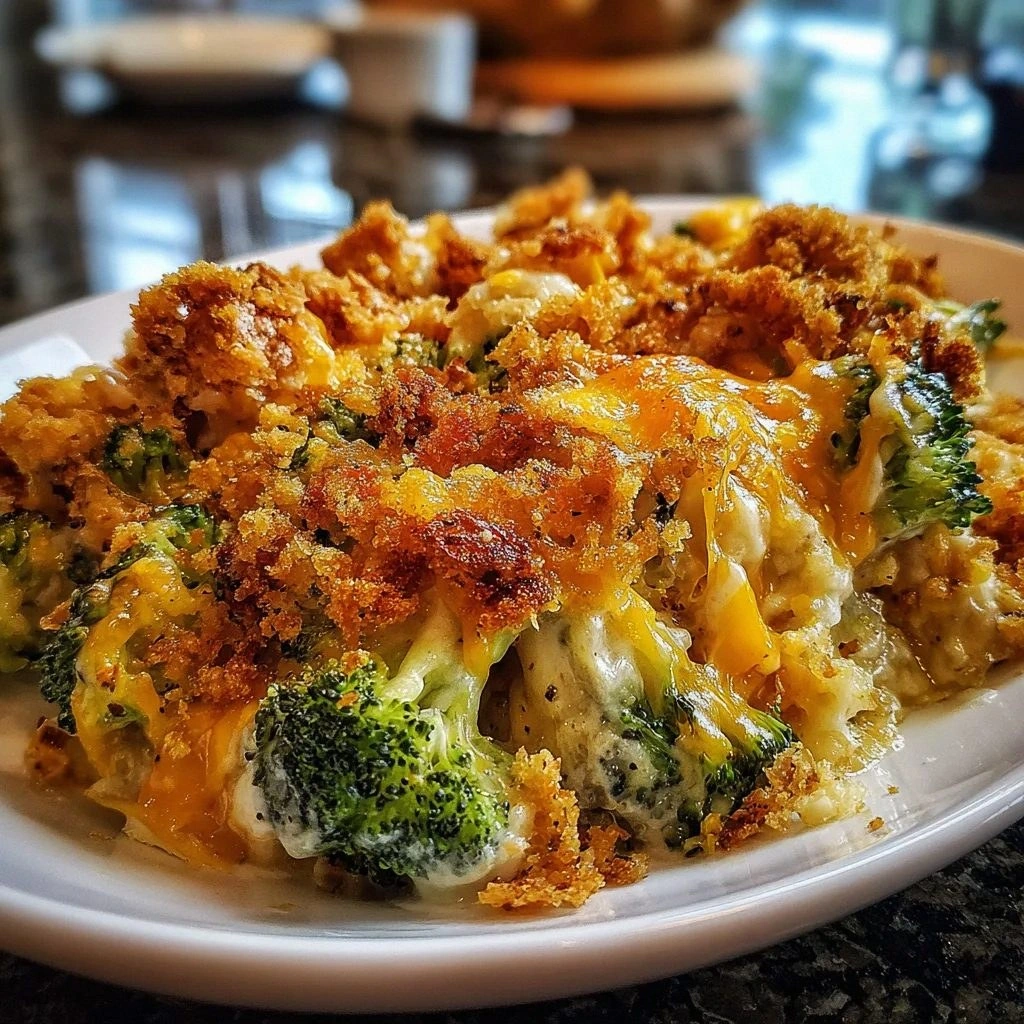
Picture this: I'm standing in my kitchen, the stove humming, and a pot of French onion soup simmering on the counter. Suddenly, a stray broccoli floret slides into the pot, splashing broth onto the stove like a miniature volcano. My friend challenges me to turn this accidental mishap into a culinary masterpiece, daring me to create a casserole that will make everyone beg for seconds. I took the dare, grabbed a handful of cheddar, and decided to let the flavors mingle. The result? A dish that feels like a comforting hug, with savory onion, crisp broccoli, and a gooey cheese blanket.
From the moment the onions start caramelizing, a sweet, caramel scent fills the air, making your mouth water before you even taste it. The broccoli, when sautéed just right, offers a satisfying snap, its green hue brightening the dish like a splash of emerald. The cheese melts into a silky, golden layer that clings to every bite, creating a luxurious mouthfeel that is both crunchy and creamy. The final drizzle of olive oil gives a subtle shine, hinting at the dish’s depth. And when you lift the casserole, steam swirls like a cloud, promising warmth and comfort.
This isn’t your run‑of‑the‑mill casserole; it’s a symphony of textures and flavors that dance on the palate. The French onion soup is the secret sauce that turns bland broccoli into a savory sensation, while the cheddar brings that unmistakable, melt‑in‑your‑mouth richness. The breadcrumbs, lightly toasted, add a crunchy counterpoint that refuses to be ignored. Every ingredient is chosen for its ability to complement the others, creating a balanced, satisfying bite that feels like a hug from a grandma who knows exactly how to use leftovers. I dare you to taste this and not go back for seconds. That’s the kind of confidence I bring to every recipe.
One of the trickiest parts of this casserole is the breadcrumb topping. If you’re like me, you’ve probably burned breadcrumbs or left them soggy; I’ve learned a shortcut that keeps them crisp without the extra oil. Another subtle secret is the timing of when you add the sour cream—it’s the difference between a dry casserole and a velvety masterpiece. I’ll walk you through each step, and you’ll see how these small choices elevate the dish. Trust me, the result will feel like a gourmet creation that you can make at home.
Okay, ready for the game‑changer? Let’s dive into the ingredients, the method, and the tricks that will make this casserole the star of any meal. By the end, you’ll wonder how you ever cooked this dish any other way. I’ve packed every detail you’ll need, from the precise measurements to the timing that ensures everything comes together perfectly. So grab your apron, because this is hands down the best version you’ll ever make at home.
What Makes This Version Stand Out
- Flavor: The French onion soup transforms ordinary broccoli into a savory, umami‑rich component that sings with every bite. The onions’ caramelized sweetness balances the sharpness of cheddar, creating a layered taste profile that feels both familiar and adventurous. This depth of flavor sets the casserole apart from standard broccoli dishes that rely solely on cheese or butter. It’s a bold move that rewards the palate with complexity. The result is a dish that’s both comforting and sophisticated.
- Texture: A crunchy breadcrumb topping meets a molten cheese blanket, while the broccoli retains a gentle snap. The contrast keeps each bite exciting and prevents the casserole from becoming mushy. The sour cream’s silky smoothness coats the casserole like a velvet blanket, adding a subtle moisture that ties everything together. The layers of texture make the dish memorable and satisfying. Texture is the unsung hero that turns this casserole into a culinary delight.
- Simplicity: All the ingredients you need are pantry staples or items you likely already have on hand. No exotic spices or hard‑to‑find ingredients are required. The cooking process is straightforward, with a single pan and one baking dish. Even a beginner can follow the steps without feeling overwhelmed. Simplicity is the foundation that makes this dish accessible to everyone.
- Uniqueness: By combining French onion soup with broccoli, you create a flavor profile that’s rarely seen in casseroles. The soup acts as a base sauce that infuses the vegetables with a deep, caramelized onion note. The result is a casserole that feels like a fusion of comfort food and gourmet cuisine. It’s a fresh take on a classic comfort dish that will surprise your guests. Uniqueness is what keeps people coming back for more.
- Crowd Reaction: Friends and family rave about the gooey cheese and the savory broth. Many say they’re amazed that a casserole can taste so sophisticated yet feel so homey. The dish is perfect for potlucks, family dinners, or a quiet night in. It’s a conversation starter that invites compliments. The reaction proves that this recipe hits the mark on every level.
- Ingredient Quality: Using fresh broccoli, a high‑quality French onion soup, and sharp cheddar elevates the entire dish. Each component’s quality shines through, making the casserole feel premium. Even when using frozen broccoli, the texture remains satisfying. The choice of ingredients is deliberate and intentional. Quality is the secret sauce that keeps the casserole top‑notch.
- Make‑Ahead Potential: The casserole can be assembled a day ahead and baked fresh when you’re ready. The flavors develop over time, making it even more delicious. It’s a great option for busy weekdays or weekend gatherings. The make‑ahead feature adds convenience without sacrificing taste. This flexibility is a major selling point for busy cooks.
Inside the Ingredient List
The Flavor Base
French onion soup is the heart of this casserole, providing a deep, caramelized onion flavor that permeates every bite. Its thickness and sweetness balance the mildness of broccoli, creating a harmonious base. If you skip it, the dish loses that savory depth and feels flat. For a lighter version, use half the amount and supplement with a splash of vegetable broth. The soup’s richness is what makes this casserole stand out.
When selecting your French onion soup, aim for a brand that lists real onions and minimal additives. A homemade version is even better, but store‑bought options work well if you’re short on time. The soup’s natural sweetness is amplified when heated, so keep an eye on the simmer to avoid over‑boiling. The flavor base should be thick enough to coat the broccoli without dripping. This balance ensures a cohesive casserole.
The soup also acts as a binding agent, keeping the casserole moist and preventing it from drying out during baking. Its umami notes elevate the cheddar, making the cheese taste richer. If you’re allergic to onions, replace the soup with a mild caramelized onion reduction or a tomato‑based sauce. The key is to maintain a sweet, savory foundation. The flavor base is essential for a satisfying casserole.
The Texture Crew
Broccoli florets are the crunchy star of the texture crew. They provide a fresh bite that contrasts with the gooey cheese. Use fresh broccoli for the best snap, but frozen florets work fine if you’re in a hurry. Make sure to steam or blanch the broccoli briefly before adding it to the casserole to lock in color and firmness. The texture crew keeps each bite exciting.
Shredded cheddar cheese delivers a melt‑in‑your‑mouth richness that coats every ingredient. The cheese’s melting point is just right for a casserole, creating a silky, golden top layer. A mix of sharp cheddar and a bit of mozzarella can add depth and stretchiness. If you prefer a sharper bite, use aged cheddar or a blend of cheddar and parmesan. The cheese’s texture is the dish’s crowning glory.
Breadcrumbs add the final crunch, creating a crispy crust that contrasts the creamy interior. Toast them lightly in a skillet before baking to enhance flavor and texture. Use panko or a mix of panko and regular breadcrumbs for extra crunch. The breadcrumb layer prevents the casserole from becoming soggy and adds a satisfying bite. Together, these components form the texture crew.
The Unexpected Star
Sour cream is the unexpected star that brings a tangy brightness to the casserole. It softens the richness of the cheese and adds a velvety texture that coats the entire dish. Add sour cream just before baking to keep its freshness and prevent separation. If you’re dairy‑free, use a plant‑based sour cream for a similar effect. The sour cream’s brightness balances the savory notes.
Olive oil is the subtle hero that ties the breadcrumbs together and gives the casserole a glossy finish. A light drizzle over the breadcrumb topping ensures even browning and adds a hint of fruitiness. Use extra‑virgin olive oil for the best flavor, but any good olive oil will do. The oil’s role is both functional and flavorful. It’s a small touch that makes a big difference.
Salt and pepper are the final seasoning that brings everything together. They enhance the natural flavors of each component without overpowering them. Season the casserole to taste, and remember that the French onion soup already contains sodium, so keep an eye on the salt. Pepper adds a subtle heat that lifts the dish. These seasonings are the final polish.
The Final Flourish
A sprinkle of fresh herbs, such as parsley or chives, adds a burst of color and freshness to the finished casserole. Chop the herbs finely and scatter them over the top after baking for a bright finish. The herbs also introduce a subtle herbal note that complements the onion and cheese. If you prefer a more robust flavor, add a pinch of smoked paprika or cayenne. The final flourish is a finishing touch that elevates the dish.
A dusting of grated parmesan or a sprinkle of grated nutmeg can add an extra layer of flavor. These optional additions give the casserole a unique twist and can be tailored to your taste. Experiment with different cheeses or spices to create your signature version. The final flourish is a personal touch that makes the dish yours. It’s the small details that leave a lasting impression.
The overall assembly of the ingredients creates a harmonious balance of sweet, savory, tangy, and crunchy. Each component plays a role in the flavor and texture profile, ensuring that the casserole is never one‑dimensional. By carefully selecting and combining these ingredients, you create a dish that feels both comforting and sophisticated. The final flourish is the finishing touch that completes the culinary experience. The result is a casserole that’s as visually appealing as it is delicious.
Everything's prepped? Good. Let's get into the real action.
The Method — Step by Step
- Preheat your oven to 375°F (190°C). Line a 9×13 inch baking dish with parchment paper for easy cleanup. This step ensures the casserole cooks evenly and prevents sticking. The oven temperature is crucial for a golden top. The dish will be ready in about 30 minutes.
- In a large skillet, sauté the broccoli florets in a splash of olive oil over medium heat until they’re just bright green and slightly tender, about 5 minutes. Stir frequently to avoid scorching. The broccoli should still retain a bite. This pre‑cooking step locks in color and prevents sogginess. Once done, set the broccoli aside.
- Add the French onion soup to the skillet, bringing it to a gentle simmer. The soup should thicken slightly, creating a rich base for the casserole. Keep the heat low to avoid boiling. The aroma will intensify, signaling that the flavor is developing. Let it simmer for 3 minutes before adding the broccoli.
- Return the broccoli to the skillet, tossing it in the soup until each floret is coated. This ensures every bite has that caramelized onion flavor. The mixture should look glossy and well‑combined. The broccoli will absorb some of the soup’s sweetness. The texture will be slightly tender yet firm.
- Transfer the broccoli and soup mixture into the prepared baking dish, spreading it evenly. This creates a uniform base for the cheese and breadcrumb topping. The dish should be level to promote even baking. The mixture will become the foundation of the casserole. It’s the base that holds everything together.
- Sprinkle shredded cheddar cheese over the entire surface of the casserole. The cheese should cover the broccoli and soup evenly. This layer will melt into a golden, gooey blanket. The cheese’s richness balances the tangy soup. The aroma will fill the kitchen as it melts.
- In a small bowl, combine sour cream and breadcrumbs. Stir until the crumbs are evenly coated and the mixture looks like wet sand. This mixture will form a crispy, flavorful crust. The sour cream adds moisture and prevents the breadcrumbs from drying out. The crumbs should be lightly toasted for extra crunch.
- Drizzle a tablespoon of olive oil over the breadcrumb mixture to help it brown. Then, sprinkle the breadcrumb mixture over the cheese layer, pressing lightly to adhere. The breadcrumb topping should be evenly distributed. This step ensures a crunchy, golden finish. The olive oil will give a subtle shine.
- Bake in the preheated oven for 20–25 minutes, or until the cheese is bubbling and the breadcrumb topping is golden brown. Watch for the edges pulling away from the dish; that’s a sign of perfection. The casserole should emit a savory aroma that makes your mouth water. If the top browns too quickly, tent it with foil. The final result will be a beautiful, golden casserole.
- Remove from the oven and let it rest for 5 minutes before serving. This allows the flavors to settle and the cheese to set slightly for easier slicing. While it rests, sprinkle fresh herbs or a pinch of smoked paprika for a finishing touch. The casserole will be ready to serve hot, with a crispy top and a creamy interior. This final resting period ensures the dish is perfect.
Insider Tricks for Flawless Results
The Temperature Rule Nobody Follows
Many cooks over‑cook casseroles, leading to dry cheese and soggy breadcrumbs. The trick is to keep the oven at a steady 375°F (190°C) and monitor the cheese bubbling. If the top browns too fast, cover the casserole loosely with foil for the last 5 minutes. This preserves moisture without sacrificing crispness. A well‑balanced temperature ensures a perfect casserole every time.
Why Your Nose Knows Best
Your nose is a reliable indicator of doneness. When the cheese is bubbling and the breadcrumb topping is a deep golden brown, the casserole is ready. If the scent is too strong or the top looks too dark, it’s a sign you’re close to over‑baking. Trust your olfactory senses to catch that final moment of perfection. The aroma will guide you to a flawless result.
The 5‑Minute Rest That Changes Everything
Letting the casserole rest after baking isn’t just a formality; it’s essential for texture. The rest period allows the cheese to set, making slices clean and preventing a gooey mess. It also lets the flavors meld, creating a deeper taste profile. A short 5‑minute rest is all you need for a restaurant‑quality finish. This simple step is often overlooked but makes a big difference.
Keep It Cool With a Splash of Water
If you’re reheating leftovers, add a splash of water to the casserole before microwaving. The moisture will steam the dish back to life, preventing it from drying out. Cover the casserole with foil to trap steam. Reheat at a moderate power setting to avoid over‑cooking the cheese. The result will be as good as fresh.
Use Fresh Broccoli for Crunch
Fresh broccoli gives a vibrant color and a satisfying crunch that frozen can’t match. Steam fresh florets for 2 minutes before adding them to the casserole. This preserves their texture and bright green hue. If you’re using frozen, blanch them briefly to maintain firmness. The crunch is a key component of this casserole’s appeal.
Mix Cheeses for Depth
Combining sharp cheddar with a bit of mozzarella or Gruyère adds depth and stretchiness. The mozzarella’s elasticity creates a silky melt, while the cheddar provides sharp flavor. Experiment with different cheese blends to find your favorite combination. The result is a richer, more complex cheese layer. A well‑chosen cheese blend elevates the entire dish.
Creative Twists and Variations
Cheesy Buffalo Broccoli
Swap the cheddar for a blend of pepper jack and mozzarella, then sprinkle buffalo sauce over the top before baking. The heat of the sauce adds a kick that pairs well with the creamy cheese. This version is perfect for game‑day snacking. The spicy flavor will excite the taste buds. Pair it with a cool ranch dip for a balanced bite.
Herb‑Infused Mediterranean
Replace the French onion soup with a tomato‑based sauce and add chopped oregano, thyme, and basil. Finish with a drizzle of balsamic glaze after baking. The herbs give a bright, aromatic profile that feels Mediterranean. This twist transforms the casserole into a Mediterranean comfort dish. The fresh herbs bring a vibrant freshness to every bite.
Vegan Delight
Use a vegan cheese blend and dairy‑free sour cream to keep the dish plant‑based. Add a handful of chickpeas for protein and extra crunch. The vegan cheese melts beautifully, creating a gooey layer. The chickpeas add a savory bite that complements the broccoli. This version is both hearty and ethical.
Breakfast Casserole
Add diced potatoes and a splash of milk to the base, then sprinkle shredded cheddar and a handful of cooked bacon. Bake until the potatoes are tender and the cheese is bubbly. This hearty breakfast casserole is perfect for brunch or a weekend meal. The potatoes give a comforting base, while the bacon adds savory depth. Serve with a side of fresh fruit.
Spicy Mexican Fusion
Introduce a handful of corn kernels, black beans, and a pinch of cumin to the soup mixture. Top with shredded cheddar and a sprinkle of chopped cilantro. Finish with a dollop of guacamole after baking. The beans and corn add texture, while cumin provides earthiness. The cilantro and guacamole bring freshness and a creamy finish.
Gluten‑Free Version
Use gluten‑free breadcrumbs and a gluten‑free French onion soup to keep the dish safe for celiac diners. Ensure the breadcrumbs are toasted to prevent sogginess. The rest of the recipe remains unchanged, preserving the flavor. This version is just as delicious and comforting. The gluten‑free option broadens the dish’s appeal.
Storing and Bringing It Back to Life
Fridge Storage
Cool the casserole completely before covering it tightly with plastic wrap or foil. Store it in the refrigerator for up to 3 days. When ready to eat, reheat in the oven at 350°F (175°C) for 15 minutes or until warmed through. The cheese will melt again, and the breadcrumb topping will remain crisp. This method preserves the texture and flavor.
Freezer Friendly
Place the casserole in a freezer‑safe container, leaving a little space for expansion. Freeze for up to 2 months. Thaw overnight in the refrigerator before reheating. Bake at 350°F (175°C) for 20 minutes, or until heated through. The casserole retains its flavor and texture after freezing.
Best Reheating Method
When reheating leftovers, add a splash of water to the casserole before microwaving or oven‑baking. The moisture will steam the dish back to life, preventing it from drying out. Cover with foil to trap steam. Heat at a moderate power setting for even warming. The result will be as good as fresh.