Introduction
Picture this: a late‑night kitchen, a stubborn pot of caramelized onions that refuses to finish, and you, armed with a handful of chicken breasts and an unshakeable craving for something that feels like a hug in a bowl. I was in the middle of a culinary crisis when my friend dared me to turn that overcooked onion mess into a gourmet masterpiece. I stared at the burnt edges, the faint scent of sugar, and thought, “If I can’t fix this, I can’t fix anything else.” That moment became the spark that ignited this recipe.
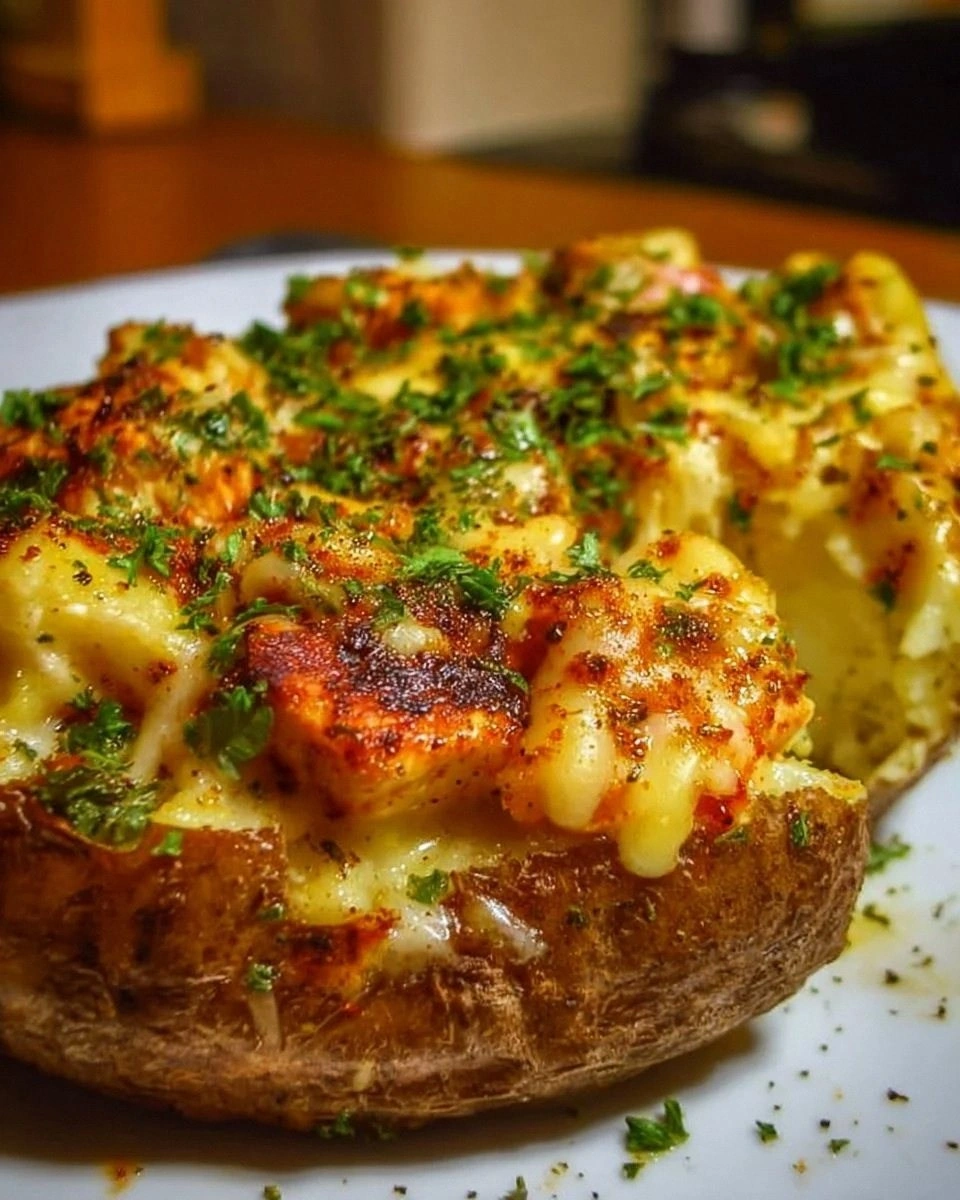
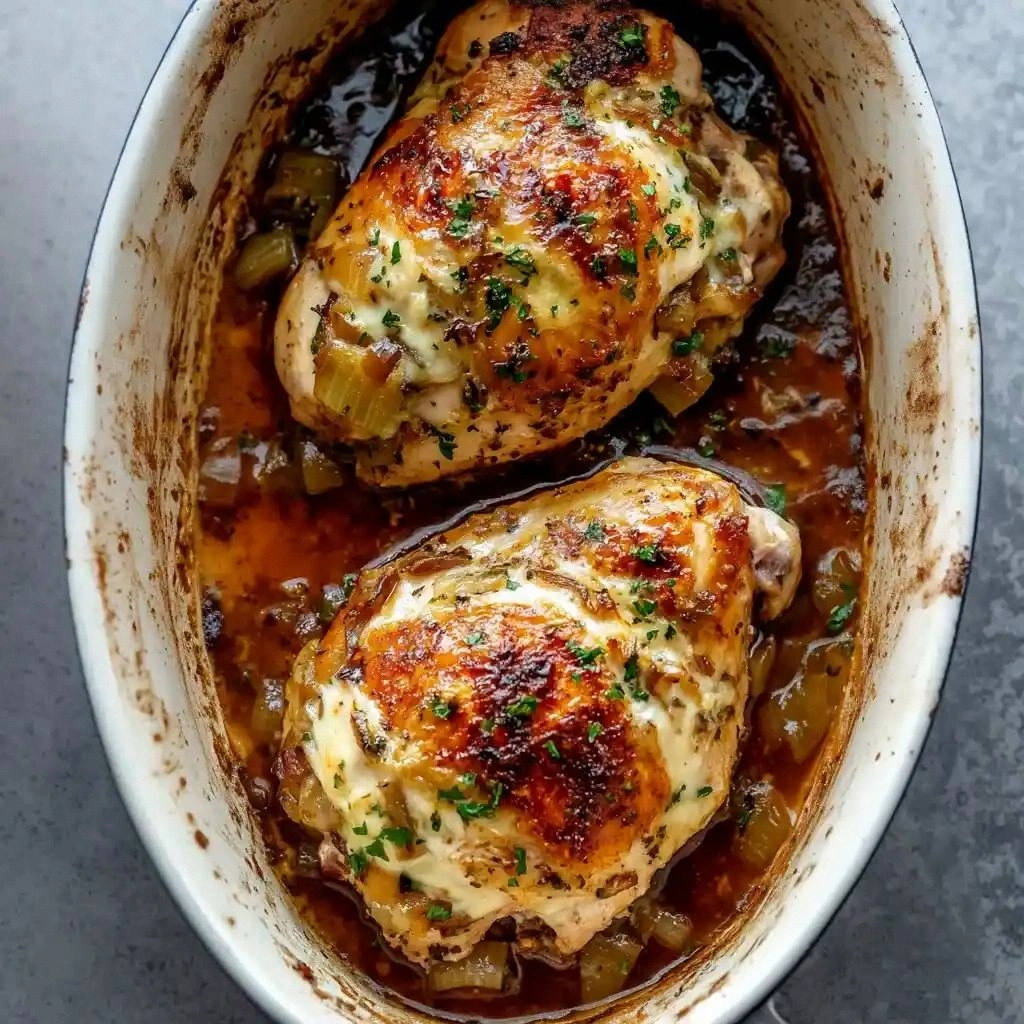
The first thing you notice is the aroma—deep, buttery, with a hint of thyme that wafts from the pan like a promise of comfort. The onions are caramelized to a golden amber, their sweetness balanced by a touch of acidity from the beef broth. The chicken, when it finally hits the skillet, releases a sizzle that sounds like applause. The cheese, a glossy swirl of Gruyère and Parmesan, melts into a velvety coating that clings to every inch of the tender meat. The result is a dish that feels like a warm hug after a long day.
What sets this version apart is the deliberate layering of flavors and textures that turns an ordinary stuffed chicken into an unforgettable entrée. I didn’t just throw onions into the mix; I coaxed them into a caramelized reduction that sings. I added a splash of beef broth to keep the meat moist, a subtle hint of thyme to tie everything together, and a generous amount of cheese that melts into a silky finish. The result? A dish that is hands down the best version you’ll ever make at home. I dare you to taste this and not go back for seconds.
And there’s a twist you won’t expect: a touch of butter and olive oil work in tandem to create a crisp, caramelized crust that’s practically a work of art. The butter adds depth, while the olive oil keeps the heat from burning the onions. This subtle balance is what makes the dish feel like a masterpiece rather than just another dinner. Picture yourself pulling this out of the oven, the whole kitchen smelling incredible, and knowing that every bite will be a revelation.
Let me walk you through every single step—by the end, you’ll wonder how you ever made it any other way.
What Makes This Version Stand Out
- Flavor: The caramelized onions create a sweet, deep base that contrasts beautifully with the savory chicken. The blend of Gruyère and Parmesan adds a creamy, nutty finish that lingers on the palate.
- Texture: The chicken stays moist inside while developing a crisp, golden exterior. The cheese forms a silky coating that melts into a velvety finish.
- Simplicity: With just a handful of ingredients, you can achieve a restaurant‑level dish. No complicated sauces or exotic spices—just quality basics.
- Uniqueness: The addition of thyme and beef broth gives the dish a subtle herbal undertone that elevates the flavor profile beyond the ordinary stuffed chicken.
- Crowd Reaction: Friends and family rave about the gooey cheese and the caramelized onion crunch. The dish is a conversation starter at any dinner table.
- Ingredient Quality: Using fresh, high‑quality onions, real Gruyère, and a good beef broth makes all the difference. The simple ingredients shine when they’re pure.
- Cooking Method: Sautéing, stuffing, and baking in a single pan reduces cleanup and keeps the flavors locked in.
- Make‑Ahead Potential: You can prepare the stuffing ahead of time, then bake when you’re ready. It’s perfect for busy weeknights.
Alright, let’s break down exactly what goes into this masterpiece…
Inside the Ingredient List
The Flavor Base
The onions are the star of this dish. Slice them thin to allow them to cook evenly and release their natural sugars. When they reach a deep amber color, they’ll bring a sweet, buttery flavor that balances the savory chicken. If you skip the onions, you lose the depth that makes this dish feel like a hug. For a richer flavor, use a mix of white and yellow onions; the white adds a subtle sharpness that complements the sweet.
The Texture Crew
The chicken breasts provide the canvas for the stuffing. Pound them to an even thickness so they cook uniformly. A thicker cut will hold the stuffing better, while a thinner cut will be more tender. If you prefer a leaner option, use skin‑less, boneless breasts; they’ll absorb the flavors without adding extra fat.
The Unexpected Star
Gruyère cheese is the secret sauce that brings everything together. Its nutty, slightly salty profile melts into a silky coating that clings to the chicken. If you can’t find Gruyère, Emmental or aged Cheddar will do the trick, but the flavor profile will shift slightly. The Parmesan adds a sharp, savory kick that cuts through the richness.
The Final Flourish
Thyme, beef broth, and a splash of butter finish the dish with herbal brightness and moisture. The thyme’s earthy aroma lifts the dish, while the broth prevents the chicken from drying out during baking. If you’re vegan, swap the beef broth for vegetable stock and use a plant‑based butter alternative.
Everything's prepped? Good. Let's get into the real action…
The Method — Step by Step
- Prep the Chicken: Lay the chicken breasts flat on a cutting board. Using a sharp knife, cut a pocket into each breast, being careful not to cut all the way through. The pocket should be wide enough to hold the onion mixture. I keep the chicken at room temperature for 10 minutes before cooking to ensure even heat distribution.
- Caramelize the Onions: Heat a large skillet over medium heat. Add 2 tablespoons of butter and let it melt, then swirl in 1 tablespoon of olive oil. Add the sliced onions, sprinkle with a pinch of salt, and stir. Cook, stirring occasionally, for 20–25 minutes until they’re a deep golden brown. The sizzle should sound like applause. I stir every 5 minutes to keep them from sticking.
- Deglaze and Simmer: Pour in ¼ cup of beef broth, scraping up any browned bits from the pan. Let the mixture reduce for 5 minutes, allowing the broth to evaporate and the onions to soak up the savory liquid. This step locks in moisture and deepens flavor.
- Prepare the Stuffing: Mix the caramelized onions with 1 cup of shredded Gruyère, ¼ cup of grated Parmesan, and 1 teaspoon of fresh thyme leaves. Season with salt and pepper to taste. The cheese should melt into a creamy mixture that coats the onions. If the mixture feels dry, add a splash of broth.
- Stuff the Chicken: Spoon the onion-cheese mixture into each chicken pocket, packing it firmly but not overstuffing. The stuffing should be visible through the chicken skin. I use a toothpick to secure the edges if needed.
- Brown the Chicken: Add the stuffed chicken to the skillet. Sear for 3–4 minutes on each side until the skin is golden brown. This creates a caramelized crust that adds crunch and flavor. The sizzle will intensify as the chicken cooks.
- Finish Baking: Reduce the heat to 350°F (175°C). Transfer the skillet to the oven and bake for 20–25 minutes, or until the chicken reaches an internal temperature of 165°F (74°C). The cheese should be bubbly and slightly golden. This is the moment of truth.
- Rest and Serve: Let the chicken rest for 5 minutes before slicing. Resting allows the juices to redistribute, keeping the meat moist. Slice the chicken, spoon any remaining sauce over the top, and serve immediately. The cheese coating should melt into a silky finish that coats every bite.
That's it — you did it. But hold on, I've got a few more tricks that'll take this to another level…
Insider Tricks for Flawless Results
The Temperature Rule Nobody Follows
Many cooks swear by high heat to sear the chicken, but the secret is a moderate temperature that allows the cheese to melt without burning. Set your oven to 350°F (175°C) and keep the skillet on the stove for a quick sear. This ensures a golden crust while the interior stays juicy. I once tried 400°F and ended up with a burnt exterior and a dry center.
Why Your Nose Knows Best
Before you open the oven, listen for that subtle aroma of caramelized onions. That scent signals the onions are perfectly browned. If the smell is faint, give them a few more minutes; if it's strong and sweet, they’re ready. Your nose is a reliable indicator of flavor development.
The 5-Minute Rest That Changes Everything
Resting the chicken after baking is not optional. Letting it sit for 5 minutes allows the juices to redistribute, preventing a dry bite. The cheese coating also sets, giving it a smooth, velvety texture. I’ve seen people skip this step and end up with a watery center.
Use a Meat Thermometer
Internal temperature is the ultimate judge of doneness. Insert a thermometer into the thickest part of the chicken; it should read 165°F (74°C). This eliminates guesswork and ensures food safety.
Keep the Skillet Covered
Cover the skillet with foil during the last 10 minutes of baking. This traps moisture, keeps the chicken moist, and helps the cheese melt evenly. When you uncover it, the cheese will become bubbly and slightly golden.
Season at Every Stage
Seasoning is cumulative. Add salt and pepper to the onions, the stuffing, and the chicken itself. The layers of seasoning will build a complex flavor profile that surprises the palate.
Creative Twists and Variations
This recipe is a playground. Here are some of my favorite ways to switch things up:
Smoky Chipotle Version
Replace the thyme with 1 teaspoon of chipotle powder for a smoky kick. Add a splash of chipotle adobo sauce to the onions before caramelizing. This variation is perfect for those who love a bit of heat and depth.
Herb Garden Delight
Swap thyme for a mix of rosemary, oregano, and basil. The fresh herbs add bright, aromatic layers. Use a small amount of lemon zest for a citrusy lift.
Vegan Take‑Away
Use plant‑based chicken substitutes and vegan Gruyère. Replace butter with olive oil and use a non‑dairy milk broth. The result is a plant‑based version that still delivers gooey cheese and caramelized onion bliss.
Breakfast Bonanza
Serve the stuffed chicken over a bed of sautéed spinach and top with a fried egg. The runny yolk adds richness, while the spinach offers a fresh counterpoint.
Cheese‑Only Extravaganza
Omit the onions entirely and create a double‑cheese stuffing with Gruyère and a sharp cheddar. This version is a cheese lover’s dream, with a gooey, melty center.
Spicy Sausage Twist
Add diced Italian sausage to the onion mixture. The sausage adds protein and a savory, slightly spicy flavor that complements the cheese.
Storing and Bringing It Back to Life
Fridge Storage
Cool the chicken completely before refrigerating. Store in an airtight container for up to 3 days. The flavors deepen, making it even more delicious.
Freezer Friendly
Wrap each stuffed chicken individually in foil and place in a freezer bag. Freeze for up to 2 months. Thaw overnight in the refrigerator before reheating.
Best Reheating Method
Reheat in a preheated oven at 300°F (150°C) for 15 minutes. Add a splash of water or broth before reheating to keep the chicken moist. The cheese will melt back to perfection.