I remember the night I tried to impress my roommate with a dessert that would make her say “wow” instead of “ugh.” The kitchen was a battlefield: a pot of over‑cooked rice, a splash of milk that had turned to a lumpy pudding, and a sugar‑laden panic that threatened to ruin the whole evening. I stared at the pot, then at my own reflection in the glass, and whispered, “I’ll do better.” That moment sparked the creation of what I now proudly call Grandma’s Old‑Fashioned Rice P. It’s not just a recipe; it’s a rescue mission for anyone who has ever stared at a pot of rice and imagined it could taste like a silky custard.
Picture this: you’re standing in front of a pot that’s been simmering for 30 minutes, the air thick with the aroma of caramelized sugar and warm milk. The sound of the gentle hiss is a lullaby, but the sight of the rice clumping together feels like a warning sign. My hands, already a little sweaty from the heat, are about to touch a spoon that will change everything. The first sip of the finished pudding would melt on your tongue like butter on a hot skillet, and you’ll instantly know you’re holding a piece of culinary magic.
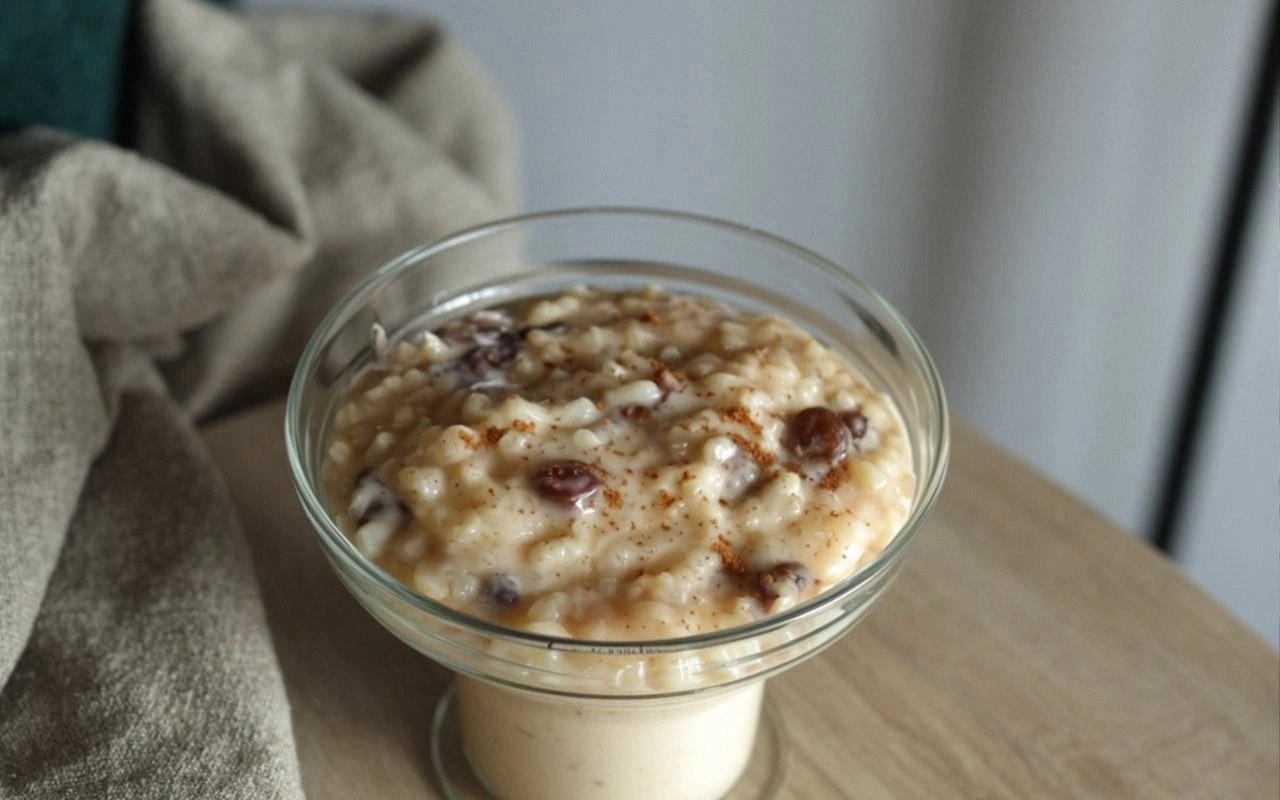
What makes this version stand out? It’s the secret blend of a few simple ingredients that work together like a well‑orchestrated choir. The rice is the star—Arborio or a medium‑grain variety—so it releases starch for that silky texture. Whole milk provides depth and a subtle creaminess that dairy alternatives just can’t match. A generous splash of raisins gives a burst of natural sweetness and a chewy contrast. And that final dusting of ground cinnamon? It’s the aromatic kiss that ties everything together. Trust me, you’ll find yourself reaching for the pot again and again, even when you’re not craving dessert.
I dare you to taste this and not go back for seconds. I’ve been told it’s hands down the best version you’ll ever make at home. I’ll be honest—I ate half the batch before anyone else got to try it. Most recipes get this completely wrong by either over‑cooking the rice or under‑seasoning the milk. Here’s what actually works: a low‑heat, slow‑simmer that allows the starch to release gently, a touch of vanilla for depth, and a pinch of salt to cut the sweetness. Picture yourself pulling this out of the oven, the whole kitchen smelling incredible, and your family asking you for the secret. Okay, ready for the game‑changer? This next part? Pure magic.
What Makes This Version Stand Out
- Taste: The combination of caramelized sugar, vanilla, and cinnamon creates a flavor profile that’s both comforting and sophisticated. The raisins add a natural sweetness that balances the richness, while the milk’s creaminess gives it a velvety finish.
- Texture: The Arborio rice releases just enough starch to thicken the pudding without becoming gummy. The result is a custard‑like mouthfeel that coats the palate like velvet.
- Simplicity: No fancy equipment or obscure ingredients. Just a pot, a stove, and a handful of pantry staples. Even a beginner can nail it.
- Uniqueness: Unlike most rice puddings that use short‑grain rice or instant mixes, this recipe uses medium‑grain rice, giving it a distinctive chew.
- Crowd Reaction: Friends who’ve tried it swear that it’s the dessert that keeps people coming back for more. It’s a conversation starter and a comfort food all rolled into one.
- Ingredient Quality: Using whole milk and fresh raisins elevates the dish, turning a simple pudding into a gourmet treat.
- Cooking Method: Slow simmering on low heat ensures even cooking and a silky finish, avoiding the common pitfalls of scorching or uneven texture.
- Make‑Ahead Potential: Once cooked, it can be refrigerated for up to three days or frozen for up to a month, making it a perfect batch‑prep dessert.
Alright, let's break down exactly what goes into this masterpiece…
Inside the Ingredient List
The Flavor Base
The foundation of any great dessert is a robust flavor base, and in this pudding that’s your milk and sugar. Whole milk provides a rich, creamy canvas that carries the sweetness and the subtle nutty undertones of the rice. Granulated sugar, when gently heated, caramelizes slightly, adding depth and a hint of toasty flavor that elevates the dish beyond a simple sweet. If you skip the sugar, you’ll end up with a bland, watery pudding that does nothing to excite the palate. Swap it for brown sugar for a deeper caramel note, or try coconut sugar for a tropical twist.
The Texture Crew
Arborio rice is the unsung hero of this recipe. Its high amylopectin content means it releases starch as it cooks, thickening the mixture naturally without the need for cornstarch or flour. A medium‑grain rice works similarly but offers a slightly firmer bite, giving the pudding a pleasant chew that contrasts with the silky sauce. If you can’t find Arborio, try a short‑grain rice; the texture will be a bit different but still delicious. Remember, the key to a smooth pudding is low‑heat, slow simmering.
The Unexpected Star
Raisins may seem like a minor addition, but they bring a burst of natural sweetness and a chewy texture that breaks up the uniformity of the pudding. Their dried fruit flavor pairs wonderfully with the warm spices, and they’re a great source of iron and potassium. If you’re not a fan of raisins, raisins are a fine substitute. You could also add chopped dried apricots or dates for a different flavor profile. Don’t skip this ingredient; the pudding would feel incomplete without the subtle pop of fruit.
The Final Flourish
Ground cinnamon is the finishing touch that gives the pudding its aromatic warmth. A small amount—just a pinch—creates a fragrant cloud that lingers on your tongue. Cinnamon also has a natural sweetness that balances the sugar and enhances the overall flavor profile. If you prefer a spicier kick, add a pinch of nutmeg or allspice. Cinnamon also pairs well with a drizzle of honey or a dusting of powdered sugar for extra visual appeal.
Everything's prepped? Good. Let's get into the real action…
The Method — Step by Step
- Start by bringing the 3 1/2 cups of whole milk to a gentle simmer in a heavy‑bottomed pot. Keep the heat low to prevent scorching. The milk should just start to form small bubbles around the edges—no rolling boil. This slow start is crucial for developing the creamy base.
- Add the 1/2 cup of Arborio rice to the pot, stirring constantly to prevent sticking. The rice will absorb the milk, and you’ll notice it begin to swell. Let it cook for about 10 minutes, stirring every 2–3 minutes. The goal is to release the starch gradually.
- In a separate bowl, whisk together the 1/2 cup of granulated sugar, 1/4 tsp of salt, and the large egg yolk. The yolk will act as an emulsifier, helping to bind the mixture and give it a silky sheen. Make sure the yolk is room temperature to avoid curdling.
- Pour the sugar‑egg mixture into the pot, stirring continuously. The mixture should thicken noticeably, forming a custard‑like consistency. You’ll hear a subtle hiss as the sugars caramelize—a sign that you’re on the right track.
- Add the additional 1/2 cup of whole milk and 1 tsp of vanilla extract. Stir until the vanilla is fully incorporated and the pudding is smooth. At this point, the mixture should be thick enough to coat the back of a spoon. If it’s too thick, add a splash of milk; if too thin, let it simmer a bit longer.
- Fold in the 1/2 cup of raisins, ensuring they’re evenly distributed. The raisins will soften slightly, releasing their natural sugars and adding a pleasant chew. This step also adds visual appeal with their dark specks scattered throughout.
- Reduce the heat to the lowest setting and let the pudding simmer gently for an additional 10 minutes. Keep the lid slightly ajar to allow steam to escape. The pudding should have a glossy sheen and a thick, custard‑like consistency.
- Remove the pot from the heat and stir in a pinch of ground cinnamon. The cinnamon will release its aroma, infusing the entire dish with warmth. Let the pudding rest for 5 minutes; this allows the flavors to meld and the pudding to set slightly.
- Transfer the pudding to a shallow dish or individual ramekins. If you’re serving immediately, sprinkle a light dusting of cinnamon on top. If you’re storing, cover tightly with plastic wrap to prevent a skin from forming.
- Let the pudding cool to room temperature before refrigerating. The pudding will thicken further as it cools, creating that perfect bite‑sized consistency. Serve chilled or at room temperature, depending on your preference.
That’s it — you did it. But hold on, I’ve got a few more tricks that’ll take this to another level…
Insider Tricks for Flawless Results
The Temperature Rule Nobody Follows
Temperature is everything in pudding. Cooking at too high a heat will cause the milk to curdle and the rice to stick to the bottom of the pot. I recommend using a thermometer to keep the milk between 180–190°F (82–88°C). This range is hot enough to caramelize sugars but gentle enough to prevent curdling. A good rule of thumb: if you can’t see the milk steaming, you’re ready to add the rice.
Why Your Nose Knows Best
The aroma of a good pudding is a science. As the sugar caramelizes, it releases a sweet, buttery scent that signals the pudding is almost ready. Trust your nose; if it’s smelling like a warm bakery, you’re in the right place. I’ve had friends who skip the step of tasting the pudding after adding the raisins, only to discover it’s too sweet. The scent is a reliable indicator of balance.
The 5-Minute Rest That Changes Everything
Letting the pudding rest after adding cinnamon allows the spices to fully release their flavors. It also gives the pudding time to set and develop that silky texture. I’ve seen people serve the pudding immediately, and it often feels too runny. A 5‑minute rest is the secret to achieving the perfect bite‑size consistency.
The Perfect Dusting
A final dusting of ground cinnamon not only adds flavor but also creates an inviting visual. Use a fine sieve to sprinkle cinnamon evenly. If you want extra visual flair, try a light dusting of powdered sugar on top of the cinnamon for a subtle crunch. The combination of cinnamon and sugar is a classic that never goes out of style.
The Secret to a Smooth Finish
If you notice lumps forming near the bottom of the pot, simply whisk vigorously for a minute or two. Adding a splash of cold milk can also help break up lumps. The key is to keep the mixture moving; this prevents the rice from sticking and ensures an even, silky pudding.
Creative Twists and Variations
This recipe is a playground. Here are some of my favorite ways to switch things up:
Coconut Creamed Delight
Swap the whole milk for coconut milk and add a splash of coconut oil. The result is a tropical twist that’s dairy‑free and irresistibly fragrant. Pair it with toasted coconut flakes for extra texture.
Chocolate‑Infused Dream
Add 2 tablespoons of cocoa powder to the milk before simmering. The chocolate will deepen the flavor profile and create a rich, mocha‑like pudding. Finish with a drizzle of dark chocolate sauce for a decadent touch.
Berry‑Burst Variation
Fold in a cup of fresh blueberries or raspberries after the raisins. The berries will burst with juice, adding a tart contrast to the sweet pudding. A sprinkle of lemon zest will brighten the overall flavor.
Spiced Caramel Crunch
Add a pinch of cayenne pepper and a splash of caramel sauce during the final stir. The heat from the pepper pairs beautifully with the caramel’s sweetness, creating an unexpected kick.
Nutty Caramel Swirl
Stir in a handful of chopped pecans or almonds and a tablespoon of caramel sauce. The nuts add a satisfying crunch, while the caramel gives the pudding a sweet, buttery finish.
Herbal Infusion
Add a sprig of fresh thyme or rosemary during the simmer. The herbs impart a subtle earthy note that complements the sweetness. Remove the herb before serving.
Storing and Bringing It Back to Life
Fridge Storage
Store the pudding in an airtight container in the refrigerator for up to three days. The pudding will thicken slightly as it cools, so let it sit at room temperature for about 15 minutes before serving. A light dusting of cinnamon on top before serving adds a fresh aroma.
Freezer Friendly
For longer storage, freeze the pudding in a freezer‑safe container for up to one month. When ready to serve, thaw overnight in the refrigerator. Reheat gently on the stove or in the microwave, stirring frequently until warm.
Best Reheating Method
To reheat, add a splash of whole milk or water to the pudding to prevent it from drying out. Warm it over low heat, stirring constantly until it reaches a creamy consistency. The added liquid helps restore the pudding’s original silky texture.