When I first tried making a one‑pot pasta, I thought the idea was a clever shortcut. Instead, I ended up with a soggy, flavor‑deficient mess that made me question every cooking decision I had ever made. That disaster sparked a mission: to craft a creamy, beef‑laden pasta that melts in your mouth and turns a simple weeknight into a gourmet experience. I’ve spent the last month refining the technique, tweaking the ratios, and testing it against every other recipe I’ve seen. The result? A dish that sings with sauce, beef, and cheese, all in a single pot.
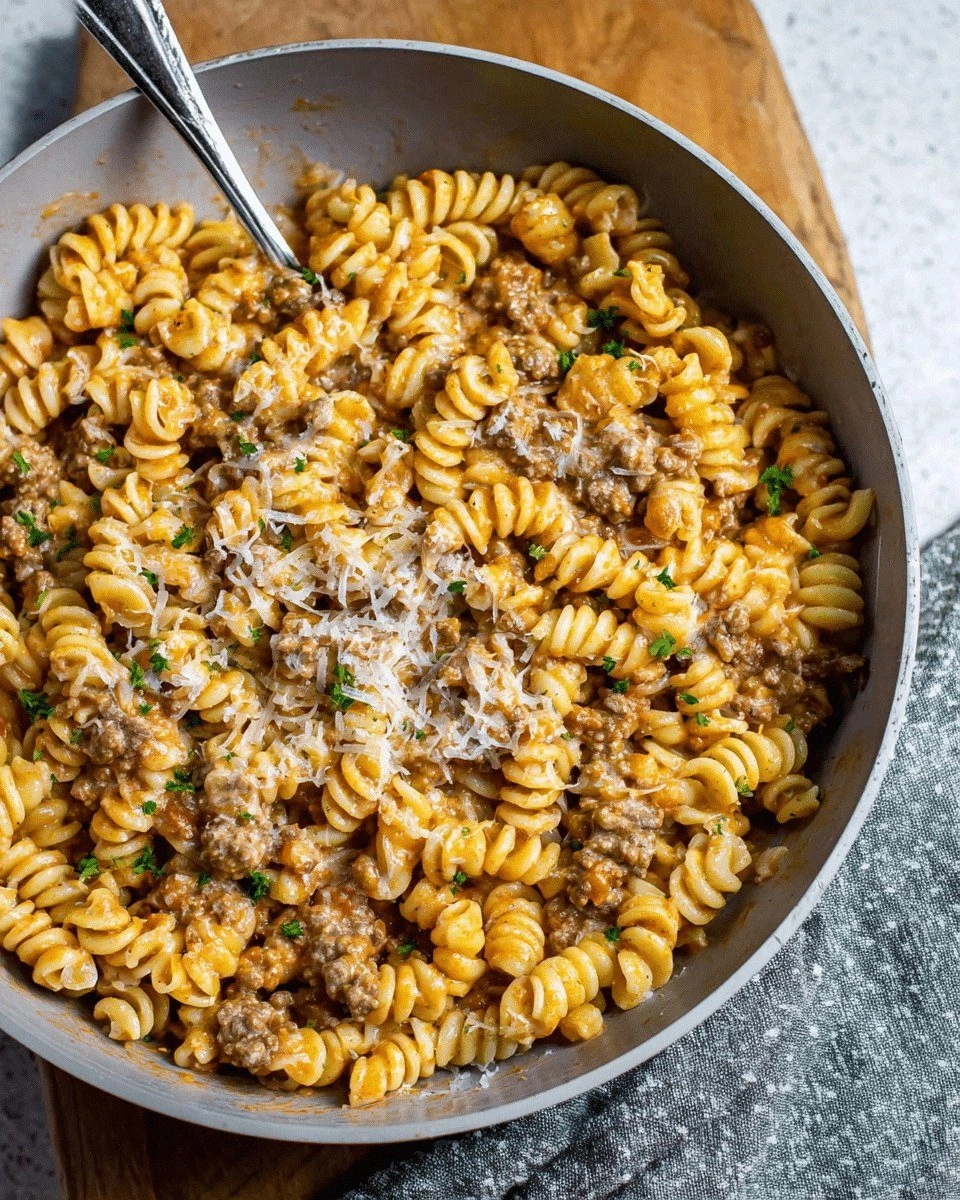
Picture this: the sizzling sound of onions dancing in olive oil, the aroma of garlic blooming, and the rich scent of browned beef mingling with tomatoes and herbs. The sauce thickens, turning a humble pot into a velvet‑coated cauldron of flavor. The noodles absorb the creamy mixture, each strand coated in a silky, cheesy blanket that clings without clumping. The final touch is a sprinkle of fresh parsley that brightens the dish with a pop of green and a hint of citrus. I dare you to taste this and not go back for seconds.
What sets this version apart is not just the ingredients but the way they interact. The beef stays juicy because I brown it first, creating a Maillard crust that locks in moisture. I use heavy cream instead of milk for a richer body, and I add the cheese in stages to achieve a layered melt. The sauce’s acidity from crushed tomatoes balances the richness, while the dried herbs give it an aromatic lift. The pasta is cooked in the sauce itself, so every bite is saturated with flavor. It’s hands down the best one‑pot pasta you’ll ever make at home.
Most recipes get this completely wrong, either by overcooking the pasta or using too much liquid. I’ve discovered the secret: let the pasta simmer on low, not high, and stir occasionally to prevent sticking. I also add a splash of broth at the end to keep the sauce silky. The result is a dish that feels like it was pulled straight from a high‑end restaurant, yet it’s ready in under an hour. And the best part? It’s so simple that even a novice can pull it off without feeling like a culinary disaster.
If you’ve ever struggled to get a creamy sauce that doesn’t separate or a one‑pot meal that feels like a compromise, you’re not alone. I’ve got the fix, and it involves a few clever hacks that will transform your cooking routine. Stay with me here—this is worth it. I promise you’ll wonder how you ever made it any other way.
What Makes This Version Stand Out
- Taste: The sauce coats the pasta like velvet, with a savory beef base that’s enhanced by a splash of tomato acidity and fresh herbs. The combination of mozzarella and Parmesan creates a layered melt that feels indulgent without being greasy. The finished dish balances richness and brightness, making every bite a revelation.
- Texture: The pasta is al dente, with a slight bite that contrasts the creamy sauce. The beef stays tender, thanks to a careful browning step that locks in moisture. The cheese melts into a silky coating that clings to each strand without separating.
- Simplicity: All the cooking happens in one pot, so cleanup is a breeze. No separate sauce or pasta bowl—just one pan that does it all. This makes it ideal for busy weeknights or for those who love a minimal‑effort meal.
- Uniqueness: The use of heavy cream and a two‑cheese blend gives the dish a depth that most one‑pot pastas lack. Adding a splash of broth at the end keeps the sauce silky and prevents it from drying out.
- Crowd Reaction: Friends and family rave about how the sauce feels like a hug. Even picky eaters love the familiar flavors of beef and cheese, but the dish is sophisticated enough to impress a dinner guest.
- Ingredient Quality: Using high‑quality ground beef, fresh herbs, and real cheeses elevates the dish. The recipe thrives on the quality of its components, so don’t skimp on the basics.
- Cooking Method: The one‑pot technique ensures that every flavor is absorbed. The slow simmer allows the sauce to thicken and the pasta to absorb the richness.
- Make‑Ahead Potential: The dish can be made in bulk and reheated without losing its creamy texture. It’s perfect for meal prep or for a crowd‑sized dinner.
Inside the Ingredient List
The Flavor Base
Ground beef is the heart of this dish, providing a savory, meaty foundation that anchors every other flavor. I recommend using a mix of lean and fattier cuts (about 80/20) for a balance of tenderness and richness. Skipping the beef would turn this into a plain pasta; the beef is what makes this dish a comfort‑food staple. If you prefer a lighter version, swap half the beef for ground turkey or chicken, but keep the fat content to retain moisture.
The Texture Crew
Pasta is the vehicle that carries the sauce. I choose penne for its ridges that hold the creamy mixture, but any short pasta works. Cooking the pasta directly in the sauce allows it to absorb the liquid, resulting in a more cohesive dish. If you’re watching carbs, try spiralized zucchini or shirataki noodles for a low‑calorie alternative.
The Unexpected Star
Heavy cream transforms a simple tomato sauce into a luxurious, silky coating. It adds body and balances the acidity of the tomatoes. If dairy is a concern, a splash of coconut milk or a dairy‑free cream substitute can work, though the flavor profile will shift slightly. The key is to use enough cream to coat the pasta without making it too thick.
The Final Flourish
Cheese is the crowning glory that ties everything together. I use shredded mozzarella for its meltability and grated Parmesan for depth and umami. Adding the cheeses in stages—first the mozzarella, then the Parmesan—creates a layered melt that feels indulgent. A pinch of freshly cracked pepper or a dash of chili flakes adds a subtle kick that brightens the dish.
Everything's prepped? Good. Let's get into the real action.
The Method — Step by Step
- Heat the olive oil in a large, heavy‑bottom pot over medium heat. Add the diced onion and sauté until translucent and slightly caramelized, about 3–4 minutes. The aroma of the onions will fill the kitchen and signal that the base is ready.
- Add the minced garlic and cook for 30 seconds until fragrant. Be careful not to burn it, or the garlic will taste bitter and ruin the sauce’s balance.
- Increase the heat to medium‑high and add the ground beef. Break it apart with a wooden spoon and cook until it’s browned and no longer pink, about 5–7 minutes. Drain any excess fat if you’re aiming for a leaner dish.
- Stir in the crushed tomatoes, oregano, basil, salt, pepper, and chicken broth. Bring the mixture to a gentle simmer and let the flavors meld for 5 minutes. The sauce should develop a rich, tomatoey aroma.
- Add the pasta and pour in the heavy cream, stirring to coat each strand. Reduce the heat to low, cover the pot, and simmer for 10–12 minutes, or until the pasta is al dente and the sauce has thickened. Stir occasionally to prevent sticking.
- Sprinkle the shredded mozzarella and grated Parmesan over the top. Stir until the cheeses melt into a silky, cohesive sauce. The mozzarella will give a gooey stretch, while the Parmesan adds depth.
- Remove the pot from the heat and let the dish rest for 5 minutes. This allows the flavors to settle and the sauce to thicken further. Stir in fresh parsley for a burst of color and brightness.
- Serve hot, garnished with extra cheese or herbs if desired. The dish is best enjoyed immediately, but it also holds up well for meal prep or leftovers.
That’s it — you did it. But hold on, I’ve got a few more tricks that will take this to another level. The next section will reveal insider tips that can turn an already great dish into an unforgettable experience.
Insider Tricks for Flawless Results
The Temperature Rule Nobody Follows
Keep the pot on a low simmer throughout the cooking process. High heat can cause the pasta to overcook and the sauce to evaporate too quickly, leaving a dry, uneven texture. Low heat allows the pasta to absorb the sauce gently and the flavors to meld smoothly.
Why Your Nose Knows Best
Smell the sauce as it simmers. A rich, tomato‑y scent that’s slightly sweet and herbal indicates that the tomatoes have cooked down properly. If the aroma is too sharp, give it a few more minutes to soften.
The 5-Minute Rest That Changes Everything
After removing the pot from the heat, let the dish sit covered for five minutes. This brief pause lets the pasta finish cooking in its own steam and the sauce thicken without over‑simmering. It also allows the cheeses to settle into a smooth coating.
How to Avoid a Sticky Mess
Stir the pasta occasionally, especially in the first few minutes of simmering. If the sauce begins to cling to the bottom, splash in a little broth or cream to loosen it. This keeps the dish from sticking and ensures every bite is coated.
The Cheese Balance Trick
Add the mozzarella first, then the Parmesan. The mozzarella melts quickly and creates a gooey layer, while the Parmesan adds a nutty depth that doesn’t melt away. This two‑step addition gives the dish a layered melt that feels indulgent.
Quick Fix for Overcooked Pasta
If the pasta ends up overcooked, toss it with a splash of milk or broth to revive its texture. The liquid will rehydrate the strands, making them plump again without losing flavor.
Creative Twists and Variations
Meatless Marvel
Replace the ground beef with lentils or crumbled tofu for a vegetarian version. The lentils provide a hearty texture, while the tofu absorbs the sauce’s richness. This variation keeps the dish comforting while catering to plant‑based diets.
Spicy Kick
Add a pinch of red pepper flakes or diced jalapeño during the browning step. The heat will cut through the creaminess and add a lively contrast. This is perfect for those who love a little heat in their comfort food.
Mediterranean Twist
Swap the crushed tomatoes for sun‑dried tomato paste and add chopped olives and capers. The briny notes pair beautifully with the cheese and beef. Finish with a drizzle of olive oil for an extra layer of flavor.
Cheesy Explosion
Introduce cheddar or gouda for a sharper, more complex melt. The cheddar adds a smoky edge, while gouda provides a buttery richness. Mixing cheeses creates a multi‑dimensional sauce that feels indulgent.
Gluten‑Free Option
Use gluten‑free pasta like rice or corn‑based varieties. The cooking time remains similar, but the texture will be slightly different. Pair it with a gluten‑free ground beef to keep the dish cohesive.
Breakfast Bowl
Swap the pasta for scrambled eggs and toss everything together for a savory breakfast bowl. The creamy sauce coats the eggs, while the beef adds protein. Sprinkle with fresh chives and a dash of hot sauce for a morning kick. This variation turns the dish into a hearty, protein‑packed start to your day.
Storing and Bringing It Back to Life
Fridge Storage
Transfer the dish to an airtight container and refrigerate for up to three days. The sauce may thicken slightly, so add a splash of milk or broth when reheating to restore its silky texture.
Freezer Friendly
Freeze portions in freezer‑safe containers for up to two months. When you’re ready to eat, thaw overnight in the fridge and reheat on the stovetop with a splash of broth.
Best Reheating Method
Reheat in a skillet over medium heat, stirring frequently and adding a little water or broth to keep the sauce from drying out. Warm until the dish reaches an internal temperature of 165°F. This method preserves the creamy texture and prevents the pasta from becoming mushy.