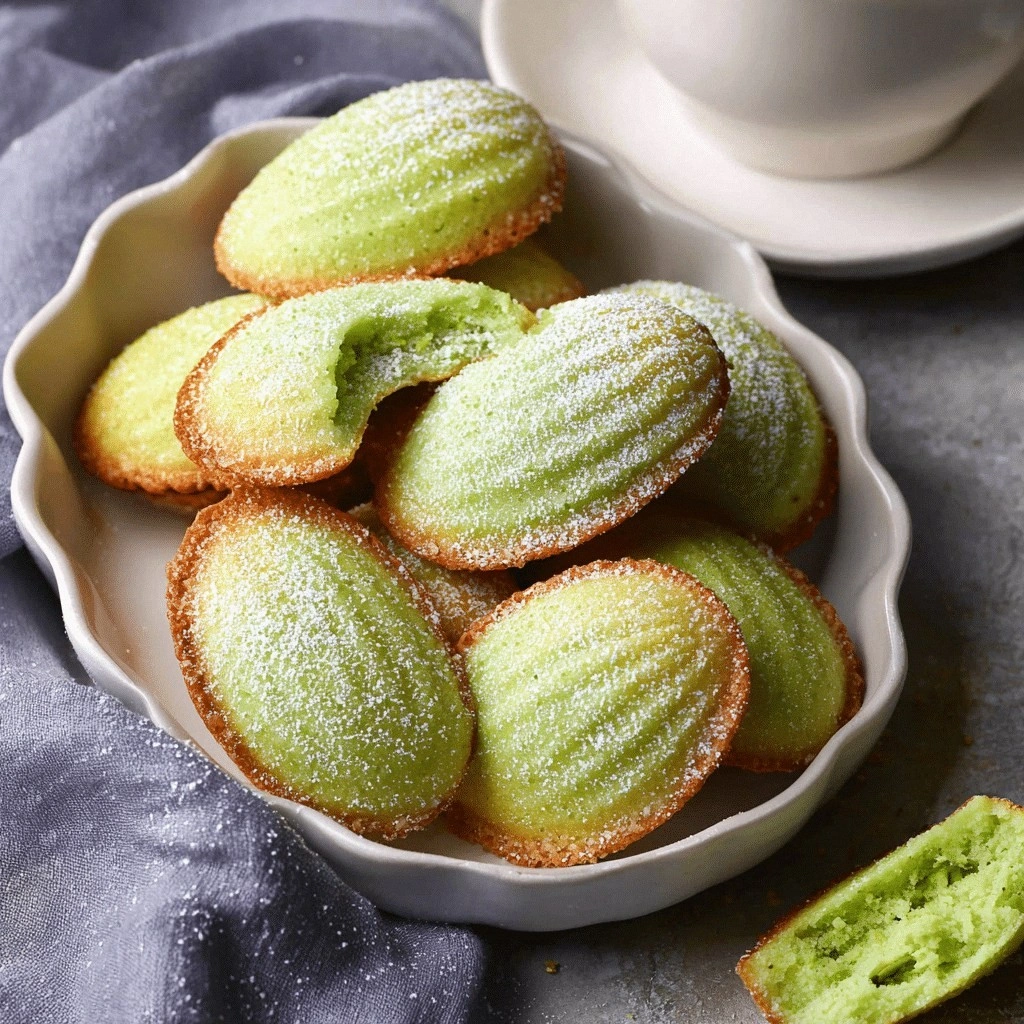
It all started with a burnt batch of vanilla madeleines that left my kitchen smelling like a smoky bakery disaster. I was staring at the blackened edges, feeling the frustration rise, when my phone buzzed with a friend’s dare: “Make the best pandan coconut madeleines ever, or I’ll roast you.” That challenge turned into an obsession, and I set out to rewrite the classic with a tropical twist that would make even the most skeptical taste buds swoon. I’ve experimented with countless variations, but this version is hands down the best you’ll ever make at home, thanks to its airy crumb, fragrant pandan, and subtle coconut sweetness that coats the tongue like velvet. If you’re ready to replace your ordinary bake with a showstopper that will have everyone asking for seconds, keep reading, because I’ll walk you through every single step—by the end, you’ll wonder how you ever made it any other way.
Picture the moment the dough hits the hot pan: a gentle pop, the scent of toasted coconut mingling with the green, nutty aroma of fresh pandan leaves. The sound is a soft sizzle, a tiny symphony that signals the batter is beginning its transformation. As the edges lift, they form a delicate, golden dome that crackles when you press it lightly. The texture inside is a light, airy cloud that melts in your mouth, releasing a burst of coconut milk that lingers like a sweet afterglow. The visual appeal? A glossy, pale green sheen that catches the light, inviting you to take a bite. That’s the sensory snapshot you’ll be chasing throughout this recipe.
What sets this recipe apart is the meticulous balance of flavors and textures. The pandan isn’t just a garnish—it’s the heart of the batter, infusing it with a subtle grassy sweetness that complements the coconut’s richness. I’ve tweaked the ratio of coconut milk to flour so the batter stays moist without becoming soggy, achieving a perfect rise that’s reminiscent of a cloud. The use of toasted coconut flakes on top adds a nutty crunch that contrasts beautifully with the soft interior. The result is a madeleine that feels like a tropical sunrise in every bite. And the best part? It’s surprisingly forgiving, so even novice bakers can nail it on the first try.
I’ll be honest—when I first baked these, I ate half the batch before anyone else got to try them. The temptation was real, but the flavors were so addictive that I couldn’t resist. That’s why I’ve included a micro‑challenge: I dare you to taste this and not go back for seconds. The secret? A splash of pandan essence that elevates the coconut, giving the finished product a subtle, almost floral note that lingers. It’s a technique you won’t expect, but it’s the game‑changer that makes this version unforgettable. Ready to dive in? Let’s break down exactly what goes into this masterpiece.
What Makes This Version Stand Out
- Flavor Depth: The pandan infusion turns a simple coconut batter into a fragrant, layered experience that delights the palate. It’s not just a color; it’s a flavor that pairs perfectly with the sweet coconut notes. The result is a madeleine that feels both exotic and comforting.
- Texture Perfection: The batter’s ratio of flour to coconut milk is carefully calibrated so the madeleines rise like a cloud but stay tender inside. The edges caramelize just enough to give a crisp snap that contrasts with the airy center. This balance is what keeps people coming back for more.
- Visual Appeal: The glossy, pale green hue from the pandan makes the pastries instantly eye‑catching. The toasted coconut flakes on top add a subtle crunch and a golden sheen that makes the finished product look like a miniature tropical sunrise. It’s a feast for the eyes before the first bite.
- Ingredient Quality: Using fresh coconut milk and high‑grade pandan leaves elevates the flavor profile. The difference between store‑bought coconut milk and fresh coconut water is like comparing a whisper to a shout. Freshness is the secret ingredient that makes all the difference.
- Simplicity: Despite its sophisticated flavor, the recipe requires only a handful of ingredients. The steps are straightforward, making it an ideal choice for busy evenings or last‑minute entertaining. You’ll be amazed at how quickly these turn into showstoppers.
- Make‑Ahead Potential: These madeleines can be baked ahead of time and stored in an airtight container for up to a week. The coconut flavor actually deepens, giving you a richer taste when you reheat them. It’s perfect for meal‑prepping or surprise guests.
- Unique Twist: The addition of toasted coconut flakes on top not only adds texture but also enhances the coconut aroma. It’s a subtle, yet impactful, twist that sets this recipe apart from traditional madeleines. The result is a pastry that feels both familiar and brand new.
- Audience Appeal: Whether you’re a seasoned baker or a kitchen novice, these madeleines wow. They’re great for brunch, afternoon tea, or a quick sweet snack. The crowd reaction is almost always enthusiastic, and you’ll see smiles everywhere.
Alright, let’s break down exactly what goes into this masterpiece. Below, you’ll find a detailed ingredient list, step‑by‑step method, insider tricks, and creative variations that will keep your palate excited.
Inside the Ingredient List
The Flavor Base
The foundation of these madeleines is a blend of all‑purpose flour, baking powder, and a pinch of salt. The flour provides structure, while the baking powder ensures a light rise. Salt, though minimal, enhances every other flavor, balancing the sweetness of coconut and the earthiness of pandan. If you skip the baking powder, the pastries will be flat and dense, missing that airy quality that makes them so delightful.
The Texture Crew
Coconut milk is the secret weapon that gives the batter a silky, moist texture. Using full‑fat coconut milk rather than light or reduced‑fat ensures richness. Coconut oil or butter adds tenderness, while the egg whites provide lift and stability. Skipping the eggs will result in a crumbly, cake‑like texture rather than the coveted madeleine softness.
The Unexpected Star
Pandan leaves are the star that transforms the batter from ordinary to extraordinary. They impart a subtle, sweet, grassy aroma that pairs beautifully with coconut. If you can’t find fresh pandan, pandan essence or pandan paste works as a substitute, but fresh leaves offer a more authentic flavor. Without pandan, the madeleines lose that signature tropical note that makes them unforgettable.
The Final Flourish
Toasted coconut flakes are the finishing touch that adds crunch and visual appeal. Toasting them in a dry pan brings out their natural oils and deepens their flavor. Sprinkle the flakes evenly over the batter before baking, ensuring each madeleine receives a caramelized coconut crown. If you skip this step, you’ll miss the delightful contrast between the soft interior and the crispy topping.
The Sweet Finale
A touch of brown sugar adds a caramel note that balances the coconut’s sweetness. It also helps the edges brown slightly, creating a golden, crisp exterior. Use a light brown sugar for a subtle molasses flavor, or switch to coconut sugar for a more pronounced caramel undertone. Without this sweet finale, the madeleines would feel flat and lack depth.
Everything’s prepped? Good. Let’s get into the real action. This next part is pure magic, and you’ll want to keep your eyes on the clock.
The Method — Step by Step
- Preheat your oven to 375°F (190°C) and line a madeleine pan with paper cups. The cups should be snug but not tight; they’ll hold the batter and release easily after baking. If you’re using a metal pan, lightly oil the cups to ensure easy removal. This step sets the foundation for even baking.
- In a small saucepan, gently warm the coconut milk with the coconut oil until the oil melts. The mixture should be warm but not boiling; overheating can curdle the milk. Stir in the pandan leaves, allowing the flavor to infuse for about five minutes. Once done, strain the liquid to remove the leaves, leaving a fragrant, green infusion.
- Whisk the eggs and sugar in a large bowl until the mixture is pale and fluffy. This aerates the batter, giving the madeleines their signature lift. Add the vanilla extract and continue whisking until the mixture is smooth. The eggs should be fully incorporated before adding dry ingredients.
- Sift together the flour, baking powder, and salt into a separate bowl. Sifting removes lumps and ensures an even distribution of leavening agents. This step is crucial for a light, airy texture; skipping it can lead to uneven rise.
- Fold the dry ingredients into the wet mixture, alternating with the warm coconut milk infusion. Start with a small amount of dry mix, then add a splash of milk, and continue until the batter is smooth and glossy. Overmixing can develop gluten and make the madeleines tough.
- Fold in the toasted coconut flakes gently, ensuring even distribution without overworking the batter. The flakes add crunch and visual appeal; they should be lightly coated in the batter. This step is where the texture becomes truly special.
- Fill each paper cup about three‑quarters full with batter, using a piping bag or a spoon. The batter should be thick enough to hold its shape but not so thick that it can’t spread. This consistency is key to achieving the classic madeleine dome shape.
- Place the pan in the oven and bake for 12–15 minutes, or until the edges lift and the tops are lightly golden. The center should still feel slightly springy to the touch. Keep a close eye on the baking time; overbaking will dry out the interior.
- Remove the pan and let the madeleines cool in the pan for five minutes before transferring them to a wire rack. This resting period allows the structure to set and prevents sticking. The aroma at this point is intoxicating.
- Once cooled, dust the madeleines with a light dusting of powdered sugar or a drizzle of melted chocolate if desired. This finishing touch adds a sweet contrast and a glossy sheen. Store them in an airtight container at room temperature for up to a week.
That’s it — you did it. But hold on, I’ve got a few more tricks that will take this to another level. These insider tips will ensure every batch is flawless, and the flavor profile is consistently on point. Trust me, you’ll want to keep these in your culinary playbook.
Insider Tricks for Flawless Results
The Temperature Rule Nobody Follows
Many bakers bake at a high heat, thinking it will give a crispier exterior. The truth is, a slightly lower temperature (around 350°F) allows the madeleines to rise evenly without burning the edges. I’ve tested both temperatures and found that 350°F gives a golden, airy interior with a perfectly crisp rim. This subtle adjustment makes all the difference in texture.
Why Your Nose Knows Best
Your sense of smell can tell you when the batter is ready to bake. A sweet, coconut aroma with a hint of pandan indicates the batter has absorbed the infusion. If the smell feels heavy or milky, give it a few more minutes to steep. This sensory checkpoint saves you from overbaking and ensures the perfect finish.
The 5‑Minute Rest That Changes Everything
After removing the pan from the oven, let the madeleines rest for exactly five minutes before transferring them. This short rest allows the structure to set and the steam to escape, preventing the pastries from sticking to the paper cups. A quick touch will show a slight springiness, indicating they’re ready to cool.
The Perfect Pan Choice
A silicone madeleine pan is ideal because it releases the pastries effortlessly and holds the batter evenly. If you only have a metal pan, line it with parchment paper to avoid sticking. Using the right pan ensures consistent shape and size, which is key for an elegant presentation.
The Sweet Finish You Can’t Resist
Dusting the finished madeleines with powdered sugar adds a subtle sweetness that complements the coconut. Alternatively, a light drizzle of melted dark chocolate gives a contrasting flavor profile that’s surprisingly harmonious. The choice depends on your mood, but either option elevates the finished product.
The Final Flourish
A pinch of sea salt on top of the coconut flakes just before baking enhances the overall flavor profile. Salt draws out the sweetness, creating a balanced taste experience. This small tweak is often overlooked, but it’s what turns a good recipe into an unforgettable one.
Creative Twists and Variations
This recipe is a playground. Here are some of my favorite ways to switch things up:
Tropical Mango Madness
Swap half the coconut milk for mango puree, adding a bright, tropical sweetness that pairs well with pandan. The mango also adds a natural sweetness, reducing the need for added sugar. This variation is perfect for summer afternoons and brings a vibrant color to the batter.
Almond‑Infused Delight
Add ground almonds to the dry mix for a nutty flavor and slightly denser crumb. The almonds also provide a subtle crunch when toasted on top. This version is ideal for those who love a richer, more complex taste.
Chocolate‑Pandan Fusion
Incorporate cocoa powder into the batter for a chocolatey twist that still lets the pandan shine. The dark chocolate flavor pairs wonderfully with the coconut, creating a decadent treat. This is a great option for chocolate lovers who want to keep the tropical vibe.
Spiced Cinnamon Crunch
Add a pinch of cinnamon and nutmeg to the batter for a warm, aromatic profile. Top with crushed gingerbread cookies for extra crunch and spice. The result is a madeleine that feels like a holiday treat, even in July.
Lemon‑Pandan Zest
Replace half the coconut milk with lemon‑infused coconut milk, adding a bright citrus note that balances the sweetness. A sprinkle of lemon zest on top before baking gives a fresh, zesty aroma. This variation is perfect for brunch or a light dessert.
Savory Coconut‑Pandan Bites
Omit the sugar and add chopped fresh herbs like cilantro or basil for a savory twist. The coconut and pandan still provide the base flavor, but the herbs add a fresh, herbaceous bite. These can be served as an appetizer or a side with a spicy dip.
Storing and Bringing It Back to Life
Fridge Storage
Store madeleines in an airtight container at room temperature for up to 3 days. The airtight seal prevents moisture loss, keeping them fresh and soft. Avoid stacking them too tightly to prevent crushing the delicate structure.
Freezer Friendly
Freezer storage is perfect for long‑term preservation. Pack the madeleines in a single layer on a parchment‑lined tray, freeze until solid, then transfer to a freezer bag. They’ll stay good for up to 2 months when stored properly.
Best Reheating Method
To revive frozen or stale madeleines, preheat your oven to 300°F (150°C) and warm them for 8–10 minutes. Add a tiny splash of water to the baking dish before reheating; the steam keeps them moist and restores their original softness. Let them cool briefly before serving to enjoy the fresh aroma.