I still remember that humid Saturday afternoon when the kitchen was a battlefield of sticky peach pulp and a shattered blender. I had promised a friend I’d bring her a dessert that would make her taste buds do the salsa, and the last thing I wanted was a soggy, over‑sweet mousse that sat in a bowl like a guilty secret. That night, I stared at the fresh peaches on my counter, their skins glistening like tiny suns, and decided that the only way forward was to turn the ordinary into the extraordinary. The result? A peach mousse trifle that feels like a summer breeze in a glass, with layers so airy they practically float.
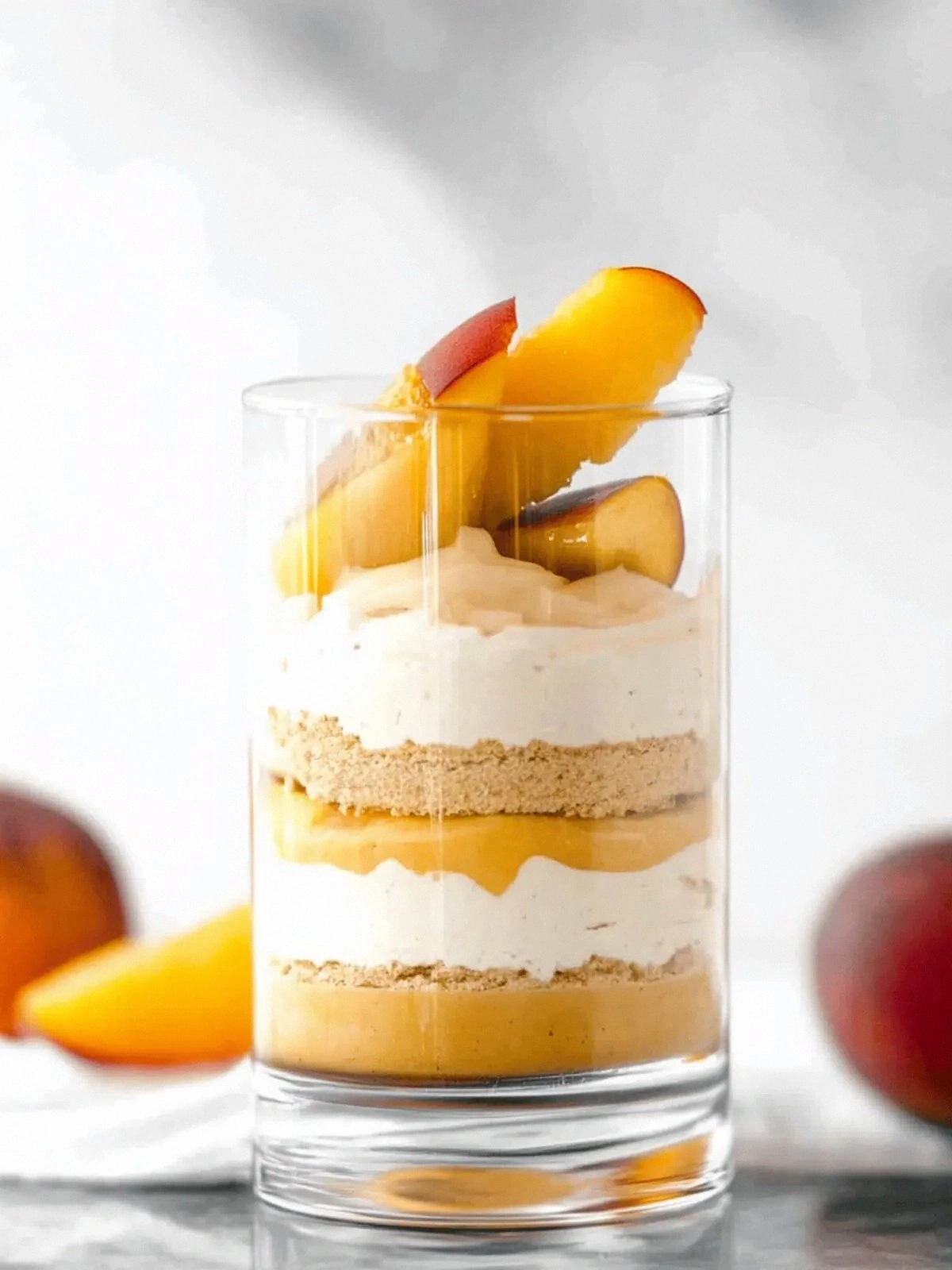
Picture the kitchen: the air is thick with the scent of ripe peaches, sweet maple syrup, and vanilla, a smell that instantly transports you to a backyard picnic under a canopy of green. The sound is a gentle hiss as the gelatin dissolves, a subtle crackle as the cream froths to a cloud‑like consistency, and the faint clink of a spoon against a glass. The sight is a cascade of colors—golden peach slices, pale vanilla cake, and the deep green of fresh mint leaves, all arranged in a transparent trifle bowl that showcases the layers like a miniature dessert cathedral. When you take the first bite, the texture is a revelation: a silky mousse that melts like butter, a soft cake that gives way to a crunchy, juicy peach, and a mint leaf that adds a whisper of herbal brightness.
What makes this version stand out is that it doesn’t rely on heavy, artificial flavors or complex equipment. Instead, it harnesses the natural sweetness of peaches and the subtlety of maple syrup to create a balance that feels both indulgent and refreshing. The mousse is light enough to be served on a hot day, yet rich enough to satisfy a craving for something decadent. The vanilla cake isn’t baked from scratch; a pre‑made cake is sliced and layered, saving time without sacrificing flavor. The result is a dessert that’s as visually stunning as it is delicious, and it can be assembled in under an hour—perfect for a last‑minute gathering.
I dare you to taste this and not go back for seconds. The first spoon will make you question why you ever settled for ordinary desserts. This is hands down the best version you'll ever make at home, and I’m not just saying that because I ate half the batch before anyone else got to try it. If you’ve ever struggled with mousse that turns out too dense or cake that’s too dry, you’re not alone—and I’ve got the fix. Let me walk you through every single step—by the end, you'll wonder how you ever made it any other way.
What Makes This Version Stand Out
- Taste: The combination of fresh peaches, maple syrup, and vanilla creates a flavor profile that is sweet yet balanced, with a subtle citrus kick that keeps the palate engaged.
- Texture: The mousse is light and airy, the cake is moist, and the peaches provide a juicy burst—every bite offers a new sensation.
- Simplicity: No complicated sugar ratios, no double‑boiled custard, just a few ingredients that work together like a well‑orchestrated symphony.
- Uniqueness: The use of unflavored gelatin for a silky finish and the addition of mint leaves for a fresh contrast sets this trifle apart from conventional mousse desserts.
- Crowd Reaction: Guests rave about how it feels like a summer memory captured in a dessert, and the presentation alone makes it a showstopper.
- Ingredient Quality: Fresh peaches, pure maple syrup, and heavy cream are the pillars; choosing the best of each elevates the entire dish.
- Cooking Method: Gelatin is used at low temperature to preserve the delicate peach flavor, and the mousse is folded gently to keep the air in.
- Make‑Ahead Potential: The trifle can be assembled up to 24 hours in advance; the mousse sets firmly, and the cake layers stay moist.
Alright, let's break down exactly what goes into this masterpiece. The next section will walk you through each ingredient group, why each one matters, and how to tweak them if you’re feeling adventurous.
Inside the Ingredient List
The Flavor Base
Fresh peaches are the cornerstone of this dessert; their natural sugars and bright acidity create a flavor that is both sweet and tangy. Using ripe peaches (they should yield slightly to pressure) ensures that the mousse has a robust peach essence rather than a watery flavor. If you’re in a season when peaches are scarce, you can substitute with nectarines—just remember to adjust the lemon juice slightly to maintain acidity.
The Texture Crew
Unflavored gelatin powder is the secret weapon that gives the mousse its silky, stable structure. When dissolved in cold water and gently warmed, it thickens without curdling, allowing the mousse to hold its shape in the trifle. Heavy cream, on the other hand, provides richness and a smooth mouthfeel; whipping it to soft peaks before folding in the gelatin mixture keeps the mousse light. If you’re vegan, a coconut cream can replace the heavy cream, but the texture will be slightly denser.
The Unexpected Star
Pure maple syrup is an unconventional but brilliant addition—it adds depth, a hint of caramel, and a touch of earthiness that balances the fruitiness. Maple syrup also helps stabilize the mousse, preventing it from becoming too loose. If maple syrup isn’t available, honey or agave nectar are acceptable substitutes, though they will shift the flavor profile slightly toward floral or vegetal notes.
The Final Flourish
A vanilla cake—pre‑baked or store‑bought—acts as the structural base that absorbs some of the mousse, creating a harmonious blend of textures. The cake should be sliced into cubes or small pieces that fit neatly into the trifle layers. Mint leaves add a bright, herbal counterpoint that cuts through the sweetness, providing a fresh finish that lingers on the palate. A pinch of salt can be added to the mousse to enhance the fruit flavors, but it’s optional.
Everything's prepped? Good. Let's get into the real action.
The Method — Step by Step
- Begin by washing the peaches under cold running water, then slice them into thin wedges, reserving a handful for garnish. The thin slices ensure a smooth blend later while still delivering juicy bursts. Set the sliced peaches aside in a bowl to keep them cool; they’ll stay fresh long enough for the mousse to set.
- In a small saucepan, combine the lemon juice and cold water, then sprinkle the gelatin powder over the surface. Let the mixture sit for 5 minutes to bloom; this step is crucial for the gelatin to absorb water and swell, preventing clumping. While waiting, you’ll notice a faint, almost invisible cloud forming—this is the gelatin beginning its work.
- Gently heat the gelatin mixture over low heat, stirring constantly until the gelatin is fully dissolved. The temperature should not exceed 105°F (40°C) to preserve the delicate peach flavors. As the gelatin dissolves, the mixture will become translucent, signaling that it’s ready for the next stage.
- In a blender, pulse the fresh peach wedges until they form a smooth puree, then pour the puree into a mixing bowl. The puree should be velvety with no visible chunks; this ensures that the mousse remains silky. Add the maple syrup to the peach puree and blend again to incorporate the sweet, caramel notes.
- Whip the heavy cream in a separate bowl until soft peaks form, then fold it gently into the peach‑gelatin mixture. The folding process should be quick and light; over‑whipping can cause the mousse to split. The result is a mousse that is airy, light, and holds its shape when spooned.
- Lay the vanilla cake pieces at the bottom of a clear trifle bowl, creating a sturdy base that will absorb some of the mousse. The cake should be moist but not soggy; if it’s too dry, drizzle a little peach puree over it before adding the mousse.
- Layer the mousse over the cake, using a spoon or piping bag to create a smooth, even surface. The mousse should be thick enough to stay in place but still soft enough to melt in the mouth. If you’re using a piping bag, a small round tip will give a refined finish.
- Top the mousse with a generous sprinkling of fresh mint leaves and the reserved peach slices for a burst of color and flavor. The mint not only adds a refreshing aroma but also a subtle bitterness that contrasts the sweetness. Place the trifle in the refrigerator for at least 2 hours to allow the mousse to set firmly.
- Serve immediately, or keep chilled until guests are ready. If you prefer a slightly firmer mousse, let it chill for an extra hour. The final presentation should look like a miniature dessert cathedral, with layers of golden peach, pale cake, and green mint.
That’s it—you did it. But hold on, I've got a few more tricks that'll take this to another level. These insider tips will help you perfect the mousse, avoid common pitfalls, and elevate the overall experience.
Insider Tricks for Flawless Results
The Temperature Rule Nobody Follows
The gelatin must be kept below 105°F; otherwise, the sweet peach flavor will be lost to heat. I once heated my gelatin mixture to 120°F, and the mousse collapsed into a syrupy mess. The trick is to use a digital thermometer or a simple “test drop” method—drop a small amount into a glass of cold water; if it thickens within 30 seconds, it’s ready. This step ensures the mousse remains light and stable, a subtle but critical detail that most people overlook.
Why Your Nose Knows Best
When the peach puree is first blended, your nose will pick up a faint, almost floral aroma. That scent is a sign that the peaches are ripe and ready to be turned into a mousse. If you don’t notice that aroma, the peaches might be underripe or overripe, and the resulting mousse will taste flat or overly acidic. Trust your senses; they’re the best quality control you’ll have.
The 5-Minute Rest That Changes Everything
After folding the whipped cream into the peach‑gelatin mixture, let the mixture rest for 5 minutes before pouring it onto the cake. This pause allows the gelatin to set slightly, preventing the mousse from sinking into the cake. I’ve seen this trick save a dessert from becoming a soggy mess. Give it a quick stir, then pour, and the mousse will cling beautifully to the cake base.
Mint Leaves: A Fresh Twist
Instead of using fresh mint leaves, try crushed mint powder for an intense burst of flavor. It dissolves into the mousse, giving every bite a subtle herbal undertone that lingers on the palate. If you’re making the trifle in advance, sprinkle the mint on top just before serving to keep the leaves crisp and fresh.
Storage Secrets for Long‑Lasting Freshness
If you need to prepare the trifle a day ahead, cover the top with plastic wrap and refrigerate. The mousse will firm up, making it easier to slice. When you’re ready to serve, let the trifle sit at room temperature for 10 minutes to soften the mousse slightly, creating a more indulgent mouthfeel. A quick swirl of fresh lemon juice over the top just before serving brightens the flavor profile.
Creative Twists and Variations
This recipe is a playground. Here are some of my favorite ways to switch things up:
Peach & Blackberry Fusion
Replace half the peaches with fresh blackberries; the tartness of the berries complements the sweet peach, creating a berry‑infused mousse that’s perfect for a summer soirée.
Maple Bourbon Bliss
Add a splash of bourbon to the peach puree before folding in the gelatin; the warm, smoky notes elevate the mousse to a sophisticated adult dessert.
Almond Crunch Layer
Sprinkle toasted almond slivers between the cake and mousse layers for a nutty crunch that contrasts beautifully with the silky mousse.
Chocolate Ganache Overlay
Drizzle a thin layer of dark chocolate ganache over the top before adding the mint; the bittersweet ganache balances the sweetness of the peaches and maple.
Herbal Citrus Twist
Incorporate a teaspoon of finely grated orange zest into the peach puree; the citrus brightens the entire dessert, making it feel even more summery.
Vegan Edition
Swap heavy cream for coconut cream and gelatin for agar‑agar; the result is a dairy‑free mousse that still holds its airy, light structure.
Storing and Bringing It Back to Life
Fridge Storage
Store the trifle in an airtight container in the refrigerator for up to 48 hours. The mousse will firm up, making it easier to slice. Before serving, let it sit at room temperature for 10 minutes to soften slightly, creating a more indulgent mouthfeel.
Freezer Friendly
The mousse can be frozen for up to two weeks; wrap it tightly in plastic wrap and then place it in a freezer bag. Thaw in the refrigerator overnight before serving. The texture may become slightly denser, but the flavor remains intact.
Best Reheating Method
To revive a frozen trifle, add a splash of cold water to the mousse layer before reheating in the microwave on low for 30 seconds. This trick steams the mousse back to its original silky texture. Avoid high heat, which can cause the mousse to separate.