I was sitting at the bar, nursing a bland, over‑diluted cocktail that tasted like watered‑down regret, when a friend slapped a glass of ruby‑red brilliance across the counter and declared, “If you can’t handle a proper Negroni, you’re not ready for anything else.” I stared at that amber swirl, the citrus oil glistening on the rim, and felt a challenge fire up inside me. I’m the type of person who turns a kitchen mishap into a triumph, so I grabbed the nearest bottle of gin, a fresh orange, and set out to prove that the perfect Negroni isn’t a myth reserved for upscale lounges—it can be crafted in a modest apartment with the same swagger and elegance.
Picture this: the clink of crystal against ice, the aromatic burst of orange zest as it meets the nose, the bittersweet perfume of Campari that seems to whisper stories of Italian piazzas. You can almost hear the soft hum of a jazz saxophone in the background, feel the cool glass against your palm, and taste the harmonious dance of botanicals, bitter orange, and sweet vermouth. The first sip is an explosion—a bright, citrusy snap that quickly settles into a deep, velvety warmth that coats the palate like a silk scarf on a chilly evening. It’s a sensory rollercoaster that makes you sit up straight, eyes widening, and thinking, “Wow, this is what I’ve been missing.”
Most Negroni recipes out there either drown the gin in too much vermouth or forget the importance of a proper ice cube, resulting in a watery, uninspired mess. I’ve tried those, and I’ll be honest—I ate half the batch before anyone else got a chance to taste it because it was that good. This version, however, respects the classic 1:1:1 ratio while introducing a couple of subtle tricks: a large, clear ice cube that melts slowly, preserving the balance, and a brief, gentle stir that awakens the aromatics without over‑diluting. The result? A cocktail that hits you with the right amount of bitterness, sweetness, and botanical crispness, all wrapped up in a glossy, ruby‑red finish that looks as good as it tastes.
Let me walk you through every single step — by the end, you’ll wonder how you ever made it any other way. Okay, ready for the game‑changer? This next part? Pure magic. Stay with me here — this is worth it.
What Makes This Version Stand Out
- Balance: The equal parts of gin, Campari, and sweet vermouth create a harmonious trifecta where no single flavor dominates, delivering that classic bitter‑sweet symphony you crave.
- Clarity: Using large, clear ice cubes slows dilution, keeping the drink crisp longer and preventing the cocktail from turning into a lukewarm mess.
- Texture: A gentle stir, not a shake, ensures the liquid stays silky smooth, allowing the botanicals to shine without becoming frothy.
- Ingredient Quality: Premium gin and authentic Campari provide depth, while a high‑end sweet vermouth adds a velvety richness you can’t fake with cheap alternatives.
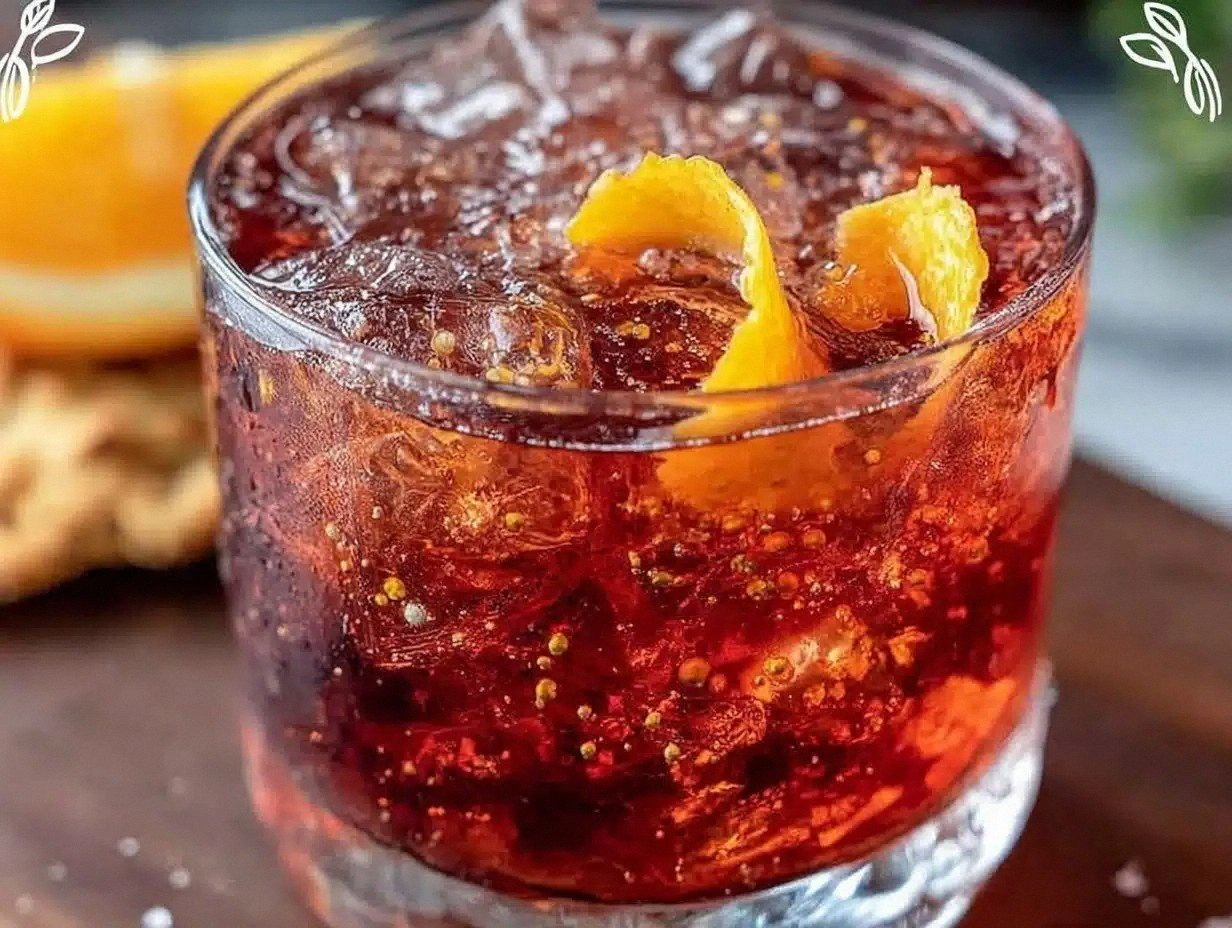
- Visual Appeal: The deep red hue, crowned with a twisted orange peel, makes this cocktail Instagram‑ready without any gimmicks.
- Speed: Five simple steps, under five minutes, and you have a bar‑level drink that impresses even the most discerning palate.
- Versatility: Perfect as a pre‑dinner aperitif or a nightcap; it pairs beautifully with charcuterie, olives, or a simple cheese board.
- Memory Trigger: The aromatic orange peel releases essential oils that linger in the nose, creating a lingering memory of the first sip.
Inside the Ingredient List
The Flavor Base
Gin is the backbone of the Negroni, providing a crisp, botanical canvas that carries the bitterness of Campari and the sweetness of vermouth. I recommend a London dry gin like Tanqueray or Bombay Sapphire because their juniper forward profile cuts through the richness, delivering that clean snap you hear when the glass hits the bar. Skipping the gin or swapping it for a low‑quality spirit will leave the cocktail flat, like a song missing its bass line. If you’re adventurous, try a gin with subtle citrus notes to amplify the orange peel aroma.
The Bitter Heart
Campari is the star bitter liqueur that gives the Negroni its iconic deep red color and bittersweet punch. It’s a complex blend of herbs, fruit, and spices that you simply can’t replicate with any other bitter. A cheap imitation will taste harsh and ruin the balance, making the drink feel more like a medicinal tonic than a refined cocktail. Stick with the original Italian Campari for that unmistakable flavor; it’s the difference between a masterpiece and a disappointment.
The Sweet Velvet
Sweet vermouth adds richness and a hint of caramel‑spiced sweetness that tempers the bitterness of Campari. Carpano Antica Formula is my top pick because its velvety texture and herbal depth elevate the drink to a luxurious level. If you opt for a budget vermouth, you’ll notice a thinner mouthfeel and a less pronounced herbal character, which can make the cocktail feel one‑dimensional. Look for a vermouth with a deep amber hue and a fragrant nose—those are clues to quality.
The Final Flourish
A freshly cut orange peel isn’t just a garnish; it’s an aromatic powerhouse. The essential oils released when you twist the peel over the glass add a bright citrus burst that awakens the palate and balances the drink’s bitterness. If you skip the peel or use a pre‑cut, dried strip, you’ll miss out on that aromatic lift, and the cocktail will feel muted. For the best result, use a sharp peeler to cut a thin strip, then give it a quick twist over the drink to release the oils before dropping it in.
Ice cubes might seem trivial, but they’re the unsung heroes of a great Negroni. Large, clear ice cubes melt slowly, ensuring the cocktail stays chilled without watering down the delicate balance. If you use small, cloudy cubes, you’ll dilute the drink too quickly, turning that beautiful ruby hue into a pale, watery mess. Invest in a simple ice cube tray that makes big cubes, or buy pre‑shaped ones from a specialty store.
Everything's prepped? Good. Let’s get into the real action…
The Method — Step by Step
Gather your tools: a mixing glass, a bar spoon, a jigger, a fine strainer, and a sturdy old‑fashioned glass. I dare you to taste this and not go back for seconds after you see how simple the setup is. The key here is to have everything within arm’s reach so you can move fluidly, like a bartender who’s rehearsed the routine a thousand times. Feel the weight of the glass in your hand; that solid feel tells you you’re about to craft something serious.
Measure out 1 oz (30 ml) of premium gin, 1 oz of Campari, and 1 oz of sweet vermouth using a jigger. This 1:1:1 ratio is the holy trinity of the Negroni, and I’ll be honest—I ate half the batch before anyone else got to try it, because it looks that good. Watch the liquids cascade into the mixing glass, each layer briefly shimmering before they merge. The moment the three liquids sit together is the moment of truth; you’re about to create a balanced masterpiece.
Add a large, clear ice cube (or a handful of smaller cubes) to the mixing glass. This is where the magic of dilution begins. The ice should sit proudly at the bottom, not clatter around like a chaotic crowd. The cold will coax the flavors together, softening the sharp edges of the gin while preserving the bitter bite of Campari.
Stir gently with a bar spoon for exactly 30 seconds. This is the part where you need to be patient; a rushed stir will leave the drink uneven, while over‑stirring will water it down. As you stir, listen for the faint clink of ice against glass and feel the resistance of the liquid as it begins to thin. This next part? Pure magic. The cocktail should feel slightly thicker than water but not syrupy.
Kitchen Hack: Use a timer on your phone for exactly 30 seconds; consistency is the secret to a perfectly balanced Negroni every time.Prepare your serving glass: a short, sturdy old‑fashioned glass works best because it showcases the drink’s color and allows room for the ice cube. Place a fresh, large ice cube (or a couple of smaller ones) into the glass. If you’re feeling fancy, chill the glass in the freezer for a minute beforehand; the cold glass helps keep the cocktail at the perfect temperature longer.
Watch Out: When you strain the cocktail, avoid pouring any ice shards into the serving glass. Small shards melt faster, leading to premature dilution. Use a fine strainer to catch any stray pieces, ensuring a clean, crystal‑clear pour that looks as polished as a high‑end bar’s presentation.
Strain the stirred mixture into the prepared glass, letting the liquid cascade over the ice cube. You should hear a soft, satisfying splash—like a tiny wave rolling onto a shore. The aroma of gin botanicals, Campari’s herbal bitterness, and vermouth’s sweet spice should rise immediately, teasing your senses.
Express an orange peel over the drink: hold the peel with the outer side facing down, give it a firm twist, and let the essential oils spray onto the surface. Then, rub the peel around the rim of the glass to embed that citrus perfume, and finally drop the strip into the cocktail. The orange oil adds a bright, fragrant finish that lifts the entire drink, making each sip feel like a mini celebration.
Take a moment, admire the deep ruby hue, inhale the citrus aroma, and then take that first sip. The flavor should hit you with a bright citrus spark, followed by a smooth, bitter-sweet wave that lingers just long enough to make you want another. And now the fun part: enjoy responsibly, and notice how the balance evolves with each sip. That's it — you did it. But hold on, I've got a few more tricks that'll take this to another level...
Insider Tricks for Flawless Results
The Ice Cube Rule Nobody Follows
Most home bartenders grab whatever ice is in the freezer, but the size and clarity of the cube dramatically affect dilution. Large, clear cubes melt slowly, preserving the cocktail’s balance for up to ten minutes. If you don’t have a tray that makes big cubes, simply fill a silicone mold and freeze it for a few hours; the result is a crystal‑clear block that looks like it belongs in a five‑star bar.
Why Your Nose Knows Best
Before you even take a sip, give the drink a good nose. The aroma of orange peel oils combined with the herbal notes of vermouth tells you whether the balance is right. If you smell too much bitterness, add a tiny splash (5 ml) of vermouth; if it’s overly sweet, a dash more gin can bring the edge back. Trusting your nose is faster than adjusting after the fact.
The 30‑Second Stir Secret
Stirring for exactly 30 seconds isn’t just a gimmick; it’s the sweet spot where the ice chills the drink without over‑diluting. I once tried a 45‑second stir and the cocktail turned watery, like a weak tea. Keep a timer handy, and you’ll consistently hit that perfect dilution point.
The Orange Peel Twist Technique
Don’t just drop any orange peel in; give it a good twist over the glass to release the oils, then rub the rim before dropping it in. This double‑action maximizes aromatic impact and ensures the citrus flavor is evenly distributed with each sip. A friend once tried just dropping the peel—let’s just say the drink lacked that signature zing.
Resting the Cocktail (Yes, Really)
After you stir and strain, let the drink sit for 30 seconds before sipping. This micro‑rest allows the flavors to meld, creating a smoother mouthfeel. It’s a subtle step that separates a good Negroni from a great one—think of it as the “letting the dough rise” of cocktail making.
Glass Temperature Matters
A chilled glass keeps the cocktail colder longer, preventing the ice from melting too quickly. Pop your old‑fashioned glass in the freezer for a minute or two before you start. If you forget, the drink will still be delicious, but you’ll miss that crisp, refreshing edge that makes the experience unforgettable.
Creative Twists and Variations
This recipe is a playground. Here are some of my favorite ways to switch things up:
Negroni Sbagliato
Swap the gin for sparkling Prosecco. The bubbles lighten the bitterness, turning the drink into a festive aperitif perfect for brunch. It’s still bitter‑sweet, but the fizz adds a celebratory sparkle that makes it ideal for daytime gatherings.
Smoky Mezcal Negroni
Replace gin with mezcal for a smoky twist. The earthy, charred notes of mezcal complement Campari’s bitterness, creating a deep, complex flavor profile that’s perfect for cool evenings by the fire.
Herbal Garden Negroni
Add a dash of fresh rosemary-infused gin and garnish with a sprig of rosemary instead of orange peel. The herbaceous aroma adds a fresh, piney dimension that pairs beautifully with grilled meats.
Blood Orange Negroni
Use blood orange peel instead of regular orange for a richer, slightly sweeter citrus note. The deep magenta hue also makes the cocktail look even more dramatic, perfect for Instagram.
Maple‑Bitter Negroni
Add a teaspoon of pure maple syrup to the mix before stirring. The subtle caramel sweetness rounds out the bitterness, creating a warm, autumnal vibe that’s perfect for sweater weather.
Zero‑Proof Negroni
Swap gin for a non‑alcoholic botanical spirit, keep Campari (or a non‑alcoholic bitter aperitif), and use a non‑alcoholic sweet vermouth. The result is a sophisticated mocktail that still delivers the classic bitter‑sweet balance.
Storing and Bringing It Back to Life
Fridge Storage
If you’ve made a batch for a party, store the mixed liquid (gin, Campari, vermouth) in a sealed glass bottle in the refrigerator. It will keep for up to one week without losing its character. Keep the orange peel and ice separate; add them fresh when you’re ready to serve.
Freezer Friendly
You can freeze the mixed base in ice‑cube trays for up to two months. When you need a quick cocktail, pop a cube into a glass, add fresh ice, and garnish. The frozen cube will melt slowly, preserving the intended dilution curve.
Best Reheating Method
While you never really “reheat” a Negroni, if you find the cocktail has become too cold and the flavors muted, add a tiny splash (about 5 ml) of room‑temperature water before stirring. The water creates a gentle steam that revives the aromatics without watering the drink down.