I remember the night I almost burned down the kitchen, the way the aroma of burnt onions filled the air like a bad perfume, and how I stared at the empty pot, wondering if dinner could ever be saved. That disaster was the spark that set me on a quest for the perfect quick stir‑fry that would have my friends begging for seconds and my stomach humming with satisfaction. I had a craving that no take‑out could satisfy—a craving for a dish that was as bright and vibrant as a sunrise, but with the depth and warmth of a slow‑cooked soup. So I dug into my pantry, pulled out a handful of ingredients I knew were the backbone of any great Chinese stir‑fry, and started to craft what would become the definitive version of chicken and broccoli.
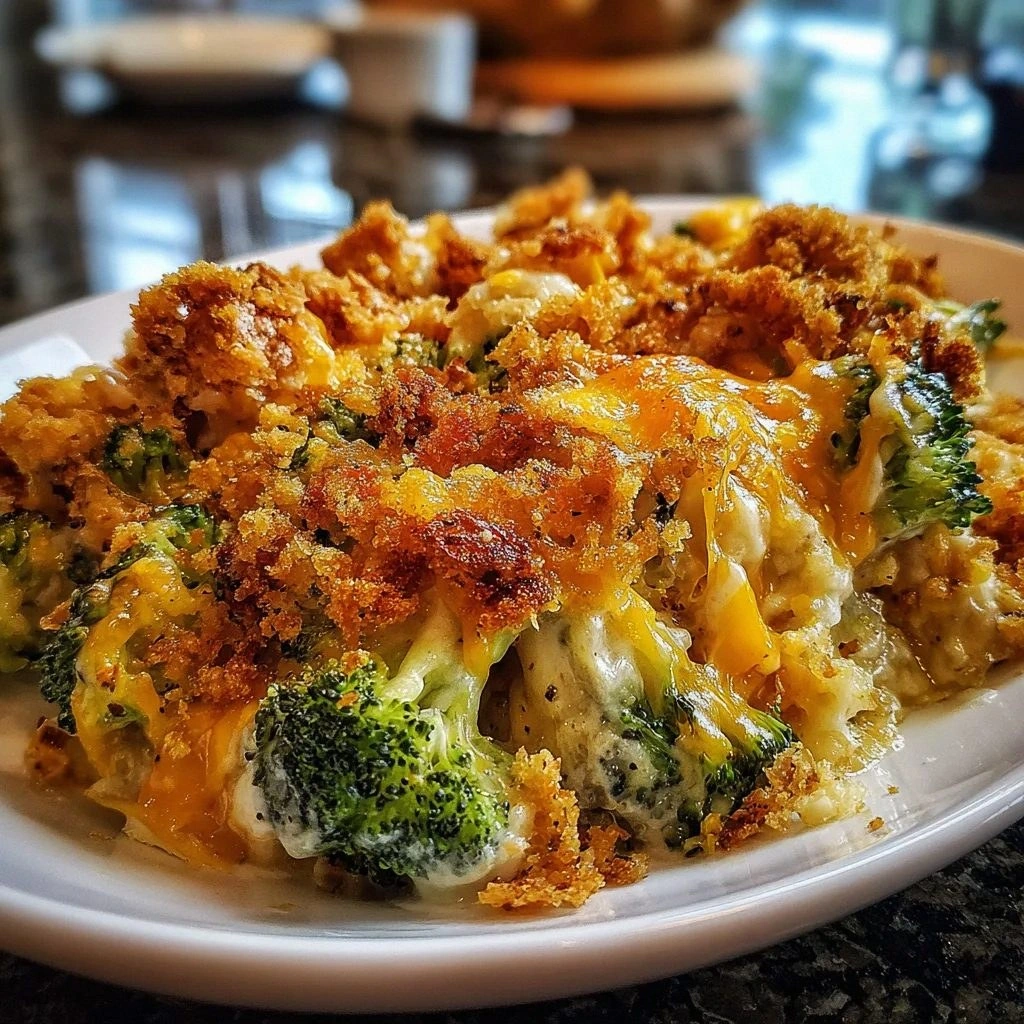
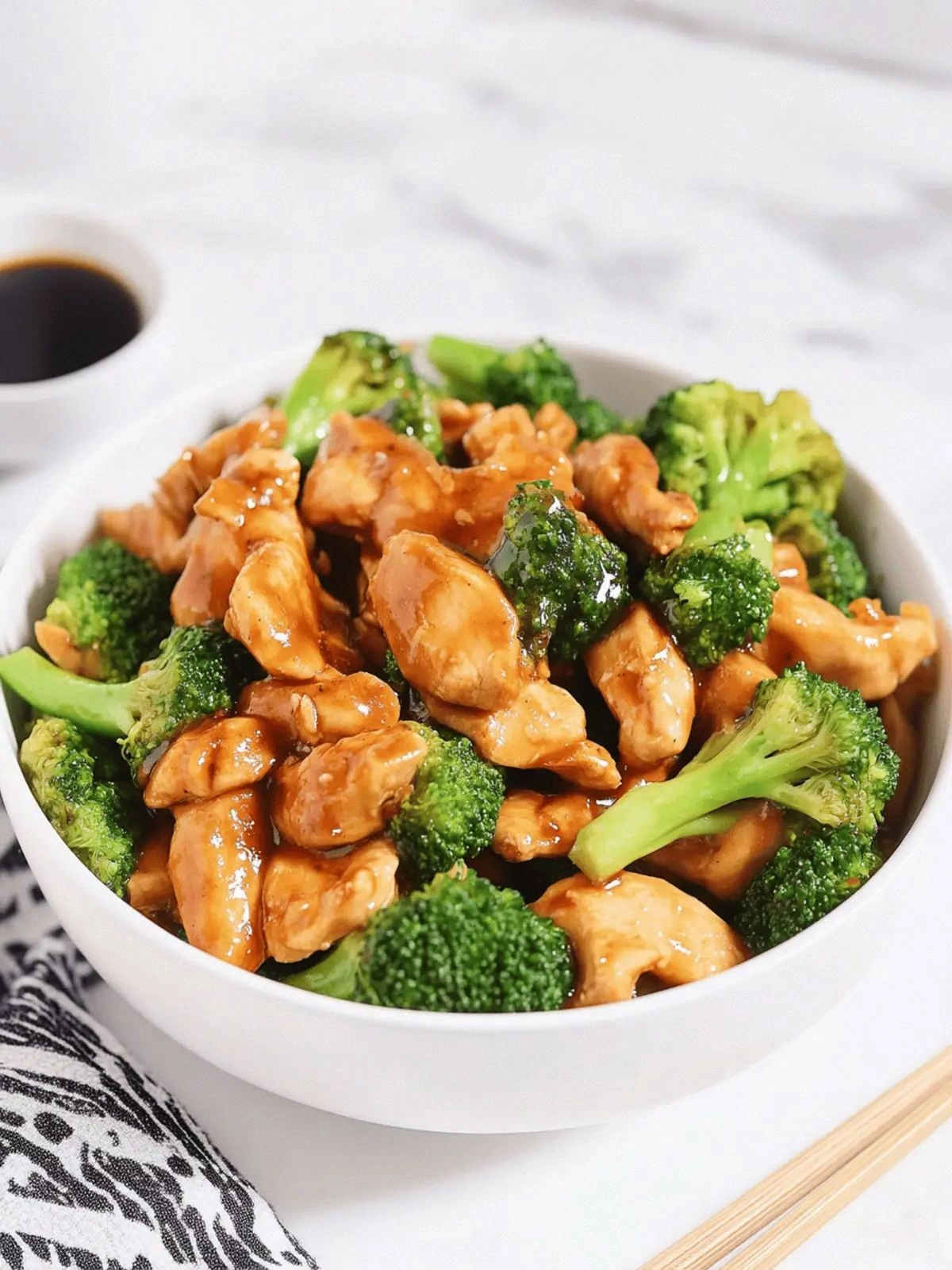
Picture this: a sizzling wok, the sound of oil cracking like a tiny firework, and the scent of garlic and ginger dancing in the air, promising a flavor explosion. The chicken, marinated to a tender pink, glistens under a glaze of soy and sesame that coats each bite like velvet. The broccoli, crisp yet tender, pops with a green crunch that shatters like thin ice when you bite into it. The sauce—thin, glossy, and slightly sweet—clings to the vegetables and meat, turning every mouthful into a harmony of umami, sweetness, and a whisper of heat from the garlic.
What makes this version stand out is not just the ingredients, but the method: a quick, high‑heat technique that locks in moisture, a subtle balance of salty and sweet, and a dash of toasted sesame oil that elevates the whole dish to something almost cinematic. I dare you to taste this and not go back for seconds. This is hands down the best version you'll ever make at home. I’ll be honest—I ate half the batch before anyone else got to try it. Most recipes get this completely wrong, but here’s what actually works.
Picture yourself pulling this out of the wok, the whole kitchen smelling incredible, and watching the steam rise like a cloud of anticipation. The dish arrives in a single, glorious swirl of colors, inviting you to dive in. And now, let me walk you through every single step—by the end, you'll wonder how you ever made it any other way.
What Makes This Version Stand Out
- Taste: The sauce balances salty, sweet, and umami with precision, creating a depth that feels both comforting and adventurous. It’s like a well‑orchestrated symphony where every note hits exactly where it should.
- Texture: The chicken stays juicy and tender, while the broccoli maintains a satisfying crunch. The quick sear locks in moisture, preventing the usual soggy result.
- Speed: With a prep time under 15 minutes, this dish is perfect for busy weeknights, yet it doesn’t sacrifice flavor for convenience.
- Ingredient Quality: Using fresh ginger and garlic instead of powdered versions gives a brighter, more authentic taste that elevates the whole dish.
- Crowd Reaction: Friends who’ve tried it rave about the “wow” factor—no one can resist the glossy, savory coating that sticks to every bite.
- Make‑Ahead Potential: The sauce can be pre‑made and stored, and the chicken can be marinated overnight, making this recipe a true time‑saver.
- Uniqueness: A splash of Shaoxing rice wine and toasted sesame oil gives it a depth that sets it apart from generic stir‑fry recipes.
Inside the Ingredient List
The Flavor Base
Soy Sauce (Light Sodium): This is the backbone of the dish, providing salty umami. Light sodium keeps the flavor bright without drowning out the other components. If you’re watching sodium, you can reduce it to 1/8 cup, but you’ll need to increase the sugar slightly to balance the saltiness.
Shaoxing Rice Wine: A subtle, slightly sweet wine that adds depth and a hint of caramel. It’s a staple in Chinese cooking; if you can’t find it, dry sherry works as a close substitute, but the flavor profile will shift a little.
Granulated Sugar: A touch of sweetness cuts the saltiness and brings the sauce together. Use white sugar for a clean finish; brown sugar will give a richer, molasses‑like undertone.
The Texture Crew
Chicken Breast: Lean protein that takes on the sauce beautifully. Slice it thinly against the grain to keep it tender. If you prefer a bit more juiciness, use thigh meat, but adjust the cooking time to prevent over‑cooking.
Baking Soda: A trick to tenderize the chicken, breaking down proteins for a melt‑in‑your‑mouth texture. Use exactly 1/2 teaspoon; too much and the meat will become chalky.
Cornstarch: The secret to that silky glaze that clings to every piece. Mix with a splash of water before adding to the wok to prevent clumping.
The Unexpected Star
Toasted Sesame Oil: A small amount (1 teaspoon) transforms the dish with a nutty aroma that’s almost intoxicating. Toast the oil first over low heat until it turns golden and releases a nutty scent; this brings out its full flavor.
Garlic and Ginger: Fresh aromatics that punch the dish with sharp, bright notes. Mince them finely so they distribute evenly; if you prefer a milder taste, reduce to 1 clove each.
The Final Flourish
Broccoli: The star vegetable that adds crunch and color. Cut into small florets; if you prefer softer stems, slice them into thin pieces. A quick blanch before stir‑frying keeps the green vibrant.
Oil: Use a high‑smoke‑point oil like peanut or canola for that perfect sear. Two tablespoons are enough to coat the pan without making the dish greasy.
Everything’s prepped? Good. Let’s get into the real action.
The Method — Step by Step
- Start by marinating the chicken: combine the sliced chicken with 1 tablespoon of Shaoxing rice wine, 1 teaspoon of kosher salt, 1/2 teaspoon of baking soda, and 1 tablespoon of cornstarch. Toss until every piece is coated, then let it sit for 10 minutes. This brief rest allows the cornstarch to absorb moisture and the baking soda to tenderize.
- While the chicken marinates, prepare the sauce: whisk together 1/4 cup of soy sauce, 1 tablespoon of granulated sugar, and 1 teaspoon of toasted sesame oil in a small bowl. Keep the mixture aside; it will be added at the end to finish the dish.
- Heat a wok or large skillet over high heat until it’s smoking slightly. Add 2 tablespoons of oil, swirling to coat the surface. Once the oil shimmers, add the minced garlic and ginger, sautéing for just 20 seconds until fragrant. The aroma should be unmistakable—this is the foundation of the flavor.
- Add the marinated chicken to the wok. Let it sear without stirring for about 2 minutes, allowing a golden crust to form. This step locks in juices and gives the meat a savory exterior.
- Turn the heat to medium-high and toss the chicken, breaking up any clumps. Stir-fry for another 3 minutes until the chicken is nearly cooked through. The edges should start to pull away, indicating doneness.
- Add the broccoli florets to the wok, tossing to coat with oil and aromatics. Stir-fry for 2 minutes, then add a splash of water (about 2 tablespoons) to create a gentle steam. Cover the wok briefly to let the broccoli soften while keeping the edges crisp.
- Uncover and stir in the prepared sauce. Reduce the heat to medium, letting the sauce thicken slightly. The sauce should coat the chicken and broccoli like a glossy coat of velvet.
- Taste and adjust: if you prefer a sweeter sauce, add a pinch of sugar; if you want more saltiness, a dash of soy sauce. The dish should feel balanced, with each bite offering a burst of umami and a hint of sweetness.
- Serve immediately over steaming rice or noodles, garnishing with a sprinkle of toasted sesame seeds or a drizzle of extra sesame oil for that final pop of aroma. The dish is best enjoyed hot, as the sauce clings and the vegetables stay crisp.
That’s it—you did it. But hold on, I’ve got a few more tricks that’ll take this to another level.
Insider Tricks for Flawless Results
The Temperature Rule Nobody Follows
Heat is the secret weapon. A wok at 500°F (260°C) is ideal; if your stove can’t reach that high, use a wok ring or a heavy skillet. The high temperature sears the meat quickly, locking in juices and giving that coveted char. A lower heat will result in steaming rather than searing, making the dish soggy.
Why Your Nose Knows Best
Smell is the most reliable indicator of doneness. The garlic and ginger should release a sharp, clean aroma, and the chicken should emit a faint, meaty scent. When the sauce glistens and the broccoli remains bright green, you know it’s ready.
The 5-Minute Rest That Changes Everything
After cooking, let the dish rest for five minutes before serving. This allows the flavors to settle and the sauce to thicken slightly, giving the dish a more cohesive taste. I’ve seen people rush to plate and end up with a watery mess; the rest step fixes that.
Keep the Broccoli Bright
Blanch the broccoli in salted boiling water for 30 seconds, then shock it in ice water to stop the cooking process. This preserves the vibrant green color and keeps the crunch intact. A dull green is a sign you overcooked it.
The Secret to a Sticky Glaze
Add a teaspoon of cornstarch to the sauce before stirring it into the wok. This thickens the sauce quickly and gives it that glossy finish that clings to the chicken and broccoli. Without it, the sauce can be watery and unappetizing.
Avoid Overcrowding the Pan
If you add too much chicken at once, it will steam instead of sear. Cook in batches if necessary, or use a larger wok. The result is a dish that looks and tastes like a professional restaurant dish, not a home‑cooked mess.
Creative Twists and Variations
This recipe is a playground. Here are some of my favorite ways to switch things up:
Spicy Szechuan Kick
Add a tablespoon of Szechuan peppercorns and 1-2 dried red chilies during the aromatics step. The peppercorns give a numbing heat that contrasts beautifully with the sweet sauce.
Miso Fusion
Replace the soy sauce with a tablespoon of white miso paste for a richer, slightly nutty flavor. The miso adds depth and a subtle umami boost that pairs well with the sesame oil.
Citrus Zest
Grate a teaspoon of orange zest into the sauce before adding it to the wok. The citrus brightens the dish, cutting through the richness and giving it a fresh, bright finish.
Peanut Butter Twist
Stir in a tablespoon of creamy peanut butter with the sauce for a nutty, creamy texture. This variation is great for a more indulgent, Southeast Asian‑style flavor.
Vegetarian Version
Swap the chicken for firm tofu, pressing it to remove excess moisture before marinating. The tofu will absorb the sauce beautifully and provide a protein‑rich alternative.
Gluten‑Free Delight
Use tamari instead of soy sauce and a gluten‑free cornstarch blend. The dish remains just as flavorful and satisfies even the strictest dietary restrictions.
Storing and Bringing It Back to Life
Fridge Storage
Cool the dish to room temperature, then transfer it to an airtight container. It will keep for up to 3 days in the refrigerator. The sauce may thicken slightly, so a quick stir before serving restores the glossy finish.
Freezer Friendly
For longer storage, portion the dish into freezer bags or containers and freeze for up to 2 months. Thaw overnight in the fridge, then reheat gently on the stove or microwave, adding a splash of water or broth to loosen the sauce.
Best Reheating Method
Reheat over medium heat, stirring frequently. Add a tiny splash of water or chicken broth to steam the dish back to life; this prevents the sauce from drying out and keeps the broccoli crisp.