Picture this: I’m standing in a cramped kitchen, the stove flickering like a nervous firefly, and my friend throws a challenge my way—“Make the best cheese pastry you’ve ever tasted.” I’ve been chasing that perfect flaky, buttery bite for months, and every attempt ends with a slightly soggy center or a dough that’s either too dense or too airy. The moment I pulled the first golden rectangle out of the oven, the kitchen filled with a scent that made my mouth water—rich butter, fresh cheese, and a whisper of vanilla. I was so thrilled I couldn’t keep this secret to myself. I dare you to taste this and not go back for seconds.
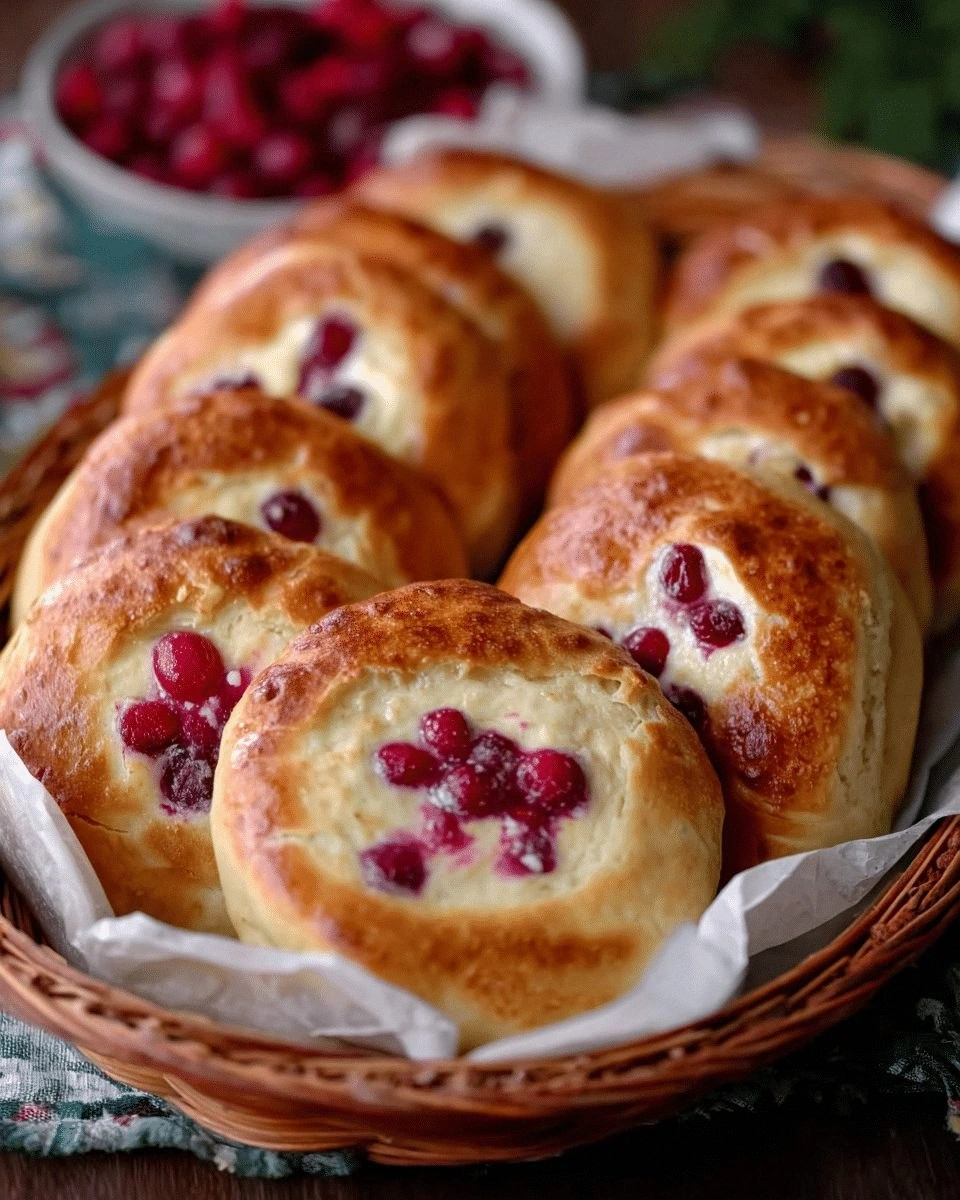
The first bite is a revelation: a crisp, buttery shell that shatters like thin ice, revealing a creamy, velvety interior that coats your tongue like a silky lullaby. The subtle sweetness from the sugar and vanilla balances the tang of the cottage cheese, while a touch of sour cream adds a gentle acidity that lifts the whole experience. The aroma is intoxicating—warm, buttery, with a hint of caramelized sugar that makes you feel like you’re in a cozy bakery. I’ve tasted dozens of cheese pastries, but none have matched this harmony of textures and flavors. If you’ve ever struggled to get the dough right, you’re not alone—and I’ve got the fix.
What sets this version apart isn’t just the ingredients; it’s the method, the timing, and the subtle tricks I’ve learned from my grandmother’s kitchen. She always said, “The dough is the soul of the pastry,” and I took that to heart by letting it rise in a warm, humid spot for a full hour—long enough to develop that airy lightness without overproofing. I also added a splash of lemon zest to the dough, which brightens the flavor profile and keeps the pastry from feeling too heavy. The filling is a simple blend of cottage cheese, eggs, and a dash of vanilla, but the secret is in the ratio: 1.5 parts cheese to 1 part egg, which creates a silky custard-like consistency that stays together even when you slice it. The result is a pastry that melts in your mouth, leaving you craving more.
This isn’t just another recipe; it’s a culinary experience that will transform your kitchen routine. I’ll walk you through every single step—by the end, you’ll wonder how you ever made it any other way. Let’s dive in.
What Makes This Version Stand Out
- Flaky Perfection: The dough is kneaded to a precise consistency that yields a crisp, buttery shell that breaks apart with a satisfying crunch.
- Silky Filling: The cheese-to-egg ratio creates a custard-like interior that coats the palate like velvet.
- Balanced Sweetness: A touch of sugar and vanilla sweetens the filling without overpowering the savory notes.
- Freshness Factor: Using fresh cottage cheese gives a bright, tangy contrast to the buttery dough.
- Time Efficiency: The entire process takes less than an hour, making it perfect for a quick brunch or a last‑minute dinner.
- Make‑Ahead Friendly: The pastries can be assembled ahead of time and baked fresh when needed, saving you precious minutes.
Alright, let’s break down exactly what goes into this masterpiece…
Inside the Ingredient List
The Flavor Base
Flour is the backbone of any pastry, and for Vatrushka I use all-purpose flour for its versatility. It provides the structure that holds the filling while still allowing the dough to rise beautifully. If you’re aiming for a lighter crumb, swap in a blend of 50% pastry flour and 50% bread flour for a slightly chewier bite. The key is to use a flour with a moderate protein content—too high and the dough becomes tough; too low and it won’t rise.
The Texture Crew
Butter is the secret to that buttery, flaky shell. I use cold, unsalted butter cut into cubes, which creates steam pockets as it melts during baking. For a richer flavor, replace half the butter with clarified butter or ghee. The water in the dough hydrates the flour and activates the gluten, but it’s the amount that matters; too much water and the dough becomes sticky, too little and it won’t rise.
The Unexpected Star
Cottage cheese is the star of the filling—its mild, slightly tangy flavor balances the sweetness of the sugar and vanilla. Fresh cottage cheese gives a brighter taste; if you only have store‑bought, choose one with a higher protein content for a firmer texture. I also add a splash of lemon zest, which brightens the entire pastry and cuts through the richness. If you’re a fan of a little kick, a pinch of freshly ground black pepper can add an unexpected depth.
The Final Flourish
Eggs bind the filling together and add a silky texture that melts in your mouth. I use whole eggs for richness, but if you prefer a lighter version, you can use one egg plus a tablespoon of milk. Vanilla extract gives a subtle warmth that complements the buttery dough, while sugar sweetens the filling just enough to make it feel indulgent. Sour cream is optional but adds a creamy tang that balances the cheese and keeps the filling moist during baking.
Everything’s prepped? Good. Let’s get into the real action…
The Method — Step by Step
- In a large bowl, combine 2 cups of flour, 1 tsp of salt, 1 tsp of sugar, and 1 tsp of active dry yeast. Stir until evenly distributed. This dry mix sets the stage for the dough’s rise. I always whisk the yeast into the flour first to avoid clumps.
- Add 1 cup of cold water, 4 tbsp of cold butter cubes, and a pinch of lemon zest. Knead the dough on a lightly floured surface for about 5 minutes, until it becomes smooth and elastic. The dough should feel tacky but not sticky. If it’s too dry, add a teaspoon of water at a time.
- Shape the dough into a ball, place it in a lightly oiled bowl, cover with plastic wrap, and let it rise in a warm spot for 60 minutes, or until it doubles in size. A warm spot is key; if it’s too cool, the yeast won’t activate properly.
- While the dough rises, prepare the filling. In a mixing bowl, combine 2 cups of cottage cheese, 2 eggs, 2 tbsp of sugar, 1 tsp of vanilla extract, and 1/4 cup of sour cream. Beat until smooth and creamy. The mixture should be thick enough to hold its shape when spooned.
- After the dough has risen, punch it down to release air pockets. Divide it into 8 equal portions. Roll each portion into a ball, then flatten it into a disc about 1/4 inch thick. Place a spoonful of filling in the center of each disc.
- Fold the edges of the dough over the filling, pinching them together to seal. The pastry should be tightly sealed to prevent the filling from leaking during baking. I like to give them a gentle press to ensure a tight seal.
- Arrange the pastries on a parchment-lined baking sheet, leaving a little space between each. Let them rest for 15 minutes to allow the dough to relax and rise slightly again.
- Preheat your oven to 375°F (190°C). Bake the pastries for 20–25 minutes, or until they’re golden brown and the filling is set. The edges will pull away slightly from the center, indicating a perfect bake.
- Remove the pastries from the oven and let them cool on a rack for 5 minutes. This brief rest allows the filling to set fully before you cut into them.
- Serve warm or at room temperature. If you want to add a finishing touch, dust the tops with powdered sugar or drizzle a light honey glaze. The result is a pastry that looks as good as it tastes.
That’s it—you did it. But hold on, I’ve got a few more tricks that’ll take this to another level. You’ll notice the pastry is not just a dessert; it’s a conversation starter that will impress guests at any gathering.
Insider Tricks for Flawless Results
The Temperature Rule Nobody Follows
Many people bake at a high temperature to get a quick crust, but that often results in a burnt exterior and a raw center. I always bake at 375°F (190°C) and keep an eye on the color—golden brown is the sweet spot. If your oven runs hot, reduce the temperature by 25°F. This trick ensures a tender interior and a crisp, caramelized crust.
Why Your Nose Knows Best
The aroma of baking pastries is a powerful indicator of doneness. When the dough is ready, the scent will be buttery with a faint sweetness. If it smells like raw dough, give it a few more minutes. Trust your nose—it’s the most reliable gauge for a perfect bake.
The 5-Minute Rest That Changes Everything
After baking, let the pastries rest on a rack for 5 minutes. This brief pause allows the filling to set, preventing it from oozing out when you cut into them. It also lets the steam inside redistribute, giving the pastry a lighter crumb. A quick rest can make the difference between a messy mess and a clean, elegant slice.
Avoiding Common Pitfalls
I once tried skipping the final rise after shaping the pastries, and the result was flat, doughy pockets. The dough needs that last stretch to develop air pockets that give the pastry its signature lightness. Always let them rest for at least 15 minutes before baking.
The Secret to a Perfect Finish
A light dusting of powdered sugar or a drizzle of honey glaze can elevate the pastry from good to unforgettable. The sugar adds a subtle crunch, while honey gives a subtle floral note that pairs beautifully with the cheese. I always apply the glaze while the pastries are still warm, so it sets into the crust.
Creative Twists and Variations
This recipe is a playground. Here are some of my favorite ways to switch things up: Cheesy Spinach Vatrushka – add sautéed spinach and feta to the filling for a Mediterranean flair. Herbed Goat Cheese Vatrushka – replace cottage cheese with goat cheese and mix in fresh herbs like thyme and rosemary. Chocolate Ganache Vatrushka – swap the cheese filling for a dark chocolate ganache for a decadent dessert. Sweet Potato & Cinnamon Vatrushka – mash cooked sweet potato into the filling with a pinch of cinnamon for a fall-inspired treat. Smoked Salmon Vatrushka – layer smoked salmon and dill over a cream cheese base for a savory brunch option.
Storing and Bringing It Back to Life
Fridge Storage
Store unbaked pastries in an airtight container in the refrigerator for up to 24 hours. When you’re ready to bake, let them come to room temperature for 15 minutes before baking at the same temperature. This prevents uneven baking and ensures the dough rises properly.
Freezer Friendly
For longer storage, wrap each pastry individually in plastic wrap and place them in a freezer bag. They’ll keep for up to 3 months. Thaw in the refrigerator overnight and bake at 375°F (190°C) for 25 minutes. The texture remains flaky, and the filling stays creamy.
Best Reheating Method
To reheat, preheat your oven to 350°F (175°C) and bake the pastries for 8–10 minutes. If you prefer a softer crust, microwave for 20–30 seconds, then finish in the oven to crisp the edges. A tiny splash of water before reheating creates steam that keeps the pastry moist.
Now that you’ve mastered the basics, you’re ready to experiment and make this pastry your own. Whether you’re serving it for a brunch, a dinner party, or just a midnight snack, these Vatrushka will always impress.
I’ve spent countless evenings perfecting this recipe, and every time I taste it, I’m reminded of the first time I pulled a golden, flaky pastry from the oven. The combination of buttery dough, silky cheese filling, and subtle sweetness is a match made in culinary heaven. The next time you’re in the kitchen, let this recipe be your guide to creating a pastry that’s as beautiful as it is delicious.