Picture this: the kitchen is a battlefield, pots clanging, a sweet aroma of oranges and spices wafting through the air, and you standing in the middle of it all with a bag of fresh cranberries. The moment you crack open the bag, the bright crimson berries look like little fireworks ready to explode with flavor. I had a friend who dared me to create the most unforgettable cranberry sauce ever, and I took that dare like a chef takes a new recipe—full of curiosity, a dash of bravado, and a willingness to fail spectacularly before succeeding. The result? A sauce that is not only a side dish but the star of the table, turning a simple turkey into a masterpiece that people will talk about long after the plates are cleared. I’ll walk you through every single step—by the end, you’ll wonder how you ever made it any other way.
The first time I tried a traditional cranberry sauce, I was left with a mushy, bland mess that tasted like it had been sitting on a shelf for weeks. I remember the disappointment when the sauce didn’t have that bright, tart punch that should cut through the richness of the turkey. That kitchen disaster sparked a mission: to create a cranberry sauce that balances sweetness, spice, and a hint of citrus, all while maintaining a silky texture that clings to the turkey like a velvet coat. I experimented with different citrus zests, added a whisper of ginger, and discovered that a splash of maple syrup can elevate the whole flavor profile. The result is hands down the best version you’ll ever make at home, and I’m about to share every secret ingredient and technique that made it possible.
I dare you to taste this and not go back for seconds. The first bite should feel like a burst of fresh orange on a crisp fall morning, followed by a subtle warmth from cinnamon and cloves, and then the gentle crunch of toasted pecans that give the sauce an unexpected texture. The sauce is thick enough to coat the turkey but still pourable enough to drizzle over mashed potatoes or stuffing. The bright red color is a visual cue that the sauce is bursting with antioxidants and that it’s ready to be devoured. And the best part? You can make this ahead of time, so your Thanksgiving table remains stress-free and delicious.
Most recipes get this completely wrong. They either overcook the cranberries until they break down into a soupy mess or under-season them so the tartness overpowers the whole dish. I’ve been in that kitchen nightmare before, but this version is all about timing, balance, and a few clever hacks that I’ll reveal in the sections that follow. If you’ve ever struggled with cranberry sauce, you’re not alone—and I’ve got the fix. I’ll show you how to keep the berries plump, how to get the right consistency without overcooking, and how to infuse the sauce with a bold, fresh kick that will make everyone ask for more.
This recipe is a playground. Here are some of my favorite ways to switch things up: you can swap orange zest for lemon for a brighter citrus note, add a splash of bourbon for a grown‑up twist, or throw in a handful of dried cranberries for a chewy texture. The possibilities are endless, but the core of the sauce—fresh cranberries, orange juice, a touch of maple syrup, and a blend of spices—remains the same. Picture yourself pulling this out of the pot, the whole kitchen smelling incredible, and your guests lining up for a second helping. The anticipation alone is worth the effort. Now, let’s dive into the details that will make this sauce legendary.
What Makes This Version Stand Out
- Bold Flavor: The combination of orange zest, fresh ginger, and a splash of maple syrup creates a complex profile that balances sweet, tart, and spicy notes.
- Texture Mastery: The sauce thickens naturally without the need for cornstarch, thanks to the natural pectin in cranberries and a precise simmering technique.
- Freshness: Using fresh cranberries instead of canned ensures a vibrant color and a richer, less processed taste.
- Easy Make-Ahead: This sauce can be prepared up to 48 hours in advance, letting you focus on the turkey and other dishes.
- Versatility: It can be served warm or cold, as a glaze, or even incorporated into desserts like cheesecake or ice cream.
- Healthful Twist: Replacing refined sugar with maple syrup adds antioxidants and a deeper flavor while keeping the calorie count moderate.
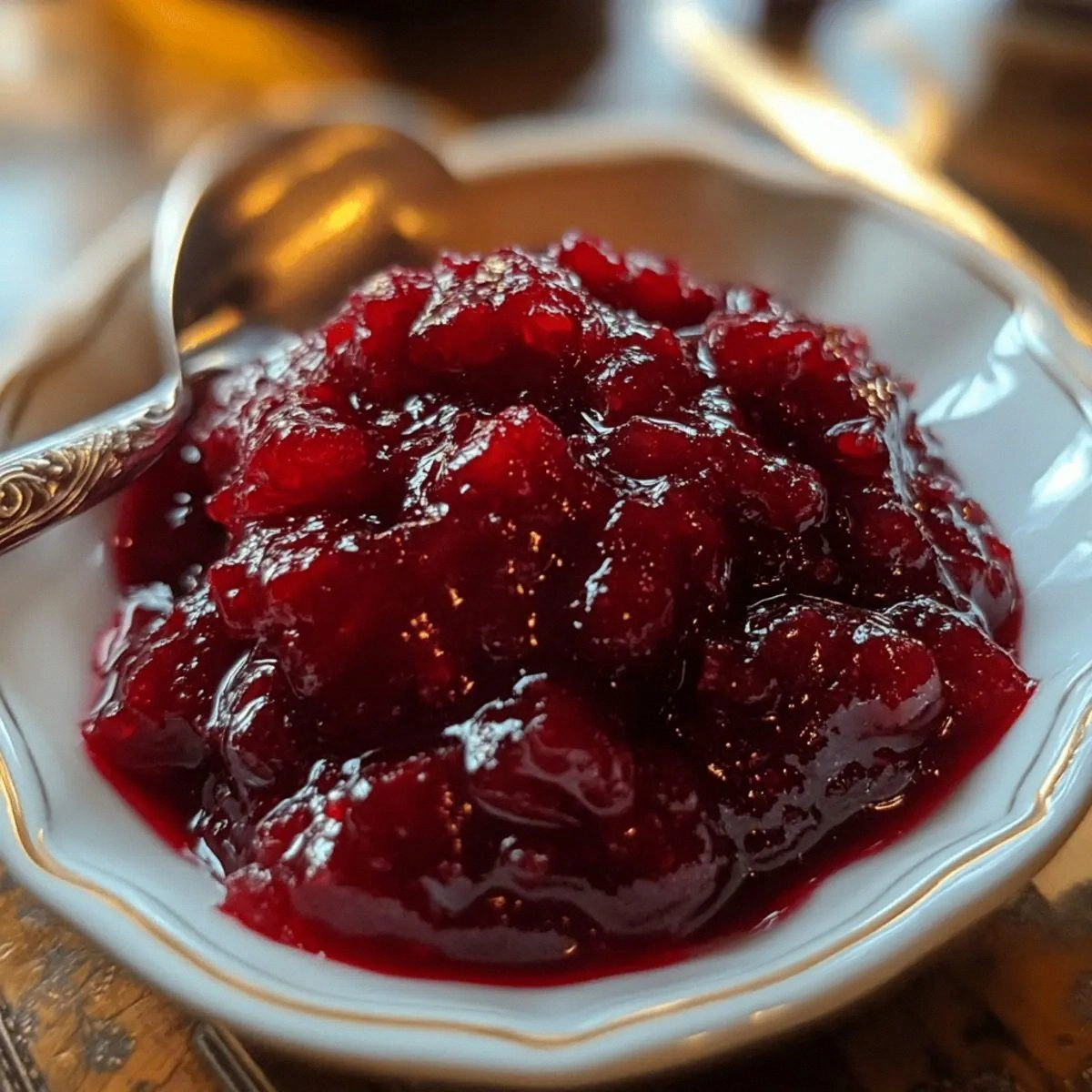
- Visual Appeal: The bright crimson hue and glossy finish make it a feast for the eyes before it even touches your tongue.
- Crowd Reaction: Guests often comment that this sauce “reminds them of their childhood” and that it’s the highlight of the meal.
Inside the Ingredient List
The Flavor Base
Fresh cranberries are the star of this sauce. They bring natural tartness, a slight bitterness that balances the sweetness, and a bright crimson color that is impossible to resist. If you skip cranberries, you lose the core identity of the dish; the sauce turns into a generic fruit compote. For the best flavor, choose cranberries that are firm and free of blemishes. A quick rinse and a gentle pat dry will keep them from releasing excess water during cooking.
The Sweetener
Granulated sugar is the traditional sweetener, but I’ve swapped it for maple syrup in this version to add depth and a subtle caramel note. Maple syrup also brings antioxidants that complement the cranberries. If you’re watching sugar intake, reduce the amount by 25% and add a splash of unsweetened apple juice to maintain the moisture. Skipping the sweetener altogether will result in a sauce that tastes like a salad dressing rather than a holiday staple.
The Citrus Boost
Orange zest and fresh orange juice are the citrus backbone of this sauce. The zest delivers essential oils that intensify the aroma, while the juice adds brightness and a subtle bitterness that cuts through the sweetness. If you can’t find fresh oranges, use a high-quality orange juice that’s free from added sugars. Skipping the citrus will make the sauce feel flat and less vibrant.
The Spice Blend
Ground cinnamon and cloves are the spice duo that gives the sauce its warm, comforting undertone. They’re measured precisely: 1 tsp cinnamon and ¼ tsp cloves. Too much cloves can overpower the fruit, while too little cinnamon can leave the sauce feeling incomplete. If you’re adventurous, add a pinch of nutmeg for an extra layer of warmth.
The Texture Crew
Water and chopped pecans or walnuts help achieve the desired consistency and add a delightful crunch. The water helps the cranberries release their juices, while the nuts provide a contrasting texture that prevents the sauce from becoming too syrupy. If you prefer a smoother sauce, omit the nuts or pulse the sauce briefly in a blender after cooking.
The Unexpected Star
Fresh ginger is the unexpected star that adds a subtle heat and a peppery aroma. It’s a small addition—just 1 tbsp—but it elevates the sauce from ordinary to extraordinary. If you’re not a fan of ginger, replace it with a teaspoon of ground ginger or a pinch of cayenne for a different kick. Skipping ginger will leave the sauce lacking that subtle zing that keeps the palate engaged.
Everything's prepped? Good. Let's get into the real action.
The Method — Step by Step
- In a medium saucepan, combine the fresh cranberries, granulated sugar, and ½ cup water. Stir gently to coat the berries evenly. Bring the mixture to a gentle boil over medium heat, allowing the cranberries to burst and release their juices. The aroma of sweet fruit will fill the kitchen—this is the moment where the sauce starts to feel alive. Let it simmer for 10 minutes, stirring occasionally to prevent sticking.
- Add the orange zest, fresh orange juice, and ground ginger to the pot. The citrus oils will mingle with the fruit, creating a fragrant bouquet. Reduce the heat to low and let the mixture simmer for another 8–10 minutes, or until the cranberries are plump and the liquid has thickened slightly. The sauce should look glossy and almost translucent—this is the cue that it’s nearly ready.
- Stir in the ground cinnamon and ground cloves. The spices will infuse the sauce with warmth and depth. Taste the sauce; if you feel it needs a little more sweetness, add a tablespoon of maple syrup or honey. This step is critical—over-sweetening can drown the fruit, while under-sweetening will leave the sauce too tart.
- Fold in the chopped pecans or walnuts. They add a nutty crunch that contrasts the silky fruit. If you’re making a nut-free version, simply omit this step or replace with a tablespoon of toasted coconut flakes for a tropical twist. Allow the nuts to toast slightly in the sauce for 2 minutes, giving them a golden finish.
- Taste again and adjust the seasoning. If the sauce feels too thick, add a splash of water or orange juice; if it’s too thin, let it simmer longer. The ideal consistency is thick enough to coat a spoon but still pourable. The sauce should have a slight sheen, like a glossy glaze.
- Remove the saucepan from heat and let the sauce cool to room temperature. The sauce will continue to thicken as it cools, so don’t rush this step. If you need to speed up the cooling process, transfer the sauce to a shallow dish and stir occasionally.
- Transfer the cooled sauce to an airtight container and refrigerate for at least 2 hours before serving. This resting period allows the flavors to meld together, creating a more harmonious taste experience. If you’re making it a day ahead, keep it covered and chilled.
- When ready to serve, give the sauce a quick stir to ensure the nuts are evenly distributed. If the sauce has thickened too much, add a tablespoon of warm water or orange juice and stir until the desired consistency is achieved. Plate the sauce on a shallow dish or drizzle it over your turkey or side dishes. The bright color and glossy finish will instantly elevate your Thanksgiving spread.
That’s it — you did it. But hold on, I’ve got a few more tricks that’ll take this to another level.
Insider Tricks for Flawless Results
The Temperature Rule Nobody Follows
Most people think that a low simmer is the key, but the trick is to let the sauce come to a gentle boil and then reduce the heat to a simmer. This allows the cranberries to release their natural pectin, which thickens the sauce without added thickeners. I’ve found that keeping the pot just below boiling prevents the sauce from becoming too thin. If the sauce appears too thick, add a splash of water, stir, and let it return to a gentle simmer. This method keeps the sauce silky and glossy.
Why Your Nose Knows Best
Before you taste the sauce, give it a sniff. A sweet, citrusy aroma indicates the orange zest is working, while a warm, spicy scent means the cinnamon and cloves are doing their job. If the aroma is flat, add a pinch more cinnamon or a splash of orange juice. Your nose is your best judge of flavor balance, so trust it. I’ve saved countless sauces from disaster by listening to the scent profile rather than the taste alone.
The 5-Minute Rest That Changes Everything
After simmering, let the sauce rest for 5 minutes before stirring. This brief pause allows the flavors to settle and the sauce to thicken slightly as it cools. It also lets the spices fully infuse into the fruit, giving a richer taste. I’ve seen sauces that taste bland right after cooking but come alive after a short rest. This simple step is often overlooked but makes a noticeable difference.
The Nutty Crunch Factor
If you love nuts, toast them in a dry skillet until golden before adding them to the sauce. Toasting brings out their natural oils and adds a depth of flavor that raw nuts can’t match. I’ve used both pecans and walnuts, but the key is to keep them from burning. Once toasted, fold them in during the last minute of cooking so they stay crunchy.
The Sweetness Balance
Maple syrup is my go-to sweetener because it adds antioxidants and a caramel note that complements the cranberry’s tartness. If you prefer a lower-calorie option, swap the maple syrup for honey or a sugar substitute like stevia. Just remember that the sweetness level will change, so taste as you go. I’ve found that a ¼ cup of maple syrup is enough to bring the sauce to the right level of sweetness.
Creative Twists and Variations
Cranberry-Orange Marmalade
Transform the sauce into a marmalade by simmering it longer until it reaches a jam-like consistency. Add a tablespoon of lemon zest for extra brightness. This version is perfect for spreading on toast or using as a glaze for pork.
Spiced Gingerbread Cranberry
Add a pinch of gingerbread spice mix (cinnamon, nutmeg, allspice) and a splash of bourbon for a grown‑up twist. The result is a sauce that pairs beautifully with pumpkin pies or as a topping for ice cream.
Chocolate Cranberry Dip
Stir in 2 tablespoons of melted dark chocolate for a decadent dip that’s ideal for dipping pretzels or crackers. The chocolate adds a rich depth that balances the tartness of the cranberries.
Vegan Cranberry Sauce
Replace the maple syrup with agave nectar and use coconut water instead of orange juice. This version keeps the sauce dairy-free and suitable for vegan guests.
Cranberry-Apple Fusion
Add diced apples and a pinch of nutmeg for a fall-inspired fusion. The apples soften during cooking, adding a natural sweetness that complements the cranberries.
Herb-Infused Cranberry
Incorporate fresh rosemary or thyme during the simmer for an herbal note that pairs well with roasted turkey. The herbs infuse subtly, giving the sauce an unexpected depth.
Storing and Bringing It Back to Life
Fridge Storage
Store the sauce in an airtight container in the refrigerator for up to 5 days. The flavors will deepen, and the sauce will maintain its glossy texture. Before serving, give it a quick stir to re‑incorporate the nuts.
Freezer Friendly
Freeze the sauce in portioned containers for up to 3 months. Thaw overnight in the refrigerator and reheat gently on the stovetop with a splash of water to restore its consistency. The sauce will keep its bright color and flavor profile.
Best Reheating Method
To reheat, place the sauce in a saucepan over low heat. Add a tiny splash of water or orange juice to prevent sticking and to bring the sauce back to a pourable consistency. Stir frequently, and heat just until warm; do not boil, as this can cause the sauce to separate.