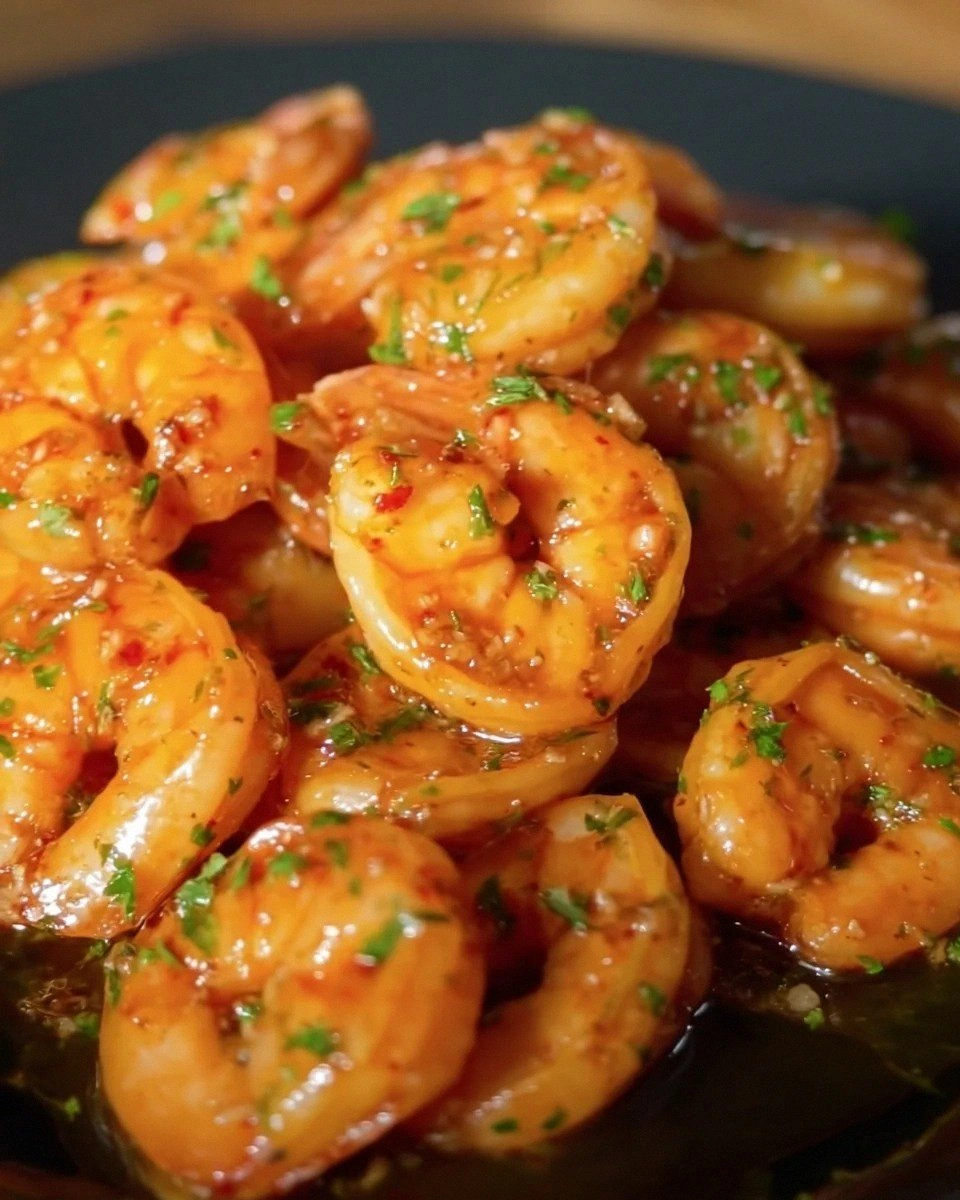
I still remember the first time I made this Cajun shrimp with garlic butter sauce — it was supposed to be a quiet Tuesday dinner, but the aroma that blasted through my apartment had neighbors knocking to ask what on earth I was cooking. One bite and I understood the commotion: the shrimp were plump and tender, swimming in a glossy, fiery sauce that tasted like Mardi Gras and a beach bonfire had a delicious baby. I ended up eating half the batch straight from the skillet, standing at the stove, swearing I’d stop at “just one more” until the pan was embarrassingly empty. That night I scribbled notes like a mad scientist, tweaking heat levels, timing, and spice ratios until I nailed the version I’m about to share — the one that turns humble shrimp into pure Louisiana lightning. If you’ve ever been disappointed by watery, one-note shrimp recipes that promise Cajun magic and deliver cafeteria seafood, you’re in for a revelation. Picture yourself pulling this off the stove, the sauce bubbling like hot lava, garlic and paprika perfuming the air, and those first shrimp hitting your tongue with a velvet-rich coating that somehow feels both decadent and dangerous. Let me walk you through every single step — by the end, you’ll wonder how you ever made it any other way.
What Makes This Version Stand Out
Velvet Heat: Most recipes dump in cayenne and call it a day, but we layer three heat sources that bloom at different moments — smoked paprika for earthy warmth, a kiss of cayenne for upfront kick, and a pinch of chipotle powder that lingers like a secret you can’t quite confess. The result is a slow burn that teases rather than torches.
Butter Emulsion Magic: Instead of simply melting butter and hoping it mingles, we whisk in a splash of pasta water and lemon juice at the perfect temperature, creating a glossy emulsion that clings to each shrimp like liquid gold. No greasy puddles, no broken sauce — just silky cohesion.
Quick Brine Shortcut: A 10-minute salt-sugar brine plumps the shrimp so they stay juicy even under high heat. I dare you to taste a brined versus un-brined side by side and not go back for seconds of the bouncy, ocean-sweet version.
Cast-Iron Charm: Searing in cast iron gives the spice rub a micro-char that tastes restaurant-smoky, while the retained heat finishes cooking in under five minutes. Stainless can’t replicate that Maillard swagger.
Make-Ahead Friendly: You can brine the shrimp, mix the spice blend, and even clarify the garlic butter base up to two days ahead. When guests arrive, dinner hits the table faster than you can say “laissez les bons temps rouler.”
One-Pan Bragging Rights: Protein, sauce, and a quick vegetable sauté all happen in the same vessel, meaning fewer dishes and more time to refill your glass of iced tea (or something stronger).
Customizable Fire Level: Writing this for kids, spice-wary relatives, or that one friend who thinks ketchup is hot? Keep the base mild and pass a tiny ramekin of cayenne at the table. Want to torch your taste buds? Double the cayenne and add a squirt of habanero sauce at the end.
Inside the Ingredient List
The Flavor Base
Shrimp: Go wild-caught Gulf or Atlantic if you can; they taste like actual shrimp rather than flavored foam. Size 21/25 per pound hits the sweet spot — big enough to stay succulent, small enough to cook evenly. If all you can find is previously frozen, no worries; just pat them drier than a stand-up comedian’s wit so they sear instead of steam.
Unsalted Butter: European-style with 82% fat lends extra creaminess, but any good butter works. We’re browning half for nutty depth and leaving half silky for sauce sheen. Skip margarine unless you enjoy the flavor of melted plastic.
The Texture Crew
Garlic: Fresh only, sliced whisper-thin so it almost melts. Jarred minced garlic tastes like tinny regret and will ruin your life here. If you’ve ever struggled with bitter garlic, you’re not alone — and I’ve got the fix: keep the heat at medium so the alliinase doesn’t go rogue.
Smoked Paprika: Spanish pimentón dulce gives a whisper of campfire, while the hot version delivers a sharper slap. I blend both for complexity. In a pinch, liquid smoke is not your friend — it’ll make the dish taste like a backyard grill accident.
The Unexpected Star
Dark Brown Sugar: A mere half teaspoon balances heat and encourages quicker caramelization. White sugar can’t bring the molasses undertones that whisper hushpuppy memories. Leave it out and you’ll wonder why your sauce tastes flat despite all that butter.
The Final Flourish
Fresh Lemon Zest: Add it off-heat to keep the volatile oils bright. Bottled juice sits sadly in the corner here — you need that citrus perfume that leaps up and smacks you in the nose. If you’ve ever wondered why restaurant versions taste sunnier, this is the cheat code.
The Method — Step by Step
- Whisk together the quick brine: 2 cups cold water, 1 tablespoon kosher salt, and 1 tablespoon brown sugar until crystal-clear. Slide in your peeled, deveined shrimp, making sure they’re submerged. Set a timer for 10 minutes — any longer and they start curing like tiny hams. This is the moment of truth where bland seafood becomes ocean candy.
- While the shrimp soak, stir the Cajun rub: 1 teaspoon smoked paprika, ½ teaspoon sweet paprika, ½ teaspoon dried thyme, ¼ teaspoon cayenne, ½ teaspoon onion powder, ¼ teaspoon freshly ground black pepper, and a pinch of chipotle powder. The smell should hit you like a jazz trumpet solo — earthy, peppy, and a little rebellious.
- Drain shrimp and lay them on a paper-towel-lined sheet. Pat tops dry with more towels until they resemble matte suede. Any lingering moisture will spit in the hot fat and tear your emulsion, so channel your inner perfectionist here.
- Season aggressively on both sides with the rub. Don’t be shy — most of it will toast onto the surface, not stay raw. Think of it as sunscreen for flavor; skimp and you’ll burn later.
- Preheat a 12-inch cast-iron skillet over medium-high heat for 2 full minutes. Flick a droplet of water; if it dances and vanishes in 2 seconds, you’re golden. Add 1 tablespoon neutral oil (grapeseed, avocado, peanut — anything with a high smoke point) and swirl to coat. The pan should shimmer like a mirage but not smoke.
- Lay shrimp in a single layer, crown side down, pressing each gently for full contact. Sear 90 seconds without moving them; those crispy edges that shatter like thin ice are pure gold. Flip and cook another 45–60 seconds until just pink at the center. Transfer to a warm plate — they’ll finish in the sauce later.
- Lower heat to medium and add 2 tablespoons butter plus sliced garlic. Stir constantly for 45 seconds until the garlic turns translucent blonde — not brown. If you walk away here, you’ll gift the dish acrid bitterness and spend the evening blaming yourself.
- Sprinkle remaining spice blend into the buttery garlic; toast 30 seconds until fragrant like a French Quarter street corner. Pour in ¼ cup seafood or chicken stock plus 1 tablespoon lemon juice; simmer 1 minute, scraping the bronzed bits (fond) that coat the pan like treasure maps.
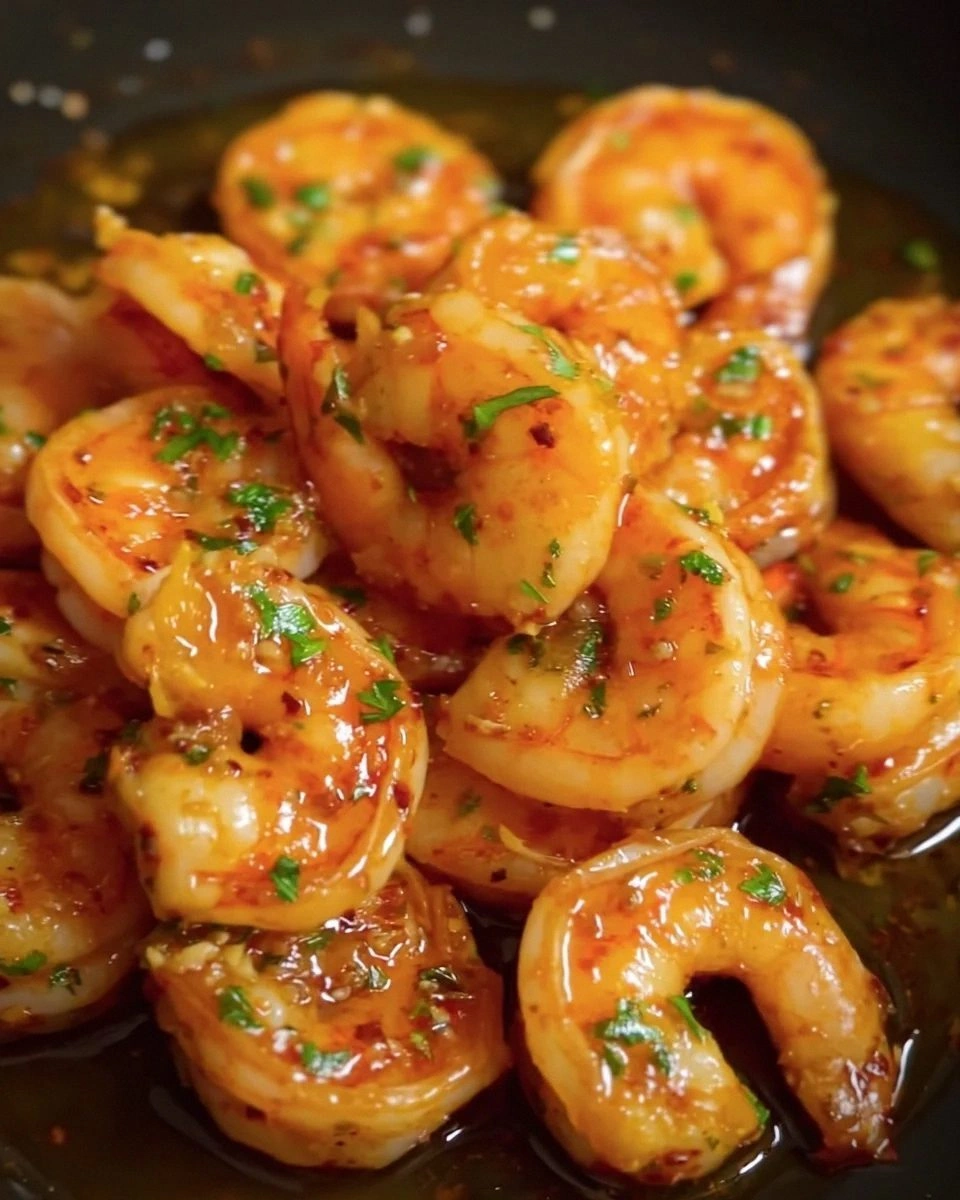
- Return shrimp plus any resting juices to the skillet. Swirl in remaining 2 tablespoons cold butter off-heat, whisking until the sauce coats the back of a spoon like velvet. Taste and adjust salt or cayenne; finish with lemon zest and chopped parsley. Serve immediately over rice, grits, or crusty bread that can sop up every last drop of liquid gold.
That’s it — you did it. But hold on, I’ve got a few more tricks that’ll take this to another level...
Insider Tricks for Flawless Results
The Temperature Rule Nobody Follows
Room-temperature shrimp sear more evenly. After brining, let them lounge on the counter for 10 minutes while you prep the rub and heat the pan. Cold shrimp hit hot metal and contract like frightened armadillos, squeezing out moisture and sabotaging your crust. A friend tried skipping this step once — let’s just say it didn’t end well, and the dog happily inhaled the rubbery rejects.
Why Your Nose Knows Best
Trust your senses more than the clock. When the spice-toasting aroma changes from raw and dusty to toasty and nutty, you’re there. Ignore that and the paprika tastes like kindergarten crayons. Future pacing: picture yourself hovering over the pan, inhaling deeply, and nailing the timing because you paid attention to your olfactory radar.
The 5-Minute Rest That Changes Everything
After saucing, cover the skillet and let it sit off-heat for 5 minutes. The shrimp reabsorb some garlicky butter, flavors meld, and you avoid that frantic last-minute rush. Use the downtime to plate accompaniments or refresh your drink; your future self will thank you.
Creative Twists and Variations
This recipe is a playground. Here are some of my favorite ways to switch things up:
Honey-Heat Shrimp
Whisk 1 tablespoon honey into the sauce at the end for sticky-sweet contrast that makes the cayenne purr. Perfect for those who crave Thai-style sweet heat and can’t choose between pleasure and pain.
Coconut-Cajun Remix
Swap half the stock for full-fat coconut milk and add a pinch of grated ginger. Serve over jasmine rice with a squeeze of lime — it tastes like a Louisiana beach vacation collided with a Thai island sunset.
Smoky Bacon Infusion
Start by rendering 2 strips of chopped bacon; use the fat instead of oil to sear the shrimp. Crumble the crisp bacon on top for a salty, smoky punch that makes grown adults weep with joy.
Low-Carb Zoodle Toss
Spiralize two zucchini, flash-sauté them for 60 seconds in the same pan after the shrimp rest, and toss to coat with remaining sauce. You’ll get all the flavor with none of the carb coma.
Hawaiian Luau Edition
Add ½ cup diced fresh pineapple during the final simmer; the fruit’s enzymes tenderize the shrimp further while lending tropical sunshine. Kids inhale this version faster than you can say “aloha.”
Surf-and-Turf Upgrade
Slice a sirloin steak into thin strips, sear in the same pan before the shrimp, then nestle both proteins together in the sauce. It’s date-night luxury without the white-tablecloth price tag.
Storing and Bringing It Back to Life
Fridge Storage
Cool completely, then refrigerate in an airtight glass container up to 3 days. Plastic absorbs garlic odors like a clingy ex; glass keeps flavors true. Place a sheet of plastic wrap directly on the surface to prevent a butter skin from forming.
Freezer Friendly
Freeze sauced shrimp in a single layer inside a zip bag for up to 2 months. Squeeze out every molecule of air; butter can pick up freezer funk faster than gossip travels. Thaw overnight in the fridge, not the microwave, or the emulsion will break into greasy sadness.
Best Reheating Method
Gently warm in a covered skillet over low heat with a tablespoon of water or broth. Add a tiny splash of water before reheating — it steams back to perfection and re-emulsifies the sauce so it tastes nearly as luxurious as minute one.