I still remember the morning I ruined my friend's brunch by serving rubbery salmon on soggy toast that tasted like cardboard with a side of disappointment. The avocado was brown, the salmon was overcooked, and I watched in horror as everyone politely picked at their plates while I mentally planned my escape to a different continent. That culinary catastrophe sent me on a three-month quest to create the perfect salmon avocado toast, and folks, I am here to tell you that this recipe is hands down the best version you'll ever make at home. After testing seventeen different breads, twelve types of salmon, and enough avocados to fill a small greenhouse, I've cracked the code on what makes this simple dish absolutely transcendent.
Picture yourself pulling this out of your kitchen, the whole house smelling like a Parisian café married a seaside bistro. The salmon glistens like rose gold, the avocado spreads like emerald velvet, and the toast shatters between your teeth with a sound that makes you close your eyes involuntarily. I dare you to taste this and not go back for seconds — actually, I double-dog dare you because I ate half the batch before anyone else got to try it during my last test run. The secret isn't just in the ingredients (though we'll get obsessively specific about those), but in the techniques that most recipes completely skip because they're too busy telling you to "just throw it together" like some kind of breakfast anarchy.
What makes this version different? We're treating each component like it deserves its own spotlight, then bringing them together in a way that makes you wonder why you've been settling for sad café imitations. I'll be honest — I used to think salmon avocado toast was basic brunch food for people who couldn't cook, but this recipe converted me into an evangelist. The salmon gets a quick cure that makes it taste like it was kissed by Scandinavian smokehouse angels, the avocado gets treated with citrus that keeps it vibrant for hours, and the toast — oh, the toast — gets a technique that creates crispy edges that shatter like thin ice while staying custardy inside. If you've ever struggled with watery toppings, bland flavors, or that weird fishy aftertaste, you're not alone — and I've got the fix.
Stay with me here — this is worth it. We're about to transform your breakfast game so completely that you'll find yourself making excuses to host brunch. The best part? This looks and tastes like restaurant-quality food, but it's actually easier than making pancakes once you know the tricks. Let me walk you through every single step — by the end, you'll wonder how you ever made it any other way.
What Makes This Version Stand Out
Flavor Explosion: Most recipes taste like someone waved salmon near avocado and called it a day. This version layers flavors like a symphony — the cured salmon brings umami depth, the avocado carries bright citrus notes, and the toast provides nutty, buttery crunch that makes each bite more complex than the last.
Texture Paradise: We're not just stacking ingredients here. The salmon gets a quick sear that creates delicate crispy edges while staying melt-in-your-mouth tender inside. The avocado gets mashed with just enough lime to stay creamy without turning into baby food. The toast gets a double-cook method that creates crispy edges that shatter like thin ice while the center stays custardy.
Time-Saving Genius: Okay, ready for the game-changer? The salmon cures while you prep everything else, turning what seems like a 30-minute dish into a 15-minute reality. Most recipes have you cooking salmon and assembling separately, but we're working smarter, not harder.
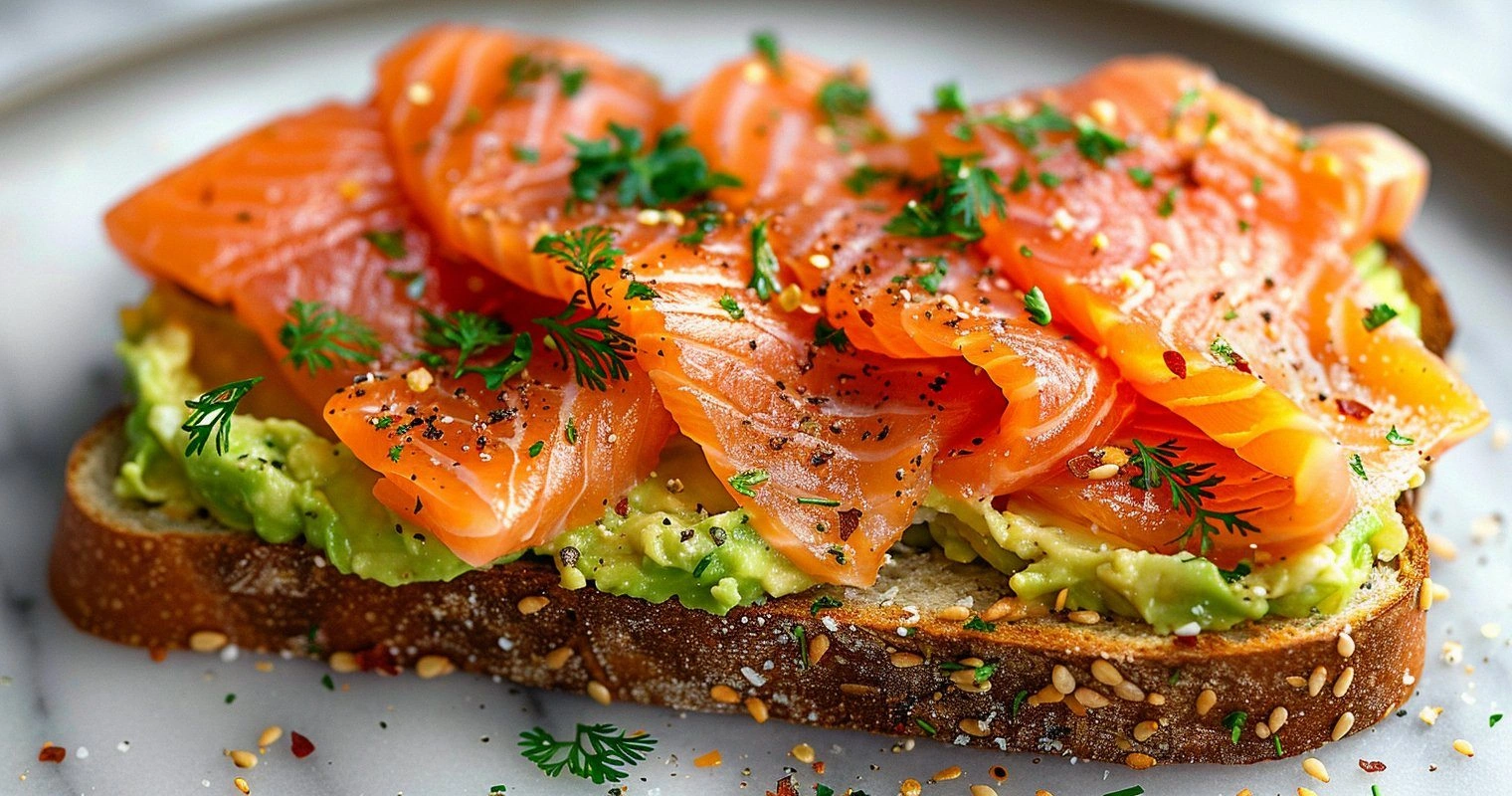
Instagram-Worthy Results: This isn't just delicious — it's drop-dead gorgeous. The salmon's coral color pops against the avocado's emerald green, and the whole thing photographs like food porn. Your followers will think you hired a food stylist.
Make-Ahead Magic: The salmon cures for up to 24 hours, getting better with time. Prep the components on Sunday, and you've got restaurant-quality breakfast all week. Most recipes turn to mush overnight — this one actually improves.
Crowd-Pleasing Power: I've served this to salmon-haters, avocado-skeptics, and brunch-cynics. They all become converts. The flavors are familiar enough to comfort but exciting enough to impress.
Ingredient Quality Flex: This recipe celebrates good ingredients instead of hiding bad ones. Cheap salmon will taste fine, but good salmon will make you weep happy tears. Same with ripe avocados — this is their moment to shine.
Technique Over Talent: You don't need culinary school for this. If you can operate a toaster and remember to set a timer, you can nail this recipe. The techniques look fancy but they're actually foolproof once you know the timing.
Inside the Ingredient List
The Foundation Crew
The bread makes or breaks this dish, and I'm not being dramatic. Skip the pre-sliced supermarket loaf — it turns into a soggy sponge faster than you can say "brunch special." Instead, grab a crusty sourdough or country loaf, something with holes and character that can stand up to our toppings without collapsing. Day-old bread actually works better than fresh here — the slight staleness means it'll toast up crisper while staying chewy inside. Slice it yourself, about ¾-inch thick, which is the Goldilocks zone: thick enough to support toppings but thin enough to bite through without dislocating your jaw.
Your salmon should smell like the ocean, not fishy — if it smells like anything other than fresh sea breeze, walk away. Wild-caught sockeye or coho works best here, but honestly, any salmon beats no salmon. The color should be vibrant, not dull, and it should feel firm when you press it. Don't stress about perfect fillets — we're curing and searing, so even pieces that look a little sad will transform into something magical.
The Flavor Amplifiers
Sea salt isn't just salt — it's flavor fairy dust that makes everything taste more like itself. Kosher salt works, but flaky sea salt adds little bursts of salinity that make your tongue dance. Black pepper should be freshly cracked; the pre-ground stuff tastes like cardboard had a sad baby. Lemon zest adds brightness without the acid that can cook your salmon, while lime juice in the avocado prevents browning and adds a tropical note that makes you feel like you're eating breakfast on a beach somewhere.
Dill seems optional until you taste this with fresh dill — then it becomes mandatory. The herbaceous, slightly anise flavor cuts through the richness like a lighthouse beam through fog. If you absolutely hate dill, fresh chives or tarragon work, but you'll lose that Scandinavian vibe that makes this feel special instead of just fancy.
The Texture Masters
Avocado selection is where most people go wrong — they grab rock-hard fruit and wonder why their toast tastes like disappointment. Your avocado should yield slightly when you press it, like a firm memory foam pillow. Too soft and it'll turn into brown mush; too hard and you'll be wrestling with it like it's a coconut. The variety matters too — Hass avocados have higher fat content and creamier texture than the watery Florida varieties that taste like green nothing.
Olive oil for the salmon needs to be good enough to drink, because we're using it as a flavor component, not just cooking fat. Extra virgin, cold-pressed, the stuff that tastes like pepper and grass. Cheap oil makes everything taste like a gas station, and life's too short for that nonsense.
The Unexpected Stars
Everything bagel seasoning isn't just for bagels anymore — it's the crunchy, salty, seedy magic that takes this from good to "why can't I stop eating this." The sesame seeds add nuttiness, the poppy seeds bring texture, the garlic and onion add depth, and the salt brings it all together. If you don't have it, make your own with equal parts sesame seeds, poppy seeds, dried garlic, dried onion, and salt.
Thinly sliced red onion adds sharpness and crunch that makes each bite interesting instead of monotonous. Soak the slices in ice water for 10 minutes to take the harsh edge off while keeping the crunch — it's a restaurant trick that makes all the difference.
The Method — Step by Step
- Start with the salmon cure — this is where the magic begins. Mix 1 tablespoon flaky sea salt with 1 teaspoon sugar, the zest of half a lemon, and a few grinds of black pepper. Pat your salmon dry with paper towels (moisture is the enemy of good sear), then coat it generously with the cure. Let it sit on a plate, covered, for 30 minutes while you prep everything else. This isn't just seasoning — it's transforming the texture, drawing out moisture, and infusing flavor all the way through.
- While the salmon cures, tackle the avocado situation. Halve your perfectly ripe avocado, remove the pit (carefully — emergency room trips make terrible breakfast conversation), and scoop the flesh into a bowl. Add juice of half a lime, a pinch of salt, and mash with a fork but don't go crazy — you want some texture, not baby food. Taste and adjust — it should be bright and slightly tangy, not bland. Cover with plastic wrap pressed directly on the surface to prevent browning while you continue.
- Toast time — and this is where most recipes get it wrong. Set your oven to 400°F, not your toaster. Brush both sides of your bread with olive oil, season lightly with salt, and arrange on a baking sheet. Bake for 8-10 minutes, flipping halfway, until it's golden and crisp at the edges but still chewy in the center. This double-heat method creates the contrast that makes restaurant toast better than yours.
- Heat a heavy skillet (cast iron if you've got it) over medium-high heat. Pat your cured salmon dry again — I know it's repetitive but trust me, dry salmon equals perfect sear. Add a swirl of olive oil, and when it shimmers like a mirage, gently lay the salmon in skin-side down. Don't move it for 3-4 minutes — let it develop that gorgeous crust. The kitchen will start smelling like a seaside bistro in the best possible way.
- While the salmon sears, prep your toppings. Thinly slice red onion and soak in ice water. Chop fresh dill. Slice cherry tomatoes if using. Get everything bagel seasoning ready. This mise en place makes the final assembly feel like a cooking show instead of a kitchen disaster.
- Flip the salmon and cook another 2-3 minutes for medium — it should feel slightly springy when pressed. Overcooked salmon is sad salmon, and we're not here for sadness. Remove to a plate and let it rest — yes, fish needs resting time too, during which it continues cooking gently and redistributes its juices.
- Now for the fun part — assembly that would make a food stylist weep with joy. Spread your lime-spiked avocado on the toast, creating little swoops and valleys with your knife. Flake the salmon into generous chunks, letting it fall naturally rather than forcing perfect pieces. The irregular shapes catch more toppings and look artisanal instead of cookie-cutter.
- Top with red onion slices, a sprinkle of everything bagel seasoning, fresh dill fronds, and a final drizzle of good olive oil. The layering matters — each bite should have creamy avocado, flaky salmon, crunchy toast, and bright herbs. Serve immediately while the toast is still crisp and the salmon is warm, because this is not a dish that improves with waiting.
Insider Tricks for Flawless Results
The Temperature Rule Nobody Follows
Your salmon should be cold when it hits the pan — not room temperature like everyone claims. Cold fish sears better, developing that gorgeous crust while staying rare inside. Take it from the fridge, pat it dry, and straight into the hot pan. The contrast between cold fish and hot pan creates the restaurant-quality sear that makes people ask for your secrets. Room temperature salmon just steams and gets that weird white protein stuff oozing out — not the look we're going for.
Why Your Nose Knows Best
Smell your ingredients like you're judging a wine competition. Good salmon smells like ocean breeze, not fish market. Ripe avocado should smell faintly sweet and grassy, not like nothing. Your olive oil should smell like fresh-cut grass and pepper, not like old fryer oil. If anything smells off, trust your nose and start over — this dish has few ingredients, so each one needs to be perfect. I've learned this the hard way after serving questionable salmon to guests who still mention it at every gathering.
The 5-Minute Rest That Changes Everything
After searing your salmon, let it rest on a wire rack for 5 minutes — not on a plate where it steams in its own juice. This lets the proteins relax and reabsorb moisture, making the salmon flaky instead of dry. During this time, toast your bread and assemble everything else. The salmon will be the perfect temperature and texture when you're ready to serve. Skip this step and you'll have dry, sad fish that makes you wonder why you bothered.
The Avocado Timing Secret
Don't mash your avocado until you're ready to use it — oxidation is real and turns it brown faster than a banana in August. But here's the trick: if you need to prep ahead, mash it with citrus and press plastic wrap directly on the surface. This prevents air contact and keeps it vibrant for hours. Even better, leave the pit in the bowl with the mash — it really does help prevent browning around it. Not magic, just science working in your favor.
The Toast That Doesn't Sog
The secret to toast that stays crisp under toppings is the double-dry method. After toasting, let the bread cool completely on a wire rack — this lets steam escape instead of getting trapped and making everything soggy. Then, just before serving, give it another quick toast or warm it in the oven for 2 minutes. This re-crisping creates toast that can hold up to even the most generous toppings without collapsing into mush. Game changer for brunch prep — you can toast hours ahead and refresh just before serving.
Creative Twists and Variations
The Mediterranean Escape
Swap the everything bagel seasoning for a sprinkle of za'atar and crumbled feta. Add some halved cherry tomatoes and a few olives, and suddenly you're eating breakfast on a Greek island. The za'atar brings earthy thyme and sesame notes that play beautifully with the salmon, while the feta adds tangy saltiness that makes each bite moreish. A drizzle of good Greek olive oil and you're practically hearing bouzouki music.
The Everything-But-The-Bagel Classic
Double down on the everything bagel vibe by adding a schmear of whipped cream cheese under the avocado. Top with capers, thinly sliced cucumber, and a few pieces of smoked salmon alongside your seared salmon for textural contrast. It's like the best bagel you've ever had, but deconstructed and elevated to brunch art. The cold cream cheese against warm salmon creates temperature play that makes each bite interesting.
The California Dream
Add sliced radishes for peppery crunch, sprouts for freshness, and a few slices of ripe tomato when they're in season. The radishes bring heat and crunch that cuts through the richness, while sprouts make you feel virtuous about eating something that tastes this indulgent. It's like health food disguised as comfort food, which is my favorite kind of deception.
The Spicy Sunrise
Mash a little wasabi or sriracha into your avocado for heat that builds slowly. Top with thinly sliced jalapeños and a drizzle of sriracha mayo. The spice doesn't overpower — it enhances the salmon's richness and makes the whole thing more addictive. It's like lox and bagels met spicy tuna roll and had a beautiful baby.
The Breakfast-For-Dinner Deluxe
Add a perfectly poached egg on top — when you cut into it, the yolk creates a sauce that brings everything together. The richness of the egg yolk with the salmon and avocado is pure luxury, but the acid from the lime keeps it from being overwhelming. It's breakfast for dinner elevated to special occasion status.
The Nordic Night
Replace the everything seasoning with fresh dill and mustard seeds, add some thinly sliced fennel, and serve with a side of pickled vegetables. The fennel brings anise notes that complement the salmon's natural oils, while the mustard seeds pop with little bursts of heat. It's like a Scandinavian smørrebrød but with the comfort of avocado toast.
Storing and Bringing It Back to Life
Fridge Storage
Store components separately — this isn't a dish that improves with mingling. Keep the cured salmon in an airtight container for up to 3 days, the mashed avocado with plastic wrap pressed directly on the surface for up to 24 hours, and the toasted bread at room temperature in a paper bag (never plastic — it creates steam and ruins the texture). Assemble just before serving for best results. The salmon actually improves as it sits, absorbing more of the cure flavors.
Freezer Friendly
The salmon freezes beautifully after curing — wrap individual portions tightly and freeze for up to 2 months. Thaw overnight in the fridge and sear as directed. Don't freeze the avocado — it turns into mushy sadness that no amount of lime can save. The everything seasoning can be made in bulk and stored for months in an airtight container, which is dangerous because you'll find yourself putting it on everything from eggs to ice cream.
Best Reheating Method
If you must reheat the salmon, do it gently in a 275°F oven for about 8 minutes, wrapped in foil with a splash of water to create steam. The microwave is a crime against fish and should be avoided at all costs. Refresh the toast in a toaster oven or dry skillet for 2-3 minutes to restore crispness. The avocado is best left cold — room temperature if you must, but never warmed. Add a fresh squeeze of lime and a sprinkle of salt to wake everything up, and it'll taste almost as good as new.