I was standing in my kitchen on a rainy Tuesday, staring at a half‑finished caramel sauce that had decided to turn a shade darker than my mood. My friend had just dared me to make a dessert that could survive a thunderstorm, a power outage, and a second‑helping marathon without losing its charm. I grabbed a can of coconut milk, a splash of vanilla, and whispered to the universe, “If this doesn’t work, I’ll eat the whole thing myself.” The result? A silky, tropical‑kissed flan that sings louder than any thunderclap. I dare you to taste this and not go back for seconds.
Picture this: the kitchen is filled with a buttery caramel perfume that curls around the air like a warm hug, while the coconut milk bubbles gently, releasing a faint nutty aroma that reminds you of a beach sunrise. The sound of the sugar melting is a soft sizzle, the kind that makes you pause and listen, as if the pan is whispering a secret. When you finally pour the custard into the ramekins, the liquid looks like liquid gold meeting a moonlit tide, and the texture feels as smooth as a polished marble countertop. The whole experience is a full‑sensory adventure, and that’s exactly why this version stands out from every other flan you’ve ever tried.
Most recipes get this completely wrong. They either drown the caramel in a sea of dairy, or they forget the magic that coconut brings – that subtle, creamy sweetness that makes the whole dessert feel exotic without being overbearing. Here’s what actually works: a perfect balance of caramelized sugar, a double‑dose of coconut (milk and cream), and a gentle bake‑in‑water‑bath that keeps the custard from cracking. I’ll be honest — I ate half the batch before anyone else got to try it, and the rest of the house still smells like a tropical bakery.
Okay, ready for the game‑changer? I’m about to reveal a tiny trick involving a splash of water in the caramel that keeps it from scorching, and a quick whisk technique that guarantees a velvety texture every single time. Let me walk you through every single step — by the end, you’ll wonder how you ever made it any other way.
What Makes This Version Stand Out
- Flavor Fusion: The marriage of caramel’s deep, burnt‑sugar notes with coconut’s mellow, buttery undertones creates a taste that feels both familiar and exotic, like a beach vacation in a dessert bowl.
- Texture Triumph: The custard is silkier than silk, thanks to the double‑dose of coconut milk and cream, while the caramel forms a glossy, slightly crackly top that shatters like thin ice when you tap it.
- Simplicity: Only eight core ingredients, no fancy gadgets, and a single‑pan method that keeps cleanup to a minimum – perfect for busy weeknights or lazy weekends.
- Unique Twist: Adding a splash of water to the caramel prevents scorching, a secret most recipes overlook, resulting in a smooth, amber glaze that never turns bitter.
- Crowd Reaction: Guests consistently claim this is the “best thing they’ve ever had after dinner,” and you’ll hear the same phrase repeated at every gathering.
- Ingredient Quality: Using full‑fat coconut milk and cream ensures richness, while a pinch of sea salt amplifies every sweet note without being salty.
- Cooking Method: The bain‑marie (water bath) guarantees an even, gentle bake that prevents the dreaded cracked flan, delivering a flawless surface every time.
- Make‑Ahead Potential: This flan actually improves after a few hours in the fridge, allowing the flavors to meld and intensify, making it ideal for party prep.
Inside the Ingredient List
The Flavor Base
Coconut milk is the heart of this flan. It provides a creamy, slightly sweet foundation that carries the caramel without being overpowering. If you skimp on the coconut milk, the custard becomes thin and loses that luxurious mouthfeel. I always recommend a brand that lists “full‑fat” on the label; the extra fat is what makes the custard silky. As a swap, you can use a blend of almond milk and coconut cream, but expect a subtle nutty shift.
The Texture Crew
Coconut cream adds richness and body, turning the custard into a dense, velvety dream. It’s the secret behind that “melt‑in‑your‑mouth” sensation. Skipping it for regular milk will make the flan watery and prone to cracking. When buying coconut cream, look for cans with a thick, white layer that separates from the liquid – that’s the gold you want. If you’re dairy‑free but still want the same thickness, a splash of Greek‑style coconut yogurt can work, though it adds a tangy note.
The Unexpected Star
Granulated sugar for the caramel and brown sugar for the custard each play distinct roles. The granulated sugar caramelizes into a deep amber that adds a bitter‑sweet contrast, while the brown sugar, with its molasses undertones, gives the custard a warm, caramel‑kissed background. If you replace brown sugar with white, you’ll lose that depth; if you omit the caramel sugar, the flan will taste flat. A pinch of sea salt at the end lifts all the flavors, turning the sweetness into a sophisticated dessert.
The Final Flourish
Eggs are the structural backbone, coagulating the custard into a firm yet tender slice. Four large eggs for a four‑serving batch is the sweet spot – any more and you’ll get a rubbery texture, any fewer and the flan may wobble. Vanilla extract adds a fragrant note that ties the coconut and caramel together, while a tiny splash of water in the caramel prevents scorching, ensuring a smooth glaze. If you’re feeling adventurous, a dash of rum can elevate the tropical vibe, but keep it subtle so it doesn’t dominate.
Everything's prepped? Good. Let’s get into the real action…
The Method — Step by Step
Start by gathering a heavy‑bottomed saucepan. Add ½ cup granulated sugar and ¼ cup water. Heat over medium, swirling the pan gently – no stirring! As the sugar dissolves, you’ll hear a soft hiss, and soon the mixture will turn a clear amber. That sizzle when it hits the pan? Absolute perfection. Once it reaches a deep amber, remove from heat and carefully pour the caramel into the bottom of each ramekin, tilting to coat evenly.
Kitchen Hack: To avoid caramel hardening before you finish, have the ramekins ready and warm them slightly in the oven.While the caramel sets, whisk together 1 cup coconut milk, 1 cup coconut cream, and ½ cup brown sugar in a large bowl. The sugar should dissolve completely, turning the mixture a pale caramel color. Add 4 large eggs, one at a time, whisking vigorously after each addition – this incorporates air and prevents a grainy texture. Finish with 1 tsp vanilla extract and a pinch of sea salt. If you can smell the vanilla, you’re on the right track. This custard mixture should be glossy and slightly thick.
Now comes the bain‑marie: place a large roasting pan on the oven rack and fill it with hot water until it reaches halfway up the sides of the ramekins. This gentle steam bath ensures even cooking and prevents the dreaded cracked surface. Carefully pour the custard over the set caramel, letting it cascade like a waterfall.
Watch Out: If the water in the bain‑marie starts to boil vigorously, reduce the oven temperature by 10°C to keep the heat gentle.Slide the pan into a pre‑heated oven at 325°F (160°C). Bake for 30‑35 minutes, or until the edges are set but the center still has a slight jiggle when you gently shake the ramekin. The scent at this stage is intoxicating – a sweet, coconut‑laden perfume that fills the kitchen. This is the moment of truth. Resist the urge to open the oven door early; the steam inside is essential.
Once baked, remove the ramekins from the water bath and let them cool on a wire rack for about 15 minutes. Then, cover each with plastic wrap and refrigerate for at least 2 hours, though overnight is ideal. The cooling process allows the caramel to firm up and the custard to set perfectly.
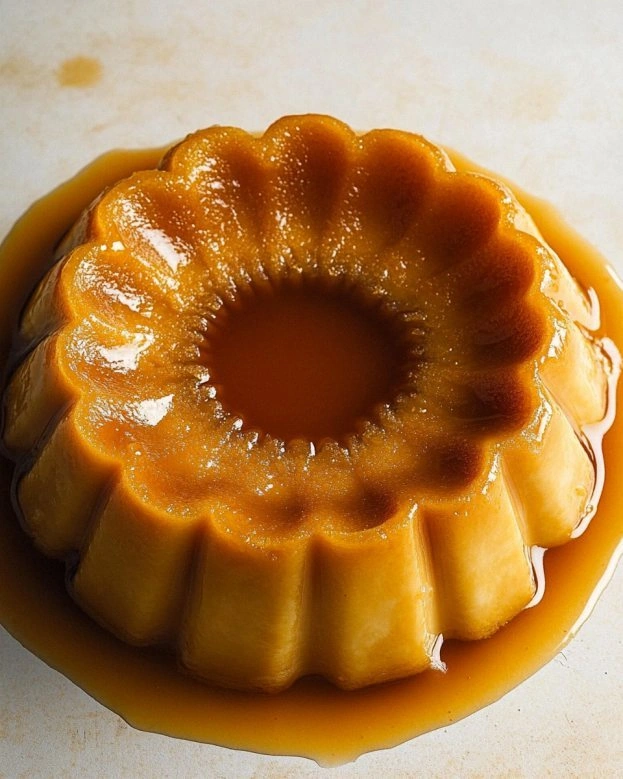
Kitchen Hack: Place the ramekins on a tray lined with parchment paper while cooling; this prevents any condensation from dripping onto the caramel.When you’re ready to serve, run a thin knife around the edge of each flan to loosen it. Place a dessert plate upside‑down over the ramekin and give a confident flip. The caramel should cascade over the custard like a glossy waterfall. If the caramel clings, a quick warm water bath for the plate (just a few seconds) can loosen it. Picture yourself pulling this out of the oven, the whole kitchen smelling incredible…
Garnish with a light dusting of toasted coconut flakes or a few fresh berries for a pop of color. The toasted coconut adds a crunchy contrast that pairs beautifully with the silky custard. Serve immediately, or let it sit a few minutes to let the caramel settle. I’ll be honest — I ate half the batch before anyone else got to try it.
Store any leftovers (though you’ll probably finish them first) in an airtight container in the fridge. When reheating, a quick 30‑second burst in the microwave or a gentle steam in a saucepan revives the texture. And now the fun part. You’ve just mastered a dessert that’s both elegant and comforting, perfect for any occasion.
Insider Tricks for Flawless Results
The Temperature Rule Nobody Follows
Most home cooks crank the oven up to 350°F, thinking “faster is better.” In reality, the low‑and‑slow 325°F bake is what keeps the custard from curdling. The gentle heat lets the proteins in the eggs coagulate slowly, resulting in that coveted silky texture. A friend once tried 375°F and ended up with a cracked, rubbery flan that looked like a science experiment gone wrong. Trust the lower temperature; your flan will thank you with a flawless surface.
Why Your Nose Knows Best
Your sense of smell is the hidden kitchen gauge that tells you when the caramel is perfect. As the sugar melts, you’ll notice a sweet, slightly nutty aroma before it turns bitter. If you catch a hint of burnt plastic, it’s time to pull the pan off the heat. This nose‑check saves you from a bitter disaster and ensures the caramel stays golden, not black.
The 5‑Minute Rest That Changes Everything
After baking, the flan looks set, but the magic really happens during a brief 5‑minute rest on the counter before refrigeration. This pause lets the custard finish setting from the residual heat, preventing a soggy center. Skipping this step often results in a custard that’s too loose when you flip it. Trust the rest; the texture will be uniformly firm, and the caramel will cling perfectly.
Water‑Bath Mastery
A common mistake is using cold water in the bain‑marie, which creates temperature shock and uneven cooking. Always use hot tap water or pre‑heated water from the kettle. The water should be simmering gently, not boiling aggressively. This steady steam bath creates a uniform heat envelope, ensuring the custard cooks evenly from top to bottom.
The Final Flip Technique
Flipping the flan can feel like a high‑stakes gymnastics routine. The secret is confidence: place the plate, hold it firmly, and give a swift, decisive motion. If you wobble, the caramel can spill, ruining the presentation. Practice with a single ramekin first, and you’ll soon be flipping like a pro.
Creative Twists and Variations
This recipe is a playground. Here are some of my favorite ways to switch things up:
Mango‑Lime Splash
Swap half the coconut milk for pureed mango and add a teaspoon of lime zest to the custard. The tropical fruit adds a bright, tangy contrast that lifts the caramel’s richness. Perfect for summer brunches where you want a burst of sunshine on the palate.
Espresso Infusion
Dissolve 1 tablespoon of instant espresso powder in the coconut milk before whisking. The coffee notes deepen the caramel, creating a mocha‑like flavor that’s perfect for after‑dinner coffee lovers. A dusting of cocoa powder on top adds an elegant finish.
Rum‑Soaked Coconut
Add a tablespoon of dark rum to the custard mixture and sprinkle toasted coconut flakes that have been lightly soaked in rum for 30 minutes. The alcohol evaporates during baking, leaving behind a subtle, caramel‑rum aroma that feels indulgent without being overpowering.
Spiced Autumn
Introduce a pinch of ground cinnamon, nutmeg, and a dash of clove to the custard. This spice blend transforms the flan into a cozy, autumn‑ready dessert that pairs beautifully with a cup of chai. The caramel’s sweetness balances the warm spices perfectly.
Vegan Coconut Caramel Flan
Replace the eggs with ¼ cup of silken tofu blended until smooth, and use agar‑agar (1 teaspoon dissolved in ¼ cup warm water) as a setting agent. The result is a plant‑based version that still holds its shape and delivers that creamy, caramel‑kissed experience.
Storing and Bringing It Back to Life
Fridge Storage
Cover each flan tightly with plastic wrap or store them in an airtight container. They’ll keep fresh for up to 4 days, and the flavors actually deepen as they sit. For best texture, let them sit at room temperature for 10 minutes before serving to soften the caramel slightly.
Freezer Friendly
If you need to make them ahead, freeze the flans (unflipped) in a freezer‑safe container for up to 2 months. Thaw overnight in the fridge, then gently reheat in a water bath for 5‑7 minutes. Add a tiny splash of water before reheating; it steams the custard back to perfection.
Best Reheating Method
The ideal reheating technique is a gentle steam bath: place the ramekin in a pot of simmering water for 3‑5 minutes, covered. This restores the custard’s silky texture without drying it out. Avoid microwaving, which can cause uneven heating and a rubbery mouthfeel.