I still remember the night I almost gave up on cooking fish forever. There I stood, staring at a pan of rubbery, overcooked cod that looked like it had been through a paper shredder. My dinner guests were arriving in 30 minutes, my kitchen smelled like a fish market dumpster, and I was ready to order pizza and pretend this culinary catastrophe never happened. Fast forward to today, and I'm practically evangelizing about fish to anyone who'll listen — all because I cracked the code on what might be the world's most foolproof seafood technique.
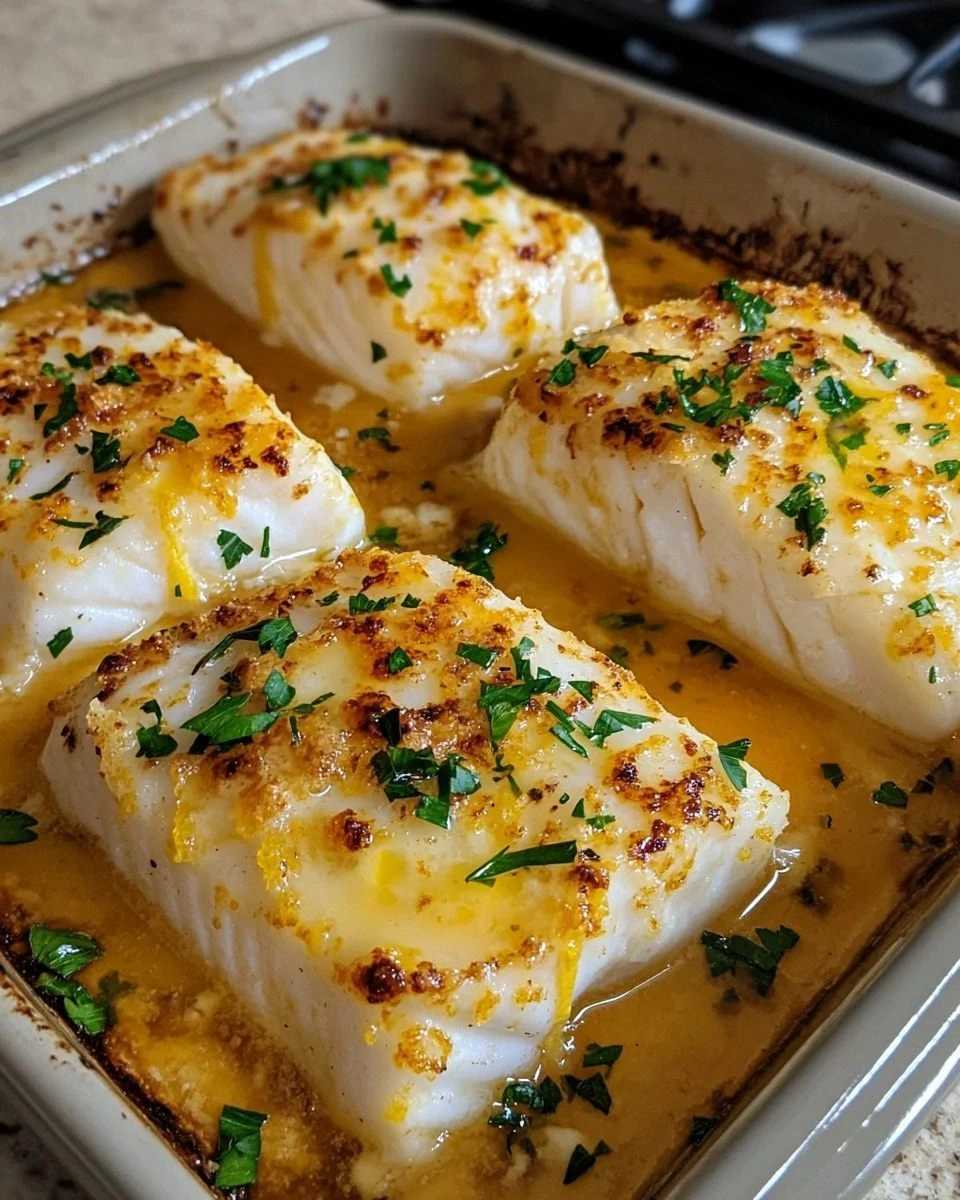
Picture this instead: a perfectly flaky piece of cod, its snowy white flesh practically melting on your fork, crowned with a lemon butter sauce so bright and luxurious it makes restaurant versions taste like dishwater. The edges are kissed with golden color, the garlic whispers rather than shouts, and that first bite makes you close your eyes involuntarily because your brain needs all available processing power to handle the flavor explosion happening in your mouth.
What transformed me from fish-phobic to fish-obsessed wasn't years of culinary school or some mystical chef wisdom passed down through generations. It was discovering that the secret to incredible baked cod lies not in fancy techniques or expensive equipment, but in understanding exactly when to stop cooking it. Most recipes get this completely wrong, turning beautiful fish into something resembling shoe leather because they're terrified of serving it "underdone."
Here's what actually works: a screaming hot oven, a simple lemon butter bath that does triple duty as marinade, cooking medium, and sauce, and trusting your eyes and nose more than the clock. The result? Cod that's so tender it practically flakes apart at the mere suggestion of a fork, with a sauce that tastes like sunshine and happiness distilled into liquid form. Let me walk you through every single step — by the end, you'll wonder how you ever made it any other way.
What Makes This Version Stand Out
Lightning Fast: From fridge to table in under 25 minutes, this recipe moves faster than your delivery driver can find your apartment. While other fish recipes require hours of marinading or complicated preparations, we're working with the natural sweetness of fresh cod and letting lemon butter do all the heavy lifting. It's the kind of weeknight dinner that makes you feel like you've got your life together, even when you're wearing mismatched socks and forgot to defrost anything.
Foolproof Technique: The magic happens at 425°F — hot enough to create gorgeous caramelization on the surface while keeping the interior buttery soft. We're using a technique borrowed from restaurant kitchens where the fish essentially poaches in its own juices and butter, creating impossible tenderness. I dare you to overcook it using this method; it's practically bulletproof.
Pantry-Friendly: No specialty ingredients or obscure spices that'll sit in your cabinet until the apocalypse. Everything you need is probably already in your kitchen right now, making this the ultimate "what's for dinner" solution when you haven't planned ahead. Butter, lemon, garlic, salt, pepper — it's like the Avengers of flavor assembling to save your evening.
Restaurant-Quality Results: That glossy, professional-looking sauce that coats your fish like liquid gold? It's not just for show. The lemon butter emulsion creates a luxurious mouthfeel that makes restaurant versions taste like they were made by amateurs. Your dinner guests will swear you ordered from that fancy seafood place downtown.
Endlessly Adaptable: Once you master the base technique, you can play with it endlessly — add herbs, switch up citrus, throw in some white wine, or add a crispy breadcrumb topping. It's like getting twenty recipes for the price of one, and each variation feels like discovering a new favorite dish.
Leftover Magic: If you somehow have leftovers (and that's a big if), this cod transforms into incredible fish tacos, pasta dishes, or salad toppers that taste even better the next day. The lemon butter sauce keeps everything moist and flavorful, so you're not stuck eating dry, reheated fish sadness.
Health Meets Indulgence: Packed with lean protein, omega-3s, and bright citrus vitamins, but tastes like you're being completely indulgent. It's the rare dish that satisfies both your nutritionist and your inner foodie who just wants something delicious.
Alright, let's break down exactly what goes into this masterpiece...
Inside the Ingredient List
The Star of the Show
Cod isn't just any white fish — it's the aristocrat of the sea, with a mild, slightly sweet flavor that even fish skeptics embrace. When shopping, look for fillets that smell like the ocean breeze, not low tide at a polluted beach. The flesh should be translucent and moist, not opaque or dried out with a yellowish tinge. If you're buying frozen (and there's no shame in that game), make sure it's individually quick-frozen and has no ice crystals, which indicate freezer burn that'll ruin your dish.
What makes cod perfect for this recipe is its firm yet flaky texture that holds together during the high-heat cooking process. Unlike delicate sole or oily salmon, cod strikes that sweet spot of being substantial enough to feel satisfying while still cooking quickly. Skip the pre-marinated or preseasoned varieties — they often contain preservatives that can make your sauce break or taste metallic. Fresh, untreated cod is worth every penny.
The Flavor Foundation
Butter isn't just fat — it's flavor's favorite mode of transportation, carrying all those lemony, garlicky notes deep into the fish's fibers. Use real butter, not margarine or "buttery spread," because those imposters contain water and additives that prevent proper emulsification. Melted butter creates a protective coating that keeps the cod moist while adding richness that olive oil simply can't match. If you're dairy-free, you can substitute with high-quality ghee, though the flavor profile will shift slightly nuttier.
Lemon juice brings the brightness that cuts through the butter's richness, creating perfect balance. Fresh-squeezed is non-negotiable here — bottled lemon juice tastes like cleaning products and contains preservatives that can make your sauce taste metallic. The acid in fresh lemon juice also helps tenderize the fish slightly while adding a sunny flavor that makes the whole dish taste like summer vacation. Don't throw away those lemon halves after juicing; we'll use them for zesting and as pretty garnishes.
The Aromatics and Seasonings
Garlic, when minced properly, should almost dissolve into the sauce, leaving behind its essence without overwhelming bites. Two cloves might seem modest, but trust the process — we're after subtle complexity, not garlic breath that could fell a vampire army. Mince it fine enough that it distributes evenly throughout the butter, but not so fine that it burns in the hot oven. If you're a true garlic lover, you can smash the cloves instead of mincing, which gives you bigger flavor pockets.
Salt and pepper aren't just afterthoughts — they're the supporting actors that help the main flavors shine. Season the fish directly rather than just relying on the seasoned butter, because this creates layers of flavor that taste more sophisticated. Fresh cracked black pepper adds gentle heat and floral notes that pre-ground pepper lost months ago. As for salt, I prefer kosher because its larger crystals are easier to control and distribute evenly.
The Finishing Touch
Lemon zest is like lemon juice's sophisticated older sibling — it brings all the bright citrus notes without any of the tartness. The oils in the zest contain concentrated lemon flavor that blooms in the heat, creating aromatic compounds that make your kitchen smell like a Mediterranean grove. Use a microplane or fine grater, and only zest the yellow part — the white pith underneath is bitter and will ruin everything. This tiny addition transforms good cod into restaurant-worthy cod.
Fresh parsley isn't just for pretty green specks — it adds a clean, slightly peppery note that makes the whole dish taste fresher and more vibrant. Chop it just before serving to keep it from wilting and turning black. If parsley isn't your thing, chives or dill work beautifully too, each bringing their own personality to the party. The key is using fresh herbs, not dried, because fresh adds brightness while dried can taste musty.
Everything's prepped? Good. Let's get into the real action...
The Method — Step by Step
- Preheat your oven to 425°F (220°C) and position the rack in the center. This isn't the time for impatience — let that oven fully preheat for at least 15 minutes. A properly heated oven is the difference between beautifully caramelized edges and sad, steamed fish. While you're waiting, grab a baking dish that'll fit your cod fillets in a single layer with a little breathing room between each piece. I love using a ceramic or glass dish because it distributes heat evenly and looks pretty enough to go straight to the table.
- Pat your cod fillets absolutely dry with paper towels, pressing gently but firmly. This step is crucial — moisture is the enemy of browning, and wet fish will steam rather than roast. Don't rush this part; get in there and really dry those fillets like you're prepping them for a photoshoot. Season both sides generously with salt and pepper, being especially generous on the presentation side (the side that'll be facing up). The salt helps draw out excess moisture while seasoning the fish throughout, not just on the surface.
- In a small bowl, whisk together your melted butter, lemon juice, lemon zest, and minced garlic until it forms a cohesive sauce. The mixture might look like it's separating at first — that's normal, just keep whisking until it comes together. Taste it now (go ahead, dip a finger) and adjust the seasoning if needed. This sauce should make your mouth water and your taste buds sit up and pay attention. If it's too tart, add a pinch more melted butter; if it's too rich, another squeeze of lemon will brighten it up.
- Arrange your seasoned cod fillets in the baking dish, leaving a little space between each one for even cooking. Pour the lemon butter sauce evenly over the top, making sure each fillet gets coated. Tilt the dish slightly to pool some sauce underneath the fish too — this creates a protective bath that keeps everything moist. Don't worry if it looks like a lot of liquid; most of it will reduce and concentrate during cooking, creating that gorgeous glossy finish we're after.
- Slide the dish into your preheated oven and set a timer for 12 minutes. Now here's the crucial part — resist the urge to open the oven door to check on it. Every time you open that door, you're releasing heat and potentially adding 2-3 minutes to your cooking time. Instead, turn on your oven light and watch through the window. You should see the sauce bubbling gently and the edges of the fish just starting to turn opaque.
- After 12 minutes, check for doneness by inserting a fork or knife into the thickest part of one fillet. The fish should flake easily but still look slightly translucent in the center — it will continue cooking from residual heat. If it still looks raw, give it another 2-3 minutes, but remember that cod goes from perfect to overcooked faster than your phone battery dies when you need it most. The fish is done when it reaches 145°F (63°C) internally, but honestly, the fork test is more reliable than chasing temperatures.
- Remove the dish from the oven and let it rest for exactly 5 minutes. I know you're hungry and everything smells incredible, but this rest period is what separates amateur fish cooks from pros. During these five magic minutes, the juices redistribute throughout the fish, the sauce thickens slightly, and everything comes together in perfect harmony. Use this time to chop your parsley, warm some crusty bread, or pour yourself a glass of wine — you've earned it.
- Garnish with fresh parsley and an extra squeeze of lemon if desired, then serve immediately. Spoon some of that gorgeous lemon butter sauce over each portion — there's plenty of flavor-packed liquid gold in that pan. The fish should flake into large, moist chunks that practically melt in your mouth. If you've done everything right, you'll hear that satisfied silence that falls over the table when everyone's too busy enjoying their food to make conversation.
- Store any leftovers (though I doubt there'll be any) in an airtight container in the refrigerator for up to 3 days. The lemon butter sauce will solidify when cold, but don't panic — it melts back into its luscious state when gently reheated. Speaking of reheating, use the oven or a covered skillet with a splash of water to steam it back to life. The microwave works in a pinch, but it'll never achieve that same tender flakiness that makes this dish special.
That's it — you did it. But hold on, I've got a few more tricks that'll take this to another level...
Insider Tricks for Flawless Results
The Temperature Rule Nobody Follows
Here's what separates restaurant-quality fish from home-cooked disappointment: starting with room temperature fish. I know, I know — food safety has us all terrified of leaving anything out for more than 30 seconds. But pulling your cod from the fridge 15-20 minutes before cooking ensures even cooking throughout. Cold fish hitting a hot oven creates temperature shock, causing the exterior to overcook while the center stays chilly. A friend tried skipping this step once — let's just say it didn't end well, and we ended up ordering Thai food instead.
The butter temperature matters too — melted but not scorching hot. If your butter is too hot when you mix in the lemon juice, it'll separate and look curdled instead of emulsified. Let it cool for a minute after melting until it's warm but not steaming. This simple attention to temperature creates that gorgeous, glossy sauce that coats the fish like liquid gold rather than pooling in greasy puddles.
Why Your Nose Knows Best
Forget timers — your nose is the most reliable kitchen tool you own. When cod is perfectly cooked, your kitchen will smell like buttered popcorn with hints of lemon and ocean breeze. If it starts smelling fishy or overly buttery, you've likely overcooked it. That sizzle when it hits the pan? Absolute perfection. The aroma should make your mouth water, not make you want to open windows.
I've developed an almost supernatural ability to tell when fish is done just by smell, and it's saved me from countless overcooked disasters. The lemon butter sauce will start to caramelize around the edges of the pan, creating these little brown bits that are pure flavor gold. These are your visual cues that everything is happening exactly as it should.
The 5-Minute Rest That Changes Everything
This isn't just some chef-y rule intended to test your patience — it's the difference between good fish and transcendent fish. During those five minutes of rest, the proteins finish setting, the juices redistribute, and the sauce thickens to the perfect consistency. Skip this step and you'll have dry edges and a watery sauce that slides right off the fish. Trust the process, set a timer, and use these minutes to set the table or open that bottle of wine.
Pro tip: tent the dish loosely with foil while it rests to keep everything warm without steaming the beautifully roasted surface we just created. The residual heat will finish cooking any slightly underdone spots while keeping the perfectly cooked parts from becoming overcooked. It's like having your cake and eating it too, except with fish.
Creative Twists and Variations
This recipe is a playground. Here are some of my favorite ways to switch things up:
Mediterranean Escape
Transform your cod into a Mediterranean masterpiece by adding sliced olives, capers, and cherry tomatoes to the baking dish. The briny olives and capers create little flavor bombs throughout the sauce, while the tomatoes burst and create a light, fresh sauce. Add a sprinkle of dried oregano and use a mix of lemon and orange zest for extra complexity. This version pairs beautifully with orzo or crusty bread to soak up all those gorgeous juices.
Asian-Inspired Fusion
Swap the lemon juice for lime juice, add a tablespoon of soy sauce and a teaspoon of sesame oil to the butter mixture, and sprinkle with sesame seeds and scallions before serving. The umami from the soy sauce creates incredible depth, while the sesame oil adds nuttiness that complements the mild cod perfectly. Top with thinly sliced Thai chilies if you like a little heat with your sweet and tangy flavors.
Herb Garden Delight
Replace half the butter with olive oil and load up on fresh herbs — I'm talking dill, chives, tarragon, and parsley all chopped together. The olive oil keeps it lighter while the herb mixture creates a green, fresh flavor that's perfect for spring and summer. Add some white wine to the sauce and serve over a bed of sautéed spinach for a dish that's practically singing with garden freshness.
Spicy Cajun Kick
Add Cajun seasoning to your salt and pepper mix, throw in some andouille sausage slices around the fish, and finish with a sprinkle of cayenne. The smoky, spicy flavors transform this mild dish into something that'll wake up your taste buds and make them dance. Serve over dirty rice or with cornbread to complete the Southern experience.
Creamy French Bistro
Replace half the butter with heavy cream and add a splash of white wine for a luxurious, restaurant-worthy sauce. The cream creates a velvety texture that clings to every flake of fish, while the wine adds acidity and complexity. Finish with fresh tarragon and serve with roasted fingerling potatoes for a meal that'll make you feel like you're dining in a Parisian bistro.
Smoky Spanish Style
Add smoked paprika and thinly sliced garlic to the sauce, then finish with roasted red peppers and a drizzle of sherry vinegar. The smoky paprika creates incredible depth while the sherry vinegar adds a sophisticated tang that elevates the whole dish. Serve with crusty bread to mop up every drop of that incredible sauce.
Storing and Bringing It Back to Life
Fridge Storage
Store leftover cod in an airtight container with some of the lemon butter sauce spooned over the top — this keeps everything moist and prevents the fish from drying out. It'll keep beautifully for up to 3 days, though honestly, I've never had leftovers last longer than 24 hours before someone devours them. The key is letting it cool completely before refrigerating; hot fish in a cold container creates condensation that makes everything soggy and sad.
Freezer Friendly
While I don't typically recommend freezing cooked fish (texture suffers), if you must, wrap individual portions tightly in plastic wrap, then aluminum foil, and freeze for up to 2 months. Thaw overnight in the refrigerator, not on the counter — room temperature thawing is a recipe for bacterial growth that'll turn your delicious fish into a food safety nightmare. When reheating, add a splash of water or white wine to help steam it back to life.
Best Reheating Method
The oven is your best friend for reheating — 275°F for about 10 minutes, covered with foil to prevent drying. Add a tiny splash of water before reheating — it steams back to perfection. The microwave works in a pinch, but use 50% power and add a damp paper towel over the fish to create a steaming effect. Whatever you do, don't overheat it or you'll end up with fish that tastes like cardboard.