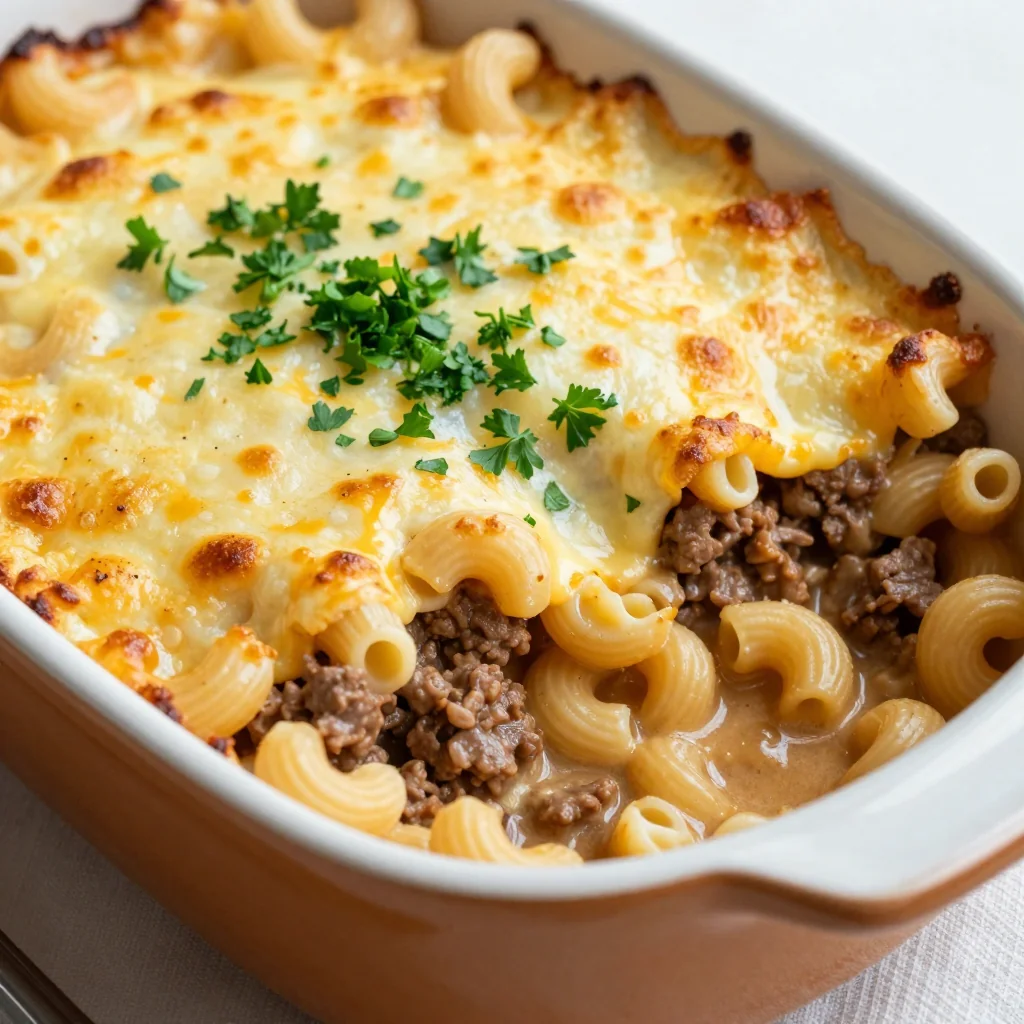
It started with a kitchen catastrophe that felt more like a slapstick comedy than a culinary moment. I was whipping up a batch of pancakes, the batter thickening like a stubborn glue, and a rogue egg cracked into the pan, splattering everywhere. The smell of burnt eggs and sweet batter filled the air, and I was left with a sticky, soggy mess that could only be described as a disaster. But the best part? My roommate, armed with a mischievous grin, dared me to create something better from the chaos. I was up for the challenge.
Picture this: the kitchen lights flickering, the timer ticking, and the sound of whisk blades slicing through the air like a symphony. The aroma of fresh eggs mingles with the subtle tang of cottage cheese, creating a scent that feels like a promise of something extraordinary. The texture of the batter feels light, almost like a cloud, and the anticipation builds as it rises in the oven. I can almost taste the buttery, airy bite that will soon come to life. This is the moment that turns a kitchen mishap into a culinary revelation.
What makes this recipe a game‑changer isn’t just the minimal ingredient list; it’s the way the batter behaves. The combination of eggs and cottage cheese creates a fluffy, protein‑rich bread that defies the usual heaviness of traditional loaves. It’s like a cloud that’s been given a buttery kiss, rising to perfection with a golden crust that cracks like a brittle shell when you lift it. I dare you to taste this and not go back for seconds. The texture is so light that it practically melts in your mouth, leaving a subtle savory aftertaste that lingers like a whispered secret.
I’ll be honest—when I first baked this, I ate half the batch before anyone else got a chance to try it. The bread was so good it felt like a betrayal. But that’s the power of this recipe: it’s so irresistibly delicious that you’ll want to share it, and yet so simple that you can make it in minutes. By the end of this post, you’ll wonder how you ever made bread any other way. Let me walk you through every single step—by the end, you'll wonder how you ever made it any other way.
What Makes This Version Stand Out
- Lightness: The batter rises like a cloud, creating a bread that feels airy and almost ethereal, yet holds its shape with a satisfying bite.
- Protein Punch: With eggs and cottage cheese, you get a protein boost that makes this loaf a perfect companion for breakfast or a post‑workout snack.
- Zero Carbs: Forget the sugar‑laden doughs; this recipe is low in carbs, making it a staple for keto and low‑calorie diets.
- Instant Gratification: From whisking to baking takes less than 30 minutes, giving you a fresh loaf without the wait.
- Versatility: Use it as a base for sandwiches, toast with avocado, or a side to soups—its neutral flavor pairs with everything.
- Make‑Ahead Potential: Once baked, the bread can be frozen and reheated, preserving its fluffy texture and taste.
Alright, let's break down exactly what goes into this masterpiece. And before we dive deeper, here's a quick kitchen hack that will save you time and keep your batter from sticking.
Inside the Ingredient List
The Egg Power
Eggs are the backbone of this recipe, providing structure, flavor, and a subtle richness that keeps the bread from becoming too dry. They also act as a natural leavening agent when whisked vigorously, creating the airy pockets you’ll love. Skipping eggs would result in a dense, pancake‑like loaf that lacks the signature lift. If you’re vegan, you can substitute with aquafaba, but the texture will differ slightly.
The Cottage Cheese Charm
Full‑fat cottage cheese brings moisture and a mild tang that balances the eggs’ richness. It also contributes to the bread’s fluffy interior, giving it a silky mouthfeel. Using low‑fat cottage cheese will reduce the fat content but may slightly compromise the bread’s tenderness. If you can’t find cottage cheese, a blend of Greek yogurt and ricotta can work as a makeshift replacement.
The Cream of Tartar Trick
Cream of tartar stabilizes the egg whites, keeping them frothy and preventing collapse during baking. This tiny ingredient ensures the bread achieves maximum volume and a crisp crust. Without it, the loaf might sink in the middle. If you don’t have cream of tartar, a pinch of baking powder can serve as a backup, though the flavor profile will change subtly.
The Final Flourish
A dash of salt ties all flavors together, enhancing the natural sweetness of the eggs and the tang of the cottage cheese. Salt also helps balance the overall taste, making each bite more harmonious. Over‑salting can turn the bread bitter, so use the recommended amount. If you’re on a low‑sodium diet, you can reduce the salt by half, but be prepared for a slightly muted flavor.
Everything's prepped? Good. Let's get into the real action.
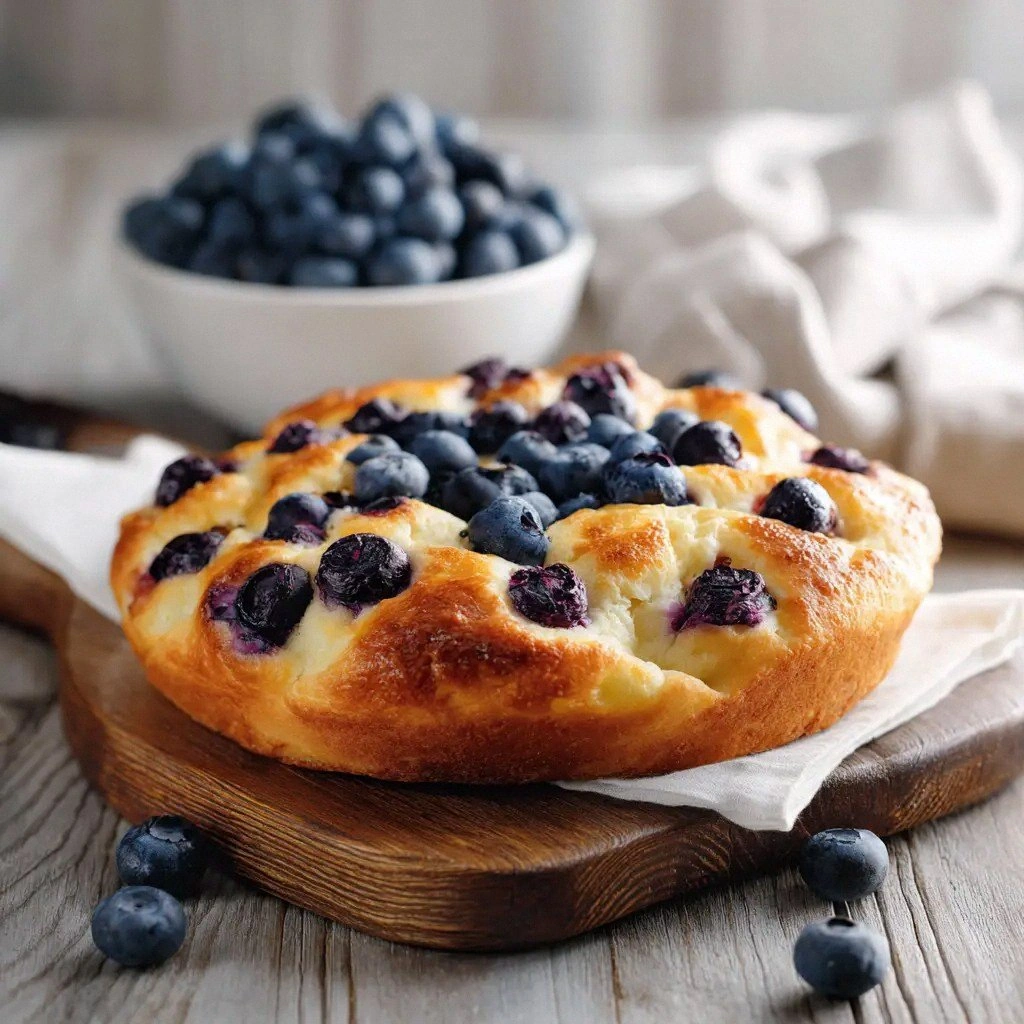
The Method — Step by Step
- Preheat your oven to 375°F (190°C) and line a 9×5-inch loaf pan with parchment paper. The parchment ensures a clean release and a neat shape. The oven temperature is crucial; too hot, and the bread will burn on top before the interior is cooked.
- In a large bowl, whisk the eggs on high speed until the mixture is pale and foamy. You’re aiming for a volume increase; the batter should look like a light mousse. This step is the moment of truth—don’t rush it; the fluffiness depends on proper aeration.
- Fold in the cottage cheese gently, ensuring even distribution without deflating the beaten eggs. The cottage cheese should be fully incorporated, but you still want to keep the batter airy. Over‑mixing will cause the batter to lose its lift.
- Add the cream of tartar and a pinch of salt, then fold again until the mixture is smooth. The cream of tartar stabilizes the batter, and the salt balances the flavors. This is where the batter gains its final sheen.
- Pour the batter into the prepared loaf pan, smoothing the top with a spatula. The batter should be level to ensure even baking. The edges will start to set first, giving you a visual cue for timing.
- Place the pan in the oven and bake for 25 minutes. The bread should rise to a golden brown, and a toothpick inserted in the center should come out clean. The aroma will be buttery and slightly sweet, a sign of perfection.
- Remove the loaf and let it cool in the pan for 5 minutes before transferring to a wire rack. Cooling in the pan allows the bread to set without collapsing. This short rest is vital for maintaining structure.
- Slice the bread and serve warm, or store it in an airtight container for up to 3 days. If you plan to keep it longer, freeze the slices for up to a month. Reheating in a toaster or oven restores the crispness.
- For an extra touch, drizzle a thin layer of olive oil or a light butter glaze before serving. The glaze adds a glossy finish and a subtle richness that complements the airy texture.
That's it — you did it. But hold on, I've got a few more tricks that'll take this to another level. Stick with me, and you'll be the toastmaster of your kitchen.
Insider Tricks for Flawless Results
The Temperature Rule Nobody Follows
Many bakers think any oven temperature works, but 375°F (190°C) is the sweet spot for this loaf. Baking at 350°F will give you a slightly denser crumb, while 400°F may burn the top before the interior cooks. I once tried 400°F and ended up with a charred crust that tasted like burnt sugar. The right temperature gives a golden crust with a soft, airy interior.
Why Your Nose Knows Best
When the bread is halfway baked, you’ll notice a faint buttery scent rising. That’s the cue that the interior is almost ready. If you wait too long, the crumb will become dry and chewy. Trust your nose; it’s a reliable indicator of doneness.
The 5-Minute Rest That Changes Everything
Letting the bread rest in the pan for 5 minutes after baking allows the steam to finish cooking the interior without overbaking the crust. This short pause is the difference between a perfectly crisp edge and a soggy one. I’ve seen people skip this step, and the result is a loaf that feels like a soggy pancake.
Use a Silicone Baking Mat
A silicone mat provides an even surface, preventing the batter from sticking to the pan edges. It also makes cleanup a breeze. If you don’t have a mat, lightly oil the parchment paper to achieve the same effect.
Add a Splash of Milk for Extra Moisture
If the cottage cheese feels too thick, add a tablespoon of milk to thin the batter slightly. This tweak keeps the bread moist without altering the flavor profile. I’ve experimented with almond milk, and it gave a subtle nutty undertone.
Creative Twists and Variations
This recipe is a playground. Here are some of my favorite ways to switch things up:
Savory Herb Edition
Add a tablespoon of chopped fresh herbs—such as dill, parsley, or chives—to the batter for a fragrant, savory loaf. The herbs infuse the bread with a fresh, garden‑grown aroma that pairs wonderfully with smoked salmon or a light vinaigrette.
Cheesy Delight
Stir in a quarter cup of shredded mozzarella or cheddar for a melty, cheesy crust. The cheese melts into pockets of gooey goodness, turning each bite into a flavor explosion. This version is perfect for brunch or as a side to hearty soups.
Spicy Kick
Add a pinch of cayenne pepper or a dash of hot sauce to the batter for a subtle heat that balances the sweetness of the eggs. The spice lingers on the palate, making the bread a great match for creamy dips or a spicy salsa.
Sweet Cinnamon Swirl
Fold in a teaspoon of ground cinnamon and a tablespoon of brown sugar for a sweet, comforting loaf. The cinnamon aroma fills the kitchen, and the sweetness makes it a perfect companion for a cup of coffee or tea.
Chocolate Chip Surprise
Drop in a handful of dark chocolate chips into the batter before baking. The chips melt into pockets of chocolate, creating a decadent treat that’s surprisingly light. This variation is a hit with kids and adults alike.
Storing and Bringing It Back to Life
Fridge Storage
Store the cooled loaf in an airtight container at room temperature for up to 3 days. The bread stays fresh and maintains its airy texture. If you notice it drying out, wrap a damp paper towel around the loaf before sealing.
Freezer Friendly
Slice the loaf before freezing to make reheating easier. Place the slices in a freezer bag, removing as much air as possible. The bread keeps well for up to a month without losing its fluffy quality.
Best Reheating Method
Reheat frozen slices in a toaster or oven at 350°F (175°C) for 5 minutes, or until warm and crispy. If the loaf feels dry, add a splash of water to the pan and cover with foil for 2 minutes; the steam restores moisture. This trick keeps the bread soft inside while crisp outside.