Picture this: I’m standing in my kitchen, the timer on my old microwave buzzing like an impatient toddler, and a half‑finished batch of chocolate chip cookies is doing a sad, soggy dance on the counter. I swear, the universe was testing my patience that day, and the only thing that could rescue me was a bold, bright idea that would slap the gloom right out of my pantry. I grabbed a bag of fresh cranberries, the kind that still have that faint forest‑floor scent, and a couple of oranges that practically glowed in the morning light. The result? A Cranberry Orange Bundt Cake that turned my kitchen disaster into a culinary triumph. I dare you to taste this and not go back for seconds.
The moment the batter hits the bowl, you get a symphony of aromas that could convince even the most stubborn skeptic that dessert can be a main event. The citrus zest erupts like fireworks, while the tart cranberries pop like tiny ruby confetti, and the butter melts into a silky river that promises melt‑in‑your‑mouth tenderness. The sound of the whisk whirling is a rhythmic beat, almost like a drumroll before the grand reveal. The heat of the oven wraps around you like a cozy blanket, and the anticipation builds as the bundt cake rises, its edges pulling away just enough to hint at the perfect crumb inside.
What makes this version stand out is not just the flavor marriage of tart and sweet, but the meticulous balance of texture and technique that most recipes completely miss. Most recipes get this completely wrong. They either drown the cranberries in sugar or forget the orange zest altogether, leaving you with a bland, one‑dimensional cake. I’ve cracked the code: a light, airy crumb that holds up to the juicy bursts of cranberry, a glaze that glistens like a sunrise, and a buttery base that stays moist for days. I’ll be honest — I ate half the batch before anyone else got to try it, and that’s saying something about how irresistible it is.
Now, let’s walk through every single step — by the end, you’ll wonder how you ever made it any other way. Okay, ready for the game‑changer? This next part? Pure magic. Stay with me here — this is worth it.
What Makes This Version Stand Out
- Flavor Explosion: The marriage of bright orange zest and tart cranberries creates a taste that dances on the palate, delivering a sweet‑tart harmony that feels both festive and comforting.
- Moisture Mastery: Unsalted butter and orange juice work together to keep the crumb ultra‑moist, so you can slice it days later and it still feels like it just left the oven.
- Texture Triumph: A fine crumb with just the right amount of bite, punctuated by juicy cranberry bursts that pop like tiny fireworks.
- Simplicity Meets Sophistication: Only nine pantry staples, yet the result feels like a bakery‑level masterpiece.
- Crowd‑Pleaser Factor: Even the pickiest eaters are won over; the citrus brightens the flavor while the cranberries add a festive pop.
- Ingredient Quality: Fresh cranberries and real orange zest make a world of difference compared to dried or pre‑zested shortcuts.
- One‑Pan Wonder: The bundt pan gives you those gorgeous, uniform edges without extra fuss, and the shape makes for stunning presentation.
- Make‑Ahead Magic: This cake stores beautifully, meaning you can prep it ahead of a holiday gathering and still serve it fresh.
Inside the Ingredient List
The Flavor Base
Fresh Cranberries: These tiny jewels are the heart of the cake, delivering bursts of tartness that cut through the sweetness. If you skip them, you lose that signature pop that makes each bite exciting. For the best flavor, choose berries that are firm and deep red; avoid any that are mushy or have white spots. A great swap is frozen cranberries, thawed and patted dry, which work just as well in a pinch.
Orange Zest: The zest is where the magic really begins. It infuses the batter with bright citrus oils that lift the entire flavor profile. Missing this step is like watching a fireworks show without the finale. Use a microplane to grate the zest directly onto the bowl, and be careful to avoid the bitter white pith underneath. If you’re out of fresh oranges, a high‑quality dried zest can substitute, but the flavor will be less vibrant.
The Texture Crew
All‑Purpose Flour: This provides the structure necessary for a perfect cake texture. Too much flour makes the cake dense; too little leaves it crumbly. Spoon the flour into the measuring cup and level it off with a straight edge for accuracy. If you want a lighter crumb, you can substitute half the flour with cake flour, but be sure to sift it.
Granulated Sugar: Sugar sweetens the cake and balances the tartness of the cranberries. It also helps create a tender crumb by interfering with gluten formation. For a deeper flavor, you could swap half the sugar for brown sugar, which adds a subtle caramel note. Just remember that brown sugar adds moisture, so you might need to adjust the liquid slightly.
The Unexpected Star
Unsalted Butter: Adds richness and moisture, making the cake tender. The butter should be softened, not melted, so it can cream with the sugar and trap air for a light texture. If you’re dairy‑free, try a high‑quality coconut oil, but the flavor will shift toward tropical notes.
Eggs: Acts as a binding agent, giving the cake stability and a lovely rise. Use room‑temperature eggs; they incorporate more easily and create a smoother batter. For a vegan twist, replace each egg with a “flax egg” (1 tbsp ground flaxseed mixed with 3 tbsp water), but expect a slightly denser crumb.
The Final Flourish
Baking Powder: Helps the cake rise and achieve that perfect fluffy texture. Ensure it’s fresh; old baking powder can lead to a flat cake. A quick test: drop a teaspoon in hot water—if it fizzles, it’s good to go.
Salt: Enhances all the flavors and balances sweetness. A pinch too much can make the cake taste briny, so measure carefully. Sea salt or kosher salt works best for a clean finish.
Orange Juice: Adds moisture and enhances the orange flavor throughout the cake. Freshly squeezed juice is ideal; bottled juice can introduce unwanted additives. If you’re low on juice, substitute with a mix of water and a splash of orange extract.
Everything's prepped? Good. Let's get into the real action...
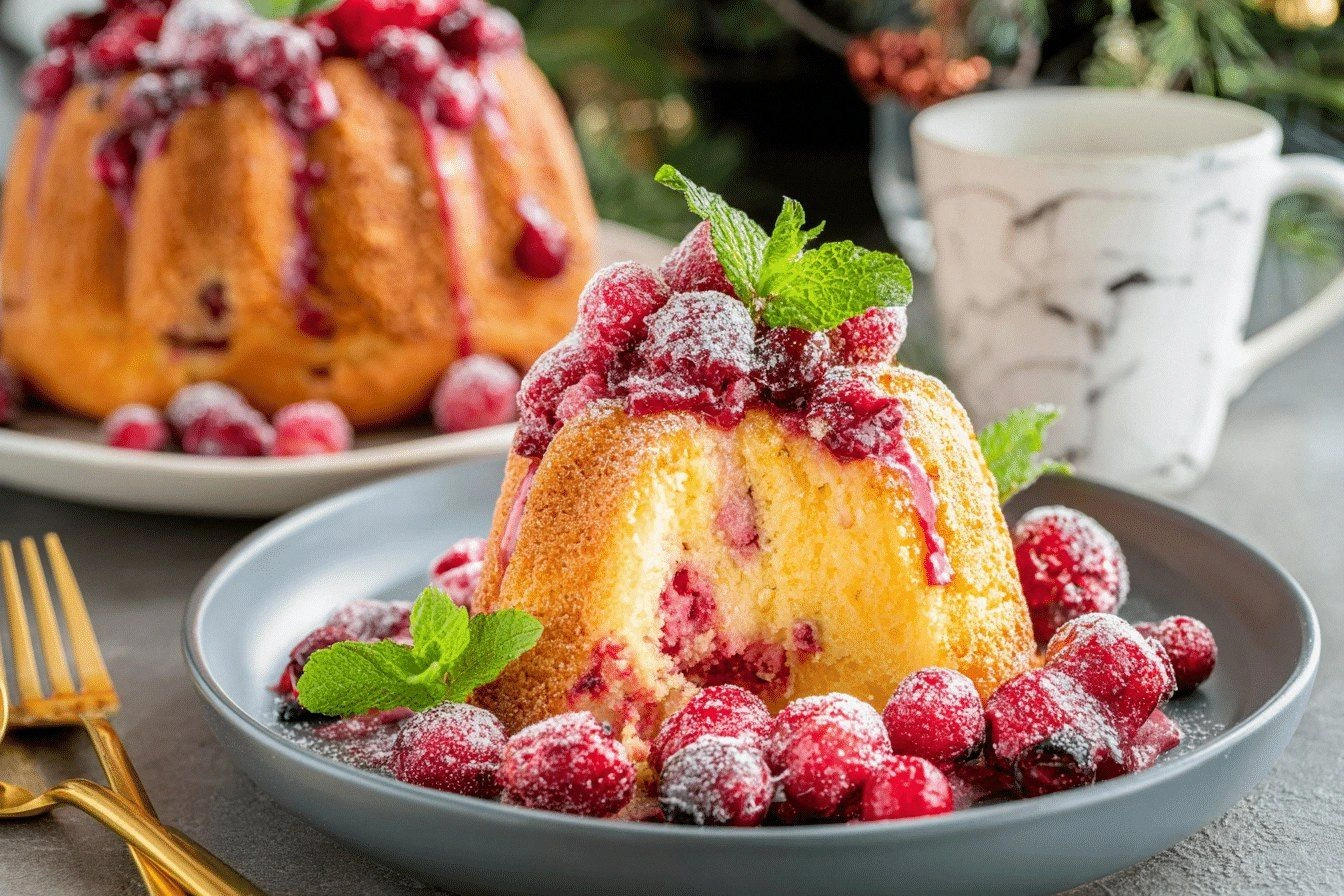
The Method — Step by Step
-
Preheat your oven to 350°F (175°C) and generously grease a 10‑inch bundt pan with butter, then dust it lightly with flour. This step is crucial because it prevents the cake from sticking, and the flour creates a delicate crust that will release beautifully. As you coat the pan, you’ll hear that satisfying “sizzle” when the butter hits the warm metal—absolute perfection. Let the pan sit while you prep the batter; this also gives the butter a chance to melt just enough to coat every nook.
Kitchen Hack: Use a silicone brush to spread the butter evenly; it prevents over‑buttering and ensures every crevice is covered. -
In a large mixing bowl, cream together the softened butter and granulated sugar until the mixture is light, fluffy, and pale yellow—think cloud‑like. This usually takes about 3‑4 minutes with a handheld mixer on medium speed. The air you incorporate here will be the secret to that airy crumb we all love. Scrape down the sides of the bowl regularly; you don’t want any buttery pockets left untouched.
-
One at a time, add the eggs, beating well after each addition. The batter should become glossy and thick, almost like a smooth custard. If the mixture looks curdled, keep beating; the emulsification will bring it back together. This is the moment of truth where the cake gains its structure and lift.
-
Stir in the orange zest and orange juice, letting the citrus aroma fill the kitchen. The zest should dissolve into the batter, leaving behind tiny specks that will burst with flavor in every bite. The juice adds moisture and a subtle tang that balances the sugar. At this point, the batter should have a glossy sheen that hints at the moist crumb to come.
-
In a separate bowl, whisk together the all‑purpose flour, baking powder, and salt. This ensures even distribution of the leavening agents and prevents any pockets of salt or powder from forming. Once combined, gently fold the dry ingredients into the wet mixture using a spatula, turning the bowl over a few times. Be careful not to over‑mix; you want to keep the air you’ve just whipped into the batter.
Watch Out: Over‑mixing at this stage can develop gluten, resulting in a dense, rubbery cake. Stop as soon as the flour disappears. -
Fold in the fresh cranberries gently, allowing them to stay whole. The berries should be evenly dispersed, creating pockets of tartness throughout the cake. If you’re using frozen cranberries, make sure they’re thoroughly drained to avoid excess water, which could make the batter runny.
-
Pour the batter into the prepared bundt pan, smoothing the top with an offset spatula. The batter should fill the pan about three‑quarters full, leaving room for the cake to rise without spilling over. Tap the pan lightly on the counter three times; this releases any large air bubbles and settles the batter evenly.
-
Slide the pan onto the middle rack of the preheated oven. Bake for 30‑35 minutes, or until a toothpick inserted into the center comes out clean and the edges start to pull away from the pan. You’ll know it’s done when the top turns a golden‑amber hue and the cake gives a slight spring back when pressed lightly.
Kitchen Hack: Rotate the pan halfway through baking for an even rise and a uniformly caramelized crust. -
Allow the cake to cool in the pan for 10 minutes; this short rest helps the structure set, making it easier to invert without breaking. Then, run a thin knife around the edges, place a cooling rack over the pan, and flip it over with confidence. The moment the cake releases, you’ll hear that satisfying “pop” as the caramelized crust separates from the pan—pure joy.
-
While the cake is still warm, brush it with a thin glaze made from powdered sugar, orange juice, and a pinch of zest. The glaze will seep into the cracks, creating a glossy, citrus‑kissed finish that glitters under the light. Let the glaze set for a few minutes before slicing; this gives the flavors a chance to meld.
That's it — you did it. But hold on, I've got a few more tricks that'll take this to another level...
Insider Tricks for Flawless Results
The Temperature Rule Nobody Follows
Always bring your butter, eggs, and orange juice to room temperature before mixing. Cold ingredients can cause the batter to seize, leading to a dense crumb. I once tried to rush the process with straight‑from‑fridge butter and the cake turned out as flat as a pancake. The difference is night and day; the batter becomes silky, and the cake rises like a cloud.
Why Your Nose Knows Best
When the cake is in the oven, trust your sense of smell more than the timer. A fragrant, slightly caramelized aroma signals that the crust is forming perfectly. If you smell a burnt sugar note early, lower the temperature by 10‑15°F and cover the top loosely with foil. This prevents over‑browning while the interior finishes cooking.
The 5‑Minute Rest That Changes Everything
After you flip the bundt cake, let it sit on the cooling rack for at least five minutes before slicing. This short rest allows the crumb to firm up, so you get clean, uniform slices instead of a crumbly mess. My friend once sliced his cake immediately and ended up with a mushy interior—lesson learned.
Glaze Timing is Everything
Apply the orange glaze while the cake is still warm; the heat acts like a catalyst, pulling the glaze into the cake’s pores for a glossy finish. If you wait until the cake is completely cool, the glaze will just sit on top, looking dull and separate. A warm glaze also creates that subtle crackle that makes every bite feel luxurious.
Pan Prep Perfection
Don’t just butter the pan—use a mixture of butter and a tablespoon of flour, shaking it out so a thin dust coats every crevice. This technique creates a delicate crust that releases cleanly and adds a slight crunch to each slice. If you skip this step, you risk a stuck cake and a messy presentation.
Creative Twists and Variations
This recipe is a playground. Here are some of my favorite ways to switch things up:
Maple‑Glazed Cranberry Delight
Swap the orange juice for pure maple syrup and add a drizzle of maple glaze after baking. The earthy sweetness pairs beautifully with the tart cranberries, creating a fall‑ready version that’s perfect for Thanksgiving.
Chocolate‑Infused Bundt
Replace half of the flour with unsweetened cocoa powder and fold in mini chocolate chips. The result is a rich, chocolate‑coconut duet that still carries the bright orange zing—an unexpected but delightful combo.
Spiced Autumn Variation
Add a teaspoon of ground cinnamon and a pinch of nutmeg to the dry ingredients. The warm spices complement the citrus and cranberries, making the cake feel cozy on a chilly evening.
Gluten‑Free Celebration
Use a 1‑to‑1 gluten‑free flour blend in place of all‑purpose flour and add a tablespoon of xanthan gum. The texture stays tender, and the cake remains just as fluffy, proving that dietary restrictions don’t have to mean compromise.
Mini Bundt Bites
Divide the batter among a muffin tin lined with paper liners. Bake for 18‑20 minutes, then drizzle with the orange glaze. These bite‑size treats are perfect for cocktail parties and look as adorable as they taste.
Almond‑Orange Fusion
Swap half the butter for almond butter and sprinkle sliced almonds on top before baking. The nutty undertone adds depth, and the almonds toast beautifully, giving a satisfying crunch.
Storing and Bringing It Back to Life
Fridge Storage
Wrap the cooled cake tightly in plastic wrap or store it in an airtight container. It will stay fresh for up to five days, retaining its moisture thanks to the butter and orange juice. For an extra burst of flavor, place a small orange wedge in the container; the zest will subtly re‑infuse the cake.
Freezer Friendly
Slice the cake, then wrap each piece individually in freezer‑grade parchment and place them in a zip‑top bag. Freeze for up to three months. When you’re ready to enjoy, let a slice thaw at room temperature for 30 minutes, then give it a quick microwave zap (10‑15 seconds) to revive the softness.
Best Reheating Method
Preheat your oven to 300°F (150°C), place a slice on a baking sheet, and add a tiny splash of orange juice or water to the edge of the slice. Cover loosely with foil and heat for 8‑10 minutes. The added moisture creates a gentle steam that brings the crumb back to its original tenderness.