The first time I tried to rescue a batch of lasagna that had been sitting in the fridge for three days, I thought I’d just toss it. Instead, I whisked a quick béchamel, folded in roasted butternut squash, and layered it with kale that still smelled like fresh earth. The result was a golden, bubbling casserole that made my guests gasp, and I swear I heard the kitchen lights flicker as everyone reached for seconds. That night, I realized I had stumbled upon a secret weapon for any weeknight dinner.
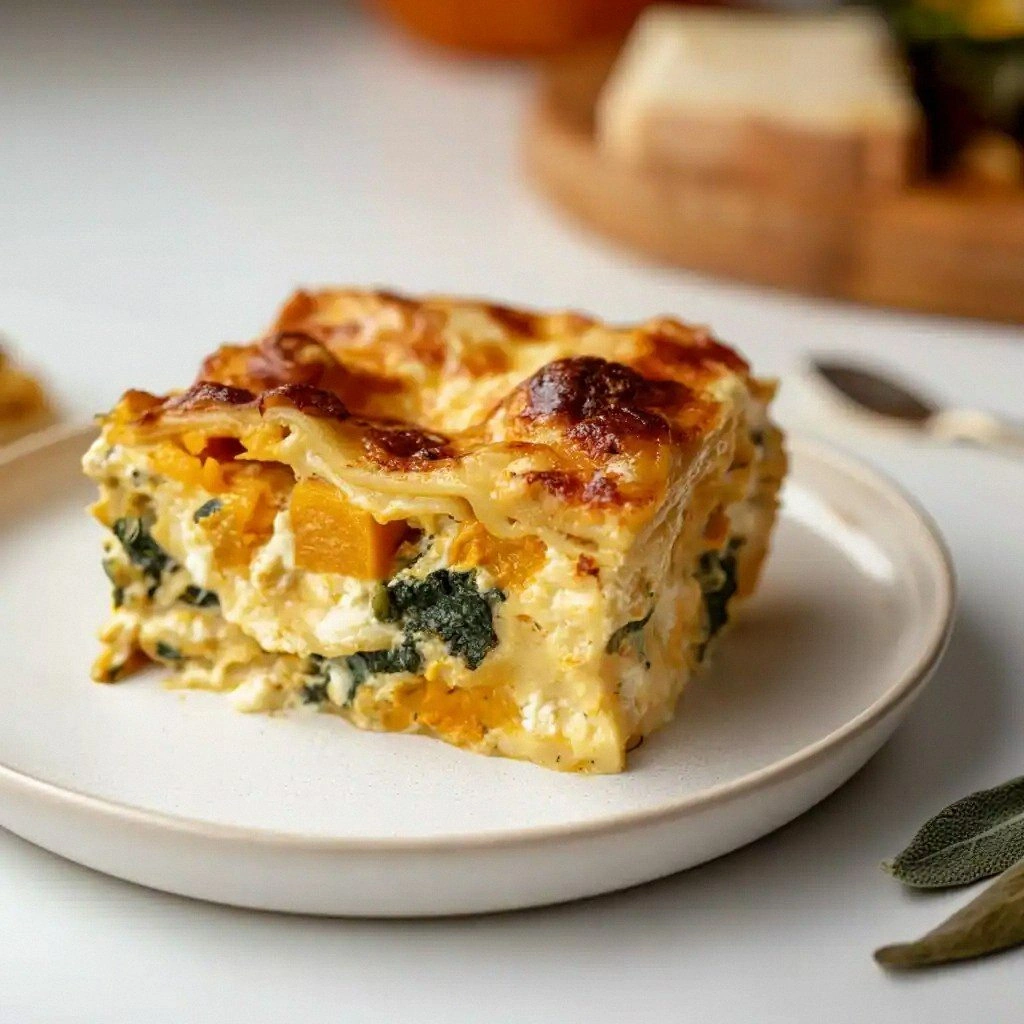
Picture this: a creamy sauce that coats each noodle like velvet, a subtle nutmeg whisper that cuts through the sweetness of squash, and kale that’s tender yet still offers that satisfying crunch. The aroma that rises from the oven is a warm hug, the color is a buttery amber that promises comfort, and the first bite feels like a hug from your grandma’s kitchen. I dare you to taste this and not go back for seconds; the combination of flavors is simply addictive. I’ll be honest—before I posted this, I ate half the batch before anyone else could get a fork.
Most people think lasagna is just pasta and cheese, but I’ve discovered a version that turns that idea on its head. By roasting the squash until it’s caramelized and folding in sage, the dish gains a depth that is both earthy and sweet. The kale adds a textural contrast that keeps the dish from becoming mushy, and the béchamel—lightened with nutmeg—creates a silky base that lets the vegetables shine. It’s hands down the best version you’ll ever make at home, and I’ve kept the recipe simple so that anyone can pull it off.
What makes this recipe even more special is the unexpected twist: the béchamel is infused with a dash of nutmeg and a splash of parmesan, giving it a subtle warmth that pairs perfectly with the squash. I also use a combination of butter and olive oil in the sauce to add richness without overpowering the other flavors. The result is a lasagna that feels indulgent yet balanced, and it’s a dish that can be made in under an hour. Let me walk you through every single step — by the end, you’ll wonder how you ever made it any other way.
What Makes This Version Stand Out
- Taste: The roasted butternut squash brings a natural sweetness that contrasts beautifully with the savory béchamel, creating a flavor profile that feels both comforting and sophisticated.
- Texture: The kale is sautéed just enough to retain a slight bite, preventing the lasagna from becoming soggy while adding a pleasant chew.
- Simplicity: Every ingredient is common and easy to find; no obscure pantry items are required, making the dish accessible to everyone.
- Uniqueness: The subtle nutmeg infusion and sage add depth, turning a classic dish into a memorable centerpiece.
- Crowd Reaction: Friends who’ve tried this rave about the creamy sauce and the perfect balance of sweet and savory, and many ask for the recipe at every gathering.
- Ingredient Quality: Fresh, seasonal produce—especially the butternut squash and kale—ensures that the dish is bursting with natural flavor.
- Cooking Method: Roasting the squash first caramelizes the sugars, while the béchamel is made on the stovetop to lock in moisture and avoid a rubbery texture.
- Make‑Ahead Potential: The lasagna can be assembled ahead of time and frozen; reheating restores the golden crust and silky sauce.
Inside the Ingredient List
The Flavor Base
The foundation of any great lasagna is its flavor base, and in this dish it starts with a robust onion and garlic sauté. The medium yellow onion, when cooked until translucent, releases a mellow sweetness that grounds the dish. Garlic adds a sharp bite that balances the natural sugar of the squash. Together, they form a fragrant bed that carries the rest of the ingredients. If you’re watching sodium, reduce the salt to ¼ teaspoon and let the natural flavors shine.
The Texture Crew
Texture is everything in lasagna, and this recipe uses two key players: the roasted butternut squash and the sautéed kale. The squash is peeled, diced, and tossed in olive oil, salt, pepper, nutmeg, and sage before roasting at 400°F until caramelized. This caramelization locks in sweetness and gives the dish a silky mouthfeel. The kale is blanched briefly, then sautéed with a little butter to preserve its bright green color and give it a satisfying bite. Skipping either of these steps will result in a dish that feels flat or overly mushy.
The Unexpected Star
The béchamel sauce is the unexpected star that ties everything together. Made with butter, flour, milk, nutmeg, and parmesan, it has a velvety texture that coats the noodles like a silk scarf. The nutmeg adds warmth and depth, while the parmesan introduces a subtle umami kick. This sauce is light enough to let the vegetables shine but rich enough to satisfy the comfort food craving. If you’re vegan, you can replace the butter with olive oil and use a plant‑based milk and cheese alternative.
The Final Flourish
The final flourish comes from the cheese blend that crowns the lasagna. A mixture of ricotta, mozzarella, and parmesan creates a gooey, golden top that melts into a decadent finish. The ricotta adds creaminess, mozzarella provides stretch and melt, and parmesan offers a savory crust. This trio ensures every bite is rich and satisfying. If you prefer a sharper flavor, increase the parmesan by a quarter cup; if you want a lighter version, reduce the mozzarella slightly.
Everything’s prepped? Good. Let’s get into the real action.
The Method — Step by Step
- Preheat and Prep: Preheat your oven to 375°F (190°C). While the oven warms, dice the butternut squash into ½‑inch cubes and set aside. This step is crucial because the size of the cubes determines how evenly they roast and caramelize.
- Roast the Squash: Toss the diced squash with 2 tablespoons of olive oil, ½ teaspoon salt, ¼ teaspoon black pepper, ¼ teaspoon ground nutmeg, and 1 tablespoon fresh sage. Spread the mixture on a baking sheet in a single layer and roast for 25‑30 minutes, turning halfway, until the edges are crisp and the flesh is tender.
- Sauté the Base: In a large skillet, heat 2 tablespoons of olive oil over medium heat. Add the diced onion and cook until translucent, about 5 minutes. Add 3 cloves of minced garlic and cook for an additional 30 seconds until fragrant.
- Cook the Kale: Add the kale to the skillet with a splash of water, cover, and let steam for 2 minutes. Then remove the lid, drizzle in 2 tablespoons of butter or olive oil, and sauté until the kale is wilted but still bright green. Season with a pinch of salt and pepper.
- Make the Béchamel: In a saucepan, melt 2 tablespoons of butter or olive oil over medium heat. Whisk in 2 tablespoons of all-purpose flour until a smooth paste forms. Slowly pour in 2 cups of milk, whisking constantly to avoid lumps. Add ¼ teaspoon salt, ⅛ teaspoon nutmeg, and ½ cup grated parmesan. Cook until the sauce thickens, about 4‑5 minutes.
- Assemble the Layers: In a 9×13 inch baking dish, spread a thin layer of béchamel on the bottom. Place 4 lasagna noodles on top. Add a layer of roasted squash, followed by sautéed kale, dollops of ricotta, and a sprinkle of mozzarella. Repeat the layers until all ingredients are used, finishing with a generous layer of mozzarella and parmesan on top.
- Cover and Bake: Cover the dish with foil and bake for 25 minutes. Remove the foil, sprinkle the remaining mozzarella and parmesan, and bake for an additional 10 minutes until the top is golden and bubbly.
- Rest and Serve: Let the lasagna rest for 10 minutes before slicing. This resting period allows the layers to set, making it easier to cut clean slices that hold together.
That’s it — you did it. But hold on, I’ve got a few more tricks that will take this to another level.
Insider Tricks for Flawless Results
The Temperature Rule Nobody Follows
Many cooks over‑cook the béchamel, turning it into a thick, grainy sauce. The secret is to keep the heat at medium and stir constantly until it just starts to thicken. If you notice a slight haze, lower the heat immediately; a gentle simmer preserves the sauce’s silky finish.
Why Your Nose Knows Best
When the roasted squash is done, you should hear a sweet, caramelized scent that fills the kitchen. That aroma is a sign the sugars have browned properly. If the smell is faint, the squash needs a few more minutes on the sheet.
The 5‑Minute Rest That Changes Everything
After baking, let the lasagna sit covered for 5 minutes. This short rest allows the sauce to set, making the slices hold together and preventing a mushy mess. When you lift the foil, the steam will help the top cheeses crisp up further.
Sautéing Kale for Texture
Sauté the kale in butter, not just oil, to give it a richer flavor. Add a splash of water to help it wilt quickly without losing color. The result is kale that’s tender but still offers a pleasant bite.
Choosing the Right Lasagna Noodles
If you prefer a more traditional feel, use no‑boil noodles and add a splash of water to the dish. For a lighter version, pre‑cook the noodles and rinse them in cold water to stop the cooking process before layering.
Creative Twists and Variations
This recipe is a playground. Here are some of my favorite ways to switch things up:
Smoky Chipotle Version
Add a teaspoon of chipotle in adobo to the béchamel for a smoky kick that pairs well with the sweet squash. This version is perfect for a fall dinner party.
Pesto Kale Fusion
Replace the sautéed kale with a swirl of basil pesto and fresh spinach. The pesto adds herbaceous brightness, while the spinach offers a subtle earthiness.
Vegan Delight
Swap the butter and cheese for plant‑based alternatives: use coconut oil, vegan mozzarella, and nutritional yeast. The result is a creamy, dairy‑free lasagna that still feels indulgent.
Mediterranean Twist
Incorporate sun‑dried tomatoes and olives into the layers for a Mediterranean flair. The olives add brininess that balances the sweetness of the squash.
Cheesy Garlic Bread Side
Serve the lasagna with a side of garlic bread topped with shredded mozzarella. The crispy bread complements the creamy layers and rounds out the meal.
Storing and Bringing It Back to Life
Fridge Storage
Store leftover lasagna in an airtight container in the refrigerator for up to 3 days. Cover tightly to keep moisture from making the noodles soggy. When ready to eat, reheat in the oven at 350°F for 15 minutes to restore the golden crust.
Freezer Friendly
Wrap the lasagna tightly in foil and place it in a freezer bag. It stays best for up to 2 months. Thaw overnight in the refrigerator before reheating. For a crispier finish, bake at 375°F for 20 minutes after thawing.
Best Reheating Method
To reheat without drying out, sprinkle a tablespoon of water over the top before covering with foil. This steams the lasagna gently, keeping the layers moist and the cheese gooey. Finish with a quick blast in the oven to re‑bloom the cheese.