Love this? Pin it for later! 📌
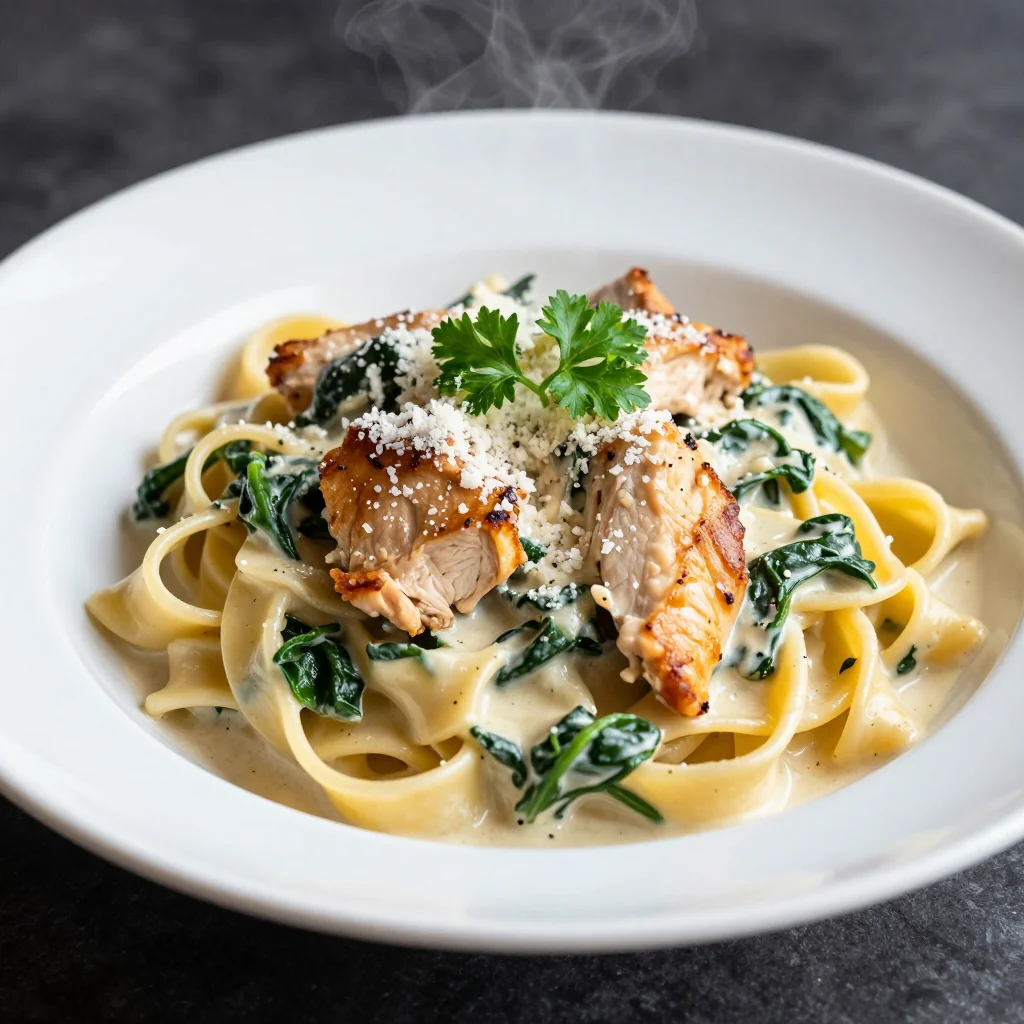
What started as a desperate attempt to throw together whatever I had in the fridge has become our family's most requested comfort meal. The kids love it because it's creamy and familiar, my husband loves it because it actually fills him up (unlike those sad little portions you get at fancy restaurants), and I love it because I can make it with my eyes half-closed while mentally reviewing tomorrow's grocery list.
But here's the real secret: this isn't just another creamy pasta recipe. The technique of searing the chicken first creates those gorgeous browned bits (fond) at the bottom of the pan that we later deglaze with garlic and broth—that's where the depth of flavor comes from. And the way the spinach wilts into the sauce at the very end keeps it vibrant and fresh rather than sad and overcooked. It's these little details that elevate this from "just another pasta recipe" to the kind of meal that makes people close their eyes and sigh contentedly.
Why This Recipe Works
- One-Pan Wonder: Everything cooks in a single skillet, meaning fewer dishes and more flavor building as each ingredient leaves its mark
- 30-Minute Magic: From fridge to table in half an hour, making it perfect for those "what's for dinner?" emergencies
- Creamy Without Heavy Cream: Uses a combination of chicken broth and half-and-half for richness without the food coma
- Restaurant-Quality Technique: Proper searing and deglazing creates layers of flavor that taste like you spent hours cooking
- Customizable Comfort: Easy to adapt with different proteins, vegetables, or pasta shapes based on what you have
- Leftover Love: Reheats beautifully for lunch tomorrow, tasting even better as the flavors meld overnight
- Hidden Veggies: The spinach wilts down so much that even veggie-skeptics won't complain about eating their greens
Ingredients You'll Need
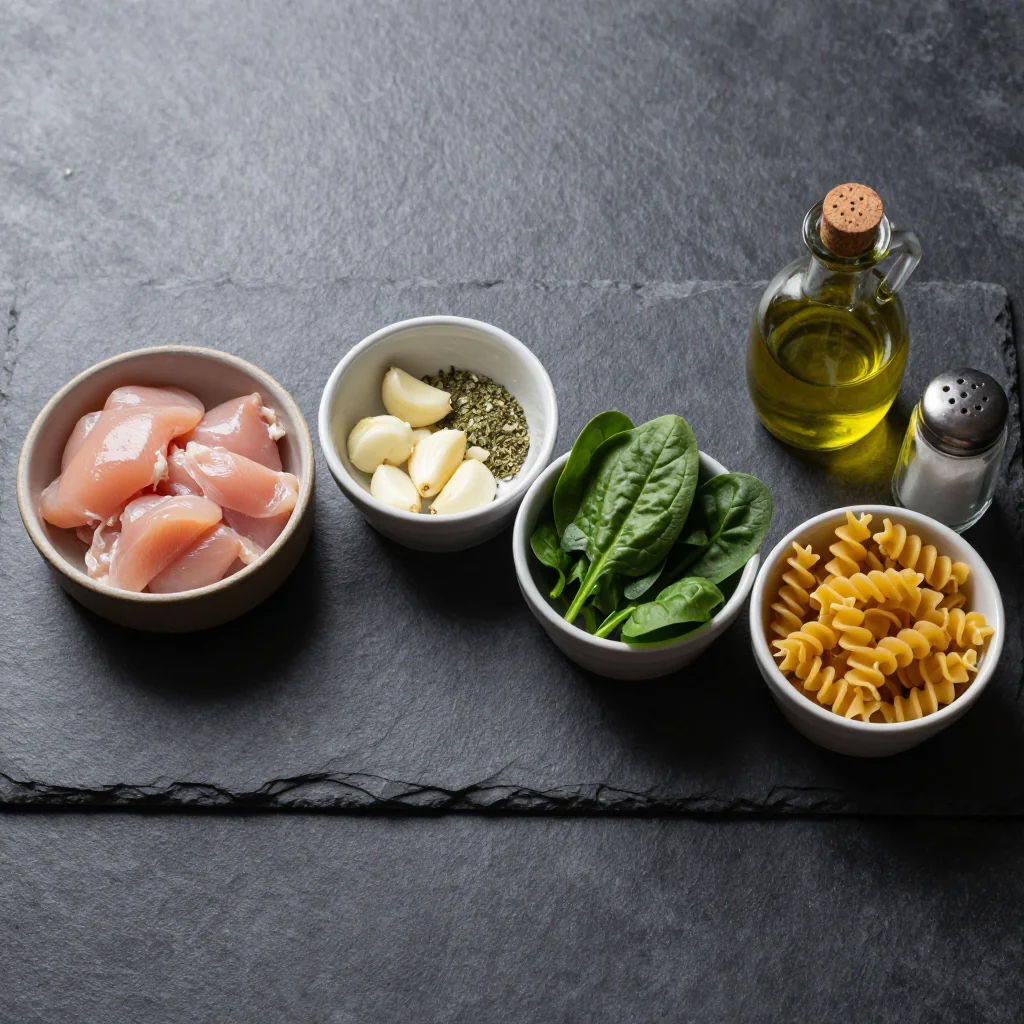
Great cooking starts with understanding your ingredients, and this recipe is no exception. Each component plays a crucial role in creating the perfect balance of creamy, savory, and satisfying.
Pasta (12 oz): I prefer penne or fusilli because their nooks and crannies catch the creamy sauce beautifully. However, any short pasta works wonderfully here—rigatoni, farfalle, or even shells. The key is choosing something with texture that can grip the sauce. If you're using long pasta like fettuccine, break it in half so it integrates better with the other ingredients.
Chicken Breast (1.5 lbs): Boneless, skinless chicken breast is my go-to for quick cooking, but chicken thighs work beautifully if you prefer dark meat. The secret is cutting the chicken into uniform 1-inch pieces so they cook evenly. If your chicken breasts are particularly thick, slice them horizontally first to create cutlets, then cube them. This ensures every piece is tender and juicy.
Fresh Garlic (6-8 cloves): Please, please don't use the pre-minced stuff in this recipe. Fresh garlic is absolutely essential for building that aromatic base. I like to smash the cloves with the flat side of my knife first, then mince them finely. This releases the maximum amount of flavor and creates a beautiful paste that melts into the sauce.
Fresh Baby Spinach (5 oz): Baby spinach is perfect here because it wilts quickly and has a milder flavor than mature spinach. If you're using regular spinach, remove the tough stems. Don't worry about the massive volume—five ounces of spinach looks like a mountain, but it wilts down to practically nothing, creating beautiful green ribbons throughout the pasta.
Half-and-Half (1 cup): This is my secret weapon for creamy sauces that don't feel heavy. It has enough fat to create a luxurious texture but not so much that you feel like you need a nap after dinner. In a pinch, you can make your own by combining equal parts whole milk and heavy cream.
Chicken Broth (1.5 cups): Use low-sodium broth so you can control the salt level. Homemade is fantastic if you have it, but a good quality store-bought broth works perfectly. Warm it slightly before adding to the pan—it helps maintain the temperature and prevents the sauce from seizing up.
Parmesan Cheese (1 cup grated): Freshly grated is non-negotiable here. The pre-grated stuff in the green can contains cellulose that prevents it from melting smoothly. Buy a wedge of real Parmigiano-Reggiano and grate it yourself—it makes a world of difference in both flavor and texture.
How to Make Creamy Garlic Chicken and Spinach Pasta for Comforting Weeknight Meals
Prep and Season the Chicken
Pat the chicken pieces completely dry with paper towels—this is crucial for proper browning. Season generously with 1 teaspoon salt, ½ teaspoon black pepper, and ½ teaspoon Italian seasoning. Toss to coat evenly. Let it sit while you prep the other ingredients; this brief rest helps the seasoning penetrate the meat.
Start the Pasta Water
Bring a large pot of salted water to boil—use 1 tablespoon of salt per quart of water. This is your only chance to season the pasta itself. While waiting for the water to boil, mince your garlic, measure out your liquids, and have everything ready. Once the water boils, add the pasta and cook until just al dente, about 1 minute less than package directions suggest.
Sear the Chicken Properly
Heat 2 tablespoons olive oil in a large, heavy-bottomed skillet over medium-high heat until shimmering. Add the chicken in a single layer—don't crowd the pan or it will steam instead of sear. Let it cook undisturbed for 3-4 minutes until golden brown. Resist the urge to move it around! Flip each piece and cook 2-3 minutes more until just cooked through. Transfer to a plate; those browned bits in the pan are flavor gold.
Build the Garlic Base
Reduce heat to medium and add 2 tablespoons butter to the same skillet. Once melted and foamy, add the minced garlic. Sauté for just 30-45 seconds until fragrant—garlic burns quickly and becomes bitter, so keep it moving. Pour in ½ cup of the chicken broth to deglaze the pan, scraping up all those beautiful browned bits with a wooden spoon. This is where deep flavor happens.
Create the Creamy Sauce
Add the remaining 1 cup chicken broth, the half-and-half, and bring to a gentle simmer. Let it bubble for 2-3 minutes, stirring frequently. The sauce will start to thicken slightly. Reduce heat to low and whisk in ¾ cup of the Parmesan cheese until melted and smooth. If it seems too thick, add a splash of the reserved pasta water; if too thin, let it simmer a bit longer.
Combine Everything
Drain the pasta, reserving 1 cup of pasta water. Add the pasta to the skillet with the sauce, along with the cooked chicken and any accumulated juices. Toss everything together gently, adding pasta water a little at a time until the sauce coats everything beautifully. The pasta will continue to absorb the sauce, so err on the slightly looser side.
Add the Spinach
Remove the skillet from heat and immediately add the baby spinach. Toss gently—the residual heat will wilt the spinach perfectly in about 1 minute. The key is adding it at the end so it stays vibrant and fresh-tasting. If you've added too much pasta water earlier, the spinach will absorb some of it, creating the perfect consistency.
Final Seasoning and Serve
Taste and adjust seasoning with salt and pepper as needed. Remember that Parmesan is salty, so you might not need much additional salt. Sprinkle with the remaining Parmesan cheese and let it melt into the hot pasta. Serve immediately in warm bowls, garnished with extra cheese and a crack of black pepper. The sauce will continue to thicken as it cools, so don't be afraid if it seems a touch loose in the pan.
Expert Tips
Temperature Control is Key
Never let the cream boil vigorously—it will break and become grainy. Keep it at a gentle simmer, and if it starts to boil, immediately remove from heat and whisk vigorously to bring it back together.
Save That Pasta Water
The starchy pasta water is liquid gold for adjusting sauce consistency. It helps the sauce cling to the pasta and prevents separation. Always save more than you think you'll need.
Don't Overcook the Chicken
Chicken continues cooking from residual heat. Remove it from the pan when it's just barely cooked through—it will finish cooking when added back to the hot pasta.
Fresh vs. Dried Herbs
If using fresh herbs instead of dried Italian seasoning, triple the amount and add them at the very end to preserve their bright flavor and color.
Make-Ahead Magic
Prep everything in the morning—cut chicken, mince garlic, measure liquids. Store separately in the fridge, and dinner comes together in 15 minutes.
Double the Batch
This recipe doubles beautifully for a crowd or for planned leftovers. Use a larger skillet or Dutch oven, and add 5-10 minutes to the cooking time.
Variations to Try
Seafood Lovers
Swap the chicken for large shrimp—sear them for just 1-2 minutes per side, then remove and add back at the end. The sweetness of shrimp pairs beautifully with the garlic cream.
Sun-Dried Tomato
Add ½ cup chopped sun-dried tomatoes in oil when you add the garlic. Their tangy-sweet flavor adds incredible depth and beautiful color.
Spicy Kick
Add ½ teaspoon red pepper flakes with the garlic, or stir in a spoonful of Calabrian chili paste at the end for a sophisticated heat that builds slowly.
Mushroom Lovers
Sauté 8 oz sliced mushrooms in the pan after removing the chicken. Cook until golden, then proceed with the recipe. The earthy mushrooms complement the creamy sauce perfectly.
Storage Tips
Refrigerator Storage
Store leftovers in an airtight container in the refrigerator for up to 4 days. The sauce will thicken considerably as it chills. When reheating, add a splash of milk or chicken broth to loosen it up. Reheat gently over medium-low heat, stirring frequently to prevent the sauce from breaking.
Freezing Instructions
While cream-based sauces can be tricky to freeze, this one holds up reasonably well. Freeze in portion-sized containers for up to 2 months. Thaw overnight in the refrigerator, then reheat very gently with additional liquid. The texture won't be quite as silky as fresh, but the flavor remains excellent.
Make-Ahead Components
You can prep the chicken and vegetables up to 2 days ahead. Store the cut chicken in seasoned buttermilk for extra tenderness, and keep the minced garlic in olive oil in the fridge. You can also make the sauce base (without the cheese) up to 3 days ahead—just reheat and whisk in the cheese when ready to serve.
Frequently Asked Questions
You can, but the sauce won't be as rich and creamy. If you must substitute, use whole milk rather than low-fat, and add 2 tablespoons of cream cheese or 1 tablespoon of flour whisked into the butter to help thicken it. The result will be lighter but still delicious.
Sauce separation usually happens from overheating. Cream-based sauces should never boil. Keep the heat at medium-low, and if you see it starting to separate (the fat separating from the liquid), immediately remove from heat and whisk vigorously. Adding the cheese off-heat also helps prevent separation.
Absolutely! Use your favorite gluten-free pasta—rice, corn, or chickpea pasta all work well. The sauce is naturally gluten-free. Just be sure to check that your chicken broth is gluten-free (some brands add wheat as a thickener).
Broccoli florets, bell peppers, zucchini, or cherry tomatoes all work beautifully. Add harder vegetables like broccoli or bell peppers earlier in the cooking process, and delicate vegetables like zucchini or tomatoes at the same time as the spinach. Asparagus tips are also fantastic—add them when you add the pasta.
The chicken is done when it's no longer pink in the center and the juices run clear. For accuracy, use a meat thermometer—chicken is safe to eat at 165°F (74°C). Since we're adding it back to the hot pasta, it's okay if it's just slightly under 165°F as it will continue cooking.
Yes, but thaw and squeeze it completely dry first. Use about 10 oz of frozen spinach (it reduces significantly when thawed). Add it to the sauce earlier than fresh spinach so it has time to heat through. The texture will be softer than with fresh spinach, but the flavor is still great.
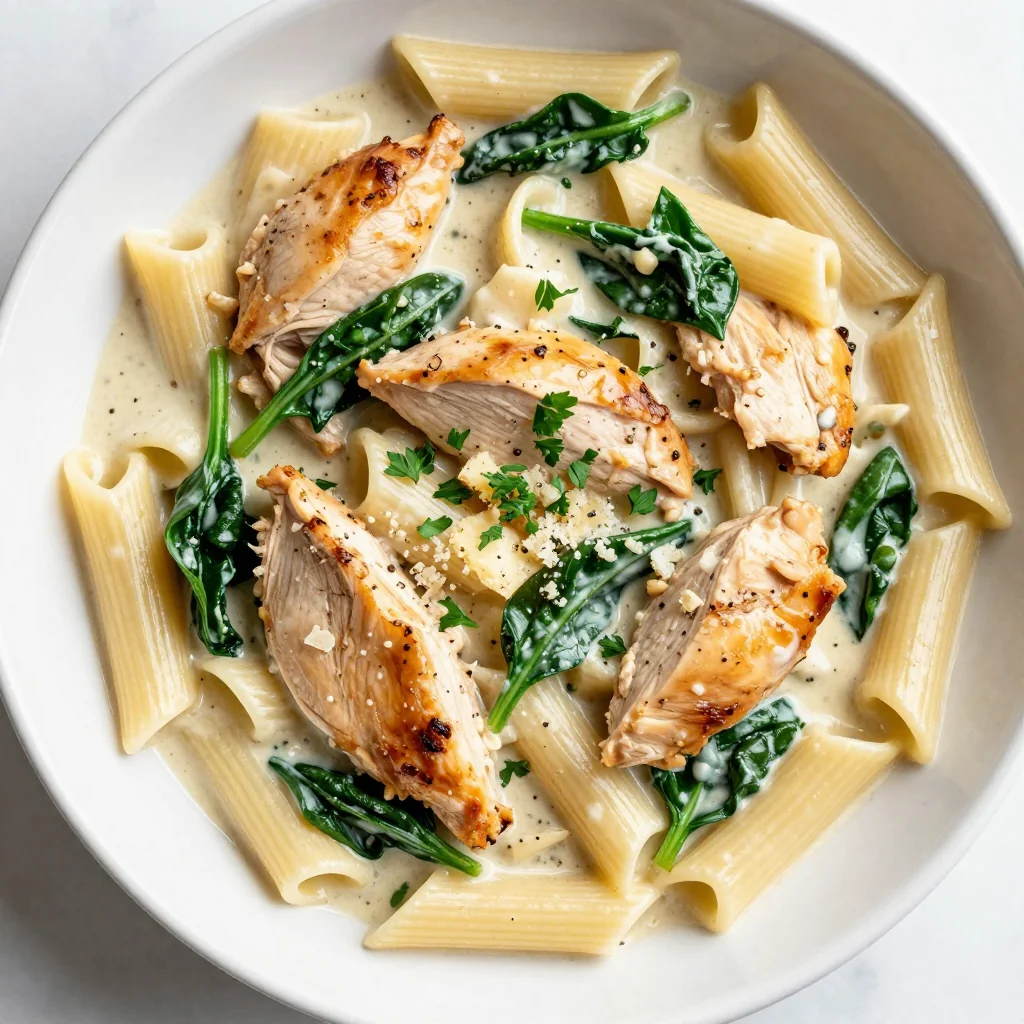
Creamy Garlic Chicken and Spinach Pasta for Comforting Weeknight Meals
Ingredients
Instructions
- Cook the pasta: Bring a large pot of salted water to boil. Add pasta and cook until al dente. Reserve 1 cup pasta water, then drain.
- Season and sear chicken: Pat chicken dry and season with salt, pepper, and Italian seasoning. Heat olive oil in a large skillet over medium-high heat. Sear chicken 3-4 minutes per side until golden. Remove to a plate.
- Build the sauce: In the same skillet, melt butter over medium heat. Add garlic and sauté 30 seconds. Pour in ½ cup chicken broth to deglaze the pan.
- Make it creamy: Add remaining chicken broth and half-and-half. Simmer 2-3 minutes, then whisk in ¾ cup Parmesan until melted and smooth.
- Combine everything: Add the cooked pasta, chicken, and any juices to the skillet. Toss to coat, adding pasta water as needed to achieve desired consistency.
- Finish with spinach: Remove from heat and add spinach, tossing until wilted. Season to taste and serve with remaining Parmesan cheese.
Recipe Notes
For best results, use freshly grated Parmesan cheese rather than pre-grated. The sauce will continue to thicken as it cools, so serve immediately for the creamiest texture. Leftovers reheat beautifully with a splash of milk or chicken broth.