I was staring at a burnt pot of rice, the kitchen smelling of scorched grains, when my friend dared me to make a “Louisiana‑style” dish that would make us both laugh and weep in equal measure. The challenge was simple: take a humble pasta, give it a Southern swagger, and turn it into something that feels like a hug from the bayou. I thought about the clanging of a cast‑iron skillet, the sizzle of peppercorns, and the sweet, smoky aroma that lingers on a humid afternoon. That image, vivid and alive, sparked a recipe that would become my kitchen anthem. By the time the pot boiled, I was already humming a Cajun tune, and the air was thick with anticipation.
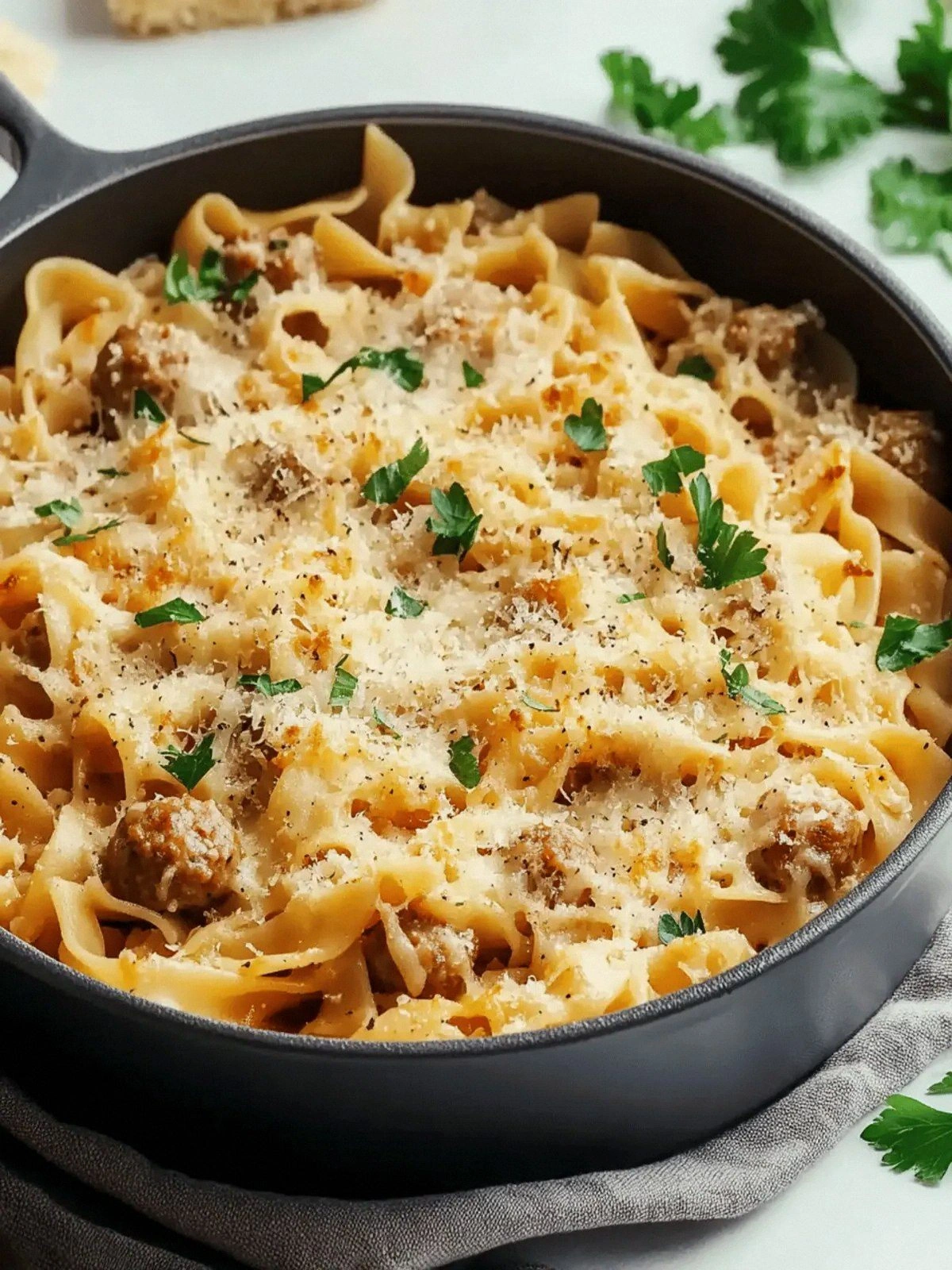
Picture this: a bowl of pasta that glistens with a silky, creamy sauce, speckled with bright red pepper flakes that dance like tiny fireworks. The first bite delivers a punch of heat that melts into a buttery, Parmesan‑laden finish, while the vegetables provide a satisfying crunch that breaks the softness of the noodles. The sauce coats the pasta like velvet, and the edges of each piece shine with a golden crust that shatters like thin ice when you bite into it. It’s a harmony of textures that feels like a party in your mouth, and it’s the kind of dish that turns a regular dinner into an unforgettable experience. I dare you to taste this and not go back for seconds.
What sets this version apart is that it’s not just a copy of a restaurant recipe; it’s a re‑imagination that respects tradition while adding a personal twist. I used fresh, butterflied chicken breasts, not pre‑cooked or frozen, to keep the protein juicy and the flavor authentic. The sauce is built on a roux that’s cooked to a deep amber, giving it a nutty depth that’s rarely achieved in quick‑prep dishes. I swapped the standard heavy cream for a lighter version that still delivers richness without overpowering the delicate balance of spices. And the finishing touch? A sprinkle of fresh parsley that adds a burst of color and a hint of herbaceous freshness. This is hands down the best version you'll ever make at home.
If you’re ready to move beyond bland pasta dishes, let me walk you through every single step—by the end, you'll wonder how you ever made it any other way. I’ll share the secrets that make the sauce silky, the chicken tender, and the vegetables crisp. We’ll tackle the timing, the temperatures, and the little tricks that elevate a simple dish into a culinary triumph. Stay with me, because the next part? Pure magic. And if you’ve ever struggled with a sauce that turns out too thick or too thin, you’re not alone—and I’ve got the fix.
What Makes This Version Stand Out
- Taste: The bold Cajun seasoning marries the heat of red pepper flakes with the savory depth of Parmesan, creating a flavor profile that feels both spicy and comforting. It’s a dish that makes your taste buds dance, not just sit politely. The result is a sauce that sings with every bite.
- Texture: The roux technique gives the sauce a silky smoothness, while the chicken remains moist and the vegetables keep their crunch. The combination of creamy and crunchy layers feels like a well‑crafted symphony. No part of this dish feels overcooked or underdone.
- Simplicity: With only a handful of pantry staples and fresh ingredients, you can whip this up in under an hour. No elaborate prep, no secret sauces. It’s the kind of recipe that fits into a busy weeknight yet still feels special.
- Uniqueness: The use of a butterflied chicken breast, combined with a pepper‑corn crust, sets this apart from other pasta dishes that rely on pre‑cooked meats. It’s a fresh take that keeps the protein juicy and the flavor complex.
- Crowd Reaction: Friends who’ve tasted this dish rave about how it feels like a Southern comfort meal with a twist of modern flair. They often ask for the recipe after the first bite. The dish’s personality shines through each plate.
- Ingredient Quality: Fresh, high‑quality Parmesan and a splash of heavy cream make the sauce rich without being cloying. The Cajun seasoning is balanced, not overpowering, ensuring every bite is harmonious.
- Cooking Method: The step‑by‑step approach ensures that each component is cooked to perfection—no one part is rushed or left undercooked. The method is a blueprint you can replicate for any similar dish.
- Make‑ahead Potential: The sauce can be made a day ahead and reheated with a splash of milk or cream. The chicken can be pre‑marinated, saving time on busy nights. It’s a dish that adapts to your schedule.
Alright, let’s break down exactly what goes into this masterpiece…
Inside the Ingredient List
The Flavor Base
Red pepper flakes, Cajun seasoning, kosher salt, and ground black pepper form the aromatic backbone of this dish. These spices are not just for heat; they create a complex flavor profile that lingers on the palate. If you skip any of these, the sauce will taste flat and forgettable. For a milder version, reduce the pepper flakes to half a teaspoon, but keep the Cajun seasoning to maintain depth. A good rule of thumb: taste as you go, and adjust the heat to suit your crowd.
The Texture Crew
Heavy cream, chicken stock, cornstarch, and Parmesan cheese are the key players that give the sauce its silky texture and rich mouthfeel. The cream adds body, the stock provides depth, the cornstarch thickens, and the cheese offers umami. Skipping the cornstarch will leave you with a watery sauce that clings poorly to the pasta. If you’re lactose intolerant, substitute the cream with coconut milk—just keep an eye on the thickness. A fresh batch of Parmesan is essential; aged cheese can become too sharp and overpower the dish.
The Protein and Pasta
Butterflied chicken breasts are the star of the show. Butterflied, they cook evenly and stay moist, absorbing the sauce’s flavors beautifully. If you prefer a vegetarian version, swap the chicken for sliced portobello mushrooms, which develop a meaty texture when cooked properly. Farfalle pasta is chosen for its shape, which holds the sauce and vegetables in every loop. A thicker pasta like rigatoni could also work, but the delicate loops of farfalle keep the dish light.
The Final Flourish
Vegetable oil, butter, and parsley add finishing touches that elevate the dish from good to unforgettable. The oil helps sauté the vegetables evenly, while the butter adds a glossy sheen and depth of flavor. Fresh parsley not only adds color but also a bright, herbal note that balances the richness. If you’re not a fan of parsley, a sprinkle of chopped chives works just as well. Remember, the garnish is the last impression—make it count.
Everything's prepped? Good. Let's get into the real action…
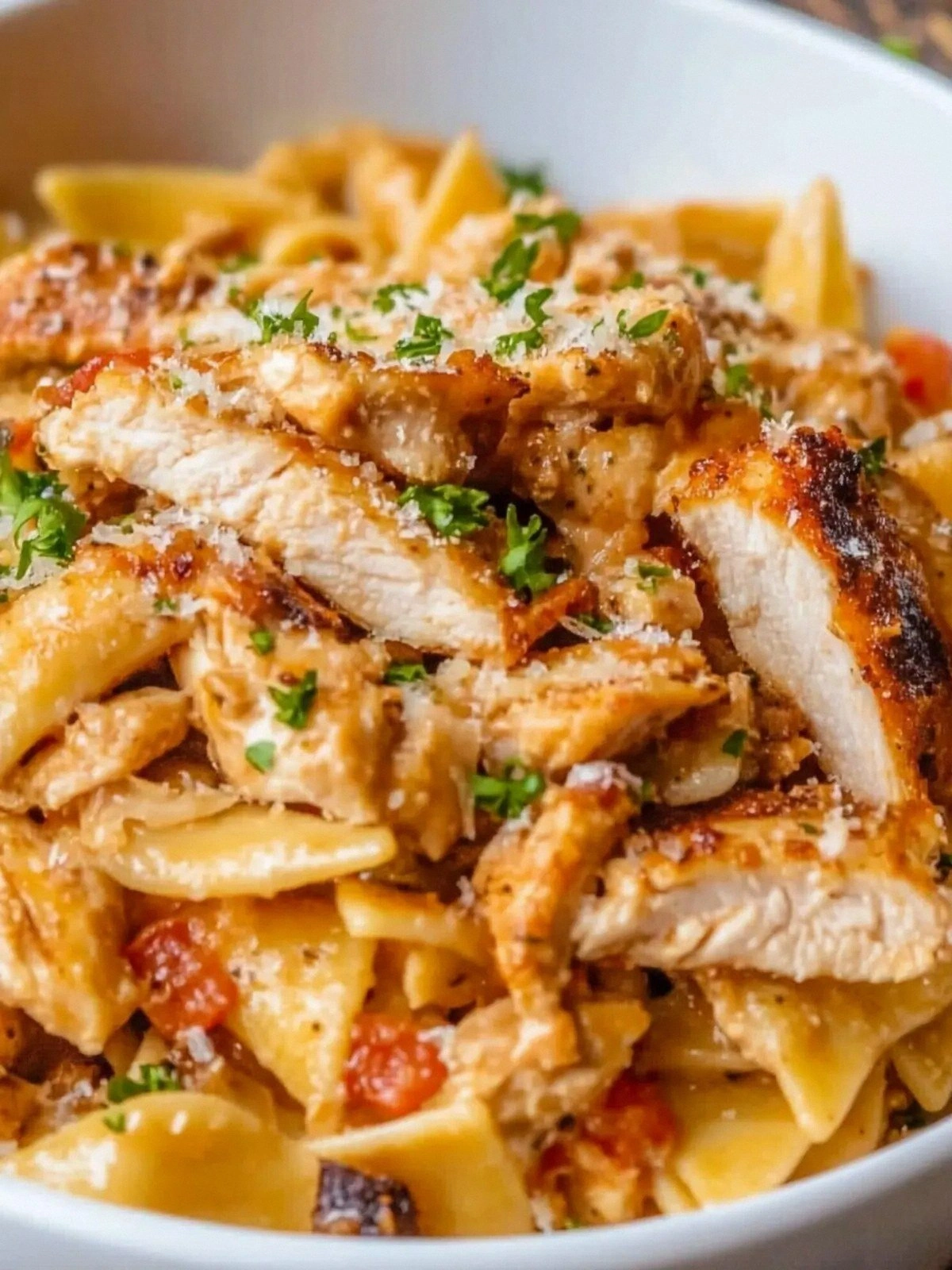
The Method — Step by Step
- Heat a large skillet over medium heat and add 1 tablespoon of vegetable oil and 2 tablespoons of butter. Once the butter is melted, toss in the butterflied chicken breasts, seasoning them with a pinch of salt and pepper. Sear each side for 3–4 minutes until golden brown, then remove from the skillet and set aside. The chicken should have a crisp crust that shatters like thin ice when you bite into it. Keep the chicken warm in a low‑heat oven while you work on the sauce.
- In the same skillet, add the sliced yellow and red bell peppers, red onion, and mushrooms. Sauté for 5 minutes, stirring frequently, until the vegetables soften but still retain a slight bite. This step is crucial for texture—over‑sautéing will turn them mushy. The aroma should be sweet and slightly caramelized, hinting at the dish’s sweet‑spicy nature.
- Add the minced garlic and red pepper flakes to the vegetables, cooking for an additional 30 seconds until fragrant. The garlic should release a warm, nutty scent that permeates the skillet. Be careful not to burn the garlic; it will taste bitter if it does.
- Stir in the Cajun seasoning, a teaspoon of kosher salt, and a teaspoon of ground black pepper. Mix well so the spices coat every vegetable. This is the moment of truth—if the spices are unevenly distributed, the dish will taste uneven.
- Pour in 1 cup of chicken stock and bring the mixture to a gentle simmer. Let it reduce slightly for 3 minutes, allowing the stock to infuse the vegetables with savory depth. The liquid should thicken a little, creating a flavorful base for the sauce.
- In a small bowl, whisk together 2 tablespoons of cornstarch with 1/4 cup of cold water to create a slurry. Stir this into the skillet, whisking constantly to avoid lumps. The sauce should thicken into a silky consistency that clings to the vegetables. If it’s too thick, add a splash of chicken stock; if too thin, let it simmer a bit longer.
- Reduce the heat to low and fold in 1 cup of heavy cream, 1 cup of shredded Parmesan, and 1/2 cup of grated Parmesan. Stir until the cheeses melt and the sauce becomes glossy. The sauce should smell toasty, with a hint of nutty cheese. This step locks in the creaminess that makes the dish unforgettable.
- Add the cooked farfalle pasta to the skillet, tossing gently to coat each noodle with the sauce. Return the seared chicken to the pan, positioning it on top of the pasta. Let everything heat together for 2 minutes, allowing the chicken to absorb the sauce’s flavors. The final dish should have a glossy sheen and a bright, inviting aroma.
That’s it — you did it. But hold on, I've got a few more tricks that'll take this to another level…
Insider Tricks for Flawless Results
The Temperature Rule Nobody Follows
Keep the skillet at a steady medium heat throughout the process. If the heat drops too low, the sauce will not thicken properly; if it’s too high, the cream will curdle. Use a thermometer to keep the internal temperature around 165°F for the chicken, ensuring safety without overcooking. This small adjustment means the difference between a perfect plate and a soggy mess.
Why Your Nose Knows Best
Smell the sauce as it simmers. A slightly nutty aroma indicates the Parmesan has melted fully, while a sharp, metallic scent suggests the cheese is overcooked. Trust your nose; it’s the quickest way to gauge doneness. A dish that smells right will taste right.
The 5-Minute Rest That Changes Everything
Let the dish sit for 5 minutes after cooking. This pause allows the flavors to meld, and the sauce to settle, preventing a greasy surface. During this rest, the pasta will absorb the remaining sauce, making each bite luscious. A friend once skipped this step and the dish felt thin; the rest is essential.
The Quick Stir to Avoid Sticking
Stir the pasta and sauce every 2 minutes during the final 5 minutes of cooking. This prevents the noodles from sticking to the pan and ensures even coating. A quick stir also releases the steam, keeping the dish from becoming soggy. It’s a simple habit that pays off big time.
The Final Garnish Trick
Right before serving, sprinkle fresh parsley over the top. The green color contrasts beautifully with the golden sauce, making the dish look as good as it tastes. A few extra grated Parmesan adds a touch of crunch. This finishing touch turns a good plate into a masterpiece.
Creative Twists and Variations
This recipe is a playground. Here are some of my favorite ways to switch things up:
Spicy Shrimp Edition
Swap the chicken for peeled shrimp, searing them for 2 minutes per side. The shrimp’s quick cooking time adds a briny, oceanic note. The rest of the sauce remains unchanged, giving you a seafood twist that’s still rooted in Southern comfort.
Vegan Delight
Replace the chicken with sliced tofu, marinated in a mixture of soy sauce and maple syrup. Use a plant‑based cream and nutritional yeast in place of Parmesan. The result is a creamy, savory dish that feels indulgent without animal products.
Pesto Fusion
Stir in a few spoonfuls of basil pesto at the end of cooking. The herbal freshness balances the heat, creating a complex flavor profile. This variation works best with a lighter pasta like linguine.
Mushroom Medley
Add cremini, shiitake, and portobello mushrooms to the vegetable mix. Their earthy flavors complement the Cajun spices, giving the dish a deeper, forest‑like aroma. This version is perfect for a cozy, autumnal dinner.
Cheddar‑Chew
Swap half the Parmesan for sharp cheddar. The cheddar melts beautifully, adding a tangy bite that contrasts with the creamy sauce. The dish becomes a fusion of Southern and American classic flavors.
Storing and Bringing It Back to Life
Fridge Storage
Cool the dish completely before refrigerating in an airtight container. It will keep for up to 3 days. When reheating, add a splash of milk to restore creaminess. The sauce should regain its silky texture, and the chicken will stay juicy.
Freezer Friendly
Freeze the dish in a freezer‑safe container for up to 2 months. Thaw overnight in the fridge, then reheat on the stove, stirring frequently. The sauce may separate slightly; whisk in a teaspoon of cornstarch slurry to re‑emulsify. The flavor profile remains intact.
Best Reheating Method
Reheat over low heat, stirring constantly until warmed through. Avoid high heat, which can cause the sauce to split. The key is gentle, even warming to preserve the sauce’s silky mouthfeel. A quick splash of water before reheating steams the dish back to perfection.