Picture this: I was halfway through a midnight snack, my phone buzzing with a notification that the local grocery store had just restocked quinoa. I stared at the pantry, realizing my usual stir‑fry was about to become a culinary catastrophe. The bowl was empty, the spice rack looked like a battlefield, and my stomach growled like a freight train. I laughed, grabbed a bag of quinoa, and decided that tonight, I would rewrite the rules of a humble vegetable medley.
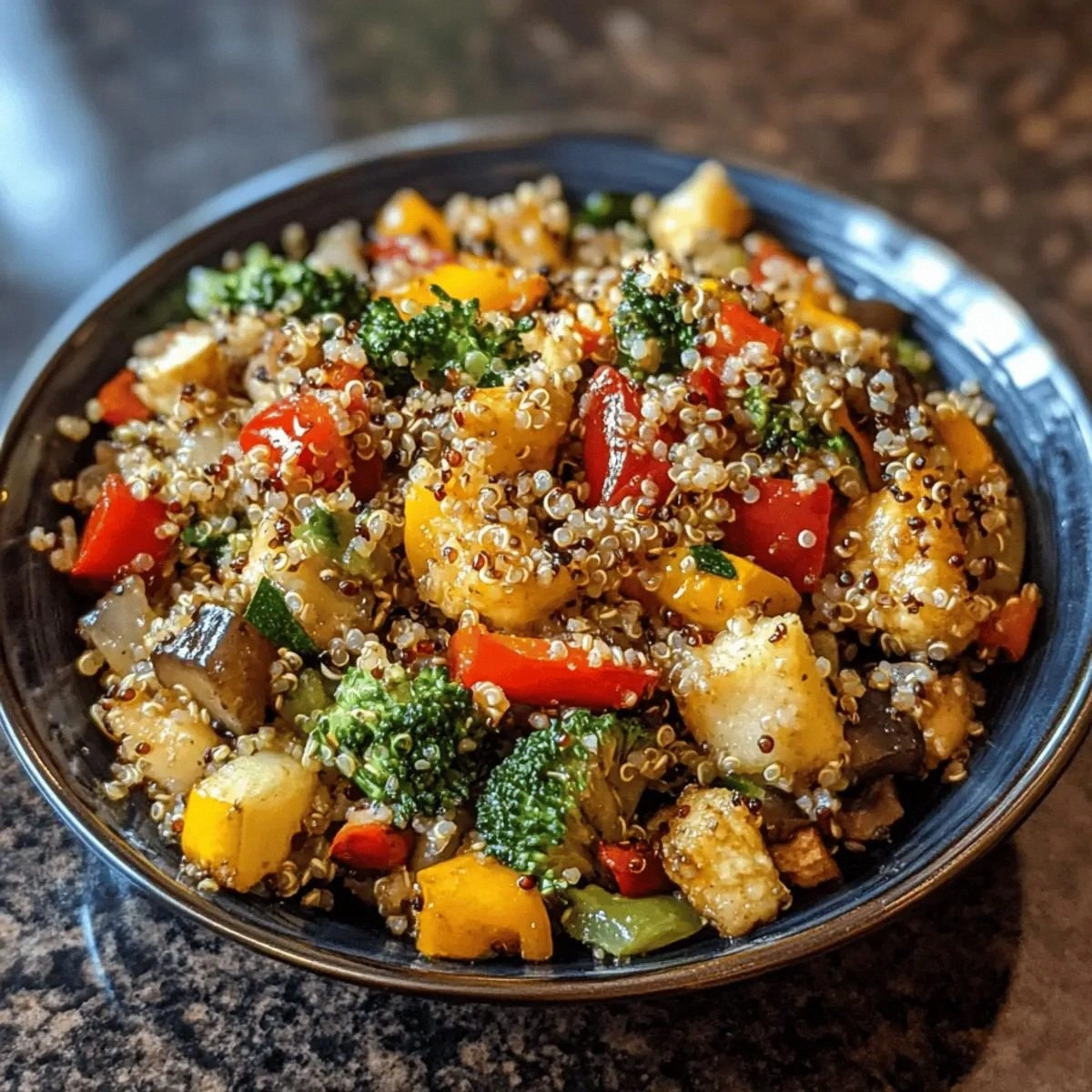
The kitchen was a riot of colors: bright orange carrots, ruby bell peppers, emerald broccoli, and a splash of green snap peas. The scent of fresh ginger and garlic mingled with the metallic tang of soy sauce, creating a perfume that made my eyes water. As the pan heated, a faint sizzle whispered, “This is about to happen.” I could almost taste the sweet snap of honey melting into a glossy glaze. The texture was already promising—crunchy, tender, and irresistibly sticky.
What sets this version apart is the harmony of flavors and textures that dance together like a well‑orchestrated symphony. Instead of a bland, over‑cooked mess, this dish delivers a velvet‑like sauce that coats every grain of quinoa and every veggie bite. I dare you to taste this and not go back for seconds. I’ve been told this is hands down the best version you’ll ever make at home.
And the secret? A dash of rice vinegar that brightens the whole plate, a whisper of sesame oil for that nutty aroma, and a final sprinkle of toasted sesame seeds that crackles like fresh snow. Picture yourself pulling this out of the pan, the whole kitchen smelling incredible, and your friends begging for the recipe. Let me walk you through every single step—by the end, you’ll wonder how you ever made it any other way.
What Makes This Version Stand Out
- Taste: The sauce balances sweet, salty, and umami, creating a complex profile that elevates simple ingredients into a gourmet experience.
- Texture: Crispy edges on the veggies contrast with the tender quinoa, while the toasted sesame seeds add a satisfying crunch.
- Simplicity: With only fifteen ingredients, the recipe is quick to assemble and requires no exotic equipment.
- Uniqueness: The combination of rice vinegar and honey creates a glossy glaze that is rarely seen in standard stir‑fries.
- Crowd Reaction: Friends who try it often ask for the recipe the next time they cook, proving its crowd‑pleasing power.
- Ingredient Quality: Using fresh, organic veggies and high‑quality quinoa ensures every bite is flavorful and nutritious.
- Cooking Method: Quick high‑heat sauté locks in freshness while the quinoa absorbs the sauce without becoming mushy.
Inside the Ingredient List
The Flavor Base
Soy sauce, sesame oil, honey, and rice vinegar form the backbone of this dish. The soy sauce provides depth and saltiness, while the sesame oil adds a subtle nutty aroma that lingers. Honey or maple syrup brings a gentle sweetness that balances the acidity of the vinegar. Together, they coat the quinoa and veggies, turning the stir‑fry into a glossy, mouth‑watering masterpiece.
The Texture Crew
Carrots, bell peppers, broccoli florets, and snap peas deliver a spectrum of textures—from crisp to tender. Each vegetable is cut into uniform bite‑sized pieces, ensuring even cooking. The snap peas snap with a satisfying crunch, while the broccoli florets soften just enough to stay firm. This variety keeps each forkful exciting and prevents the dish from becoming monotonous.
The Unexpected Star
Tofu or chickpeas add protein and a subtle earthiness that anchors the dish. If you choose tofu, press it to remove moisture for a firmer bite. Chickpeas bring a creamy texture and a nutty flavor that pairs well with the sweet glaze. Either option turns the stir‑fry into a wholesome, filling meal.
The Final Flourish
Red pepper flakes give a gentle heat that wakes up the palate. Toasted sesame seeds add a nutty crunch and a visual pop of gold. Green onions provide a fresh, sharp contrast that cuts through the richness. Together, they create a finishing touch that feels both sophisticated and comforting.
Everything's prepped? Good. Let's get into the real action…
The Method — Step by Step
- Begin by rinsing the quinoa under cold water until the water runs clear, then combine it with 2 cups of water in a saucepan. Bring to a boil, reduce heat to low, cover, and simmer for 15 minutes until fluffy. The quinoa should be tender yet still slightly chewy, like a soft pearl. While it cooks, keep an eye on the pot to prevent scorching.
- While the quinoa is cooking, heat a large wok or skillet over medium‑high heat and add 1 tablespoon of sesame oil. Once the oil shimmers, add minced garlic and grated ginger, letting them sizzle for 30 seconds until fragrant. The aroma should be bright and aromatic, signaling the base of your sauce is forming.
- Add the sliced carrots and bell peppers to the pan, stirring constantly. They should blister slightly, releasing their natural sugars. After 3 minutes, incorporate the broccoli florets and snap peas, cooking for an additional 2 minutes. The vegetables should remain crisp‑tender, preserving their vibrant colors.
- Add the tofu or chickpeas, stirring gently so they don’t break apart. The protein should heat through, absorbing the flavors of the pan. At this point, pour in 3 tablespoons of soy sauce, 1 tablespoon of honey (or maple syrup), and 1 tablespoon of rice vinegar. Stir until the mixture coats every ingredient, creating a glossy glaze.
- Sprinkle in 1 teaspoon of red pepper flakes and 2 tablespoons of toasted sesame seeds, tossing to combine. The heat should be just enough to tease the palate without overpowering the sweetness. Taste the sauce; if it needs more depth, add a splash of soy sauce or a pinch of salt.
- Fold in the cooked quinoa, ensuring each grain is coated with the sauce and vegetables. The quinoa should be fragrant, slightly caramelized on the edges. Stir until everything is evenly mixed, and let the flavors marry for a minute.
- Finish by adding sliced green onions, giving the dish a fresh, sharp finish. Serve immediately, garnished with an extra sprinkle of sesame seeds if desired. The dish should look vibrant, with glossy sauce and bright vegetables.
That’s it—you did it. But hold on, I’ve got a few more tricks that’ll take this to another level…
Insider Tricks for Flawless Results
The Temperature Rule Nobody Follows
Heat the wok to a blistering high before adding oil; this creates a sear that locks in moisture. If the oil starts smoking, lower the heat slightly—over‑high temperatures can burn the sauce. A quick test: drop a small piece of carrot in; if it sizzles immediately, the pan is ready. This trick ensures your veggies stay crisp and your sauce doesn’t become bitter.
Why Your Nose Knows Best
Smell the garlic and ginger before cooking; if it feels too pungent, give it a quick rinse. A mild aroma indicates the flavors are balanced. Over‑roasted garlic can ruin the dish, so keep the heat moderate. Your nose is your best judge—listen to it.
The 5-Minute Rest That Changes Everything
After cooking, let the dish rest for 5 minutes off the heat. This allows the quinoa to absorb any remaining sauce, making each bite succulent. The rest period also lets the flavors meld, turning the dish into a cohesive experience. Skipping this step results in a dry, under‑seasoned meal.
The Quick Toss for Even Coating
Use a wooden spoon or spatula to toss the ingredients gently, ensuring every piece is coated. This simple motion distributes the sauce evenly, preventing pockets of dryness. The result is a harmonious bite every time.
The Final Crunch Boost
Right before serving, add a handful of raw cashews or almonds for an extra crunch. Their nutty flavor complements the sesame seeds and adds a new dimension to the dish. This step is optional but highly recommended for texture lovers.
Creative Twists and Variations
Spicy Thai Twist
Replace the soy sauce with fish sauce, add a handful of Thai basil, and throw in a few Thai chilies. The dish takes on a bold, aromatic profile that pairs well with jasmine rice. This version is perfect for those who crave a heatier, more exotic flavor.
Mediterranean Flair
Swap the soy sauce for a splash of lemon juice, add chopped olives, and sprinkle feta cheese on top. The citrusy brightness and salty olives transform the stir‑fry into a Mediterranean‑inspired plate. It’s a refreshing change that pairs well with crusty bread.
Vegan Protein Boost
Use chickpeas instead of tofu for a heartier bite, and add a handful of hemp seeds for extra omega‑3s. The chickpeas absorb the sauce beautifully, offering a nutty flavor. This variation is great for plant‑based diners who need protein.
Sausage Surprise
Add sliced smoked sausage or chorizo for a smoky depth that contrasts the sweet glaze. The sausage’s fat renders into the sauce, enriching the overall flavor. It’s a crowd‑pleaser for meat lovers.
Citrus Burst
Finish the dish with a squeeze of fresh lime juice and a sprinkle of chopped cilantro. The citrus brightens the dish, while the cilantro adds a fresh herbal note. This variation is ideal for hot summer evenings.
Storing and Bringing It Back to Life
Fridge Storage
Store in an airtight container for up to 3 days. Keep the quinoa separate from the sauce if you plan to reheat quickly. The dish stays fresh and the flavors remain vibrant. Avoid storing for more than 48 hours to prevent sogginess.
Freezer Friendly
Freeze in portioned containers for up to 2 months. Thaw overnight in the refrigerator before reheating. Reheating should be done in a skillet with a splash of water to keep the quinoa from drying out. The texture will remain close to fresh.
Best Reheating Method
Heat in a skillet over medium heat, adding a tiny splash of water or broth. Stir until the sauce thickens and the quinoa is heated through. This method preserves the glossy coating and restores the dish’s original mouthfeel.