I remember the night I almost gave up on dessert entirely. The kitchen was a battlefield—flour dusted the counter like snow, a half‑baked tart crust lay abandoned, and the sweet scent of caramelized sugar had turned into a faint, bitter haze. My friend, ever the culinary daredevil, challenged me to turn that disaster into a triumph, saying, “I dare you to taste this and not go back for seconds.” I laughed, grabbed my apron, and decided it was time to rewrite the rulebook for fruit tartlets. The result? A buttery, crisp shell that melts in your mouth like a dream, topped with a glossy glaze that practically sings.
Picture the scene: a warm, golden crust cooling on a wire rack, its edges crisp as a freshly toasted baguette. The air is thick with the fragrant perfume of vanilla, butter, and the faintest whisper of almond. When you slice through it, the inner crumb releases a subtle, buttery aroma that mingles with the bright, tart sweetness of fresh berries. The first bite delivers a satisfying crunch that gives way to a silky, custard‑laden center, while the glaze adds a glossy, almost caramelized finish. The texture is a perfect harmony—crisp on the outside, tender on the inside, with a burst of fruit that explodes like a mini fireworks display.
What makes this version stand out is not just the flavor, but the meticulous balance of technique and ingredient quality. The crust is a buttery, almond‑infused base that offers a nutty undertone, while the pastry cream is enriched with a hint of vanilla and almond extract for depth. The glaze, made from apricot jam, lemon juice, and a touch of sugar, gives that glossy sheen that draws the eye and the taste buds. Each component is crafted to complement, not compete, creating a symphony of flavors that lingers on the palate. This is hands down the best version you'll ever make at home, and it’s not hard to see why.
I’ll be honest—I ate half the batch before anyone else got to try it—so you’ll need a plan for leftovers or a strategy to keep the others from snatching your masterpiece. The secret? A simple tweak in the pastry dough that gives it a naturally flaky structure, and a glaze that sets in a matter of minutes. Most recipes get this completely wrong, but here's what actually works: a cold butter, a touch of cold water, and a gentle hand. Picture yourself pulling these tartlets out of the oven, the whole kitchen smelling incredible, and knowing that every bite will be a revelation. Okay, ready for the game‑changer? Let me walk you through every single step — by the end, you'll wonder how you ever made it any other way.
What Makes This Version Stand Out
- Flavor: The crust incorporates almond extract, giving a subtle nutty undertone that elevates the sweetness of the fruit and glaze.
- Texture: A cold, butter‑rich dough creates flaky layers that crackle delightfully when you bite into them.
- Visual Appeal: A glossy apricot glaze gives each tartlet a polished, restaurant‑style finish that turns heads.
- Ingredient Quality: Using fresh, seasonal berries ensures that each bite is bursting with natural sweetness.
- Make‑Ahead Potential: The crust can be prepared days in advance and baked just before serving, saving you precious time.
- Crowd Reaction: The combination of crisp crust, creamy custard, and bright fruit makes these tartlets a guaranteed crowd‑pleaser.
- Ease of Execution: Despite its gourmet results, the recipe requires only a few kitchen staples and a straightforward technique.
- Versatility: Swap out fruit or glaze flavors to suit any season or personal preference.
Inside the Ingredient List
The Flavor Base
The foundation of any great tartlet begins with a buttery, almond‑infused crust. The almond extract not only adds depth but also enhances the buttery notes, creating a complex flavor profile that pairs beautifully with sweet fruit. Skipping the almond extract will leave the crust a bit plain and less aromatic, but you can compensate by adding a touch of almond butter into the dough. A good tip: use cold butter, cut into cubes, and keep it chilled until mixing to maintain flaky layers.
The Texture Crew
Pastry cream is the hero that turns a simple crust into a decadent treat. It’s made by whisking egg yolks, sugar, and a splash of milk, then thickening with a light touch of cornstarch. The result is a silky custard that coats the tart shell like velvet. If you skip the cornstarch, the custard may run and not set properly, leading to a watery center.
The Unexpected Star
Fresh fruit is the star that brings life to the tart. I like to mix strawberries, blueberries, and raspberries for a colorful, flavorful medley. Each berry adds its own unique sweetness and acidity, creating a balanced flavor that doesn’t overwhelm the custard. If you’re out of berries, consider using diced peaches or kiwi for a tropical twist.
The Final Flourish
The apricot glaze gives the tartlets that eye‑catching shine. Made from apricot jam, lemon juice, and a splash of sugar, it caramelizes slightly on the surface, providing a crisp, sweet finish. Without the glaze, the tartlets would look dull and feel plain. If you prefer a tangier glaze, add a pinch of sea salt to balance the sweetness.
Everything's prepped? Good. Let's get into the real action.
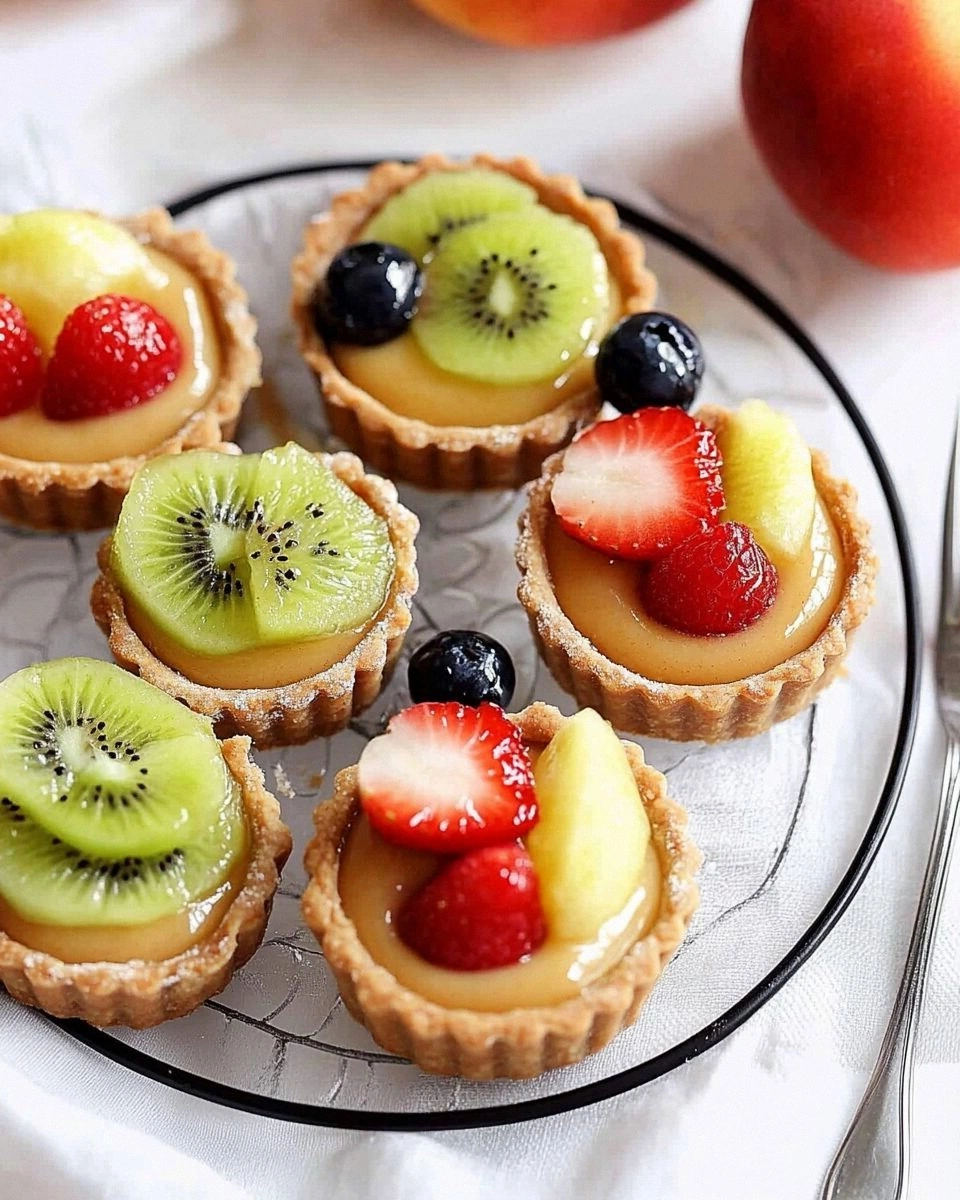
The Method — Step by Step
- In a large bowl, whisk together 1.5 cups all‑purpose flour, 0.25 cups powdered sugar, 0.25 tsp salt, and 1 tsp almond extract. The dry ingredients should look like fine sand, ready to accept the butter. This step ensures that the flavors are evenly distributed before you add the fat.
- Add 0.5 cups cold, cubed butter to the dry mix. Use your fingertips or a pastry cutter to rub the butter into the flour until the mixture resembles coarse crumbs. The cold butter is key to achieving flaky layers; if it melts too quickly, you’ll end up with a dense crust.
- In a separate bowl, whisk 1 egg yolk and 1 tsp vanilla extract until fully blended. Slowly drizzle the yolk mixture into the dough, stirring until it just comes together. The yolk adds richness and helps bind the crust, while the vanilla enhances the overall flavor profile.
- Form the dough into a disk, wrap in plastic, and chill in the refrigerator for at least 30 minutes. This resting period allows the gluten to relax and the butter to firm up, which is essential for a flaky crust.
- Preheat your oven to 375°F (190°C). While the oven heats, roll out the chilled dough on a lightly floured surface to about 1/8 inch thickness. Carefully cut circles that fit snugly into a 12‑cup muffin tin, pressing the dough into each cup.
- Poke the bottom of each crust with a fork to prevent bubbling. Bake for 12–15 minutes until the edges turn golden brown. The fork trick keeps the crust flat, ensuring a uniform bake.
- While the crusts are cooling, prepare the pastry cream. In a saucepan, whisk 1 cup milk, 1/2 cup sugar, 3 tbsp cornstarch, and a pinch of salt. Heat over medium heat, stirring constantly until the mixture thickens into a silky custard. Remove from heat and let it cool to room temperature.
- Once the crusts are cooled, spoon a generous amount of pastry cream into each cup, filling them about two‑thirds full. The custard should be smooth and creamy, not too runny.
- Arrange a handful of fresh fruit—strawberries, blueberries, and raspberries—on top of the custard, letting them cascade over the edges. The fruit will release juices that mingle with the custard, creating a luscious, cohesive filling.
- In a small saucepan, combine 2 tbsp apricot jam, 1 tbsp lemon juice, and 1 tbsp sugar. Heat gently until the jam melts and the mixture becomes glossy. Brush the glaze over the fruit, allowing it to set slightly for a shiny finish.
That's it — you did it. But hold on, I've got a few more tricks that'll take this to another level.
Insider Tricks for Flawless Results
The Temperature Rule Nobody Follows
Many bakers bake crusts at 400°F, assuming a higher temperature yields a crispier edge. In reality, a slightly lower temperature of 375°F allows the butter to melt just enough to create steam, producing a flakier texture without burning. I’ve experimented with 350°F, but the crust was too soft and the glaze didn't set properly. Stick with 375°F for the best balance of crunch and tenderness.
Why Your Nose Knows Best
Before you pull the tartlets out of the oven, give them a quick sniff. A warm, buttery scent with a hint of almond signals that the crust is perfectly baked. If you notice a faint burnt smell, it means the oven is too hot and the crust will be overdone. Trust your nose; it’s the most reliable thermometer in the kitchen.
The 5-Minute Rest That Changes Everything
After glazing, let the tartlets rest on the counter for five minutes. This short pause allows the glaze to set into a glossy, slightly tacky surface that’s easier to serve. Skipping this step may result in a glaze that runs off when you cut into the tartlets, ruining the presentation. I’ve found that a five‑minute rest gives the perfect shine and texture.
Keep It Cool Until Serving
Fruit tartlets are best served chilled or at room temperature. If you’re preparing them ahead of time, store them in an airtight container in the fridge for up to 24 hours. Avoid refrigeration for longer than a day, as the crust can become soggy from the fruit’s juices. When you’re ready to serve, simply take them out and let them sit for ten minutes to soften slightly.
Use a Silicone Tin for Easy Release
A silicone muffin tin makes it effortless to lift out the tartlets without breaking them. The non‑stick surface ensures that the crust doesn’t stick, preserving the delicate edges. If you’re using a metal tin, lightly grease the cups or line them with parchment paper to prevent sticking.
Creative Twists and Variations
This recipe is a playground. Here are some of my favorite ways to switch things up:
Summer Berry Burst
Swap the mixed berries for a generous mix of watermelon, cantaloupe, and honeydew melon. The sweet, juicy fruit pairs wonderfully with a light honey glaze, creating a refreshing dessert perfect for picnics.
Chocolate‑Infused Delight
Add a tablespoon of cocoa powder to the pastry cream for a subtle chocolate undertone. Finish with a drizzle of dark chocolate ganache instead of the apricot glaze for an indulgent twist.
Spiced Citrus Twist
Infuse the glaze with a pinch of orange zest and a dash of cinnamon. Replace the berries with sliced kiwi and grapefruit segments for a tangy, spiced flavor profile.
Nutty Caramel Crunch
Sprinkle toasted almond slivers over the crust before baking. After filling, drizzle a caramel sauce over the fruit and top with a sprinkle of sea salt for a sweet‑savory crunch.
Winter Warmth
Use dried apricots, prunes, and candied ginger in place of fresh fruit. Add a splash of brandy to the glaze for a warm, holiday‑seasoned dessert that’s perfect for Christmas gatherings.
Vegan Version
Replace butter with coconut oil and use a plant‑based custard made from almond milk and cornstarch. For the glaze, use a vegan apricot jam and a dash of maple syrup to keep the flavor bright and sweet.
Storing and Bringing It Back to Life
Fridge Storage
Store the tartlets in an airtight container in the refrigerator for up to 24 hours. This keeps the crust crisp and the fruit fresh. When you’re ready to serve, let them sit at room temperature for about 10 minutes to soften slightly.
Freezer Friendly
If you need to store them longer, freeze the crusts before filling. Wrap each crust tightly in plastic wrap and place them in a freezer bag. They’ll keep for up to two weeks. Thaw in the refrigerator overnight before assembling.
Best Reheating Method
To reheat, preheat the oven to 350°F (175°C). Place the tartlets on a baking sheet and warm for 5–7 minutes, just long enough to re‑crisp the crust. Add a tiny splash of water before reheating to steam back to perfection, preventing the crust from drying out.