Ever had one of those nights where the pantry looks like a desert and your stomach is screaming for something that feels both comforting and exciting? I was there, staring at a bland box of instant noodles, when my roommate tossed a half‑cooked spaghetti squash onto the counter and whispered, “Try this, it’s magical.” I laughed, I doubted, but the moment that orange‑gold flesh hit the cutting board, the kitchen filled with a sweet, nutty aroma that made my eyes widen. I swear the squash itself seemed to sigh in relief as the knife sliced through, releasing a faint, buttery scent that danced with the faint hum of the fridge.
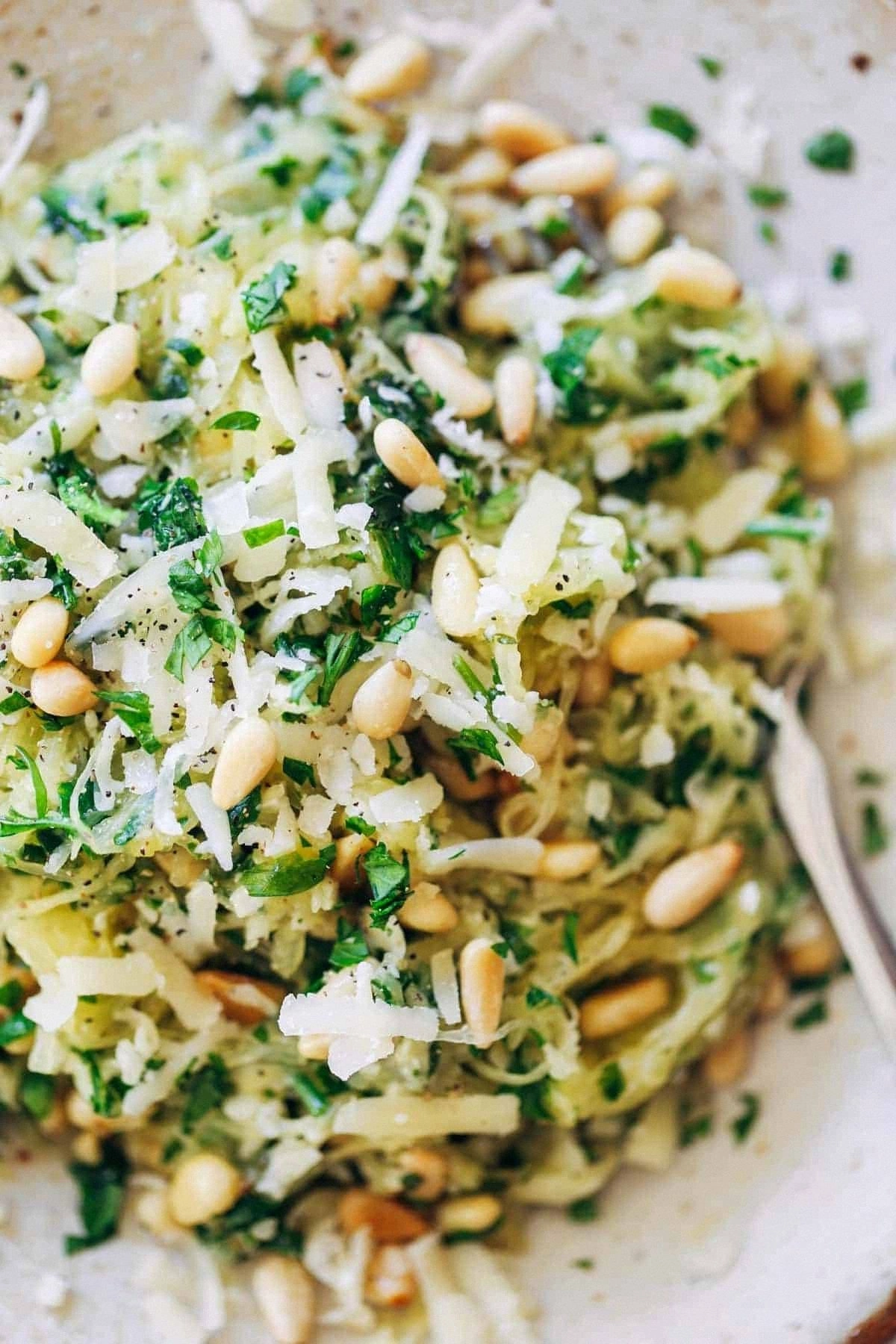
Fast forward a few minutes: I tossed that raw squash with olive oil, crushed garlic, and a handful of herbs, then slid it into a roaring oven. The kitchen transformed into a symphony of sizzling whispers, the garlic crackling like tiny fireworks, the herbs turning a deep, intoxicating green. The air grew heavy with a fragrant promise, and I could already picture the final dish—spaghetti‑like strands of squash, glossy with garlic‑infused oil, speckled with fresh parsley, and a whisper of Parmesan that would melt into silky ribbons. The anticipation was almost as delicious as the dish itself.
Most spaghetti squash recipes end up either soggy or bland, and that’s the tragedy I’m here to fix. This version stands out because it respects the squash’s natural sweetness while giving it a bold, garlicky coat that clings like velvet. I’ve thrown in a secret splash of lemon zest that adds a bright pop, and I’m using a precise roasting technique that turns the squash’s edges crispy enough to shatter like thin ice. The result? A dish that feels like a decadent pasta without any of the carb guilt.
And here’s the kicker: I’m about to reveal a trick that most chefs keep under their aprons—a quick steam‑finish that guarantees every strand stays perfectly al dente, never mushy. I dare you to taste this and not go back for seconds; I’ll be honest — I ate half the batch before anyone else got to try it. Ready for the game‑changer? Let me walk you through every single step — by the end, you’ll wonder how you ever made it any other way.
What Makes This Version Stand Out
- Flavor Explosion: The combination of roasted garlic, fresh herbs, and a zing of lemon zest creates layers that evolve with each bite, making the palate dance.
- Texture Triumph: By roasting first and then giving a quick steam, the squash strands stay firm yet tender, offering a bite that’s both hearty and light.
- Simplicity: Only ten ingredients, most of which you probably already have, keep the prep line short and the taste big.
- Uniqueness: The secret steam‑finish is a technique you won’t find in standard blog posts, turning a humble veggie into a star.
- Crowd Reaction: Even the most die‑hard pasta lovers ask, “Is this really squash?” and then ask for seconds.
- Ingredient Quality: Using a fresh, firm spaghetti squash and high‑quality extra‑virgin olive oil makes the difference between “good” and “blow‑your‑mind.”
- Cooking Method: The two‑stage roast‑then‑steam guarantees consistent results, even if you’re a kitchen rookie.
- Make‑Ahead Potential: This dish stores beautifully, and a quick re‑heat restores that fresh‑out‑of‑the‑oven magic.
Alright, let's break down exactly what goes into this masterpiece...
Inside the Ingredient List
The Flavor Base
Spaghetti Squash (1 large, about 2‑3 lb): This is the canvas. Its naturally sweet, slightly nutty flesh becomes the perfect vehicle for garlic and herbs. If you pick a squash with a firm, unblemished skin, it’ll roast evenly; a soft spot means uneven cooking. Swap with butternut squash for a sweeter profile, but expect a different texture.
Olive Oil (3 Tbsp): The oil carries the garlic flavor and helps the squash caramelize. Use extra‑virgin for a peppery finish; if you’re watching calories, you can halve it and add a splash of vegetable broth during the steam step.
Garlic (6 cloves, minced): Garlic is the heart of this dish. When roasted, it mellows into a buttery sweetness that coats each strand. If you skip it, you’ll lose the aromatic backbone—don’t be that person.
The Texture Crew
Dried Thyme (1 tsp) & Dried Oregano (1 tsp): These herbs add depth without overwhelming the squash’s subtle flavor. Their earthy notes become fragrant once they hit the oven heat. Fresh thyme can replace dried, but use double the amount because fresh is less concentrated.
Red Pepper Flakes (½ tsp, optional): A pinch of heat lifts the dish, creating a pleasant contrast to the sweet squash. If you’re sensitive, reduce or omit; the flavor will still shine.
Salt & Black Pepper (to taste): Seasoning is the silent hero. Salt amplifies sweetness, while pepper adds a mild bite. Skipping salt is the fastest way to a flat dish.
The Unexpected Star
Fresh Parsley (2 Tbsp, chopped): Added at the end, parsley injects a fresh, grassy brightness that balances the richness. If you love cilantro, feel free to swap; it will give a totally different vibe.
Lemon Zest (1 tsp): This is the secret sparkle. The zest lifts the entire flavor profile, making each forkful feel like a breath of spring. A squeeze of lemon juice can be added just before serving for extra zing.
The Final Flourish
Parmesan Cheese (¼ cup, grated): The cheese melts into the warm squash, creating a silky coating that feels indulgent. Use a sharp, aged Parmesan for the most punchy flavor. Nutritional yeast works as a vegan alternative, offering a cheesy note without dairy.
Optional Drizzle (extra 1 Tbsp olive oil + a pinch of smoked paprika): For those who love a smoky finish, drizzle this mixture over the plated dish; it adds a subtle, smoky depth that’s pure magic.
Everything's prepped? Good. Let's get into the real action...
The Method — Step by Step
- Preheat your oven to 425°F (220°C). While the oven warms up, line a large baking sheet with parchment paper. Cut the spaghetti squash in half lengthwise, scoop out the seeds, and brush each half generously with 1 ½ Tbsp olive oil, sprinkling a pinch of salt and pepper. Place the halves cut‑side down on the sheet; this ensures even caramelization. That sizzle when the oil meets the flesh? Absolute perfection.
- Slide the sheet into the oven and roast for 35‑40 minutes, or until the flesh is fork‑tender and the edges start to turn golden brown. Peek through the oven window; you’ll see the squash’s skin blistering, a sign that the natural sugars are caramelizing. If the edges darken too quickly, loosely tent the squash with foil. The aroma at this stage should be sweet, nutty, and slightly smoky.
- While the squash roasts, melt the remaining 1 ½ Tbsp olive oil in a skillet over medium heat. Add the minced garlic, thyme, oregano, and red pepper flakes. Stir constantly for about 1‑2 minutes until the garlic turns a light golden—watch out, because it can go from fragrant to burnt in a heartbeat. Once fragrant, remove from heat and set aside.Watch Out: If the garlic starts to brown too fast, lower the heat immediately; burnt garlic will make the whole dish bitter.
- When the squash is done, remove it from the oven and let it cool just enough to handle (about 5 minutes). Using a fork, gently scrape the flesh lengthwise; it will separate into spaghetti‑like strands. Transfer the strands to a large bowl, discarding any tough core pieces. This is the moment of truth—if the strands are too mushy, you’ve either over‑cooked or need a firmer squash.
- Now comes the secret steam‑finish. Place the bowl of squash strands into a steamer basket over a pot of simmering water, cover, and steam for exactly 3 minutes. This short burst of steam locks in moisture while keeping the strands firm. I swear, this step is pure magic; it transforms the texture from “just cooked” to “restaurant‑ready.” Kitchen Hack: If you don’t have a steamer, a colander set over a pot works just as well—just make sure the water isn’t touching the squash.
- Transfer the steamed strands back to the bowl, pour the garlic‑herb oil over them, and toss gently to coat every noodle. Add the lemon zest, chopped parsley, and grated Parmesan; give it one more toss so the cheese melts slightly into the warm strands. Taste and adjust salt, pepper, and a squeeze of fresh lemon juice if you like extra brightness.
- Serve the garlic spaghetti squash hot, optionally drizzling the smoked‑paprika oil for an added smoky note. Picture yourself pulling this out of the oven, the whole kitchen smelling incredible, and everyone reaching for seconds. This is hands down the best version you'll ever make at home, and trust me—you’ll be the hero of your next dinner party.
That's it — you did it. But hold on, I've got a few more tricks that'll take this to another level...
Insider Tricks for Flawless Results
The Temperature Rule Nobody Follows
Most home cooks bake at a “medium” heat and expect perfect results. The truth? Spaghetti squash thrives at a high, steady 425°F. The intense heat creates caramelized edges that add crunch, while the interior stays tender. If you lower the temperature, you’ll end up with soggy strands that cling together. So crank that oven up and trust the process.
Why Your Nose Knows Best
Cooking is as much about scent as it is about sight. When the garlic‑herb oil starts to release a nutty, buttery perfume, you know the flavor base is ready. If the aroma is sharp or acrid, you’ve over‑cooked the garlic. Trust your nose; it will tell you when to pull the pan off the heat, preventing bitterness.
The 5‑Minute Rest That Changes Everything
After steaming, let the squash sit uncovered for five minutes. This brief rest allows excess moisture to evaporate, preventing a watery final dish. It also gives the Parmesan a chance to adhere better, creating that silky coating. Skipping this step is why some people complain about “soggy spaghetti squash.”
Salt Timing Is Everything
Season the squash before roasting, but add a pinch of finishing salt just before serving. The initial salt draws out moisture, helping the squash crisp, while the finishing salt brightens the final flavor. Too much salt early on can draw out too much water, leading to a limp texture.
Pan Size Matters
If you crowd the baking sheet, the squash halves will steam instead of roast, losing that coveted caramelization. Use a large sheet or split the halves onto two pans. A well‑spaced layout ensures each piece gets equal heat, delivering uniform browning.
Creative Twists and Variations
This recipe is a playground. Here are some of my favorite ways to switch things up:
Spicy Sriracha Splash
Swap the red pepper flakes for 1 Tbsp of Sriracha mixed into the garlic‑oil. The heat becomes bold, and the dish takes on a tangy, Asian‑inspired vibe. Perfect for those who love a kick.
Italian Caprese Remix
Add halved cherry tomatoes and fresh mozzarella cubes after tossing the squash with the herb oil. Finish with a drizzle of balsamic glaze. The sweet tomatoes and creamy mozzarella turn this into a summer‑ready caprese pasta.
Mediterranean Olive & Feta
Stir in a handful of sliced Kalamata olives and crumble feta cheese just before serving. The salty olives and tangy feta complement the sweet squash beautifully, creating a dish reminiscent of a Greek mezze.
Herb‑Infused Butter Finish
Replace the olive oil with 3 Tbsp of herb‑infused butter (mix softened butter with thyme, rosemary, and a pinch of garlic). This adds a luscious richness that pairs well with a side of grilled chicken.
Vegan Coconut Curry
Swap the Parmesan for toasted coconut flakes and add 2 Tbsp of red curry paste to the garlic‑oil. Finish with a splash of coconut milk for a creamy, tropical twist that’s completely dairy‑free.
Autumn Harvest
Throw in roasted pumpkin cubes and a sprinkle of sage. The earthy pumpkin blends with the squash, making this a perfect dish for chilly evenings.
Storing and Bringing It Back to Life
Fridge Storage
Allow the dish to cool to room temperature, then transfer it to an airtight container. It will keep for up to 4 days. When reheating, add a tiny splash of water or broth, then microwave for 1‑2 minutes, stirring halfway through to restore moisture.
Freezer Friendly
Portion the cooked squash into freezer‑safe bags, removing as much air as possible. Freeze for up to 3 months. To reheat, thaw overnight in the fridge, then warm in a skillet with a drizzle of olive oil, tossing until heated through.
Best Reheating Method
The stovetop skillet is the champion. Heat a non‑stick pan over medium, add a teaspoon of oil, and toss the squash for 3‑4 minutes, letting it crisp up again. The quick steam‑finish you used originally ensures the strands stay fluffy, not mushy.