It started on a rainy Thursday when I was scrambling to salvage a half‑baked loaf of pull‑apart bread that had been left on the counter too long. The crust was golden, the interior soft, but the whole thing had gone a bit stale. I was desperate for a quick appetizer that would wow my friends at a last‑minute gathering, so I grabbed a block of brie, a jar of cranberry sauce, and a handful of fresh rosemary. The moment the brie melted against the warm bread, the kitchen filled with a buttery, earthy aroma that made my mouth water. I laughed at my own culinary mischief and decided to turn that mishap into a signature dish. If you’ve ever faced a kitchen disaster that turned into a triumph, you know the feeling of triumph that follows a bold experiment. I’m about to walk you through every single step of this cranberry brie pull‑apart bread, and by the end, you’ll wonder how you ever made it any other way.
This isn’t just another “cheese bread” recipe. It’s a symphony of flavors where sweet cranberry sauce balances the richness of brie, while rosemary adds a fragrant, herbal note that cuts through the creaminess. The pull‑apart loaf’s texture—soft inside with a slightly crisp edge—creates a tactile experience that’s almost addictive. The secret? A simple layering technique that locks in moisture, a touch of butter that creates a glossy finish, and a dash of garlic powder that elevates the whole thing. I dare you to taste this and not go back for seconds. The first bite melts in your mouth like velvet, and the second is a delightful crunch that satisfies your craving for something both indulgent and comforting.
What sets this version apart is its accessibility. You can use a store‑bought loaf, a pre‑cut brie, or even a mix of cheeses, yet the flavor profile remains unmistakably delicious. The recipe is designed for speed—less than an hour from prep to plate—making it perfect for busy weeknights or impromptu dinner parties. The ingredients are pantry staples, so you won’t be scrambling for exotic items. And the final result is a dish that looks as stunning as it tastes, making it ideal for Instagram-worthy moments. If you’ve ever struggled with pull‑apart bread, this is the fix you’ve been looking for. The combination of sweet, savory, and herbaceous notes creates a balanced flavor that keeps guests coming back for more.
The technique I’ll reveal is simple yet transformative: layering brie and cranberry sauce in a loaf pan, then baking until the cheese is perfectly melted and the crust golden. The trick is to use a bit of butter to create a glossy finish and a sprinkle of garlic powder for depth. You’ll also discover how a few fresh rosemary sprigs can elevate the aroma and add a subtle piney undertone. Picture yourself pulling the loaf out of the oven, the whole kitchen smelling incredible, and guests eagerly diving into the warm, cheesy goodness. The moment your friends taste it, they’ll be asking for the recipe—so keep reading, because this next part is pure magic.
What Makes This Version Stand Out
- Taste: The sweet tartness of cranberry sauce balances the creamy brie, while rosemary adds an herbal depth that keeps the dish from feeling cloying.
- Texture: The loaf’s interior is melt‑in‑your‑mouth soft, contrasted with a lightly crisp, buttery crust that gives a satisfying bite.
- Ease: No complicated steps or hard‑to‑find ingredients—just a loaf, cheese, sauce, and a few pantry staples.
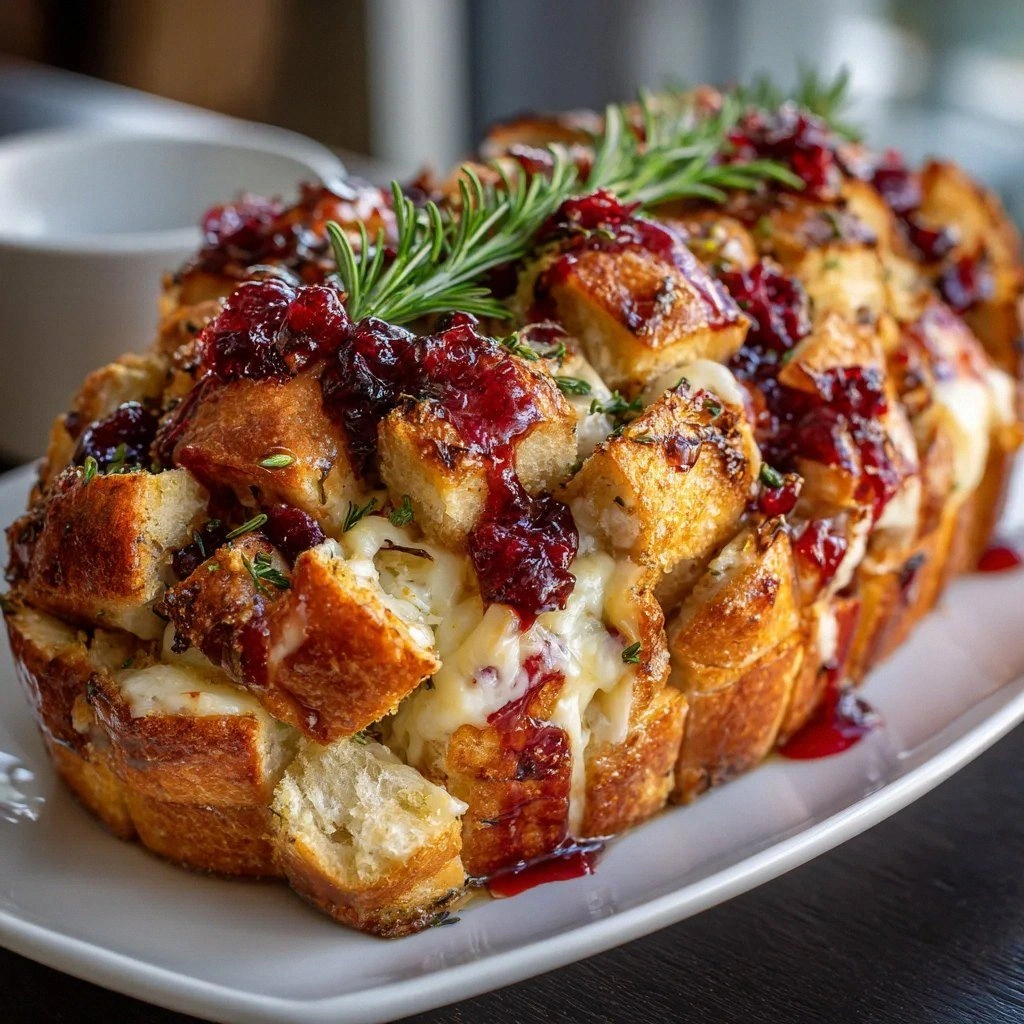
- Presentation: The pull‑apart design makes it a showstopper at parties, and the glossy finish looks like a gourmet masterpiece.
- Versatility: Swap brie for camembert, or cranberry sauce for raspberry preserves—this recipe adapts to your pantry.
- Time Efficiency: Prep under 15 minutes, bake 30, total 45, so you can serve a crowd without a long wait.
Alright, let's break down exactly what goes into this masterpiece. And before we dive into the ingredient details, here’s a quick kitchen hack that will save you time and elevate the flavor.
Inside the Ingredient List
The Flavor Base
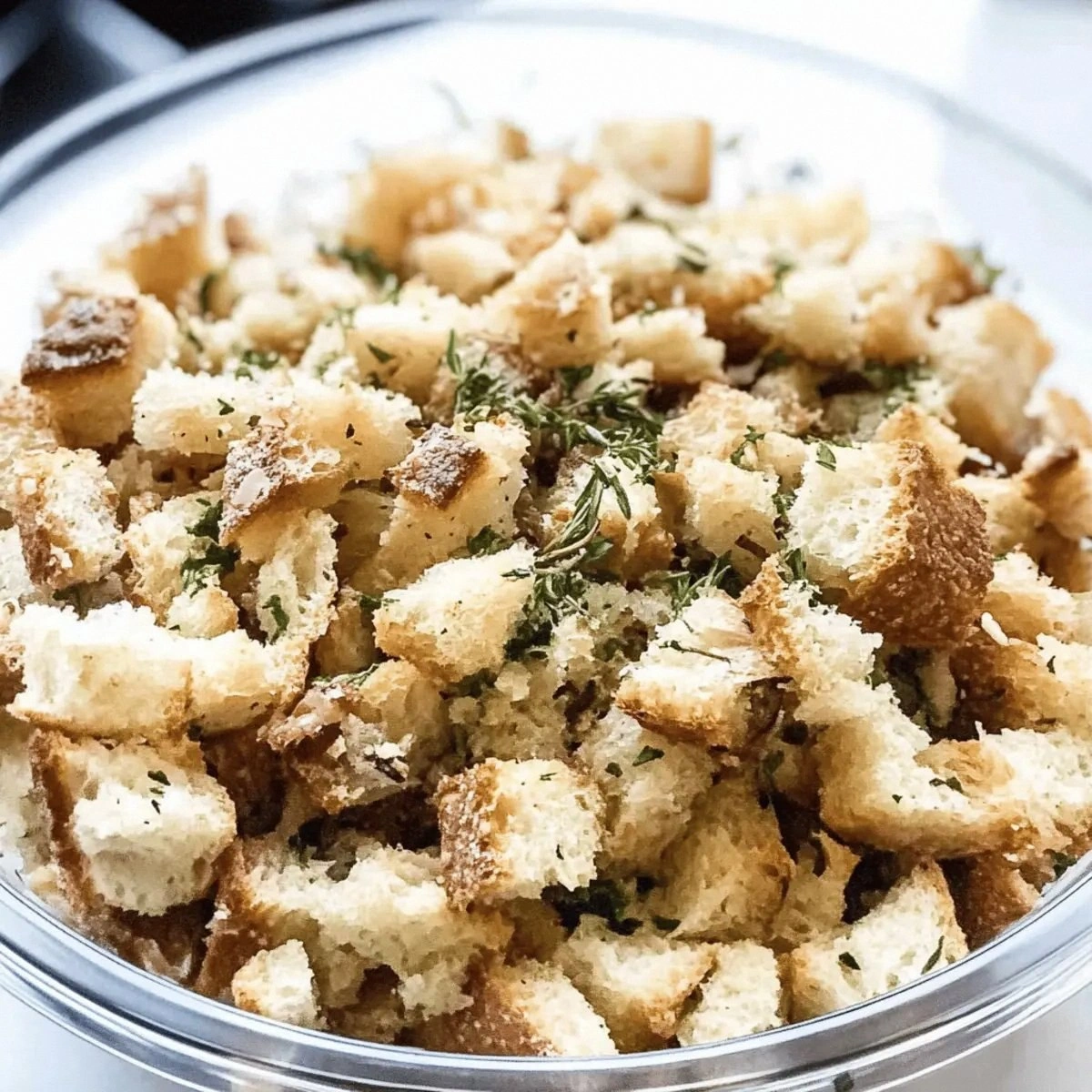
Pull‑apart bread: This is the star of the show! Look for a soft, fluffy loaf that can easily be pulled apart. Store‑bought loaves are fine, but if you’re feeling adventurous, a homemade version with a touch of honey will add subtle sweetness. If you skip the loaf, the dish loses its signature structure and the cheese melts into a gooey mess. A good loaf should have a slightly crisp crust and a tender crumb that holds the filling without breaking.
Brie cheese: Creamy and rich, brie adds a luxurious touch. Feel free to use a different soft cheese if you prefer, like camembert. The brie melts into a silky sauce that coats the bread, creating a decadent mouthfeel. If you use a lower‑fat brie, the result will be less buttery but still delicious. When selecting brie, look for a rind that’s soft and slightly yellow—this indicates freshness.
The Texture Crew
Cranberry sauce: Sweet and tart, it complements the brie beautifully. You can use homemade or store‑bought. For a twist, try using a fruit preserve like raspberry or apricot. The sauce adds moisture and a bright pop of color that makes the dish visually stunning. If you omit it, the bread will be dry and lack the sweet‑savory balance that makes this recipe stand out.
Fresh rosemary: This herb brings a fragrant, earthy flavor. If you don’t have fresh rosemary, dried can work in a pinch, but fresh is always best! Rosemary adds a piney aroma that pairs wonderfully with brie. It also provides a subtle crunch if you leave a few whole sprigs in the loaf. A small amount—just a few sprigs—is enough to infuse the entire dish with its essence.
The Unexpected Star
Unsalted butter: Melting this butter adds richness and helps the flavors meld together. You can substitute with olive oil for a lighter option. Butter coats the bread, creating a golden, glossy finish that’s impossible to resist. If you skip butter, the bread will be dry and the cheese will not meld as beautifully.
Garlic powder: A sprinkle of garlic powder enhances the overall flavor. If you’re a garlic lover, feel free to add fresh minced garlic instead. Garlic powder offers a subtle, consistent flavor that doesn’t overpower the brie and cranberry. It’s a quick way to add depth without the need for chopping.
The Final Flourish
Salt and pepper: These basic seasonings elevate the dish. Adjust to your taste for the perfect balance. Salt brings out the brie’s creaminess, while pepper adds a gentle heat. If you use too much salt, the dish can become overly salty; if you use too much pepper, it can mask the cranberry’s sweetness. A pinch of each is usually sufficient.
Everything’s prepped? Good. Let’s get into the real action.
The Method — Step by Step
- Preheat your oven to 375°F (190°C). Line a 9x13 inch baking dish with parchment paper or lightly grease it with butter. This ensures the bread doesn’t stick and makes cleanup a breeze. A well‑heated oven guarantees a crisp crust.
- Slice the pull‑apart loaf horizontally into two equal halves. Be gentle so the bread remains intact; you want it to stay whole until it’s time to pull it apart at the table. This creates a sturdy base for the cheese and sauce.
- Spread a thin layer of cranberry sauce on the bottom half of the loaf. The sauce should cover the entire surface, creating a sweet foundation for the cheese. If the sauce is too thick, it will seep into the bread; if it’s too thin, it won’t hold the cheese in place.
- Place the top half of the loaf over the sauce, sealing the edges. This sandwiching technique traps the cheese and sauce inside, allowing the flavors to meld during baking. Don’t worry if the edges don’t align perfectly— the bread will expand in the oven.
- Cut the brie into small cubes or slices. Sprinkle the brie evenly over the top of the sandwich. The brie should be spread out so that every bite has a hint of cheese.
- Tear fresh rosemary sprigs into small pieces and scatter them over the brie. The rosemary adds a fragrant, herbal aroma that complements the brie’s richness. If you prefer a milder rosemary flavor, use only a few sprigs.
- Drizzle melted butter over the entire loaf. This creates a glossy, golden finish and helps the bread stay moist. A generous coating ensures a buttery crust that’s hard to resist.
- Sprinkle garlic powder, salt, and pepper over the buttered loaf. The garlic powder adds a subtle depth, while the salt and pepper balance the flavors. Be careful not to over‑season; you want the brie and cranberry to shine.
- Bake for 20-25 minutes, or until the cheese is melted and the crust is golden brown. The loaf should emit a warm, buttery aroma that draws everyone to the kitchen. Keep an eye on the edges; they should start pulling away, indicating the bread is ready.
- Let the loaf rest for 5 minutes after removing it from the oven. This allows the cheese to set slightly, making it easier to pull apart. The rest also lets the flavors mingle, creating a more cohesive taste.
- Slice the loaf into individual pieces using a serrated knife. Serve warm, letting guests pull apart their portions. The first bite should be creamy, the second a crisp bite, and the third a burst of sweet‑savory flavor. Enjoy with a glass of chilled white wine or sparkling water.
That’s it— you did it. But hold on, I’ve got a few more tricks that will take this to another level. Let’s dive into the insider tips that will elevate your pull‑apart bread from great to legendary.
Insider Tricks for Flawless Results
The Temperature Rule Nobody Follows
Many people bake pull‑apart bread at 350°F, but this lower temperature can result in a soggy center. The trick is to bake at 375°F (190°C). The higher heat ensures a crisp crust while the interior stays perfectly melted. If you’re using a convection oven, reduce the temperature by 25°F to avoid over‑browning.
Why Your Nose Knows Best
Your sense of smell is your best indicator of doneness. When the bread emits a warm, buttery aroma, it’s almost ready. If the smell is more “toasted” than “cheesy,” you’re over‑baked. Trust your nose, and you’ll avoid the dreaded over‑dry pull‑apart bread.
The 5‑Minute Rest That Changes Everything
Letting the loaf rest after baking might seem like a waste of time, but it’s essential. The rest period allows the cheese to set slightly, making it easier to pull apart without it spilling over. It also lets the flavors mingle, creating a more cohesive taste. A quick 5‑minute rest is all you need.
Use a Loaf Pan with Low Walls
A standard 9x13 pan works great, but a loaf pan with low walls keeps the bread from expanding too much. This ensures a neat, even bake. If you prefer a more rustic look, you can use a cast‑iron skillet, but be sure to grease it well.
Add a Splash of Wine or Broth
For an extra layer of flavor, add a tablespoon of white wine or low‑sodium chicken broth to the cranberry sauce before spreading it on the bread. The liquid adds depth and prevents the bread from drying out during baking. It also complements the brie’s richness, creating a more complex flavor profile.
Creative Twists and Variations
This recipe is a playground. Here are some of my favorite ways to switch things up:
Nutty Delight
Swap the cranberry sauce for a walnut‑infused cranberry compote. Add toasted walnuts on top before baking. The nuts add crunch and a subtle earthy flavor that pairs beautifully with brie.
Spicy Kick
Add a pinch of cayenne pepper to the garlic powder mixture. The heat balances the sweetness of the cranberry and the creaminess of the cheese. This version is perfect for those who like a little spice.
Mediterranean Twist
Replace cranberry sauce with a tomato‑based salsa. Add chopped kalamata olives and a drizzle of olive oil. The brie’s creaminess contrasts the tangy salsa for a Mediterranean vibe.
Herb Garden
Add fresh thyme or oregano along with rosemary. The mix of herbs creates a fragrant, aromatic loaf that feels like a garden in your kitchen.
Sweet & Savory Fusion
Use a fig jam instead of cranberry sauce. The figs’ natural sweetness pairs wonderfully with brie’s richness, creating a dessert‑style appetizer.
Cheese Variety
Swap brie for a smoked gouda or a sharp cheddar. The smoky flavor adds depth, while the cheddar’s sharpness provides a contrasting bite.
Storing and Bringing It Back to Life
Fridge Storage
Store any leftovers in an airtight container in the fridge for up to 2 days. Wrap the loaf tightly with plastic wrap before placing it in the container to maintain moisture. When ready to serve, reheat in a 350°F oven for 10 minutes or until warmed through.
Freezer Friendly
Wrap the loaf tightly in aluminum foil and place it in a freezer bag. Freeze for up to 3 months. Thaw overnight in the fridge before reheating as described above.
Best Reheating Method
Preheat your oven to 350°F (175°C). Place the loaf on a baking sheet and cover loosely with foil to prevent the crust from burning. Add a tiny splash of water before reheating—this steams the bread back to perfection, keeping it moist and fluffy.