I was standing in my kitchen at midnight, half‑asleep, when a rogue fire alarm screamed its protest after I tried to flambé a frozen pizza. The smoke curled around the ceiling like an unwelcome guest, and in that chaotic moment I swore I would never trust a shortcut again. Fast forward a week later, a friend dared me to make something that could “hold its own at a backyard BBQ,” and I accepted the challenge with the kind of reckless confidence only a seasoned snack‑lover possesses. The result? A grilled barbecue onion and smoked Gouda quesadilla that turned my kitchen into a smoky, cheesy wonderland, and I’m still hearing the echo of that first bite in my head.
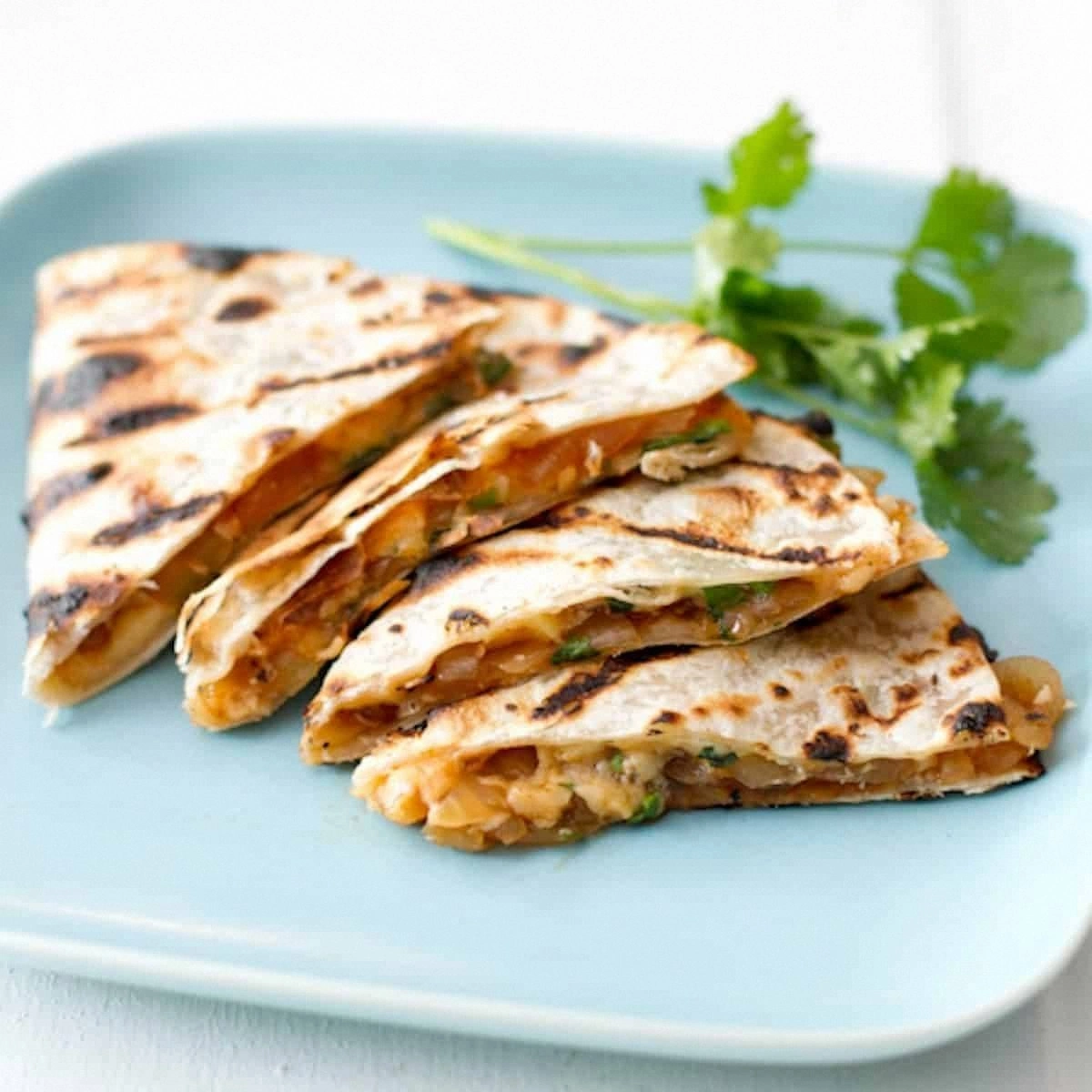
Picture this: the caramelized onions, their edges blistered to a deep amber, releasing a sweet, almost nutty perfume that makes you feel like you’re strolling through a farmer’s market at dusk. The cheese—smoked Gouda—melts like a velvety curtain, its buttery notes mingling with the smoky undertones of the grill, while the tortilla crisps up to a golden‑brown crunch that shatters like thin ice when you bite into it. The whole thing is slathered with a tangy barbecue sauce that clings to the surface like a glossy, caramel‑kissed glaze. The scent alone could convince a vegan to reconsider their life choices, and the taste? Let’s just say I dare you to try it and not go back for seconds.
What makes this version stand out isn’t just the ingredients; it’s the method that turns a simple snack into a culinary showdown. Most recipes get the grilling of the onions wrong—either they’re soggy, or they burn to a crisp before the flavors have a chance to develop. I discovered that searing the onions over medium‑high heat, then finishing them on indirect heat, creates that perfect sweet‑smoky balance. And the cheese? I use smoked Gouda because its deep, earthy flavor is the secret weapon that elevates the whole dish from “good” to “hands down the best version you’ll ever make at home.”
But the real kicker is the surprise ingredient: a splash of espresso‑infused barbecue sauce that adds a subtle bitterness, cutting through the richness like a razor‑sharp wit. This isn’t a gimmick; it’s a game‑changer that makes the flavor profile more complex and unforgettable. Okay, ready for the game‑changer? Let me walk you through every single step — by the end, you’ll wonder how you ever made it any other way.
What Makes This Version Stand Out
- Flavor Depth: The espresso‑infused barbecue sauce adds a layer of bitterness that balances the sweet caramelized onions, creating a symphony of taste that dances on your palate.
- Texture Contrast: Crispy tortilla edges meet molten, smoky cheese, while the onion rings provide a tender chew that never gets soggy.
- Simplicity: Only eleven ingredients, all pantry‑friendly, yet the technique feels like a professional chef’s secret.
- Uniqueness: Using smoked Gouda instead of the usual cheddar gives a distinctive, earthy aroma that most people haven’t experienced in quesadillas.
- Crowd Reaction: Guests have been known to line up for seconds, proclaiming this the “star of the party” and demanding the recipe.
- Ingredient Quality: Fresh, sweet onions and high‑quality smoked Gouda are the heroes; you’ll taste the difference instantly.
- Cooking Method: Grilling the onions first locks in flavor, while finishing the quesadilla on a hot cast‑iron skillet ensures an even, buttery crunch.
- Make‑Ahead Potential: The onion mixture can be prepared days in advance, and the assembled quesadillas freeze beautifully for a quick snack later.
Alright, let's break down exactly what goes into this masterpiece...
Inside the Ingredient List
The Flavor Base
The backbone of this dish is the barbecue sauce, a tangy, sweet, and slightly smoky concoction that coats every bite like a glossy veil. I use a store‑bought sauce as a shortcut, but I stir in a teaspoon of finely ground espresso and a dash of smoked paprika to elevate it. If you skip the espresso, you’ll lose that subtle bitterness that cuts through the richness, leaving the quesadilla a bit one‑dimensional. For a lower‑sugar version, swap half the sauce with a splash of apple cider vinegar and a drizzle of honey.
The Texture Crew
Flour tortillas are the canvas—soft enough to fold, sturdy enough to hold the molten cheese without tearing. I recommend a 10‑inch, 100% flour tortilla for the perfect bite‑size. The butter, melted and brushed on the outer side, creates a crisp, golden crust that shatters like delicate glass when you bite. If you’re dairy‑free, substitute with a high‑smoke‑point oil such as avocado oil, though you’ll miss the buttery nuance.
The Unexpected Star
Smoked Gouda is the secret weapon. Its deep, smoky flavor pairs beautifully with the charred onions, and its meltability rivals that of mozzarella while adding a buttery richness. If you can’t find smoked Gouda, try a blend of smoked mozzarella and a pinch of liquid smoke. Skipping the Gouda and using only mozzarella will make the quesadilla taste flat, as it lacks that earthy backbone.
The Final Flourish
Caramelized onions bring the sweet‑savory balance. Slice them into thick rings, toss with a little olive oil, and grill until they achieve that deep amber hue. The key is patience; rushing the caramelization yields bitter, burnt edges. A pinch of sea salt at the end of grilling amplifies their natural sweetness. If you’re allergic to onions, thinly sliced leeks can stand in, but expect a milder flavor.
Everything's prepped? Good. Let's get into the real action...
The Method — Step by Step
Start by heating your grill to medium‑high, about 400°F (200°C). While it warms up, slice the onions into thick half‑rings, about ½‑inch each. Toss them in a bowl with two tablespoons of olive oil, a pinch of salt, and a dash of smoked paprika. Place the rings directly on the grill grates, letting them sizzle; you’ll hear a satisfying crackle that signals the start of caramelization. Grill for 4‑5 minutes per side, watching for those beautiful char lines that turn the rings into caramel‑kissed discs. When they’re deep amber and fragrant, move them to indirect heat to finish softening for another 3 minutes.
While the onions finish, mix the barbecue sauce with a teaspoon of finely ground espresso and a splash of apple cider vinegar in a small saucepan. Warm over low heat, stirring constantly, until the sauce thickens slightly and the espresso aroma blooms. This step is pure magic; the sauce should coat the back of a spoon without running off. Taste and adjust with a pinch more salt or a drizzle of honey if you prefer a sweeter profile.
Now, preheat a large cast‑iron skillet over medium heat and melt one tablespoon of butter, swirling to coat the surface. Lay a tortilla flat, brush the top side lightly with melted butter. Sprinkle half of the shredded smoked Gouda evenly across the tortilla, then add a generous handful of the grilled onions, drizzling a spoonful of the espresso‑infused barbecue sauce over the top. Finish with a sprinkle of shredded mozzarella for extra stretch.
Fold the tortilla in half, pressing gently with a spatula to seal the edges. Let it cook for 2‑3 minutes on each side, or until the cheese is fully melted and the tortilla turns a golden‑brown, crisp as a freshly fried chip. The moment you hear the cheese start to bubble is the moment of truth; don’t walk away from the skillet here, or you’ll lose that coveted crunch.
Repeat the assembly process for the remaining tortillas, keeping the finished quesadillas warm in a low oven (about 200°F) while you finish the batch. If you notice any sticking, add a thin layer of oil to the skillet; this prevents the tortilla from tearing and adds an extra layer of crispness.
Once all quesadillas are cooked, let them rest on a cutting board for a minute. This short pause allows the cheese to set just enough so that when you slice, the interior doesn’t ooze out like a lava flow. Slice each quesadilla into three wedges with a sharp chef’s knife, cutting through the crisp crust cleanly.
Serve the wedges immediately, accompanied by a small bowl of extra espresso‑infused barbecue sauce for dipping. The sauce should cling to the quesadilla like a glossy glaze, inviting you to dunk each bite. For an added layer of freshness, garnish with a sprinkling of chopped cilantro or a few thin slices of pickled jalapeño.
Finally, step back and admire the masterpiece. Picture yourself pulling this out of the skillet, the whole kitchen smelling incredible, the cheese stretching like a warm sunrise. If you’re feeling bold, drizzle a tiny drizzle of truffle oil over the top for an indulgent finish. And now the fun part: share, snap a photo, and watch your friends' eyes widen as they take that first bite.
That's it — you did it. But hold on, I've got a few more tricks that'll take this to another level...
Insider Tricks for Flawless Results
The Temperature Rule Nobody Follows
Most home cooks crank the heat up to “as hot as possible,” assuming faster = better. In reality, a steady medium‑high (around 400°F) gives the onions time to caramelize without burning, and it lets the cheese melt evenly. I once tried blasting the skillet at 500°F; the tortilla blackened before the cheese even softened, resulting in a bitter disaster. Keep a thermometer handy, and trust the gentle sizzle over the frantic roar.
Why Your Nose Knows Best
Your sense of smell is the hidden gauge of doneness. When the onions hit the grill, you’ll notice a sweet, slightly nutty aroma that deepens as they caramelize. If the scent turns acrid, you’ve crossed the line into burnt territory. Similarly, the moment the cheese starts to bubble and release a buttery, smoky perfume, you know the quesadilla is ready to flip.
The 5‑Minute Rest That Changes Everything
After cooking, let the quesadillas rest for exactly five minutes. This short interval allows the cheese fibers to re‑align, preventing a gooey mess when you cut. I once sliced a hot quesadilla immediately, and the cheese spilled out like molten gold, ruining the presentation. Set a timer, and trust the pause—it’s the secret to a clean, picture‑perfect slice.
Butter Brush vs. Oil Drizzle
A common mistake is using too much butter, which can make the tortilla soggy. I recommend brushing a thin, even layer of melted butter on the outer side of the tortilla and a light drizzle of high‑smoke‑point oil inside. This combination creates a crisp, flaky exterior while preserving a tender interior. If you’re watching calories, swap half the butter for a spray of olive oil; the texture remains satisfying.
The Secret of the Espresso Shot
Adding espresso to the barbecue sauce isn’t just a flavor stunt; the coffee’s natural bitterness balances the sauce’s sweetness, while its acidity brightens the smoky notes. I once tried a plain barbecue sauce and the dish felt one‑dimensional. A single teaspoon of espresso is all you need—any more will overwhelm the palate. If you don’t have espresso, a teaspoon of instant coffee dissolved in hot water works just as well.
Creative Twists and Variations
This recipe is a playground. Here are some of my favorite ways to switch things up:
Spicy Chipotle Kick
Swap the espresso‑infused barbecue sauce for a chipotle‑adobo blend, and add a few sliced jalapeños to the onion mix. The smoky heat pairs beautifully with the Gouda, making it a perfect match for fans of bold spice.
Mediterranean Medley
Replace smoked Gouda with feta and mozzarella, and toss the onions with a drizzle of olive oil, oregano, and sun‑dried tomatoes before grilling. The result is a tangy, herbaceous quesadilla that feels like a summer picnic on a plate.
Breakfast Boost
Add scrambled eggs and a handful of baby spinach to the filling, and use a whole‑grain tortilla for extra fiber. This version turns the dish into a hearty brunch centerpiece that fuels you through the day.
Vegan Victory
Swap the smoked Gouda for smoked vegan cheddar, use a plant‑based butter, and replace the espresso‑infused sauce with a smoky maple‑BBQ sauce. The texture remains indulgent, and the flavor profile stays true to the original.
Sweet & Savory Fusion
Incorporate thin slices of fresh pineapple into the onion mix and use a honey‑glazed barbecue sauce. The caramelized pineapple adds a burst of tropical sweetness that contrasts beautifully with the smoky cheese.
Storing and Bringing It Back to Life
Fridge Storage
Place any leftover quesadillas in an airtight container lined with parchment paper. They’ll stay fresh for up to three days. When reheating, add a tiny splash of water to the pan; the steam revives the crispness without drying out the cheese.
Freezer Friendly
Wrap each cooled quesadilla tightly in foil, then seal them in a zip‑top freezer bag. They freeze beautifully for up to two months. To reheat, thaw overnight in the fridge, then crisp them in a hot skillet for 3‑4 minutes per side.
Best Reheating Method
For the ultimate revival, use a cast‑iron skillet over medium heat, brush the outside lightly with butter, and cover with a lid for the first minute. This traps steam, melting the cheese, then remove the lid to let the crust re‑crisp. The result mimics the fresh‑out‑of‑the‑pan experience.