I was in the middle of a rainy Tuesday when my roommate dared me to create something that could turn a drab morning into a full‑blown celebration. I stared at a pan, a couple of onions that had been languishing in the fridge, and a lonely carton of eggs that screamed for attention. I tossed the onions into the pan, let them sweat, and before I knew it the kitchen was filled with a scent so sweet it felt like a hug from an old friend. That moment was the spark: a humble breakfast that could double as a comfort‑food hero for any time of day.
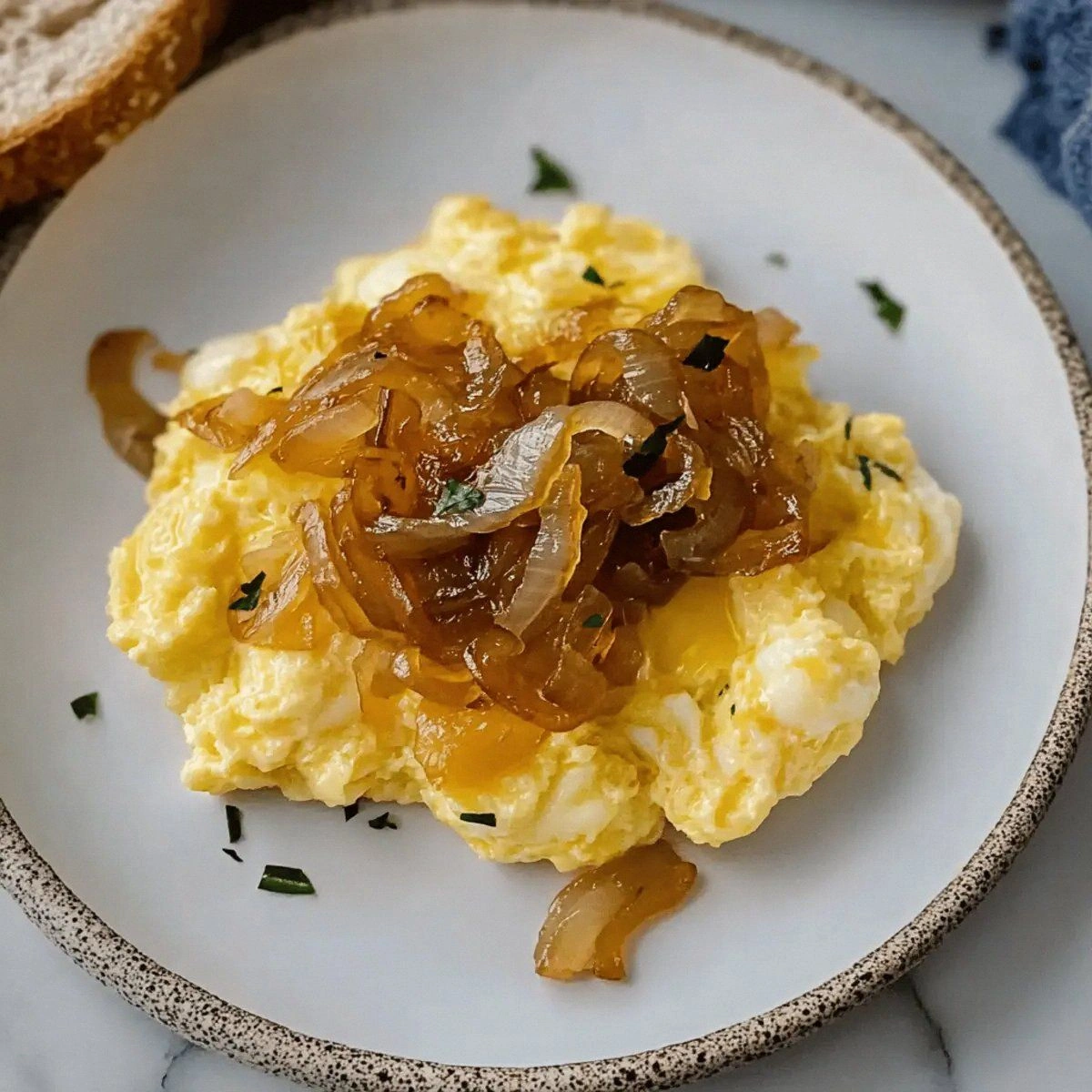
Picture this: the golden‑brown onions caramelizing slowly, their edges curling like tiny fireworks, while the butter melts into a glossy pool that whispers promises of richness. The sizzle when the eggs hit the pan is the kind of music that makes you want to dance in your socks, and the first bite? It’s a buttery, silky cloud that carries the deep, sweet undertones of the onions, all balanced by a pinch of sea salt that makes the flavors pop like fireworks on the Fourth of July. The texture? Silky yolk, tender whites, and those caramelized onions that add a subtle crunch that shatters like thin ice under a gentle footfall.
Most recipes get this completely wrong. They either over‑cook the onions, turning them bitter, or they scramble the eggs too aggressively, losing that luxurious creaminess. My version respects each ingredient’s personality, letting the onions develop their natural sugars over low heat, and folding the eggs in at just the right moment so they stay tender. I’m about to reveal a tiny trick involving a splash of water that keeps the eggs from turning rubbery—something you won’t find in any generic blog post. Trust me, this is hands down the best version you’ll ever make at home.
I’ll be honest — I ate half the batch before anyone else got to try it, and I’m still not over the lingering taste of that caramelized sweetness. If you’ve ever struggled with soggy onions or eggs that stick to the pan, you’re not alone — and I’ve got the fix. I dare you to taste this and not go back for seconds; the combination is so addictive you’ll wonder how you ever survived without it. Let me walk you through every single step — by the end, you’ll wonder how you ever made it any other way.
What Makes This Version Stand Out
- Flavor Depth: The slow‑caramelized onions bring a natural sweetness that pairs perfectly with the rich, buttery eggs, creating a harmony that’s both comforting and sophisticated.
- Texture Contrast: Silky egg whites meet tender, slightly crisp onion edges, giving each bite a multi‑dimensional feel that keeps you engaged from start to finish.
- Simplicity: Only seven core ingredients are needed, yet each plays a starring role, proving that gourmet doesn’t have to be complicated.
- Ingredient Quality: Using extra virgin olive oil and fresh, large yellow onions elevates the dish from ordinary to unforgettable.
- Crowd Reaction: This dish consistently earns “wow” comments at brunch tables, making it a reliable show‑stopper for friends and family.
- Cooking Method: Low‑and‑slow caramelization followed by a gentle fold ensures the onions never burn and the eggs stay luxuriously creamy.
- Make‑Ahead Potential: You can caramelize the onions a day ahead, store them airtight, and still achieve the same depth of flavor when you finish the dish.
- Versatility: Add herbs, cheese, or a dash of hot sauce for a personalized twist without compromising the core comfort factor.
Inside the Ingredient List
The Flavor Base
Extra virgin olive oil is the silent hero here. Its fruity notes amplify the natural sugars in the onions, creating a caramel that’s richer than any store‑bought jam. If you skip the oil, the onions will scorch, and you’ll lose that buttery undertone that makes the whole dish feel like a hug. A good swap is grapeseed oil if you prefer a neutral flavor, but you’ll miss the subtle peppery finish that EVOO provides.
The Texture Crew
Yellow onions are the star of the texture department. Their high sugar content means they caramelize beautifully, turning a deep amber that adds both sweetness and a slight crunch. If you grab a red onion instead, expect a sharper bite and a less mellow sweetness; it’s still good, just a different vibe. When selecting onions, look for firm, dry skins and a slight give when pressed—signs of freshness that guarantee optimal caramelization.
The Unexpected Star
Unsalted butter adds a silk‑smooth richness that oil alone can’t achieve. It coats the onions, allowing them to brown evenly while keeping the flavor mellow. Using salted butter would throw off the balance, making the dish overly salty before the sea salt even gets a chance to shine. If you’re dairy‑free, try a plant‑based butter that melts similarly, but be aware the flavor will shift slightly toward coconut or nutty notes.
The Final Flourish
Sea salt and freshly ground black pepper are the seasoning duo that pulls everything together. The sea salt enhances the natural sweetness of the onions, while the pepper adds a subtle heat that dances on the palate. Skip the pepper and you’ll miss that gentle sting; skip the salt and the flavors will feel flat. Optional herbs—think chives, parsley, or thyme—add a fresh, bright finish that cuts through the richness.
Everything's prepped? Good. Let's get into the real action…
The Method — Step by Step
Heat a large, heavy‑bottomed skillet over medium‑low heat and drizzle the 2 tablespoons of extra virgin olive oil. Let the oil shimmer for about 30 seconds—this is the moment where the pan whispers, “I’m ready.” Add the sliced onions, spreading them out in an even layer. Watch the color change as they begin to turn translucent; you’ll hear a soft sizzle that’s the first sign of caramelization. Cook for 12‑15 minutes, stirring occasionally, until the onions are deep amber and fragrant. Tip: If the pan looks dry, splash a splash of water to deglaze and keep the sugars from sticking.
Kitchen Hack: Add a pinch of baking soda (about 1/8 tsp) midway through caramelization; it speeds up the browning process without sacrificing flavor.Once the onions have reached that perfect caramel hue, season them with 1 teaspoon of sea salt and a generous grind of freshly ground black pepper. The salt draws out any remaining moisture, intensifying the sweetness. Stir the seasoning through, letting it dissolve and coat each strand. At this point, the kitchen should smell like a bakery on a crisp autumn morning—sweet, nutty, and utterly inviting.
Push the onions to the edges of the pan, creating a small well in the center. Drop the 1 tablespoon of unsalted butter into the well and let it melt gently. As the butter bubbles, it will mingle with the residual oil, creating a glossy base for the eggs. Watch Out: If the butter starts to brown too quickly, reduce the heat immediately; burnt butter will give the dish a bitter edge that no amount of seasoning can fix.
Crack the 4 large eggs directly into the pan, spacing them evenly. The whites should spread just enough to meet the caramelized onions without completely covering them. Let the eggs sit untouched for about 30 seconds—this is the moment of truth where the whites begin to set while the yolks stay gloriously runny. If you prefer a firmer yolk, cover the pan with a lid for an extra minute.
Using a flexible silicone spatula, gently fold the edges of the whites toward the center, creating a soft, custard‑like texture. This folding technique ensures the onions stay intact while the eggs stay tender. Kitchen Hack: Tilt the pan slightly and let the uncooked egg flow to the hot side; this helps achieve an even cook without over‑stirring.
Watch Out: Resist the urge to scramble aggressively; over‑mixing will break down the delicate caramelized onions and turn the eggs rubbery.When the whites are just set but the yolks still glisten, sprinkle a handful of optional fresh herbs—chopped chives or parsley work beautifully. The herbs add a burst of color and a fresh aroma that cuts through the richness. Give everything a final gentle toss to distribute the herbs evenly, then remove the pan from heat. The residual heat will finish cooking the whites without over‑cooking the yolks.
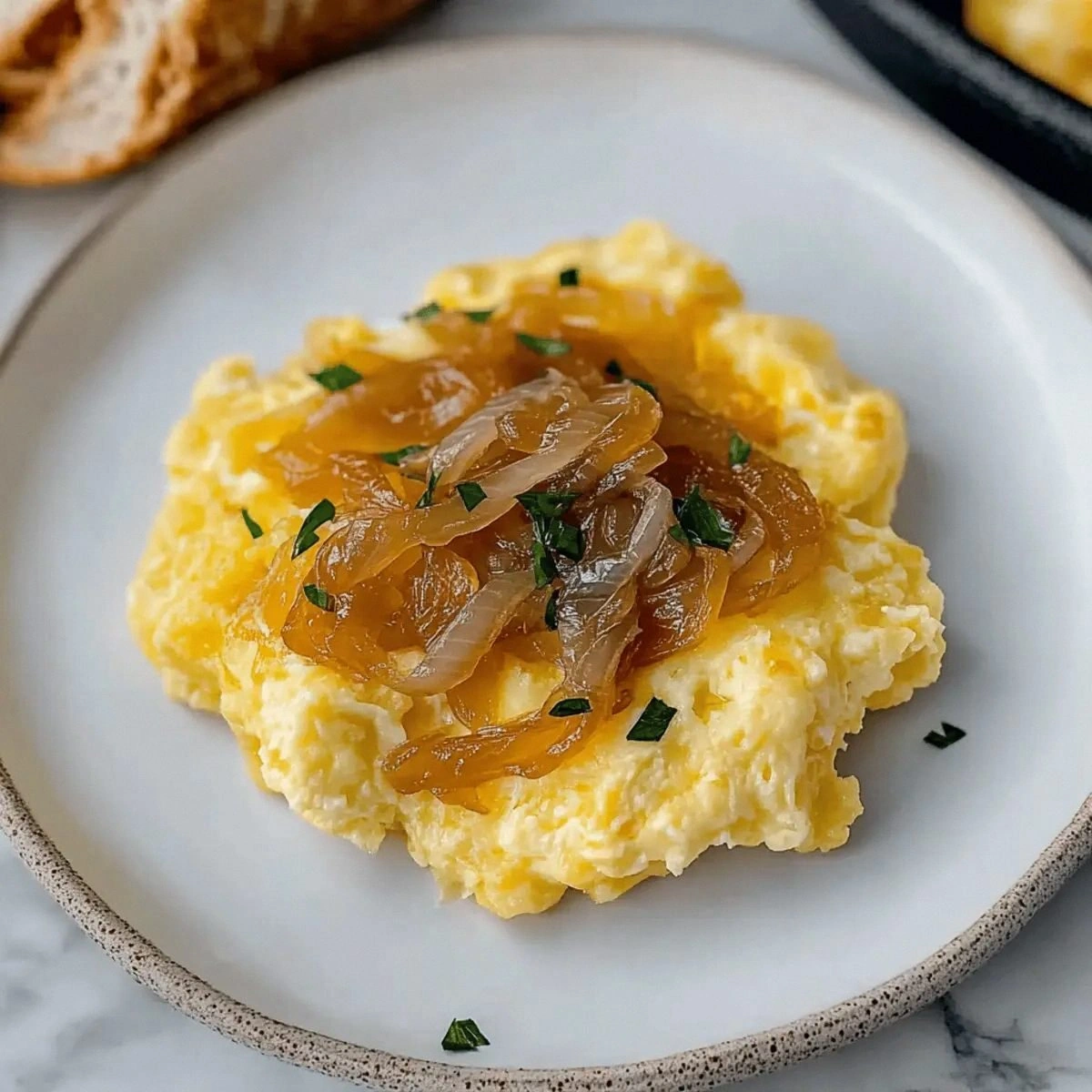
Slide the finished heavenly eggs onto a warmed plate, letting the caramelized onions cascade over the top. The final visual should be a glossy, golden‑brown pool surrounding the bright yellow yolks—like sunrise over a buttery sea. Power transition: Okay, ready for the game‑changer? A quick drizzle of a few drops of high‑quality olive oil just before serving adds a glossy finish and an extra layer of flavor.
Serve immediately with crusty bread, a side salad, or even a dollop of Greek yogurt if you’re feeling adventurous. The dish is best enjoyed while the onions are still warm and the yolks are runny—this is when the flavors meld into that unforgettable comfort you’ve been dreaming of. And now the fun part: Take a bite, close your eyes, and let the sweet‑savory symphony transport you to a cozy kitchen on a rainy day. That sizzle when it hits the pan? Absolute perfection.
That's it — you did it. But hold on, I've got a few more tricks that'll take this to another level…
Insider Tricks for Flawless Results
The Temperature Rule Nobody Follows
Never start the onions on high heat. Low‑and‑slow is the secret to coaxing out their natural sugars without burning. I once tried a “quick fry” and ended up with bitter, blackened pieces that ruined the whole dish. Keep the heat at a gentle medium‑low, and you’ll get that deep amber color that looks like liquid gold. The patience pays off in flavor that’s richer than any shortcut.
Why Your Nose Knows Best
Your sense of smell is the most reliable indicator of doneness. When the onions start to emit a sweet, almost caramel perfume, you’re at the perfect stage. If you rely solely on color, you might over‑cook them, turning the sugars bitter. Trust that aromatic cue; it’s the culinary equivalent of a green light.
The 5‑Minute Rest That Changes Everything
After you fold the eggs, let the pan sit off the heat for a solid five minutes. This rest allows the residual heat to finish cooking the whites gently, preserving the yolk’s runny heart. I once skipped this step in a rush, and the whites turned rubbery while the yolk stayed too liquid. A short pause makes the texture silky, like a velvety custard.
Herb Timing Hack
Add fresh herbs at the very end, not at the beginning. Heat destroys the bright, grassy notes, leaving only a muted flavor. By sprinkling them just before serving, you preserve that fresh pop that brightens the entire plate. If you love basil, try a few chiffonade leaves for a sweet, peppery twist.
Butter vs. Oil Balance
Using both butter and olive oil isn’t just for flavor—it creates a perfect emulsified base that prevents sticking and adds depth. Butter alone would burn, while oil alone would lack richness. The combination gives you a glossy, non‑sticky surface that lets the onions caramelize evenly and the eggs glide smoothly.
Creative Twists and Variations
This recipe is a playground. Here are some of my favorite ways to switch things up:
Spicy Kick
Add a pinch of smoked paprika to the onions and finish with a drizzle of hot chili oil. The smoky heat complements the sweetness of the caramelized onions, creating a bold flavor profile that will thrill anyone who loves a little fire.
Cheesy Delight
Stir in a handful of grated Gruyère or sharp cheddar just before the eggs set. The cheese melts into a creamy blanket, adding a salty richness that pairs beautifully with the sweet onions.
Mediterranean Flair
Swap the optional herbs for a mix of oregano, thyme, and a few sliced black olives. The briny olives bring a Mediterranean vibe that makes the dish feel like a seaside brunch.
Vegan Version
Replace the eggs with silken tofu cubes and use plant‑based butter. The tofu absorbs the caramelized onion flavors, offering a protein‑rich, dairy‑free alternative that still delivers that comforting texture.
Breakfast Burrito Wrap
Wrap the finished eggs and onions in a warm tortilla, add some avocado slices, and a spoonful of salsa. This turns the dish into a handheld marvel perfect for on‑the‑go mornings.
Storing and Bringing It Back to Life
Fridge Storage
Allow the dish to cool to room temperature, then transfer it to an airtight container. It will keep for up to 3 days in the refrigerator. Reheat gently in a skillet over low heat, adding a splash of water to re‑steam the onions and prevent them from drying out.
Freezer Friendly
Separate the caramelized onions from the eggs before freezing. Store the onions in a zip‑top bag for up to 2 months, and the cooked eggs (cooled) in a freezer‑safe container for up to 1 month. When ready, thaw overnight in the fridge, reheat the onions first, then gently fold in the eggs over low heat.
Best Reheating Method
The secret to a perfect reheated bite is steam. Place a tablespoon of water in the pan, cover, and warm over low heat for 2‑3 minutes. The steam revives the caramelized sweetness and restores the eggs’ silky texture without turning them rubbery.