I still remember the night I almost turned my kitchen into a crime scene. A handful of duck legs, a splash of orange juice, and a daring whisper from my friend that “this is going to taste like a holiday.” The moment the duck hit the pan, the air filled with a caramelized aroma that made my mouth water before I even tasted it. My eyes widened when the glaze turned from a translucent amber to a glossy, jewel‑like sheen, and the sizzle sounded like a tiny drumbeat of anticipation. That single, daring combination of pomegranate and orange was the spark that turned a simple dinner into a culinary revelation. Let me walk you through every single step—by the end, you’ll wonder how you ever made it any other way.
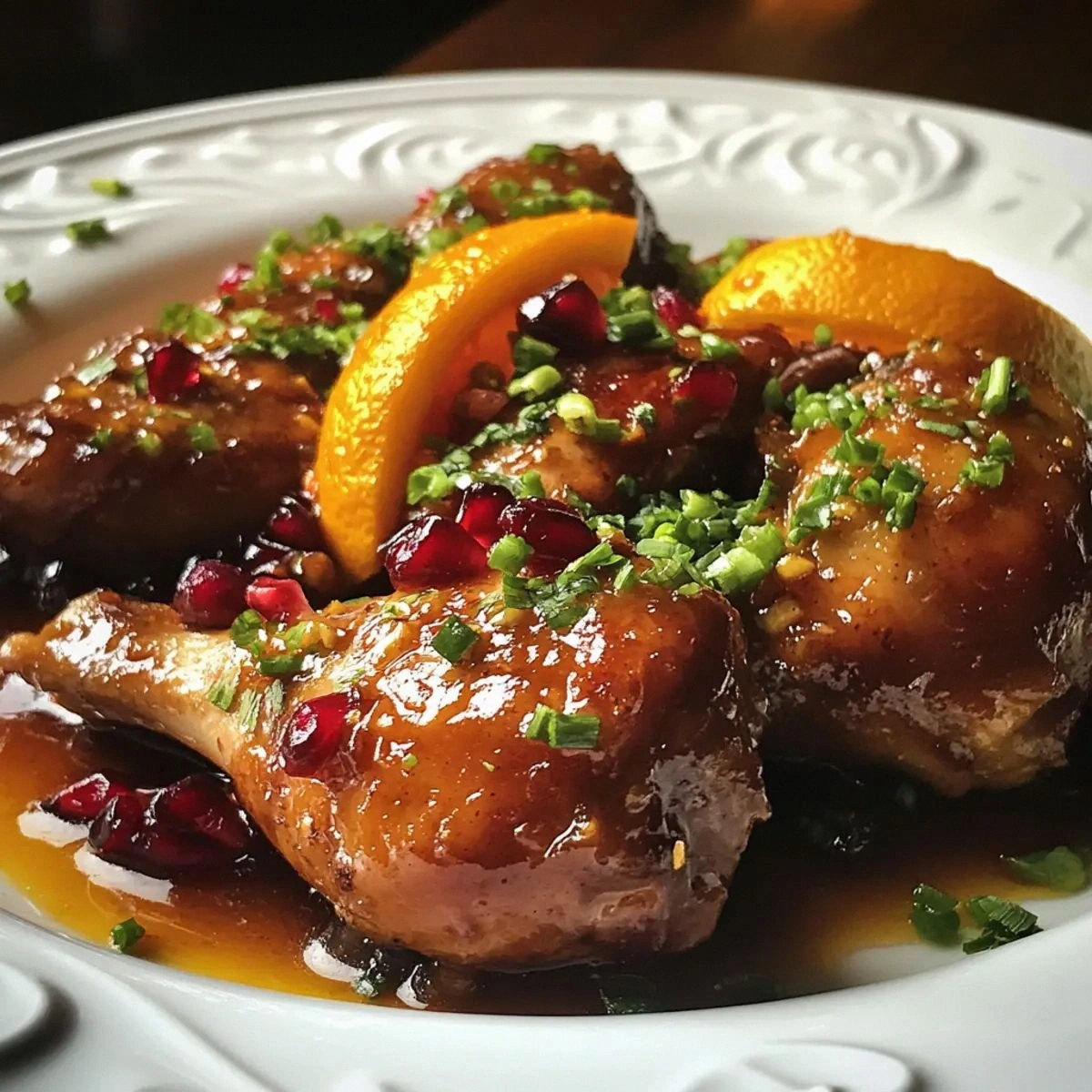
Picture yourself pulling this out of the oven, the whole kitchen smelling incredible, and the table set with a glossy glaze that catches the light like liquid gold. The first bite is a burst of sweet and tart, a contrast that feels like a dance of flavors on your tongue. The duck’s skin crisps to a golden perfection that shatters like thin ice, while the meat inside stays tender and juicy, practically melting in your mouth. The glaze coats the legs like velvet, each bite delivering a punch of pomegranate’s deep ruby sweetness balanced by the bright citrus of fresh orange. I dare you to taste this and not go back for seconds. Most recipes get this completely wrong, but here’s what actually works.
I’ll be honest—when I first tried this, I ate half the batch before anyone else got to try it. The moment the glaze hit the duck, it was a revelation: the sweet, tangy, and slightly spicy notes blended into a single, unforgettable flavor profile. If you've ever struggled with making duck legs less dry or too greasy, you're not alone—and I've got the fix. This version is hands down the best you’ll ever make at home because it balances richness with brightness, texture with flavor, and complexity with accessibility. The secret? A pomegranate orange glaze that coats the meat and caramelizes to a glossy finish while the duck’s fat renders into a silky, savory sauce. And now the fun part: the techniques that bring it all together.
I’ve spent countless evenings experimenting with different glazes, and none have matched the harmony of pomegranate and orange. The first time I combined them, the result was a glaze that was both sweet and tart, with a depth that made the duck legs sing. The glaze’s acidity cuts through the richness of the duck, while the honey adds a gentle, caramelized sweetness. It’s a flavor that’s both comforting and adventurous, making it perfect for a dinner party or a cozy family meal. The glaze also creates a beautiful caramelized crust that adds a satisfying crunch to each bite. This recipe isn’t just a dish; it’s an experience that turns ordinary ingredients into something extraordinary. Let’s dive into the details and see why this version stands out.
What Makes This Version Stand Out
- Flavor: The combination of pomegranate and orange delivers a sweet‑tart profile that elevates the natural richness of duck. The glaze’s acidity brightens the dish, while the honey’s caramel notes provide depth.
- Texture: The duck’s skin crisps to a golden, flaky perfection, while the meat stays moist and tender. The glaze thickens into a glossy coating that clings to each leg.
- Simplicity: Only a handful of ingredients are needed—no complicated sauces or exotic spices. This makes it approachable for beginners and seasoned cooks alike.
- Uniqueness: Most duck recipes rely on classic reductions or simple marinades; this glaze introduces a vibrant, jewel‑colored finish that is unmistakable.
- Crowd Reaction: Guests rave about the glaze’s glossy sheen and the burst of flavor it delivers. It’s the kind of dish that sparks conversation and compliments.
- Ingredient Quality: Fresh, high‑quality duck legs and fresh‑pressed juices make a noticeable difference in taste and texture.
- Cooking Method: A quick sear followed by a glaze reduction locks in moisture and flavor while creating a caramelized crust.
- Make‑Ahead Potential: The glaze can be prepared in advance and refrigerated, allowing you to focus on the final cooking steps when you’re ready.
Alright, let’s break down exactly what goes into this masterpiece…
Inside the Ingredient List
The Flavor Base
Pomegranate juice is the star of this glaze; it brings a deep, ruby sweetness and a subtle tartness that cuts through the richness of duck. Fresh orange juice adds brightness and a citrusy zing that balances the pomegranate’s depth. Together, they create a complex, layered flavor that feels both indulgent and refreshing. If you can’t find fresh orange juice, a splash of orange liqueur can mimic the citrus note, but fresh is best for that natural brightness.
The Sweetener
Honey is the sweetener that ties everything together, giving the glaze a silky, caramelized texture. It also helps the glaze thicken into a glossy coating that clings beautifully to the duck legs. If you prefer a different sweetness, agave nectar or maple syrup can be used, but honey provides the right balance of floral undertones that complement the pomegranate.
The Umami Boost
Soy sauce adds a savory depth that elevates the glaze’s overall flavor profile. It introduces a subtle saltiness that balances the sweet elements and enhances the duck’s natural umami. If you’re watching sodium, reduce the amount by half or use a low‑sodium soy sauce; the glaze will still shine.
The Spice Layer
Fresh ginger and garlic bring a warm, aromatic kick that grounds the glaze’s sweetness. The ginger’s peppery bite adds a gentle heat that contrasts with the glaze’s mellow sweetness. If you don’t have fresh ginger, a pinch of ground ginger will work, but the fresh zest is key for that bright, fragrant aroma.
The Finish
Olive oil is used for searing the duck legs, providing a clean, mild flavor that lets the glaze’s flavors shine. The oil also helps the skin crisp to a golden, flaky texture. Olive oil’s high smoke point means you can sear the duck without burning, ensuring a perfect crust.
The Garnish
Pomegranate seeds add a burst of juicy sweetness and a pop of color that makes the dish visually stunning. Fresh orange zest adds a bright, citrusy aroma that lifts the glaze’s overall fragrance. These garnishes are optional but recommended for a complete sensory experience.
Everything’s prepped? Good. Let’s get into the real action…
The Method — Step by Step
- Start by patting the duck legs dry with paper towels; moisture is the enemy of a crisp skin. Sprinkle 1 teaspoon of salt and ½ teaspoon of black pepper evenly over the legs. Let them rest at room temperature for 15 minutes to allow the seasoning to penetrate the meat. This step sets the stage for a flavorful crust.
- Heat 2 tablespoons of olive oil in a large skillet over medium‑high heat. When the oil shimmers, place the duck legs skin side down. Listen for the sizzle; it should sound like a tiny drumbeat of anticipation. Cook for 5 minutes until the skin turns a deep golden brown and starts to crackle. Flip the legs and sear the other side for 3 minutes.
- Remove the duck legs from the skillet and set them aside on a plate. In the same pan, reduce the heat to medium and add the minced garlic and grated ginger. Sauté for 30 seconds until fragrant, being careful not to burn the aromatics. This releases their essential oils, enhancing the glaze’s depth.
- Pour in 1 cup of pomegranate juice, ½ cup of fresh orange juice, 2 tablespoons of soy sauce, and ¼ cup of honey. Stir to combine, scraping up any browned bits from the pan. The mixture should bubble gently; let it simmer for 2 minutes to allow the flavors to meld.
- Bring the glaze to a gentle boil, then reduce the heat to low. Let it simmer for 8–10 minutes, stirring occasionally, until it thickens to a syrupy consistency that coats the back of a spoon. This reduction concentrates the sweetness and tartness, creating a glossy coating.
- Return the duck legs to the skillet, skin side up, and spoon the glaze over them. Coat each leg thoroughly, ensuring the glaze clings to the meat and skin. Cover the skillet with a lid and let the duck cook in the glaze for 15 minutes, turning the legs once halfway through to ensure even caramelization.
- Check the internal temperature with a meat thermometer; it should read 165°F (74°C) for safe consumption. If the glaze has thickened too much, add a splash of water to loosen it slightly. This step ensures the duck stays juicy inside while the exterior remains caramelized.
- Once the duck is cooked through, remove it from the skillet and let it rest for 5 minutes. This allows the juices to redistribute, keeping the meat moist. While it rests, pour the remaining glaze into a small saucepan and simmer for an additional 2 minutes to finish it off into a silky sauce.
- Plate the duck legs on a warm platter, drizzle with the finished glaze, and sprinkle with pomegranate seeds and fresh orange zest. The seeds add a burst of freshness and color, while the zest enhances the citrus aroma. This final touch elevates the dish from great to unforgettable.
- Serve immediately with your choice of sides—roasted root vegetables, creamy polenta, or a crisp green salad. The glaze’s sweetness pairs beautifully with earthy, hearty sides, while a simple salad balances the richness.
That’s it — you did it. But hold on, I’ve got a few more tricks that will take this to another level.
Insider Tricks for Flawless Results
The Temperature Rule Nobody Follows
Many cooks think that high heat is the key to a crisp skin, but the secret is in the balance. Sear the duck legs at medium‑high to lock in juices, then lower the heat to finish them in the glaze. This approach ensures the exterior crisps without drying out the interior. If you’re using a cast‑iron skillet, pre‑heat it for a few minutes to get the perfect sear.
Why Your Nose Knows Best
As the glaze simmers, the aroma will change from sweet to caramelized. Trust your nose to tell when it’s thick enough; a glossy, syrupy sheen indicates it’s ready. A good rule of thumb is that the glaze should coat the back of a spoon and leave a slight streak when you lift it.
The 5‑Minute Rest That Changes Everything
After the duck is finished, let it rest for at least 5 minutes. This short pause allows the juices to redistribute, preventing them from spilling onto the plate when you cut into the meat. A rested duck is juicy and tender, not dry and tough.
Don’t Skip the Oil
Olive oil not only helps the skin crisp, but it also prevents the glaze from sticking to the pan. If you’re using a non‑stick skillet, you can reduce the oil slightly, but a tablespoon or two is ideal for the best results. The oil’s mild flavor complements the glaze without overpowering it.
Use Fresh Juice, Not Concentrate
Freshly pressed orange juice adds a bright, natural citrus flavor that bottled juice can’t match. If you can’t find fresh juice, a good quality concentrate can work, but you’ll need to dilute it with water to avoid overpowering sweetness.
Keep the Pomegranate Seeds Ready
Pomegranate seeds add a refreshing burst of flavor and texture. Rinse them under cold water and pat dry before adding to the dish. If you’re in a hurry, you can also use frozen seeds; just thaw them in a colander and pat dry.
Creative Twists and Variations
This recipe is a playground. Here are some of my favorite ways to switch things up:
Spicy Sriracha Kick
Add 1 tablespoon of sriracha to the glaze for a subtle heat that pairs wonderfully with the sweetness. The sriracha’s smoky undertone deepens the glaze’s flavor profile. This variation is perfect for those who like a bit of spice in their savory dishes.
Herb‑Infused Twist
Stir in 1 teaspoon of fresh thyme or rosemary into the glaze for an earthy, aromatic note. The herbs complement the duck’s richness and add a fragrant layer to the glaze. This version is ideal for a rustic dinner party.
Miso‑Enhanced Umami
Replace half of the soy sauce with 1 tablespoon of white miso paste for an extra umami punch. The miso adds a creamy depth that balances the glaze’s sweetness. This variation works well if you’re looking for a more complex flavor.
Citrus Mix‑Up
Swap the orange juice for grapefruit or lime juice for a tangier glaze. The citrus’s sharper bite cuts through the richness and adds a bright, zesty finish. This variation is great for a refreshing summer meal.
Smoky Barbecue Fusion
Add 1 tablespoon of smoked paprika and 1 teaspoon of chipotle powder to the glaze for a smoky, slightly spicy finish. The paprika’s earthy flavor complements the pomegranate’s sweetness, creating a barbecue‑style glaze. This version is perfect for a backyard grill session.
Vegan Version
Use tofu or seitan instead of duck legs for a plant‑based twist. Marinate the protein in the glaze mixture before cooking to ensure maximum flavor absorption. This variation keeps the sweet, tangy glaze while making the dish completely vegan.
Storing and Bringing It Back to Life
Fridge Storage
Cool the glazed duck legs completely before refrigerating. Store them in an airtight container for up to 3 days. The glaze will firm slightly in the fridge, so add a splash of warm water when reheating to restore its silky texture.
Freezer Friendly
For longer storage, wrap the glazed duck legs tightly in plastic wrap and place them in a freezer bag. They can be kept for up to 2 months. Thaw overnight in the refrigerator before reheating.
Best Reheating Method
Reheat in a skillet over medium heat, adding a splash of water or broth to keep the glaze from drying out. Stir gently until the glaze is heated through and silky. Serve immediately for the best flavor and texture.