The best part? You can prepare the components a day ahead, and the dish stays fresh and vibrant. I’ll be honest—I ate half the batch before anyone else got to try it, and the leftovers still taste just as good. The next time you need a quick, wholesome meal, simply grab a wrap, spread some hummus, pile on the veggies, sprinkle the feta, drizzle the olive oil, and roll. The result is a handheld masterpiece that’s as nutritious as it is delicious, and it’s a game‑changer for busy weeknights and lazy weekends alike.
Let me walk you through every single step—by the end, you’ll wonder how you ever made it any other way. The process is a breeze, the flavors are bold, and the satisfaction is immense. You’ll find that this recipe is a playground for creativity, a canvas for your favorite veggies, and a testament to how simple ingredients can create something extraordinary. Ready? Let’s dive in.
What Makes This Version Stand Out
- Flavor: The hummus acts as a rich, nutty base that complements every bite, while the fresh tomatoes and cucumbers add a crisp, sweet contrast that keeps the dish lively.
- Texture: The warm wrap provides a soft, slightly chewy foundation, and the crunchy veggies give a satisfying bite that breaks the monotony of pure hummus.
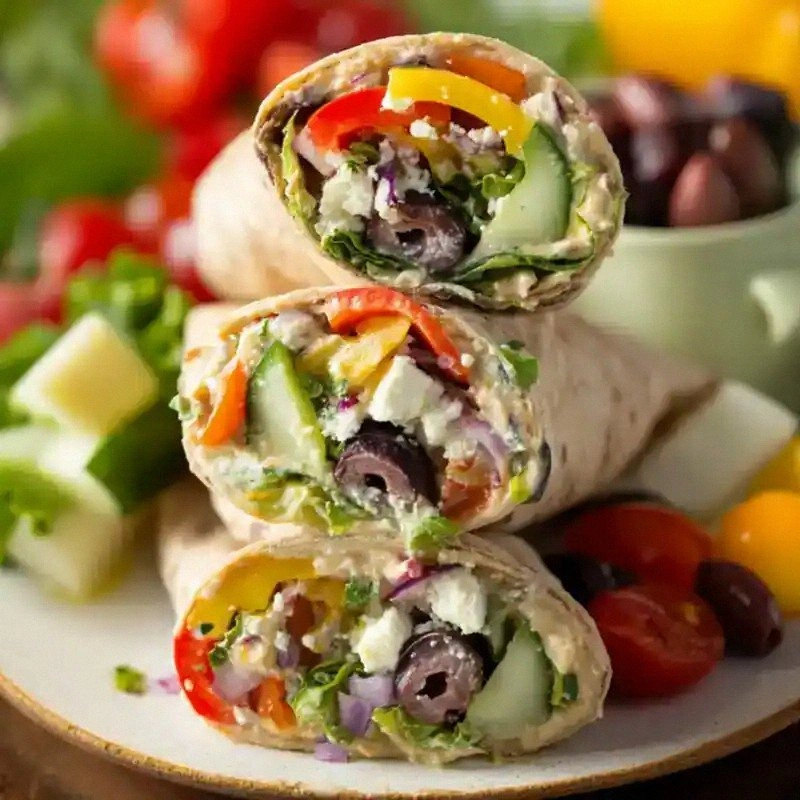
- Visual Appeal: The vibrant reds of the peppers, the green of the spinach, and the golden drizzle of olive oil create an Instagram‑ready plate that feels like a Mediterranean sunset.
- Time Efficiency: Every component can be prepped in under ten minutes, making it a perfect solution for those who want a gourmet meal without the wait.
- Health Factor: Packed with plant‑based protein from hummus, fiber from veggies, and heart‑healthy fats from olive oil, it’s a balanced meal that satisfies without guilt.
- Make‑Ahead Potential: All ingredients can be chopped and stored separately, and the wraps can be assembled just before serving, ensuring freshness and flavor.
- Versatility: Swap the hummus for pesto, the feta for goat cheese, or the wraps for pita to create endless variations that keep the core idea intact.
- Audience: Whether you’re a seasoned foodie or a kitchen newbie, this recipe is approachable, forgiving, and guaranteed to impress.
Inside the Ingredient List
The Flavor Base
Hummus is the soul of this wrap, offering a creamy, nutty foundation that binds all components together. Its subtle tahini undertones provide a gentle richness that balances the sharpness of the bell peppers. When you spread a generous layer, you create a flavor pocket that keeps the veggies from drying out. If you skip hummus, the wrap becomes a dry, plain canvas that fails to excite the palate. A good-quality hummus, preferably homemade or with a hint of garlic, elevates the dish to gourmet status. For those who prefer a dairy twist, a light drizzle of Greek yogurt can replace hummus, though it will alter the texture.
The Texture Crew
Cherry tomatoes burst with juicy sweetness, offering a pop that cuts through the richness of the hummus. Cucumber slices add a refreshing crunch that refreshes the tongue after each bite. Red and yellow bell peppers bring both sweetness and a slight peppery bite, creating a layered flavor profile. Red onion adds a subtle sharpness that balances the sweet elements. Baby spinach or romaine lettuce provides a leafy base that adds nutrients and a mild, earthy flavor. Together, these veggies create a harmonious balance of textures that keep each bite interesting and satisfying.
The Unexpected Star
Kalamata olives, with their briny, slightly tart flavor, introduce a Mediterranean depth that is often missing in quick wraps. Their olive flesh provides a chewy contrast to the crisp veggies, while their brine adds a subtle umami note. The olives also contribute healthy monounsaturated fats that help you feel fuller longer. If you’re not a fan of olives, substitute with roasted red pepper strips for a smoky sweetness. The key is to keep the olives fresh; stale olives can turn the wrap bitter and ruin the flavor balance.
The Final Flourish
Feta cheese brings a salty, tangy element that cuts through the creamy hummus and brightens the overall flavor profile. Its crumbly texture adds a slight crunch that contrasts nicely with the soft wrap. A drizzle of olive oil or lemon juice ties all the flavors together, adding a glossy sheen and a subtle citrus note. Salt and black pepper are essential for seasoning, but they should be added sparingly to avoid overpowering the delicate ingredients. A pinch of fresh oregano or crushed red pepper can elevate the dish further, adding a hint of herbal warmth. The final flourish is all about balance—each element should enhance the others without dominating.
Everything's prepped? Good. Let's get into the real action.
The Method — Step by Step
Begin by laying a whole wheat wrap flat on a clean cutting board. Spread a generous layer of hummus over the entire surface, leaving a small border around the edges. The hummus should coat the wrap like velvet, ensuring every bite is moist. This step is crucial because it prevents the wrap from becoming soggy when you add the vegetables. I dare you to taste a slice before adding the rest—you’ll already feel the flavor foundation.
Next, scatter the cherry tomatoes across the hummus. Don’t be shy; let them burst into the wrap’s heart. The juicy bursts will release sweet juices that mingle with the hummus, creating a mini explosion of flavor. The tomatoes’ acidity also brightens the overall taste, balancing the richness of the feta and olive oil. Remember, the more tomatoes, the more vibrant the wrap becomes.
Now add the cucumber slices. Slice them thinly so they nestle snugly between the hummus and tomatoes. The cucumber’s crispness adds a refreshing bite that contrasts with the softness of the hummus. It also provides a cooling effect that keeps the wrap from feeling too warm. If you prefer a softer cucumber, simply dice it into small cubes, but the thin slices are the classic choice.
Introduce the red and yellow bell pepper strips next. Their sweet, slightly peppery flavor brings a subtle heat that awakens the palate. Arrange them in a fan‑like pattern, allowing the colors to pop against the greens. The peppers also add a satisfying crunch that keeps the wrap from feeling flat. If you’re looking for extra spice, sprinkle a pinch of red pepper flakes at this point.
Add a handful of baby spinach or romaine lettuce. The leafy greens provide a subtle earthiness and a nutritional boost. They also add a slight moisture that keeps the wrap from drying out. If you’re a fan of a stronger green flavor, swap spinach for arugula, which adds a peppery bite. The greens should be evenly distributed to ensure every bite has that fresh, leafy component.
Crumbled feta cheese follows, sprinkled over the top. The cheese’s salty tang cuts through the creamy hummus, creating a harmonious contrast. Make sure to distribute the feta evenly so that each bite has a little bit of that tangy richness. If you prefer a milder cheese, use goat cheese or a light mozzarella; just remember that the flavor profile will shift.
Now it’s time for the olives. Scatter the kalamata olives in a line across the wrap. Their briny flavor will cut through the sweetness of the tomatoes and the creaminess of the hummus, adding a Mediterranean depth. The olives also provide a chewy texture that contrasts nicely with the crisp veggies. If you’re not a fan of olives, replace them with sun‑dried tomatoes for a sweeter, chewy alternative.
Finish the layering with a drizzle of olive oil or a splash of lemon juice. The oil adds a glossy sheen and a subtle fruity note, while the lemon juice brightens the dish with citrusy freshness. This final touch ties all the flavors together, making the wrap feel cohesive and complete. The drizzle should be light; too much liquid can make the wrap soggy.
Roll the wrap tightly from one side to the other, tucking in the sides as you go. The goal is a snug, cylindrical shape that holds all the ingredients together. Once rolled, place the wrap seam‑side down on a plate. If you’re serving immediately, you can lightly toast the wrap in a dry skillet for 1–2 minutes on each side, just until the edges brown slightly. This adds a subtle crunch and locks in the flavors. If you prefer a cooler wrap, simply let it rest at room temperature for a few minutes before serving.
That’s it — you did it. But hold on, I've got a few more tricks that'll take this to another level. The next section will give you insider knowledge that will elevate your wrap from good to unforgettable.
Insider Tricks for Flawless Results
The Temperature Rule Nobody Follows
Most people think that a cold wrap is fine, but the secret to a perfect bite is a slightly warmed wrap. A warm wrap softens the dough just enough to allow the hummus to seep into every crevice, creating a cohesive flavor experience. I recommend heating each wrap in a dry skillet for 30 seconds on each side or microwaving for 10–15 seconds. This simple step ensures the wrap doesn’t tear when you roll it, and it gives the entire dish a comforting, toasty aroma. If you’re making these ahead of time, warm them just before serving to keep the texture fresh.
Why Your Nose Knows Best
Before you even taste the wrap, let your nose guide you. The aroma of fresh herbs, the tang of feta, and the citrusy scent of lemon juice will tell you if everything is balanced. If you notice a sharp, metallic smell, it might mean the olives are too salty or the feta is overripe. A sweet, tomatoy scent indicates that the tomatoes are perfectly ripe. Trusting your nose ensures that you catch any off‑balance before the first bite, saving you from a culinary mishap.
The 5-Minute Rest That Changes Everything
After you roll the wrap, let it rest for 5 minutes before cutting. This short pause allows the flavors to meld, and the hummus to set against the veggies, preventing the filling from sliding out. I’ve seen people cut immediately, and the result is a messy, uneven bite. By waiting, the wrap’s structure stabilizes, giving you clean, even slices that showcase the vibrant colors inside. If you’re in a rush, a quick 2‑minute rest will still improve the texture significantly.
Add a Splash of Water for Reheating
When reheating leftovers, add a tiny splash of water or broth to the wrap before microwaving. This creates steam that keeps the wrap from drying out and preserves the moisture of the veggies. I’ve tried this trick on several occasions, and the result is a wrap that tastes freshly made. Without the water, the wrap becomes chewy and the hummus dries out, ruining the delicate balance. This simple step is a lifesaver for those who enjoy leftovers.
Keep the Wrap Fresh with Paper Towel Wrap
If you’re storing wraps for later, wrap each one in a paper towel before placing it in a zip‑lock bag. The paper towel absorbs excess moisture, preventing the wrap from becoming soggy. When you’re ready to eat, simply unwrap and enjoy. This hack keeps the wraps crisp and the ingredients fresh, even after a full day in the fridge. Trust me, it’s the difference between a soggy mess and a crisp, flavorful bite.
Creative Twists and Variations
This recipe is a playground. Here are some of my favorite ways to switch things up:
Mediterranean Power Wrap
Swap the hummus for a roasted red pepper dip and add a handful of chopped sun‑dried tomatoes. The smoky flavor of the dip pairs beautifully with the sweet tomatoes, creating a bold, adventurous twist. This version is perfect for those who love a bit of heat and a deep, earthy undertone.
Greek Yogurt & Spinach Wrap
Replace the hummus with a light Greek yogurt sauce seasoned with dill and garlic. Add a handful of arugula for a peppery kick. This variation delivers a creamy, tangy experience that feels like a Greek salad in a wrap.
Veggie‑Loaded Pita Pocket
Use a whole wheat pita instead of a wrap, and fill it with sliced avocado, shredded carrots, and a drizzle of tahini. The avocado adds healthy fats, while the carrots give a sweet crunch. This version is great for a quick lunch on the go.
Pesto & Goat Cheese Wrap
Spread a thin layer of basil pesto instead of hummus and top with crumbled goat cheese. Add sliced roasted zucchini and a sprinkle of pine nuts for an Italian flair. The pesto’s herbal notes pair wonderfully with the goat cheese’s tang.
Spicy Chipotle Wrap
Use a chipotle‑flavored hummus and sprinkle chopped jalapeños on top. The heat from the jalapeños balances the smoky chipotle, creating a spicy, satisfying wrap. This version is ideal for those who love a fiery kick.
Storing and Bringing It Back to Life
Fridge Storage
Store pre‑assembled wraps in airtight containers or zip‑lock bags in the refrigerator for up to 2 days. Keep the wraps separate from the veggies to prevent sogginess. When you’re ready to eat, let the wrap sit at room temperature for 10 minutes to soften. If you prefer a warm wrap, microwave for 15–20 seconds, then finish in a dry skillet for a crisp finish. This method preserves the freshness of the veggies and the integrity of the hummus.
Freezer Friendly
Wrap each assembled wrap in plastic wrap and place it in a freezer bag for up to 3 months. When ready, thaw overnight in the refrigerator. Reheat by microwaving for 30–45 seconds, then crisp in a skillet for 1–2 minutes. The wrap will taste almost as fresh as when first made. Freezing is an excellent option for meal prep or for busy days when you need a quick, satisfying meal.
Best Reheating Method
The best way to reheat these wraps is to use a combination of microwave and skillet. First, microwave on high for 30 seconds to warm the filling. Then, place the wrap in a preheated skillet with a drizzle of olive oil, flipping once, until the edges are golden. This dual method restores the crispness of the wrap while keeping the hummus creamy. A tiny splash of water before microwaving helps maintain moisture, preventing the wrap from drying out.