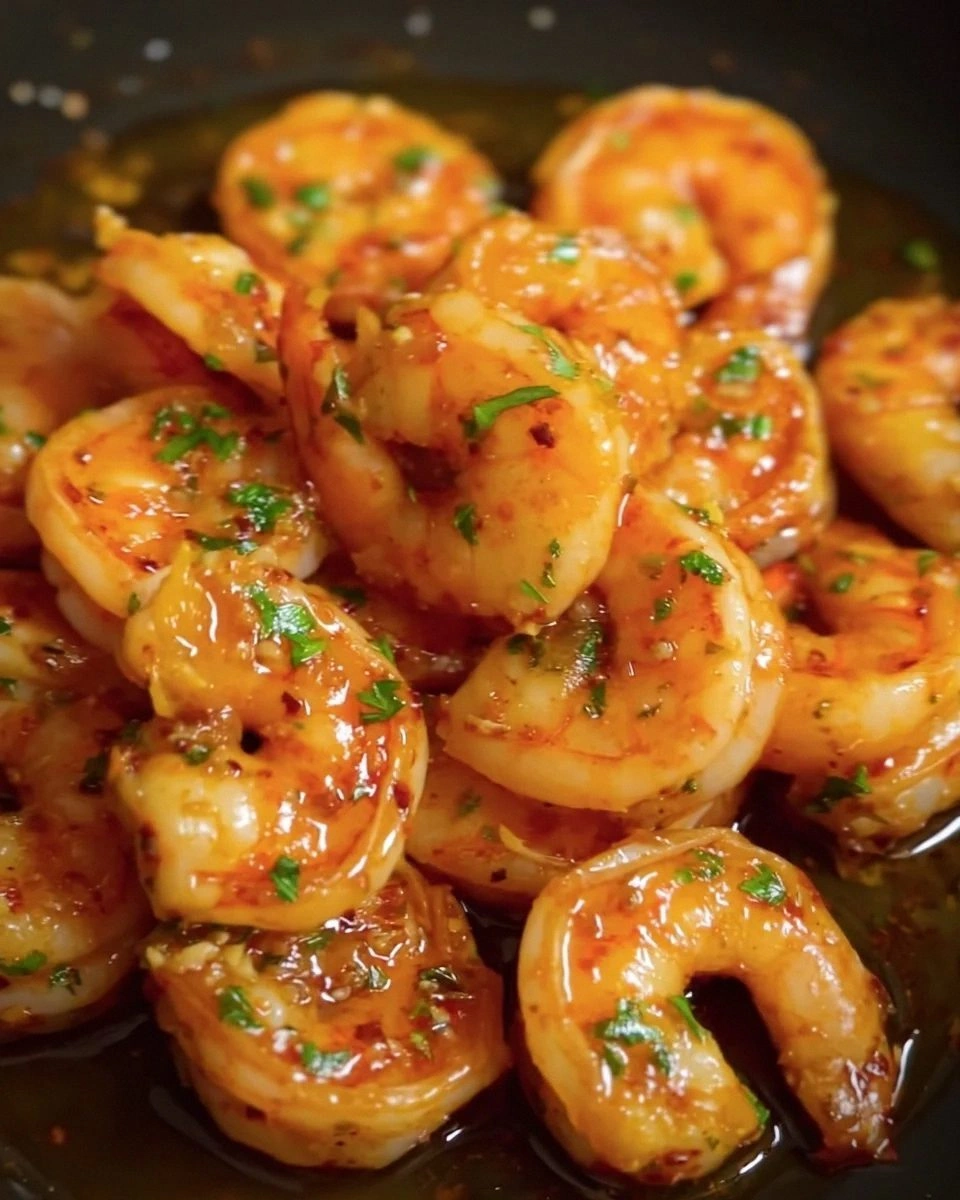
I still remember the night this soup changed my life. It was one of those miserable Tuesday evenings when the rain was coming down in sheets, my heating bill had arrived like a punch to the gut, and my favorite takeout place had just increased their delivery fee to "are you kidding me" levels. I stood in my kitchen, drenched from the dash from my car, staring into my fridge like it might magically produce gumbo from thin air. Spoiler alert: it didn't. But what happened next was pure kitchen alchemy that transformed a random collection of ingredients into something so ridiculously good that my roommate abandoned her diet, my neighbor invited herself over, and I ended up eating three bowls while standing at the stove because I "needed to taste it one more time to make sure it was perfect."
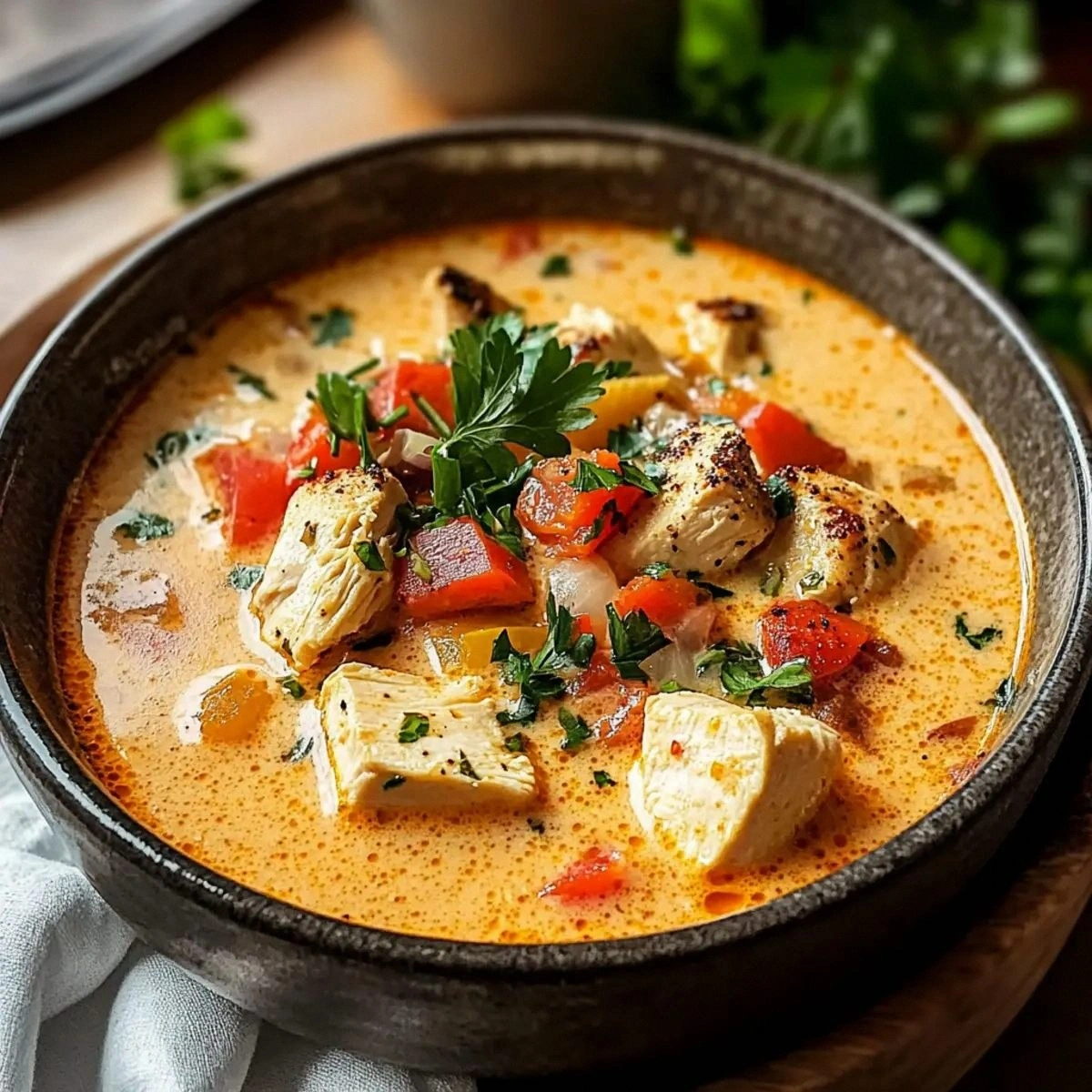
Here's the thing about Cajun cooking that most recipes get completely wrong — they treat it like a spice bomb competition where whoever adds the most cayenne wins some imaginary prize. That's not cooking, that's culinary daredevilry, and your taste buds deserve better. What makes this creamy Cajun chicken soup special isn't just the perfectly balanced heat that sneaks up on you like a plot twist, or the way the cream transforms into this luxurious blanket that makes every spoonful feel like you're being hugged from the inside. It's not just the tender chicken that falls apart at the mere suggestion of a spoon, or how the holy trinity of Cajun cooking (onion, celery, bell pepper) creates this flavor foundation so solid you could build a house on it.
This is the soup that made me cancel my standing Friday night plans because I wanted to stay home and make it again. The recipe that had my notoriously picky brother texting me at midnight asking if there was any left. The one that turned a random Wednesday into "remember that incredible soup night?" status. And I'm about to share every single secret, every tiny detail that makes this version the one you'll crave when the world feels cold and complicated and you need something that makes everything feel manageable again.
Picture yourself pulling this pot of liquid gold off the stove, the steam rising like you're in your own personal food commercial, the aroma wrapping around you like your favorite worn-in sweatshirt. The first spoonful hits your tongue and suddenly you're not just eating dinner, you're experiencing a moment of pure comfort that makes you understand why people write songs about food. Let me walk you through every single step — by the end, you'll wonder how you ever made it any other way.
What Makes This Version Stand Out
Balanced Heat: Most Cajun soups assault your taste buds with a cayenne sledgehammer. This version layers heat like a sophisticated symphony — the gentle warmth from the Cajun seasoning, the smoky heat from the paprika, and just enough cayenne to make your lips tingle without sending you running for milk. Each spoonful builds on the last, creating a pleasant warmth that lingers like a good memory rather than a five-alarm fire in your mouth.
Texture Perfection: The creamy base isn't just cream dumped into broth — it's a carefully constructed roux that starts with butter and flour, creating this silky foundation that coats every ingredient like liquid velvet. The chicken stays tender because we add it back at the exact right moment, and the vegetables maintain just enough bite to keep things interesting rather than dissolving into mush.
Weeknight Friendly: Despite tasting like it simmered all day, this entire masterpiece comes together in under an hour. The trick is in the sequence — while the chicken sears, you prep the vegetables. While the vegetables sauté, you measure the spices. It's like a well-choreographed dance where every move has purpose and nothing wastes time.
Restaurant Quality at Home: This isn't some watery, thin excuse for soup that leaves you hungry an hour later. This is the kind of rich, satisfying bowl that costs sixteen dollars at that trendy bistro downtown, except you made it in your pajamas while binge-watching your favorite show. The secret is in the roux technique that creates body and depth without heavy cream being the star.
Make-Ahead Champion: Here's where this recipe really shines — it actually tastes better the next day after the flavors have time to meld and deepen. Make a double batch on Sunday, and you've got lunch that'll make your coworkers jealous all week. Plus, it freezes beautifully, so you can stash away portions for those nights when even ordering pizza feels like too much effort.
Customizable Crowd-Pleaser: Want it spicier? Add more cayenne. Prefer it milder? Cut the Cajun seasoning in half. Vegetarian? Swap the chicken for mushrooms and use vegetable broth. This recipe is like that friend who gets along with everyone — adaptable, reliable, and always welcome at the party.
Ingredient Integrity: Every component matters here. The chicken thighs stay juicy where breasts would dry out. Real butter creates flavor that oil can't match. Fresh garlic beats the pre-minced stuff every single time. This attention to quality ingredients is what separates good soup from "wait, how did you make this again?" soup.
Inside the Ingredient List
The Flavor Foundation
The holy trinity of Cajun cooking isn't just tradition for tradition's sake — it's culinary science at its finest. Onion provides the sweet, caramelized depth that makes everything taste like it's been cooking for hours. Celery adds this bright, slightly bitter note that cuts through richness like a compass pointing true north. Green bell pepper brings a grassy, fresh flavor that keeps the whole operation from becoming too heavy. Together, they create this flavor base that's greater than the sum of its parts, like a boy band where each member has a crucial role.
Garlic enters the scene like the final piece of a puzzle, releasing its pungent perfume when it hits the hot fat, creating that unmistakable aroma that makes people wander into the kitchen asking what's for dinner. Four to five cloves might seem like overkill, but trust me — this is not the time to be shy. The cream will mellow everything out, so what seems aggressive raw becomes perfectly balanced in the final dish.
The Protein Powerhouse
Chicken thighs are the unsung heroes of the poultry world, and anyone who says otherwise has clearly never experienced the joy of perfectly cooked thigh meat. Unlike their snooty cousin the chicken breast, thighs forgive your timing mistakes. Leave them in thirty seconds too long? Still juicy. Get distracted by a phone call? They'll wait patiently without turning into sawdust. The fat content keeps them moist and flavorful, while the slightly darker meat stands up to the bold Cajun spices without getting lost.
That one teaspoon of Cajun seasoning might seem modest, but it's doing heavy lifting. The pre-made blend has the perfect ratio of paprika, oregano, thyme, and cayenne already figured out. Sure, you could make your own blend, but why reinvent the wheel when someone's already engineered a perfectly good one? The key is using it as a base and then customizing with additional smoked paprika and cayenne to make it uniquely yours.
The Roux Revolution
Butter and flour might seem like humble ingredients, but in the right hands, they become liquid gold. The trick is patience — you want to cook that roux until it smells like toasted nuts and looks like beach sand, not paste. This isn't just thickening power we're after; it's flavor development. A properly cooked roux adds this nutty, complex depth that makes people ask what your secret ingredient is. The answer is time and attention, but don't tell them that.
All-purpose flour works here because we want neutral thickening power without competing flavors. Bread flour has too much protein, cake flour has too little. Regular flour is the Goldilocks choice that gives us just the right body without making the soup gluey or thin. And unsalted butter lets us control the salt level precisely, because nobody wants to play guessing games with seasoning when there's perfectly good soup at stake.
The Creamy Conclusion
Heavy cream is non-negotiable here, and anyone suggesting milk or half-and-half is clearly trying to sabotage your happiness. The fat content matters — it's what gives the soup that luxurious mouthfeel that makes you close your eyes involuntarily. Add it too early and it'll break and look like a curdled disaster. Add it at the very end, off the heat, and it melts into the broth like it was always meant to be there.
The bay leaf seems like an afterthought, but it's the ingredient that ties everything together. It adds this subtle, almost mysterious background note that people can't quite identify but definitely notice when it's missing. Remove it before serving, because biting into a bay leaf is like finding a piece of plastic in your soup — technically edible but definitely not enjoyable.
The Method — Step by Step
- Start by patting those chicken thighs dry with paper towels like you're trying to remove evidence from a crime scene. Moisture is the enemy of good browning, and we want these babies to develop a gorgeous golden crust that'll make your kitchen smell like a Louisiana dream. Heat your olive oil in a heavy-bottomed pot over medium-high heat until it shimmers like a mirage, then lay in the chicken without crowding. Work in batches if you need to — overcrowding leads to steaming, and steamed chicken is about as exciting as wet cardboard.
- Season the chicken with half your Cajun seasoning, salt, and pepper, then let it cook undisturbed for about five minutes. This is not the time to get fidgety — every time you move that chicken, you're preventing the Maillard reaction from working its magic. When the edges start turning opaque and the bottom develops that perfect golden-brown crust, flip and repeat on the other side. The chicken doesn't need to be cooked through at this point since it'll finish in the soup, but those browned bits stuck to the bottom? That's pure flavor gold that'll make your soup taste like it has a secret.
- Remove the chicken to a plate and resist the urge to snack on it — okay, maybe just one piece for quality control. Now comes the fun part: building the holy trinity. Add your butter to the same pot and let it melt, scraping up all those beautiful browned bits with a wooden spoon. They'll dissolve into the fat, creating this incredible flavor base that would make any Cajun grandmother proud. Add your diced onion, celery, and bell pepper, then step back and let the aromatics work their magic.
- Here's where patience pays off — cook those vegetables for at least eight minutes, stirring occasionally, until the onions turn translucent and start to pick up some color around the edges. The celery should still have a tiny bit of snap, and the bell pepper should smell like summer in the South. Add your minced garlic and cook for another minute until it becomes fragrant but not brown. Burnt garlic is the fastest way to turn this masterpiece into something that tastes like disappointment.
- Sprinkle the flour over the vegetables and stir constantly for two to three minutes. This is your roux moment — cook it until it loses that raw flour smell and starts smelling like toasted nuts. The mixture will look like wet sand at the beach, and that's exactly what you want. This step is crucial because undercooked flour tastes like library paste, and nobody wants to eat library paste for dinner.
- Slowly whisk in your chicken broth, about a cup at a time, making sure each addition is fully incorporated before adding the next. This prevents lumps that would ruin the silky texture we're after. Add the remaining broth, smoked paprika, dried thyme, cayenne pepper, and bay leaf. Bring everything to a gentle simmer, not a rolling boil, and let it bubble away for about ten minutes. The soup will start to thicken slightly and take on this gorgeous amber color that looks like liquid autumn.
- While the soup simmers, shred your chicken into bite-sized pieces. Some recipes call for cubes, but shredded chicken creates this wonderful texture that feels more rustic and homey. It also means every spoonful gets some of that perfectly seasoned chicken instead of fighting with cubes that might be overcooked on the outside and raw in the middle. Add the shredded chicken back to the pot along with any juices that collected on the plate — waste not, want not.
- Reduce the heat to low and stir in the heavy cream. This is the moment where good soup becomes great soup. The cream should incorporate smoothly, turning the broth from dark amber to a beautiful golden tan. Let it warm through for about two minutes, but don't let it boil or the cream might break and look like a science experiment gone wrong. Taste and adjust seasoning — you might need more salt depending on your broth, or more cayenne if you're feeling bold.
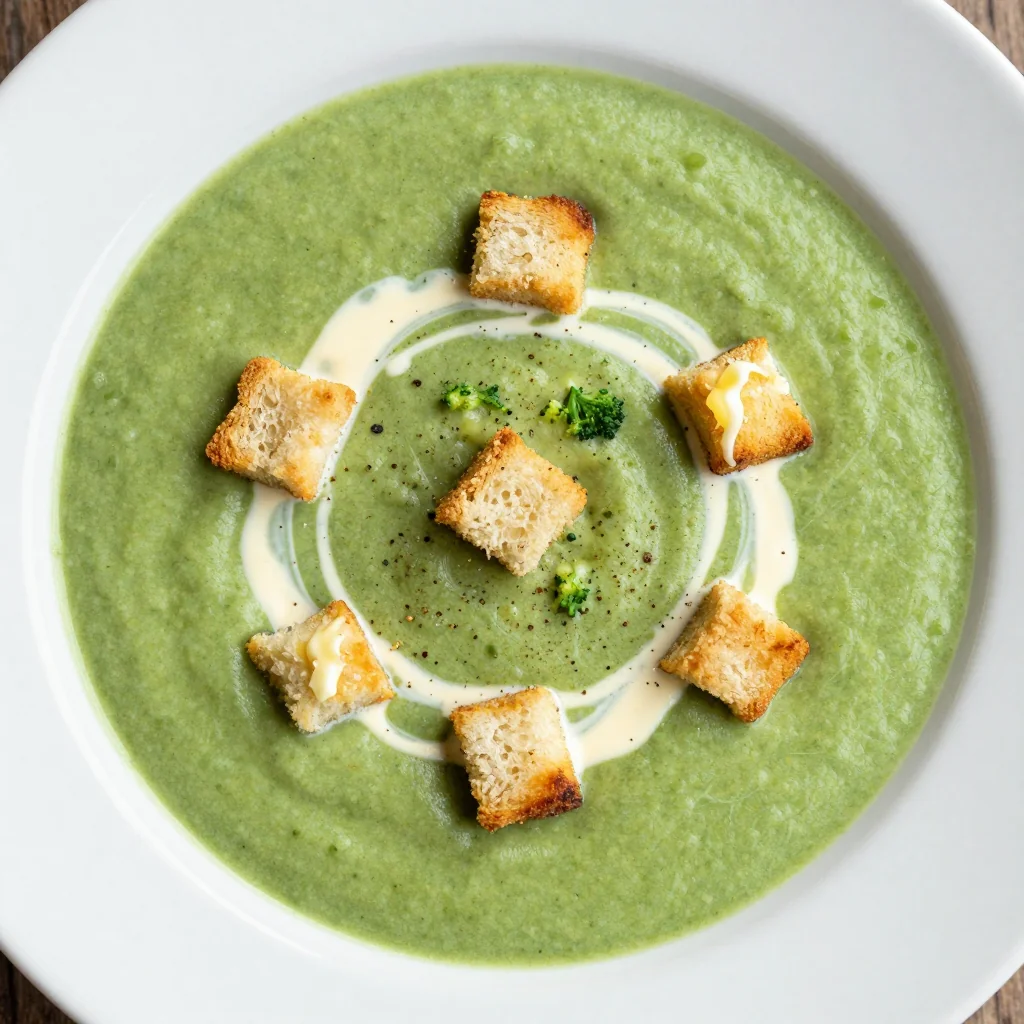
- Remove from heat, fish out the bay leaf (unless you enjoy surprise bay leaf roulette), and serve immediately. Garnish with chopped parsley and green onions for a pop of color and freshness that cuts through the richness. The soup should coat the back of a spoon like liquid velvet, with visible shreds of chicken and tiny flecks of vegetables creating this beautiful rustic appearance that says "someone who loves you made this."
Insider Tricks for Flawless Results
The Temperature Rule Nobody Follows
Here's the thing about dairy in hot soups that separates the pros from the amateurs — temperature matters more than timing. When you add that heavy cream, the soup should be at a gentle simmer, not a rolling boil. Too hot and the proteins in the cream seize up like they're afraid of the heat, creating little white flecks that look like cottage cheese got lost in your soup. Too cool and the cream won't incorporate smoothly, leaving you with a soup that looks like it can't decide if it wants to be creamy or brothy.
The sweet spot is when you see tiny bubbles breaking the surface occasionally, like a lazy jacuzzi rather than an angry hot tub. Hold your hand about six inches above the soup — you should feel gentle warmth, not intense heat that makes you jerk away. Add the cream in a slow stream while stirring constantly with your other hand. It's like patting your head and rubbing your belly, but the reward is soup so smooth it could sell luxury cars.
Why Your Nose Knows Best
Stop relying on timers and start trusting your senses, because your nose is a better kitchen timer than any gadget on the market. When the roux is ready, it'll smell like toasted nuts and butter had a beautiful baby. When the vegetables are perfectly sautéed, your kitchen will smell like someone opened a window to Louisiana. When the garlic is done, you'll get that unmistakable aroma that makes your mouth water involuntarily.
But here's the real secret — when the soup is perfectly seasoned, you'll smell it before you taste it. The aromatics will be bright and forward, not muddled or flat. It's like the difference between a fresh bouquet of flowers and ones that have been sitting in water too long. Your nose knows when something's off, so if you take a whiff and don't immediately want to dive in face-first, adjust your seasoning before serving.
The 5-Minute Rest That Changes Everything
Patience, my friend, is what separates good cooks from great ones. Once your soup is done, turn off the heat and let it rest for five minutes before serving. This isn't just about avoiding burned tongues — though that's a nice bonus. During this brief pause, the flavors have time to meld and marry in ways they can't when everything's bubbling like a witch's cauldron.
The cream stabilizes, the salt distributes evenly, and the temperature drops to that perfect "I can taste all the flavors without scalding my mouth" level. It's like the difference between meeting someone and really getting to know them. Plus, it gives you time to set the table, pour yourself a drink, and feel like you've got your life together instead of frantically ladling soup while everything else falls apart.
Creative Twists and Variations
This recipe is a playground. Here are some of my favorite ways to switch things up:
The Seafood Lover's Dream
Swap half the chicken for shrimp and add them during the last three minutes of cooking. They'll turn pink and curl slightly when perfectly done — overcook them and they'll taste like rubber bands. Add some crab meat right at the end for a version that tastes like it costs forty dollars at a fancy restaurant. The sweetness of the seafood plays beautifully against the spicy broth, creating this surf-and-turf situation that'll make you feel like you're dining in New Orleans.
The Vegetarian Victory
Replace the chicken with a mix of mushrooms — cremini for meatiness, shiitake for umami, and oyster for texture. Use vegetable broth instead of chicken, and add a tablespoon of soy sauce for depth. The mushrooms release their own liquid as they cook, adding an earthy richness that makes you forget all about meat. Even my carnivore friends devour this version and ask for seconds.
The Extra-Spicy Challenge
Add a diced jalapeño with the vegetables, double the cayenne, and throw in a dash of your favorite hot sauce. This version isn't for the faint of heart — it's for those nights when you want to feel alive, when you need to clear your sinuses, when you're eating your feelings and want those feelings to have a little kick. Serve with extra cream on the side for the brave souls who want to walk the line between pleasure and pain.
The Loaded Baked Potato Version
Add diced potatoes with the broth and let them simmer until tender. Top each bowl with crispy bacon bits, shredded cheddar, and a dollop of sour cream. It's like someone took your favorite loaded baked potato and turned it into soup form — decadent, ridiculous, and absolutely irresistible. This version feeds teenage boys, construction workers, and anyone else who needs serious comfort food that sticks to their ribs.
The Light and Bright Edition
Use half-and-half instead of heavy cream, add fresh corn kernels and diced tomatoes, and finish with fresh basil and a squeeze of lime juice. This summer version tastes like sunshine in a bowl — lighter, fresher, but still packed with that Cajun personality. It's perfect for those transitional spring evenings when you want comfort food but winter is finally loosening its grip.
The Wild Game Variation
Substitute duck or venison for the chicken — the stronger flavors stand up beautifully to the bold spices. Duck adds richness that makes the soup taste like something served in a hunting lodge, while venison brings an earthy depth that connects you to the land. Brown the meat well to develop those caramelized flavors that make wild game shine rather than taste gamey.
Storing and Bringing It Back to Life
Fridge Storage
This soup transforms into something magical overnight — the flavors meld and deepen like they've been attending flavor marriage counseling. Store it in an airtight container for up to four days, though honestly, it never lasts that long in my house. The cream might separate slightly, but a gentle reheat while stirring brings everything back together like a family reunion where everyone actually gets along.
Let the soup cool completely before refrigerating — hot soup in a cold fridge creates condensation that waters down your masterpiece. Divide it into smaller containers if you're meal prepping, because nothing kills the joy of leftovers like discovering your soup has developed that weird skin on top. That skin is harmless but texturally disturbing, like finding a hair in your food even though you know it's just more of the same soup.
Freezer Friendly
Here's where things get interesting — you can freeze this soup, but with one caveat. The cream might get a little grainy when thawed, like it's holding a tiny grudge about being frozen. The flavor stays perfect, but the texture needs some TLC. Freeze in portion-sized containers for up to three months, and when you're ready to eat, thaw overnight in the fridge rather than using the microwave's defrost setting, which turns everything into a sad, uneven mess.
When reheating frozen soup, add a splash of fresh cream or milk while warming it gently. Whisk constantly as it heats to reincorporate everything smoothly. It's like couples therapy for your soup — sometimes you need to bring in a fresh perspective to get things back on track. The result won't be exactly like fresh, but it'll be close enough that you'll still be happy you saved some for later.
Best Reheating Method
Low and slow is the name of the game here. Reheat in a pot over medium-low heat, stirring frequently, until it's steaming but not boiling. The microwave works in a pinch, but use 50% power and stir every thirty seconds to prevent hot spots that can break the cream. Add a splash of broth or water if it seems too thick — soup thickens as it cools, so what seemed perfect yesterday might need thinning today.
Whatever you do, don't reheat it multiple times. Each reheat degrades the texture and flavor a little more, like making a copy of a copy. Portion out what you'll eat and reheat only that amount. Your future self will thank you when tomorrow's lunch tastes as good as today's dinner, rather than like soup that's been through a war zone.