I was standing in my kitchen, half‑heartedly scrolling through a sea of dumpling recipes, when a sudden craving hit me like a freight train. I wanted something light, something that didn’t require a steaming basket or a mountain of flour, and I was also daring my roommate to a “who can roll the most perfect dumpling” challenge. The usual suspects—wonton skins, heavy pork fillings, and a broth that never quite hit the mark—were all glaringly wrong for that moment. Then, out of nowhere, a packet of rice paper from the Asian aisle whispered, “I’ve got you.” I grabbed it, tossed together whatever veggies I had, and the result was a revelation that made me shout, “This is hands down the best version you’ll ever make at home.”
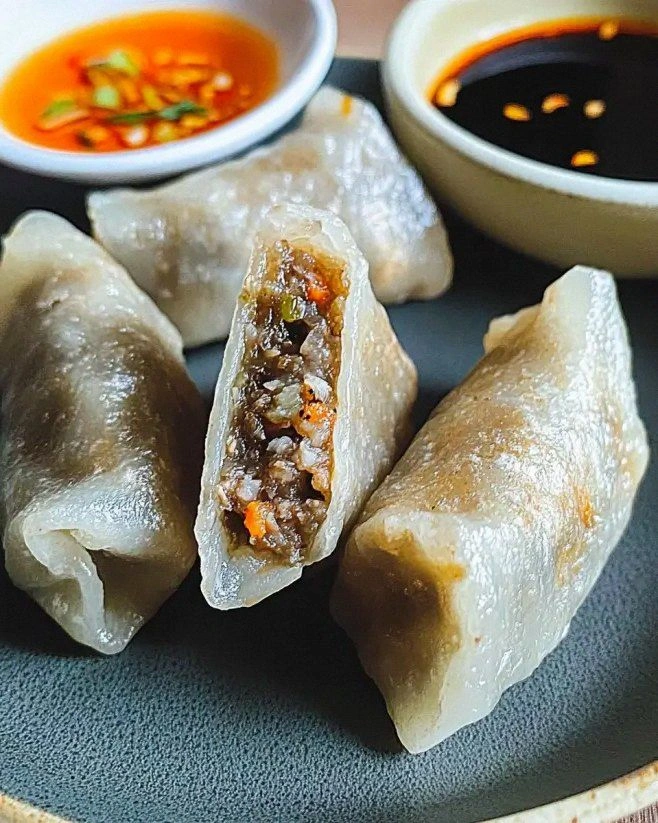
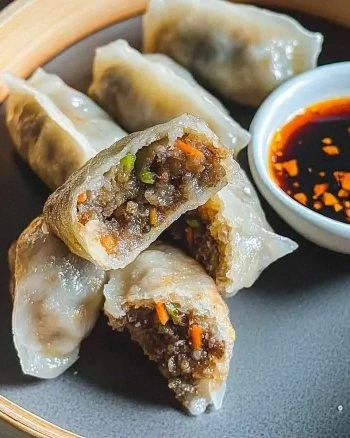
Picture this: the faint scent of sesame oil mingling with the bright aroma of fresh herbs, the gentle crackle as the rice paper hits a hot pan, and the satisfying snap of a perfectly sealed dumpling as you bite into it. The texture is a dance between the delicate, almost translucent wrapper and the crunchy‑fresh vegetables inside, while the protein adds a buttery richness that feels like a hug for your palate. The whole experience is like biting into a spring garden that decided to throw a party in your mouth. I dare you to taste this and not go back for seconds.
Most recipes get this completely wrong. They either drown the filling in sauce or over‑cook the wrapper until it turns rubbery. Here’s what actually works: a quick flash‑fry that gives the bottom a golden crisp while the top stays soft and pliable, a simple soy‑ginger‑garlic glaze that coats the dumpling like velvet, and a handful of fresh herbs that lift the whole thing into the stratosphere of flavor. I’ll be honest — I ate half the batch before anyone else got to try it, and that’s because the taste is that addictive. If you’ve ever struggled with soggy rice‑paper rolls, you’re not alone — and I’ve got the fix.
Now, let’s talk about the secret weapon that most people overlook: a splash of water in the pan at the very end. This tiny trick creates a steam pocket that revives any slight dryness, turning each bite into a juicy burst of freshness. Okay, ready for the game‑changer? I’m about to walk you through every single step — by the end, you’ll wonder how you ever made it any other way.
What Makes This Version Stand Out
- Freshness: The use of raw shredded vegetables keeps the filling crisp, creating a contrast that fried dumplings simply can’t match.
- Texture: A dual‑texture experience—crispy bottom, tender top—makes each bite feel like a surprise party in your mouth.
- Simplicity: No steaming baskets, no dough‑kneading marathons; just a pan, a bowl, and a handful of pantry staples.
- Versatility: Swap the protein, change the herbs, or go fully vegetarian—this canvas adapts to any craving.
- Speed: From prep to plate in under 45 minutes, perfect for weeknight cravings or impromptu gatherings.
- Visual Appeal: The translucent rice paper showcases the colorful filling, making it Instagram‑ready without any extra effort.
- Make‑Ahead Potential: You can assemble the dumplings ahead of time and finish them right before serving, saving you stress.
- Flavor Punch: A quick soy‑ginger glaze adds umami depth without overpowering the natural freshness of the veggies.
Inside the Ingredient List
The Flavor Base
Soy sauce is the backbone of this dish, delivering that salty‑umami punch that makes the filling sing. A single tablespoon is enough to coat every morsel without drowning the fresh crunch of the vegetables. If you’re watching sodium, opt for low‑sodium soy sauce and add a dash of fish sauce for depth. Skipping it would leave the dumplings tasting flat, like a song missing its chorus.
The Texture Crew
Shredded vegetables—think carrots, cabbage, and bell peppers—provide the essential crunch that contrasts with the soft rice paper. Two cups of this colorful mix bring both visual appeal and a burst of natural sweetness. If you don’t have fresh veggies, frozen julienne works, but be sure to thaw and pat dry; excess water will make the wrapper soggy. The protein, whether it’s shredded chicken, tofu, or shrimp, adds a buttery richness that balances the crisp veggies.
The Unexpected Star
Sesame oil is the secret whisper that elevates the entire profile. Just a teaspoon, toasted and fragrant, adds a nutty warmth that lingers on the palate. If you’re allergic or avoid oil, try a drizzle of avocado oil, though you’ll miss that signature sesame aroma. Fresh herbs—mint, cilantro, or Thai basil—are added at the end to inject a bright, herbaceous lift that makes the dumplings feel like spring.
The Final Flourish
The dipping sauce is where you get to play. A simple blend of soy sauce, a splash of rice vinegar, a pinch of sugar, and a drizzle of chili oil creates a sweet‑spicy dip that complements the dumplings perfectly. You can also serve a peanut‑ginger sauce for a richer experience. Without a dip, the dumplings still taste great, but the sauce adds that final layer of excitement that makes the dish unforgettable.
Everything's prepped? Good. Let’s get into the real action…
The Method — Step by Step
Gather all your ingredients within arm’s reach. This isn’t a scavenger hunt; it’s a choreography. Place the shredded vegetables in a large bowl, add the cooked protein, and sprinkle the minced garlic and ginger over the top. Drizzle the soy sauce, sesame oil, and toss everything together until the mixture looks glossy and cohesive. The aroma at this point should already be making your kitchen feel like a street market in Hanoi.
Fill a shallow dish with warm water (not boiling) and gently dip one rice paper wrapper for about 5 seconds. You want it pliable but not soggy—think of it like a yoga stretch, just enough to be flexible. Lay the softened wrapper on a clean, dry surface, and immediately start assembling the filling. Place about two heaping tablespoons of the mixture in the center, then add a few fresh herb leaves on top.
Kitchen Hack: Keep the water temperature consistent; if it’s too hot the wrapper will tear, too cold and it won’t become flexible.Fold the sides of the wrapper inward, then roll from the bottom up, sealing the dumpling like a little parcel. The rice paper sticks to itself as it cools, so you don’t need any extra adhesive. If you’re nervous about the seal, give the edge a quick press with a damp fingertip. This step is where the magic begins—watch the wrapper cling around the filling like a lover’s embrace.
Heat a non‑stick skillet over medium‑high heat and add a thin layer of oil—just enough to coat the bottom. When the oil shimmers, arrange the dumplings seam‑side down, leaving a little space between each. The sizzle should sound like a tiny fireworks display; that’s the signal that the bottom is forming a golden crust.
After about 2 minutes, when the edges start to turn opaque, carefully flip each dumpling using tongs. Add a splash (about 2 tablespoons) of water to the pan, then cover immediately with a lid. The steam will finish cooking the top while the bottom stays crisp. Let it steam for 3‑4 minutes; you’ll hear a faint hissing as the water evaporates—that’s the sound of perfection.
Kitchen Hack: Use a splatter guard when adding water to avoid a messy kitchen and keep the steam trapped.Now comes the trickiest part: removing the lid without scorching yourself. Watch Out: The pan will be hot and the steam can burn. Use a kitchen towel to protect your hand and lift the lid away from your face. Once the water has evaporated, remove the lid and let the dumplings sit for another minute so the bottom regains its crispness.
Watch Out: If you leave the water in too long, the bottom will become soggy and lose that coveted crunch.Once the water has vanished and the dumplings are golden brown on the bottom, gently slide them onto a serving platter. The top should be soft and slightly translucent, revealing the colorful filling inside. At this point, the scent of sesame and soy should be wafting through the kitchen, inviting everyone to gather around.
Serve immediately with the dipping sauce you prepared earlier. Encourage your guests to dip each dumpling, swirl it around, and then take a bite. The contrast of the crisp base, tender wrapper, and vibrant filling will explode in your mouth. This is the moment of truth—if you’ve followed every step, you’ll be rewarded with a dish that feels both familiar and wildly new.
Optional finishing touch: sprinkle a handful of toasted sesame seeds and a drizzle of extra soy‑ginger glaze over the top for an added layer of flavor and visual sparkle. This final flourish turns a simple plate into a celebration of texture, color, and aroma. And there you have it—rice paper dumplings that are as satisfying to make as they are to eat.
That's it — you did it. But hold on, I've got a few more tricks that'll take this to another level…
Insider Tricks for Flawless Results
The Temperature Rule Nobody Follows
Never start with a cold pan. A properly pre‑heated skillet ensures the first contact sizzles, creating that coveted golden crust instantly. If the pan is too cool, the dumpling will absorb oil and become greasy; too hot and the wrapper will burn before the filling warms through. I once tried to “save time” by turning the heat up high from the get‑go, and the result was a burnt bottom with a raw interior—definitely not the experience you want. Keep the heat at medium‑high, and adjust down a notch once the steam phase begins.
Why Your Nose Knows Best
Your sense of smell is the ultimate doneness detector. When the bottom turns a deep amber and you catch a nutty, toasted aroma, you know the crust is ready. If you’re still hearing a faint “wet” sizzle, give it another minute. Trusting your nose beats any timer because every stove and pan conducts heat differently.
The 5‑Minute Rest That Changes Everything
After you lift the lid and the water evaporates, let the dumplings rest for exactly five minutes before serving. This short pause allows the steam trapped inside to redistribute, ensuring the interior stays juicy while the bottom remains crisp. Skipping this rest is like serving a pizza straight out of the oven—still good, but you miss that perfect balance of texture.
Herb Timing: Add at the End
Fresh herbs lose their bright punch when cooked too long. Toss them in just before you fold the dumpling, or sprinkle them on top after plating. This preserves their aromatic oils, giving each bite a refreshing lift that cuts through the richness of the soy‑ginger glaze.
Water Splash – The Secret Steam Booster
A splash of water right after flipping creates a mini‑steam environment that finishes cooking the top without sogging the bottom. Think of it as a sauna for your dumplings; the heat penetrates quickly, while the oil keeps the base crisp. Too much water, however, will drown the crust, so stick to a tablespoon or two per batch.
Dipping Sauce Balance
The perfect dip is a harmony of salty, sweet, sour, and spicy. Start with equal parts soy sauce and rice vinegar, add a pinch of sugar, and finish with a drizzle of chili oil. Taste and adjust—if it’s too salty, a splash of water helps; if it’s too sour, a bit more sugar restores balance. Remember, the sauce should enhance, not overpower, the delicate flavors of the dumpling.
Creative Twists and Variations
This recipe is a playground. Here are some of my favorite ways to switch things up:
Spicy Sriracha Crunch
Swap the fresh herbs for chopped Thai basil and add a teaspoon of sriracha to the filling. The heat melds with the sesame oil, creating a tongue‑tingling experience that’s perfect for spice lovers. Serve with a cooling cucumber‑yogurt dip to balance the fire.
Thai Peanut Bliss
Replace the soy‑ginger glaze with a creamy peanut sauce made from peanut butter, lime juice, and a splash of coconut milk. Add shredded carrots and crushed peanuts to the filling for extra crunch. This variation feels like a Thai street market in a bite.
Mediterranean Medley
Use feta cheese, kalamata olives, and sun‑dried tomatoes as the core filling, and swap soy sauce for a light drizzle of olive oil and lemon zest. Fresh oregano replaces the usual herbs, giving the dumplings a bright, herbaceous profile that pairs beautifully with a tzatziki dip.
Breakfast Boost
Turn this into a morning treat by using scrambled eggs, chopped chives, and a dash of smoked paprika as the protein. Serve with a side of soy‑maple dipping sauce for a sweet‑savory twist that’s perfect alongside a cup of coffee.
Vegan Delight
Replace the cooked protein with marinated tofu cubes and add a splash of liquid aminos instead of soy sauce. Include sliced shiitake mushrooms for an umami boost. This version stays entirely plant‑based while delivering the same satisfying texture.
Storing and Bringing It Back to Life
Fridge Storage
Place cooked dumplings in an airtight container lined with parchment paper to prevent sticking. They keep fresh for up to three days. When you’re ready to eat, reheat gently in a skillet with a splash of water to revive the steam and restore that crisp‑soft contrast.
Freezer Friendly
Arrange the uncooked, folded dumplings on a baking sheet, making sure they don’t touch. Freeze for one hour, then transfer to a zip‑top bag. They’ll last for up to two months. To cook from frozen, add an extra minute to the steaming time and be sure the water in the pan is hot enough to generate steam immediately.
Best Reheating Method
The secret to perfect reheating is a quick pan‑sear followed by a brief steam. Heat a little oil, place the dumpling seam‑side down for 1‑2 minutes, then add a tablespoon of water, cover, and let steam for another minute. The result is a dumpling that tastes just as fresh as the day you made it.