I was standing in my kitchen on a rainy Saturday, staring at a half‑finished lemon cake that had collapsed like a sad soufflé. The scent of lemon was there, but the texture was a sad, dry crumb that made me wonder if I’d ever be able to bake something that actually feels like a hug. Then my roommate dared me, “Bet you can’t make a cupcake that makes people forget about their diet for an hour.” I laughed, I rolled up my sleeves, and I promised a batch that would make even the most skeptical sweet‑tooth say, “Whoa, that’s insane.” That night, I discovered the secret: a dash of pistachio for crunch, a splash of sour cream for moisture, and a raspberry filling that’s as bright as sunrise. The result? A cupcake so moist, so zesty, and so decadently filled that it practically sings “Encore!” every time you bite.
Picture this: the oven door swings open, a wave of citrus‑bright steam rolls out, and you hear the faint crackle of the cake edges pulling away from the pan like a well‑kissed lover. The cupcakes rise like tiny golden domes, their tops speckled with a whisper of zest that catches the light. You slide a piping bag filled with silky raspberry jam into the center, and when the knife cuts through, a ruby river gushes out, splashing against the pale lemon crumb. The aroma is a perfect duet—sharp lemon and sweet raspberry—while the pistachio crumbs on top add a buttery crunch that feels like the final applause. Your guests will be leaning over the plate, eyes wide, daring each other to take the first bite.
Most recipes out there try to be “easy” and end up sacrificing flavor or texture. They either give you a dry lemon cake that tastes like a lemon‑scented candle or a raspberry filling that’s runny and forgettable. This version flips that script. I’m talking about a batter that stays moist for days, a filling that sets just enough to hold its shape yet bursts with fresh fruit, and a buttercream that’s light enough to melt on your tongue but rich enough to keep you coming back for seconds. And the secret ingredient? A pinch of fine sea salt that makes every other flavor sing louder than a choir.
Okay, ready for the game‑changer? I’m about to walk you through every single step—mixing, baking, filling, frosting, and plating—so that by the end you’ll wonder how you ever made cupcakes any other way. I dare you to taste this and not go back for seconds. Let’s get started.
What Makes This Version Stand Out
- Moisture Mastery: The combination of sour cream, whole milk, and a splash of vegetable oil creates a batter that stays buttery soft for up to three days, unlike typical lemon cupcakes that dry out within hours.
- Flavor Explosion: Lemon zest and fresh lemon juice give an authentic citrus punch, while the raspberry filling adds a sweet‑tart contrast that makes every bite unforgettable.
- Crunch Factor: Lightly toasted pistachios are folded into the batter and sprinkled on top, delivering a nutty crunch that balances the soft crumb.
- Simple Yet Sophisticated: You don’t need a fancy stand mixer; a hand whisk and a sturdy bowl do the trick, making this recipe approachable for beginners and pros alike.
- Show‑Stopping Presentation: The bright pink raspberry core peeking through the lemon‑yellow cake looks like a mini sunrise—perfect for Instagram and for impressing that picky aunt.
- Make‑Ahead Magic: The cupcakes can be baked a day ahead, stored airtight, and filled right before serving, so you can focus on the party instead of the oven.
- Ingredient Integrity: Using cake flour ensures a tender crumb, while fresh lemons and real raspberries give natural flavors that artificial extracts can’t match.
- Versatile Base: Swap pistachios for toasted almonds or leave them out for a nut‑free version without compromising the cupcake’s structural integrity.
Inside the Ingredient List
The Flavor Base
Granulated Sugar: This is the backbone of sweetness for the batter. It also helps to aerate the butter when you cream them together, creating tiny air pockets that expand during baking. If you cut back on sugar, the cupcakes lose that tender crumb and become dense. A good swap is coconut sugar for a caramel note, but keep the quantity the same.
Lemon Zest & Fresh Lemon Juice: Zest brings the aromatic oils, while juice adds bright acidity that balances the sweetness. Fresh lemons are non‑negotiable—pre‑zested bags taste like dried herbs. If you’re out of lemons, a splash of Meyer lemon juice works, but the zest still needs to be fresh.
Vanilla Extract: A dash of pure vanilla deepens the flavor profile, making the lemon and raspberry sing together rather than compete. I always use the best quality vanilla; cheap imitation can leave a harsh aftertaste.
The Texture Crew
Cake Flour: Its lower protein content creates a lighter crumb compared to all‑purpose flour. If you only have all‑purpose, replace half of it with cornstarch to mimic cake flour’s softness. The flour is the canvas; skip it and you’ll end up with a dense, bread‑like cupcake.
Unsalted Butter & Vegetable Oil: Butter gives flavor, while oil adds moisture that butter alone can’t hold. The oil stays liquid at room temperature, preventing the cupcakes from drying out as they cool. For a coconut twist, swap the oil for melted coconut oil—just remember it adds a subtle coconut aroma.
Sour Cream: This dairy product is the secret to the “moist” claim. Its fat and acidity break down gluten, keeping the crumb tender. If you’re out of sour cream, Greek yogurt works as a 1:1 substitute, though the texture will be slightly tangier.
Whole Milk: Milk binds the dry ingredients and adds richness. Whole milk is ideal because its fat content contributes to a softer crumb. Skim milk can be used, but you’ll lose some of that buttery mouthfeel.
Large Egg: Eggs act as a binder and add structure. Room‑temperature eggs emulsify better, ensuring a uniform batter. If you’re vegan, replace each egg with a “flax egg” (1 tbsp ground flax + 3 tbsp water) and add an extra tablespoon of oil.
The Unexpected Star
Pistachios: Toasted and chopped, they give a nutty crunch that contrasts the soft crumb. They also add a subtle green hue that makes the cupcakes look fancy. For nut‑allergies, swap with toasted sunflower seeds or omit entirely; the cupcake will still rise beautifully.
Fresh or Frozen Raspberries (Filling): Raspberries provide the bright, tangy burst that cuts through the lemon sweetness. Fresh berries give the best texture, but frozen work just as well—just thaw and drain them first. If you prefer a smoother jam, blend the berries before cooking.
Granulated Sugar (Filling) & Cornstarch: Sugar sweetens the raspberry puree, while cornstarch thickens it without adding any flavor. The ratio is crucial: too much cornstarch makes the filling gummy; too little leaves it runny. A tip: dissolve cornstarch in a splash of water before adding to the hot berries to avoid lumps.
The Final Flourish
Unsalted Butter (Buttercream) & Powdered Sugar: Butter at room temperature whips into a light, airy base; powdered sugar dissolves without leaving a grainy texture. Together they create a frosting that’s silky, not gritty. If you prefer a less sweet frosting, cut the powdered sugar by a quarter and add a splash of heavy cream.
Heavy Cream: This adds richness and a glossy sheen to the buttercream. It also stabilizes the frosting, preventing it from weeping on warm days. For a lighter version, use half‑and‑half, but expect a slightly softer frosting.
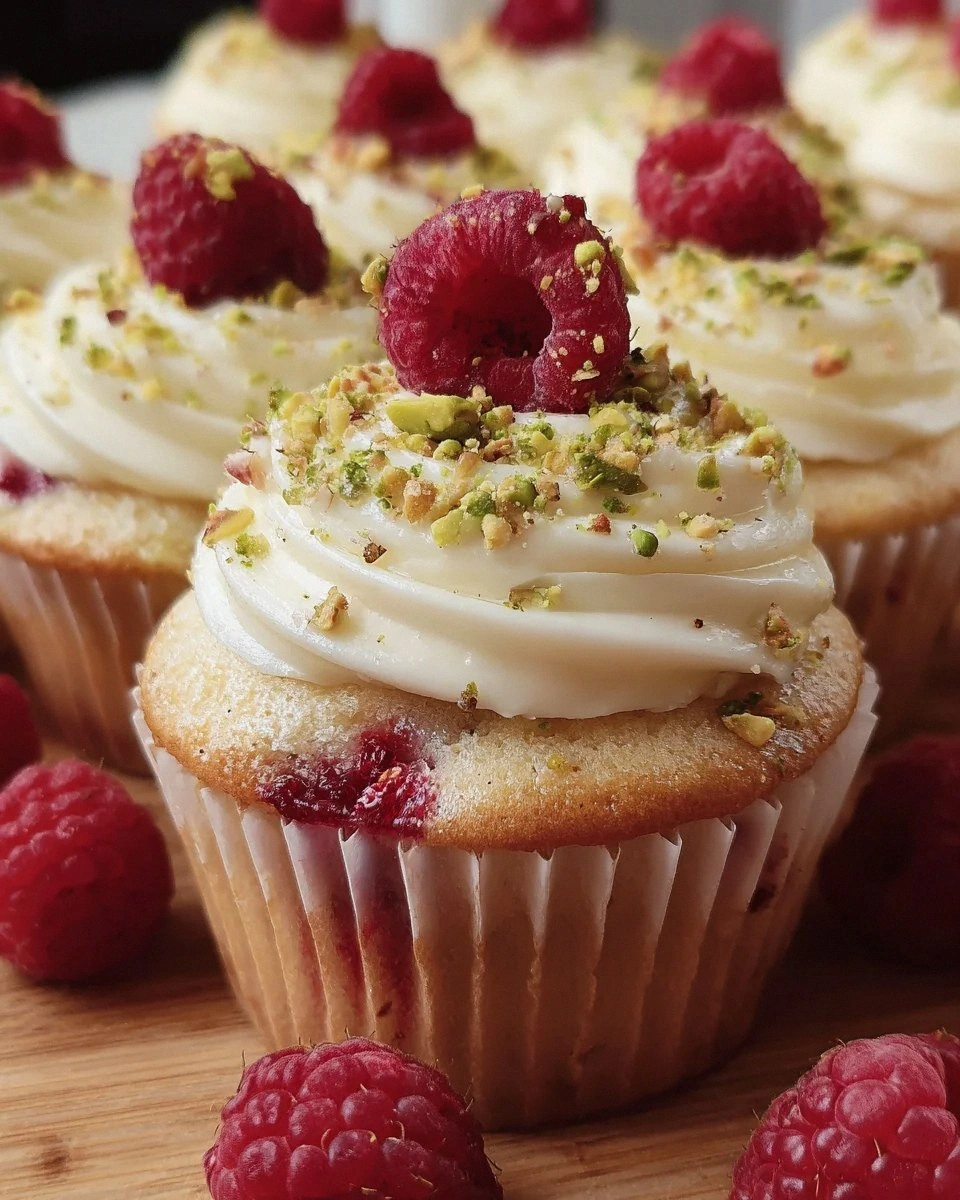
Chopped Pistachios and Fresh Raspberries (Decoration): These are the final visual and textural punch. The green pistachios contrast with the pink raspberries, creating a pop of color that makes the cupcakes look restaurant‑ready. Sprinkle just before serving to keep the pistachios crunchy.
Everything's prepped? Good. Let's get into the real action…
The Method — Step by Step
Preheat your oven to 350°F (175°C) and line a 12‑cup muffin tin with paper liners. While the oven warms, whisk together the cake flour, baking powder, and fine sea salt in a medium bowl. This dry mix ensures even distribution of leavening agents and prevents clumps of salt that could make the batter taste metallic.
Okay, ready for the game‑changer? In a separate large bowl, cream together 1 cup of unsalted butter with 1 ½ cups granulated sugar until the mixture is pale and fluffy—think cloud‑like, not just lightened. This step is where the texture magic begins.
Add the zest of two lemons and the juice of one whole lemon to the butter‑sugar mixture. The zest should be finely grated; any large pieces will give a bitter bite. As you stir, you’ll notice a fragrant citrus perfume rising—this is your first cue that the cupcakes are on the right track.
Beat in two large eggs, one at a time, making sure each egg is fully incorporated before adding the next. The batter should look smooth and glossy. Then stir in 1 ½ teaspoons of pure vanilla extract, which will round out the lemon’s sharp edges.
Now for the moisture duo: pour in ½ cup whole milk, ¼ cup vegetable oil, and ½ cup sour cream. Mix on low speed until just combined; over‑mixing will develop gluten and make the cupcakes tough. At this point, the batter should have a thick but pourable consistency—if it looks too thick, add a splash more milk.
Gently fold in the dry flour mixture using a rubber spatula. Stop mixing as soon as you no longer see streaks of flour. Over‑mixing is the villain of cupcake texture, turning a tender crumb into a dense cake.
Kitchen Hack: Add the toasted pistachios now, gently tossing them in so they stay whole and don’t break into dust.Spoon the batter into the prepared muffin cups, filling each about three‑quarters full. This leaves room for the cupcakes to rise without spilling over. Place the tin on the middle rack of the oven and bake for 18‑22 minutes. The edges should pull away slightly, and a toothpick inserted into the center comes out clean or with a few moist crumbs.
While the cupcakes bake, start the raspberry filling. In a small saucepan, combine 1 ½ cups fresh or frozen raspberries with ¼ cup granulated sugar and 2 tablespoons water. Bring to a simmer over medium heat, stirring occasionally. Once the berries break down, whisk in 1 tablespoon cornstarch dissolved in 2 tablespoons cold water. Cook for another 2‑3 minutes until the mixture thickens and becomes glossy.
Watch Out: Do not over‑cook the raspberry mixture; it will become gummy and lose its bright color.After cooking, strain the filling through a fine‑mesh sieve to remove seeds, then let it cool to room temperature. The cooling step is crucial because a hot filling will melt the buttercream later.
When the cupcakes are done, let them cool in the tin for 5 minutes, then transfer to a wire rack to cool completely. This prevents steam from making the bottoms soggy. While they cool, whip the buttercream: beat ½ cup softened unsalted butter until fluffy, then gradually add 2 cups powdered sugar, a pinch of salt, and 2 tablespoons heavy cream. Beat on high for 2‑3 minutes until the frosting is light and airy.
Now for the fun part. Using a small spoon or a piping bag fitted with a ½‑inch tip, create a small cavity in the center of each cupcake—just enough to hold about a teaspoon of raspberry filling. Fill each cavity with the cooled raspberry jam, then pipe or spread a generous swirl of buttercream on top. Garnish with a sprinkle of chopped pistachios and a fresh raspberry for that wow factor.
Kitchen Hack: Freeze the filled cupcakes for 15 minutes before frosting; the chilled interior holds the raspberry filling better, preventing it from leaking.
That's it — you did it. But hold on, I've got a few more tricks that'll take this to another level…
Insider Tricks for Flawless Results
The Temperature Rule Nobody Follows
Never bake cupcakes straight from the fridge. Let the batter sit at room temperature for at least 15 minutes before you pour it into the tin. This ensures the batter rises evenly and prevents the dreaded “sunken middle.” I once tried skipping this step, and the cupcakes looked like deflated balloons—definitely a lesson learned.
Why Your Nose Knows Best
When the cupcakes are about 12 minutes in, give your kitchen a sniff. If you catch a faint buttery aroma with a bright citrus note, they’re almost ready. Trust your nose more than the timer; ovens vary, and the scent is a reliable indicator of doneness.
The 5‑Minute Rest That Changes Everything
After removing the cupcakes from the oven, let them rest in the pan for exactly five minutes before transferring to a rack. This short rest lets the steam finish cooking the center gently, preventing a dry crumb. Skipping this step often leads to a cracked top—something I’ve seen happen far too often.
Buttercream Temperature Trick
If your buttercream looks too runny, pop the bowl in the freezer for 10 minutes, then re‑whip. The chilled butter will firm up, giving you a smooth spread without having to add extra powdered sugar. This hack saved my frosting on a humid summer day.
Seal the Deal with a Quick Chill
After frosting, place the cupcakes in the refrigerator for 20 minutes before serving. This sets the buttercream, making it easier to transport and giving the raspberry filling a chance to meld with the frosting. The result is a cupcake that looks professionally plated even after a few hours on the party table.
Taste Test Before the Party
Always slice one cupcake and taste the full flavor stack—lemon crumb, raspberry center, pistachio crunch, and buttercream. If any element feels out of balance, adjust the next batch: a pinch more sugar in the filling, a splash more lemon juice in the batter, or a handful of extra pistachios on top. This iterative approach guarantees perfection every time.
Creative Twists and Variations
This recipe is a playground. Here are some of my favorite ways to switch things up:
Berry Burst Remix
Swap raspberries for a mixed‑berry medley (strawberries, blueberries, blackberries). The varied colors create a stunning visual effect, and each bite offers a different fruit nuance. Use the same thickening method; you may need a tad more cornstarch for juicier berries.
Chocolate‑Lemon Fusion
Add ¼ cup cocoa powder to the dry ingredients for a chocolate‑lemon cupcake. Pair it with a dark chocolate ganache instead of buttercream, and keep the raspberry filling for that bright contrast. The result is a sophisticated flavor that feels like dessert at a fancy cocktail bar.
Tropical Twist
Replace lemon zest with lime zest and swap the raspberry filling for a mango‑passionfruit coulis. Garnish with toasted coconut flakes instead of pistachios. This version transports you straight to a beachside cabana.
Nut‑Free Delight
Omit pistachios and fold in toasted pumpkin seeds for a nut‑free crunch. The seeds have a milder flavor that lets the lemon and raspberry shine even brighter. Perfect for guests with nut allergies.
Spiced Autumn Version
Add a pinch of ground cinnamon and a dash of nutmeg to the batter, and swap the raspberry filling for an apple‑cranberry compote. This variation is perfect for fall gatherings and pairs beautifully with a caramel drizzle on top.
Storing and Bringing It Back to Life
Fridge Storage
Place the frosted cupcakes in an airtight container and store them in the refrigerator for up to 4 days. The buttercream stays firm, and the raspberry filling remains juicy. Before serving, let them sit at room temperature for 20 minutes to soften the frosting.
Freezer Friendly
Freeze unfrosted cupcakes on a baking sheet, then transfer to a zip‑top freezer bag. They keep for up to 2 months. When you’re ready, thaw overnight in the fridge, then frost and add the raspberry filling. This method ensures the cupcakes retain their fluffy texture.
Best Reheating Method
To revive refrigerated cupcakes, microwave them for 8‑10 seconds on low power, or warm in a 300°F oven for 5 minutes. Add a tiny splash of water to the oven tray—a quick steam burst revives the crumb without drying it out. The result is a cupcake that tastes fresh out of the oven.