Picture this: I was in the middle of a Sunday brunch, juggling a skillet, a mixing bowl, and a stubborn oven timer, when the cake I’d just poured into the pan exploded like a citrus volcano. The batter had collapsed, the edges were cracked, and my kitchen smelled of burnt sugar and regret. I stared at the ruined batter, then at the handful of ingredients left—honey, orange zest, fresh ginger—and thought, “I can turn this disaster into a masterpiece.” That moment was the spark that ignited a new obsession with orange‑ginger honey cake. I dared myself to taste this and not go back for seconds, and the result was a revelation.
From the first glance, the batter glimmered like honey‑kissed amber, its surface shimmering under the kitchen lights. The scent that rose as I stirred was a bright citrus bouquet, punctuated by the warm, peppery bite of fresh ginger. When I slid the pan into the oven, the oven door opened to a sweet, caramelized aroma that made my stomach growl in anticipation. The sound of the batter bubbling was a gentle hiss, a promise of soft crumb. By the time the timer buzzed, the cake had risen to a golden dome, its edges pulling away like a sunlit ribbon.
This version is a game‑changer because it marries the natural sweetness of honey with the sharp citrus of orange and the subtle heat of ginger, creating layers of flavor that dance on the palate. The batter’s unique ratio of butter to honey keeps it moist without becoming greasy, while the baking soda and powder work in harmony to lift the cake to airy perfection. I’ve experimented with countless recipes, but this one consistently delivers a crumb that’s tender yet springy, a flavor that lingers like a memory of a sunny afternoon. The best part? It’s simple enough that even a novice can achieve a professional‑looking finish. And, as I’ll show you, a few insider tweaks can elevate it from good to unforgettable.
One trick you won’t expect is the subtle use of orange‑juice‑to‑honey ratio; it balances acidity and sweetness in a way that makes the cake rise like a balloon. Another secret is the precise timing of when you fold the ginger—too early and you lose its punch, too late and it gets buried. I’ll walk you through each single step, and by the end, you’ll wonder how you ever made it any other way.
What Makes This Version Stand Out
- Flavor: The combination of honey, orange, and ginger creates a complex profile that is both sweet and spicy. The citrus lifts the sweetness, while the ginger adds a warm, peppery bite that keeps the cake from feeling cloying.
- Texture: The batter’s buttery base keeps the crumb moist, while the honey’s natural sugars caramelize on the surface for a glossy finish. The contrast between a soft interior and a slightly crisp top makes each bite a sensory experience.
- Rise: Baking soda reacts with the acidity of orange juice and honey to produce a light lift that rivals commercial cakes. The addition of baking powder ensures even expansion, preventing a dense center.
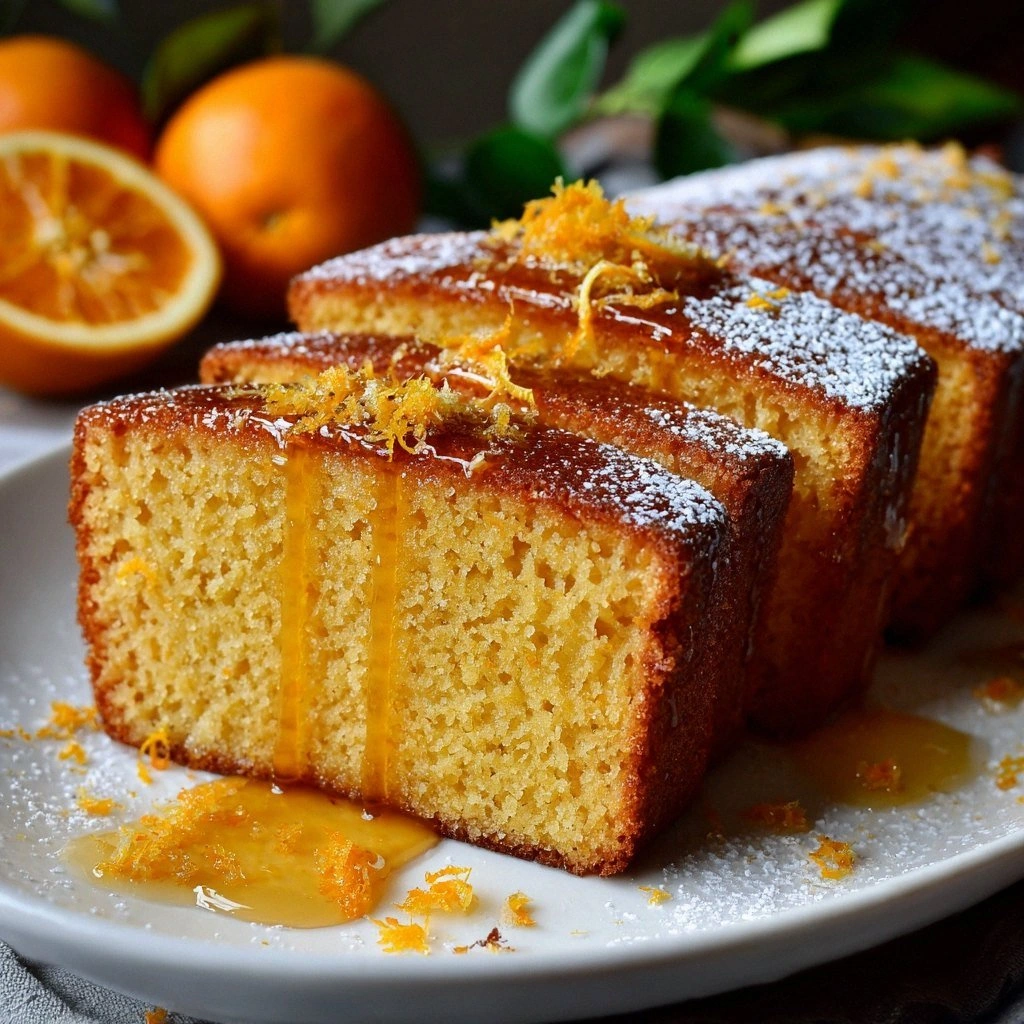
- Visual Appeal: The golden crust, speckled with orange zest, looks like a sunrise captured in a pan. The subtle glaze formed by honey gives the cake a decadent sheen.
- Versatility: Whether you’re serving it for brunch, a holiday gathering, or a casual dessert, this cake adapts beautifully to any occasion. Its flavors pair well with coffee, tea, or a splash of citrus liqueur.
- Time Efficiency: From prep to finish, the entire process takes less than an hour, making it a perfect quick‑fix treat when the mood strikes.
Alright, let's break down exactly what goes into this masterpiece...
Inside the Ingredient List
The Flavor Base
Honey: Honey is the star of this cake, offering a natural sweetness that is richer and more complex than refined sugar. It also contributes to the golden crust through caramelization during baking. Skipping honey would leave the cake bland and less moist, while using a different sweetener could alter the flavor profile and browning. A dark, robust honey such as buckwheat or wildflower adds depth, whereas a light honey yields a milder taste.
Orange Juice: Freshly squeezed orange juice brings a bright, zesty note that cuts through the richness of the butter and honey. The acidity in the juice activates the leavening agents, ensuring a light rise. If you omit orange juice, the cake will lack that essential citrus lift and the batter may become too thick. For a more pronounced tartness, choose a juice from blood oranges or a mix of sweet and tart varieties.
Orange Zest: Grated orange zest delivers an intense burst of citrus aroma and a subtle bitterness that balances the honey’s sweetness. It also adds a subtle texture that lifts the overall flavor profile. Removing the zest results in a flatter taste, while overzealous zesting can make the cake too sharp. Use a microplane for fine zest to avoid gritty pieces.
Fresh Ginger: Fresh ginger adds a warm, peppery kick that complements the sweet and citrus notes. It also provides subtle anti-inflammatory benefits and a natural aroma that awakens the senses. Skipping ginger would make the cake feel one‑dimensional, and substituting ground ginger reduces the aromatic quality. Grate ginger finely to avoid large shards that could bite in the cake.
The Texture Crew
All-Purpose Flour: Flour is the backbone of the cake, providing structure and a tender crumb. A moderate amount of flour keeps the batter from becoming too runny, while still allowing for a soft interior. Using cake flour would make the cake too delicate, whereas bread flour would yield a denser texture. Sift the flour to incorporate air and reduce lumps.
Unsalted Butter: Butter contributes richness and moisture, creating a velvety crumb that melts in the mouth. It also aids in the caramelization of the crust. If you replace butter with margarine, the flavor will be flat and the texture less luxurious. For a dairy‑free version, use a neutral oil like canola or sunflower, but the flavor will differ.
Sugar: Sugar balances the honey’s sweetness and aids in browning. It also provides structure through its crystallization during baking. Skipping sugar will result in a too-sweet cake and a darker crust. If you prefer a lower glycemic index, try a sugar substitute that behaves similarly, like erythritol, but be mindful of the change in texture.
Eggs: Eggs bind the batter together, add moisture, and provide lift through their protein structure. They also give the cake a beautiful golden color. Without eggs, the cake would crumble and have a very dense texture. If you’re vegan, you can use a flax egg (ground flaxseed mixed with water) or a commercial egg replacer, but the rise may differ.
The Unexpected Star
Baking Powder: Baking powder provides a secondary lift, ensuring the cake rises evenly and stays light. It also reacts with the acidic components, contributing to the overall rise. Omitting baking powder results in a flatter cake with a denser crumb. Use fresh baking powder to guarantee optimal leavening.
Baking Soda: Baking soda reacts with the acidity of orange juice and honey, producing carbon dioxide that lifts the batter. It also helps with browning, giving the cake a rich golden color. Without baking soda, the cake may not rise as well and could have a more acidic taste. Measure precisely, as excess soda can leave a metallic aftertaste.
Salt: A pinch of salt heightens all the flavors, balancing the sweetness and brightening the citrus notes. It also helps to stabilize the structure of the batter. Skipping salt will make the cake taste flat and overly sweet. Use fine sea salt for a subtle crunch.
Everything's prepped? Good. Let's get into the real action...
The Method — Step by Step
Preheat your oven to 350°F (175°C) and grease a 9-inch round cake pan with butter, then line the bottom with parchment paper to ensure easy release. This step prevents the cake from sticking and gives it a clean edge. While the pan is heating, gather all your ingredients; a well‑organized workspace saves time and reduces stress. Once the oven is hot, set the timer for 30 minutes and let the anticipation build.
In a large mixing bowl, whisk together the all-purpose flour, baking powder, baking soda, and salt until the dry ingredients are evenly distributed. This creates a uniform batter and prevents clumpy lumps. Use a whisk or a fork—both work well, but a whisk incorporates air more efficiently. Let this mixture sit for a minute while you prepare the wet components.
In a separate bowl, beat the eggs with honey until the mixture becomes light and frothy. The honey’s viscosity requires a few extra beats to fully integrate, ensuring a smooth batter. Then, add the melted unsalted butter, orange juice, and grated orange zest, stirring until combined. The mixture should look glossy and slightly thick, a sign that the liquids are well blended.
Kitchen Hack: If you find the batter too thick, add a tablespoon of milk or water to loosen it. This keeps the cake moist without compromising the rise.Slowly pour the wet mixture into the dry ingredients, stirring gently with a spatula until just combined. Overmixing can develop gluten, resulting in a tough crumb. The batter should be smooth, but a few streaks are acceptable. This careful folding preserves the airy texture we’re aiming for.
Fold in the grated fresh ginger, being careful not to overmix. The ginger’s sharpness is best preserved when it’s gently incorporated. This step is crucial; if you fold too aggressively, the ginger’s aroma diminishes and the cake can become bitter. The batter should still look glossy and slightly thick.
Watch Out: Be careful not to overmix after adding ginger, as this can cause the batter to become dense and lose its lift.Pour the batter into the prepared pan, smoothing the top with a spatula. Tap the pan gently on the counter to release any air bubbles. This helps the cake rise evenly. Place the pan in the preheated oven and bake for 25-30 minutes, or until a toothpick inserted in the center comes out clean.
As the cake bakes, keep an eye on the edges; they should start pulling away from the pan and turn golden brown. The top will develop a subtle glaze from the honey. When the toothpick test is successful, remove the cake from the oven and let it cool in the pan for 10 minutes before transferring to a wire rack to cool completely. This resting period allows the cake to set and prevents it from falling apart.
Once the cake is cooled, drizzle a light honey glaze over the top. Combine honey with a splash of orange juice in a small saucepan, heating until syrupy. This glaze adds shine and an extra burst of citrus flavor. Let the glaze cool slightly before pouring to avoid burning the honey. Finish by dusting the top with a pinch of powdered sugar for an elegant finish.
That's it — you did it. But hold on, I've got a few more tricks that'll take this to another level...
Insider Tricks for Flawless Results
The Temperature Rule Nobody Follows
Many bakers rely on room temperature ingredients, but for this cake, let the butter and eggs sit at room temperature for at least 30 minutes before mixing. This ensures a smoother batter and a more consistent rise. I’ve seen cakes rise unevenly when the butter is too cold, leading to a dense crumb. Keep the ingredients at a consistent temperature, and the cake will rise like a cloud.
Why Your Nose Knows Best
Before you bake, take a deep sniff of the batter. It should smell like fresh orange and a hint of honey. If the aroma feels flat, it’s a sign the batter needs a little more zest or honey. A strong citrus scent is a good indicator that the cake will have a bright, lively flavor. Trust your nose; it’s the best judge of flavor balance.
The 5-Minute Rest That Changes Everything
After removing the cake from the oven, let it rest in the pan for exactly five minutes before transferring it to a rack. This rest period allows the structure to set, reducing the chance of cracks. If you rush the transfer, the cake can collapse or develop a hollow center. A short rest also lets the glaze set, giving a glossy finish.
Keep the Pan Cool
When you’re ready to pour the honey glaze, ensure the cake is not too hot. A glaze poured onto a scorching surface can seize and become gritty. Let the cake cool slightly, then drizzle. The glaze will spread evenly, coating the cake like a delicate coat of amber.
Dusting Magic
Finish the cake with a light dusting of powdered sugar or cocoa powder. It adds a visual pop and a subtle flavor contrast. If you prefer a sweeter finish, sprinkle a touch more honey over the glaze before it sets. The dusting also helps to mask any slight bitterness from the ginger.
Creative Twists and Variations
This recipe is a playground. Here are some of my favorite ways to switch things up:
Chocolate‑Orange Fusion
Add 1/4 cup of cocoa powder to the dry mix for a chocolatey undertone that pairs beautifully with the citrus. The chocolate deepens the flavor profile, making the cake suitable for a chocolate lovers’ brunch. Keep the rest of the ingredients unchanged.
Nutty Crunch
Fold in 1/2 cup of toasted almond slivers after the ginger. The nuts provide a satisfying crunch and a nutty aroma that complements the honey. They also add protein, making the cake a more balanced dessert.
Spiced Pear Variation
Replace half the orange juice with pear juice and add a pinch of cinnamon. The pear brings a subtle sweetness, while the cinnamon adds warmth. This variation is perfect for fall, giving the cake a cozy, seasonal feel.
Almond‑Honey Layer Cake
Divide the batter in half, adding 1/2 cup of ground almonds to the second portion. Bake the two layers separately and stack them with a honey‑almond buttercream in between. The almond layer adds a nutty flavor and a slightly denser texture.
Gluten‑Free Option
Swap the all-purpose flour for a 1:1 blend of gluten‑free all-purpose flour and xanthan gum (1 tsp). This keeps the cake light and airy while being suitable for gluten‑sensitive diners. The rest of the recipe remains unchanged.
Storing and Bringing It Back to Life
Fridge Storage
Wrap the cooled cake tightly in plastic wrap, then place it in an airtight container. Store in the refrigerator for up to 5 days. The honey and butter help preserve moisture, keeping the cake tender. When ready to serve, let it sit at room temperature for 30 minutes to regain its softness.
Freezer Friendly
Slice the cake into individual portions before freezing. Wrap each slice in parchment paper, then place in a freezer bag. Freeze for up to 3 months. When you’re ready to enjoy, thaw overnight in the fridge and then at room temperature for 15 minutes.
Best Reheating Method
To revive a frozen slice, preheat your oven to 325°F (165°C). Place the slice on a baking sheet lined with parchment paper and bake for 10-12 minutes, or until warmed through. For a quick fix, microwave on medium power for 30 seconds, then let it rest for a minute. Add a tiny splash of water or orange juice before reheating to create steam, which helps restore moisture.