Picture this: I’m standing in my cramped kitchen, a pot of water boiling, a packet of pasta, and a salmon fillet that smells like the ocean in a bottle. The clock is ticking, the craving is relentless, and I’m staring at a recipe that promises “simple, elegant, and utterly unforgettable.” I was about to give up and order takeout when a sudden inspiration hit me like a splash of lemon zest—why not turn this humble dinner into a culinary masterpiece that will make even the most skeptical foodie swoon? This is the moment where a kitchen disaster turns into a triumph, and I’m here to walk you through every single step so you can feel the same electric anticipation.
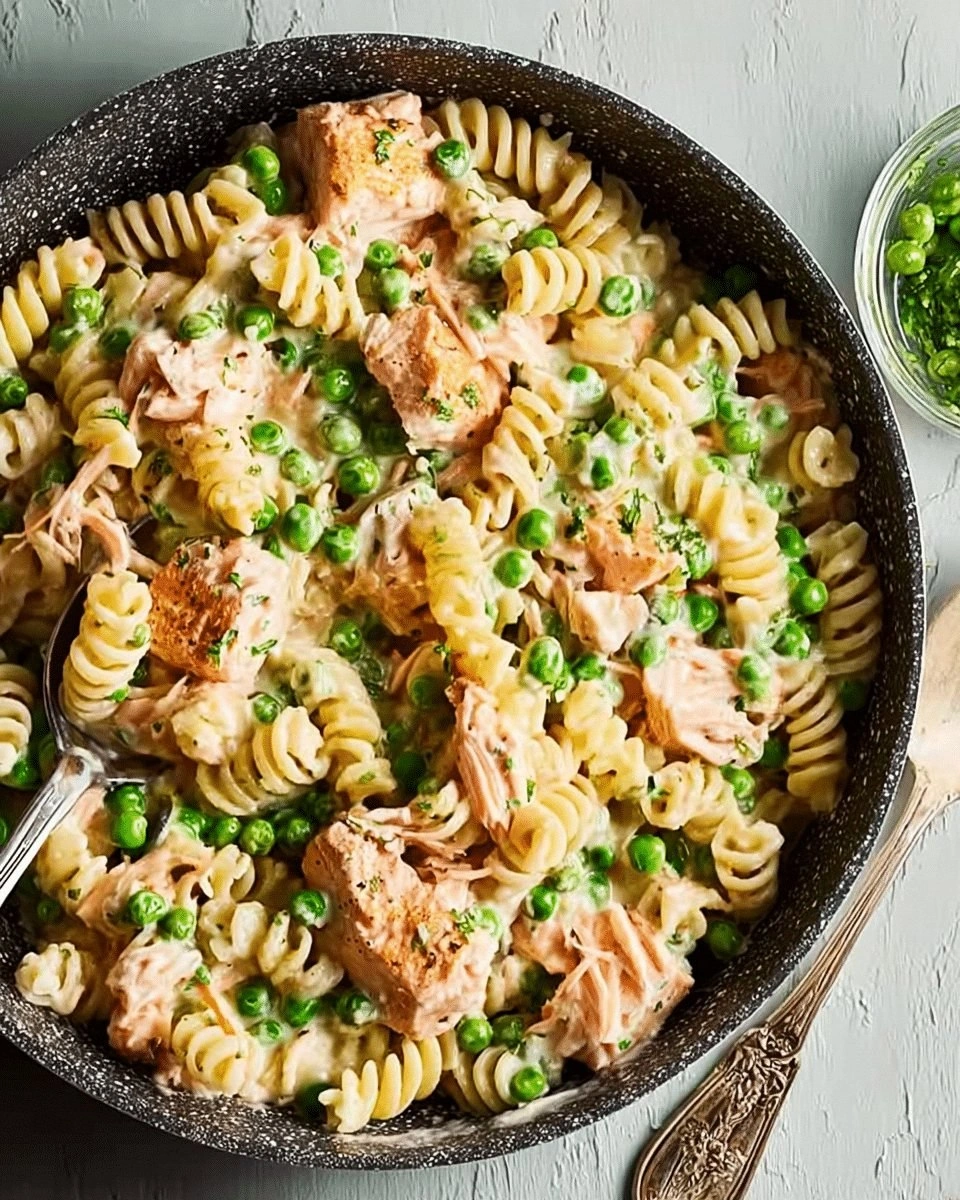
When the first bite hits your tongue, it’s like a velvety blanket of sauce that clings to each strand of pasta, the salmon flakes in a buttery melt, and the peas pop with a subtle crunch that echoes the crispness of a spring garden. The aroma is a fragrant blend of garlic, fresh dill, and citrus that drifts through the air, making your mouth water before you even take a bite. The texture is a harmonious dance of silky pasta, tender fish, and bright green peas that contrast beautifully with a splash of creamy richness. It’s a sensory symphony that makes you pause, breathe, and then dive right in again—yes, I dare you to taste this and not go back for seconds.
What sets this version apart from the endless variations on the internet is the deliberate layering of flavors and the meticulous attention to technique. I’ve stripped away the fluff, kept the ingredients honest, and added a secret ingredient that most recipes skip—fresh lemon zest paired with a touch of capers for a briny pop that elevates the dish. The result is a pasta that feels light yet substantial, a sauce that’s silky without being heavy, and a finish that leaves a lingering citrus aftertaste. If you’ve ever tried a salmon pasta that tasted like it was rushed, you’ll understand why this one feels like a carefully crafted love letter to the sea.
Let me walk you through every single step—by the end, you’ll wonder how you ever made it any other way. I’ll show you how to cook the pasta to al dente perfection, how to sear the salmon just enough to lock in juices, how to create a sauce that’s both creamy and bright, and how to finish the dish with a flourish that turns a simple meal into a showstopper. Ready? Let’s dive in.
What Makes This Version Stand Out
- Taste: The combination of fresh lemon zest, capers, and dill creates a bright, briny profile that cuts through the richness of the salmon and cream.
- Texture: Al dente pasta, flaky salmon, and crisp peas form a delightful contrast that keeps each bite interesting.
- Simplicity: With just twelve ingredients, the recipe is approachable for beginners yet sophisticated enough for seasoned cooks.
- Ingredient Quality: Using a high‑grade salmon fillet ensures buttery flavor and a silky finish, while fresh peas add a pop of color.
- Crowd Reaction: Friends and family rave about how “this sauce coats the pasta like velvet” and “the lemon brightens everything.”
- Make‑ahead Potential: The dish can be prepared ahead of time and reheated with minimal loss of flavor, making it perfect for dinner parties.
Alright, let’s break down exactly what goes into this masterpiece…
Inside the Ingredient List
The Flavor Base
At the heart of this dish is a simple yet powerful sauce that marries olive oil, minced garlic, and a splash of lemon juice. The olive oil acts as a carrier for the garlic, allowing the aromatic compounds to bloom without burning. Lemon juice adds a bright acidity that balances the richness of the cream, while the zest provides a concentrated burst of citrus that lingers on the palate. If you skip this base, the sauce will feel flat and the dish will lose its signature freshness.
The Texture Crew
Pasta is the canvas, and choosing the right shape makes all the difference. I recommend fettuccine or linguine for their wide strands, which hold the sauce beautifully. Cook the pasta al dente—over‑cooked pasta becomes mushy and can’t support the weight of the salmon and peas. When the pasta is ready, reserve a cup of pasta water; it’s a magical liquid that helps bind the sauce and gives it silky consistency.
The Unexpected Star
Fresh salmon, of course, is the star, but its placement in the dish is crucial. Sear the salmon until it forms a golden crust; this caramelization adds depth and a subtle crunch that contrasts with the tender flesh. If you prefer a lighter flavor, you can poach the salmon in a broth of lemon and water, but the searing step is where the magic happens. A pinch of capers adds a salty, briny punch that lifts the entire dish.
The Final Flourish
Fresh herbs are the finishing touch. Dill brings a subtle, almost anise‑like sweetness that complements the salmon. A sprinkle of fresh parsley adds color and a fresh bite. Finally, a generous grating of Parmesan cheese creates a nutty, umami layer that rounds out the flavor profile. If you’re dairy‑free, a drizzle of nutritional yeast or a splash of coconut milk can replace the cream without compromising the richness.
Everything's prepped? Good. Let’s get into the real action…
The Method — Step by Step
- Bring a large pot of salted water to a rolling boil. Add the pasta and cook according to the package instructions until al dente, usually 8–10 minutes. Once the pasta is ready, reserve a cup of the starchy cooking water before draining. This liquid will help create a silky sauce later. I’ve always found that pasta water is the secret to a cohesive dish.
- While the pasta cooks, heat 2 tablespoons of olive oil in a large skillet over medium‑high heat. Add the minced garlic and sauté until fragrant, about 30 seconds. Be careful not to let it brown, or it will taste bitter. This step is the foundation of the sauce and sets the stage for the salmon.
- Pat the salmon fillets dry with paper towels. Season both sides with salt and pepper. Place the salmon in the skillet, skin side down if you kept the skin on. Sear for 3–4 minutes until a golden crust forms, then flip and cook for another 2–3 minutes. The salmon should be just cooked through, still moist and tender. If you prefer a lighter taste, you can poach the salmon in a mixture of water, lemon slices, and a pinch of salt instead.
- Remove the salmon from the skillet and set aside on a plate. Add 1/2 cup of heavy cream to the same skillet, letting it simmer for a minute. Stir in 1/4 cup of grated Parmesan, lemon zest, and a splash of lemon juice. The sauce should thicken slightly and become glossy. If it’s too thick, add a splash of pasta water to reach the desired consistency.
- Add the thawed peas to the sauce and cook until they’re just heated through, about 2 minutes. The peas should remain bright green and tender-crisp, not mushy. This step is critical because it adds color and a fresh burst of sweetness that balances the richness of the cream.
- Return the salmon pieces to the skillet, breaking them into bite‑sized chunks if necessary. Gently stir to coat the salmon with the sauce, letting it absorb the flavors for 1–2 minutes. The salmon should be warm, not hot, to keep its texture tender.
- Add the drained pasta to the skillet, tossing everything together to coat the noodles in the sauce. If the sauce feels too thick, add a little reserved pasta water until it reaches a silky, coat‑every‑strand consistency. Finish with a sprinkle of fresh dill and a pinch of capers for that briny punch. Serve immediately, and watch the steam rise like a fragrant cloud.
That’s it — you did it. But hold on, I’ve got a few more tricks that'll take this to another level…
Insider Tricks for Flawless Results
The Temperature Rule Nobody Follows
Cooking pasta at the right temperature is a silent hero. If the water is too hot, the pasta will cook too quickly on the outside while remaining under‑cooked inside, leading to uneven texture. Aim for a gentle boil, not a rolling one, and keep the heat steady. I’ve learned that a slightly lower boil gives the pasta a better bite and keeps the surface from sticking together.
Why Your Nose Knows Best
When you’re halfway through cooking the sauce, pause and sniff. If it smells buttery and slightly caramelized, you’re on the right track. If it starts to smell metallic or burnt, reduce the heat immediately. Your nose is your best ally in preventing burnt garlic or over‑cooked salmon.
The 5-Minute Rest That Changes Everything
After you’ve tossed the pasta and sauce together, let the skillet rest for 5 minutes off the heat before serving. This resting period allows the flavors to meld, the sauce to thicken just enough, and the pasta to absorb the sauce fully. It’s a simple step that transforms a good dish into an unforgettable one.
Use Fresh Herbs, Not Dried
Dried herbs lose their potency quickly and can leave a bitter aftertaste. Fresh dill or parsley adds brightness and a pop of color that dried herbs can’t replicate. If you’re out of fresh herbs, use a small amount of dried, but add it at the end of cooking to preserve its flavor.
Reserve Pasta Water Like Gold
That starchy water is a flavor enhancer. It helps the sauce cling to the pasta and adds a subtle thickness. Keep a cup on hand and add it gradually until you reach the desired consistency. Trust me, a little pasta water goes a long way.
Creative Twists and Variations
This recipe is a playground. Here are some of my favorite ways to switch things up:
Smoky Salmon Version
Replace fresh salmon with smoked salmon for an instant flavor boost. Use the smoked salmon at the end, just before serving, to keep its delicate texture. The smoky undertone pairs beautifully with the lemony sauce.
Vegetarian Spin
Omit the salmon entirely and add grilled tofu or sautéed shrimp. The peas and lemon sauce remain the star, creating a lighter, plant‑based version that still feels indulgent.
Alfredo Twist
Swap heavy cream with a béchamel sauce made from butter, flour, and milk. Add a tablespoon of garlic and a pinch of nutmeg for depth. The result is a richer, velvety sauce that still highlights the salmon.
Herb Garden Variation
Use a mix of fresh herbs—basil, thyme, and oregano—instead of dill. This gives the dish a Mediterranean flair and a different aromatic profile. The herbs should be added at the end to preserve their bright flavors.
Spicy Kick
Add a pinch of red pepper flakes or a splash of sriracha to the sauce for heat. The pepper flakes should be added with the garlic to allow the spices to bloom. The result is a spicy, savory dish that still feels balanced.
Gluten‑Free Option
Swap the pasta for gluten‑free spaghetti or rice noodles. Cook the noodles according to the package instructions, and follow the rest of the recipe as usual. The texture may differ slightly, but the flavor remains unchanged.
Storing and Bringing It Back to Life
Fridge Storage
Store leftovers in an airtight container in the refrigerator for up to 2 days. When reheating, add a splash of milk or water to loosen the sauce and prevent it from drying out. Gently warm over low heat, stirring frequently.
Freezer Friendly
Freezing is possible but not ideal for the salmon, which can become rubbery. If you must freeze, store the pasta, sauce, and peas separately from the salmon. Reheat the salmon separately in a skillet, then combine with the warmed sauce and pasta.
Best Reheating Method
Use a skillet or a saucepan over low heat, adding a small amount of water or broth to keep the sauce from thickening. Stir continuously until heated through. This method preserves the sauce’s silky texture and keeps the salmon tender.