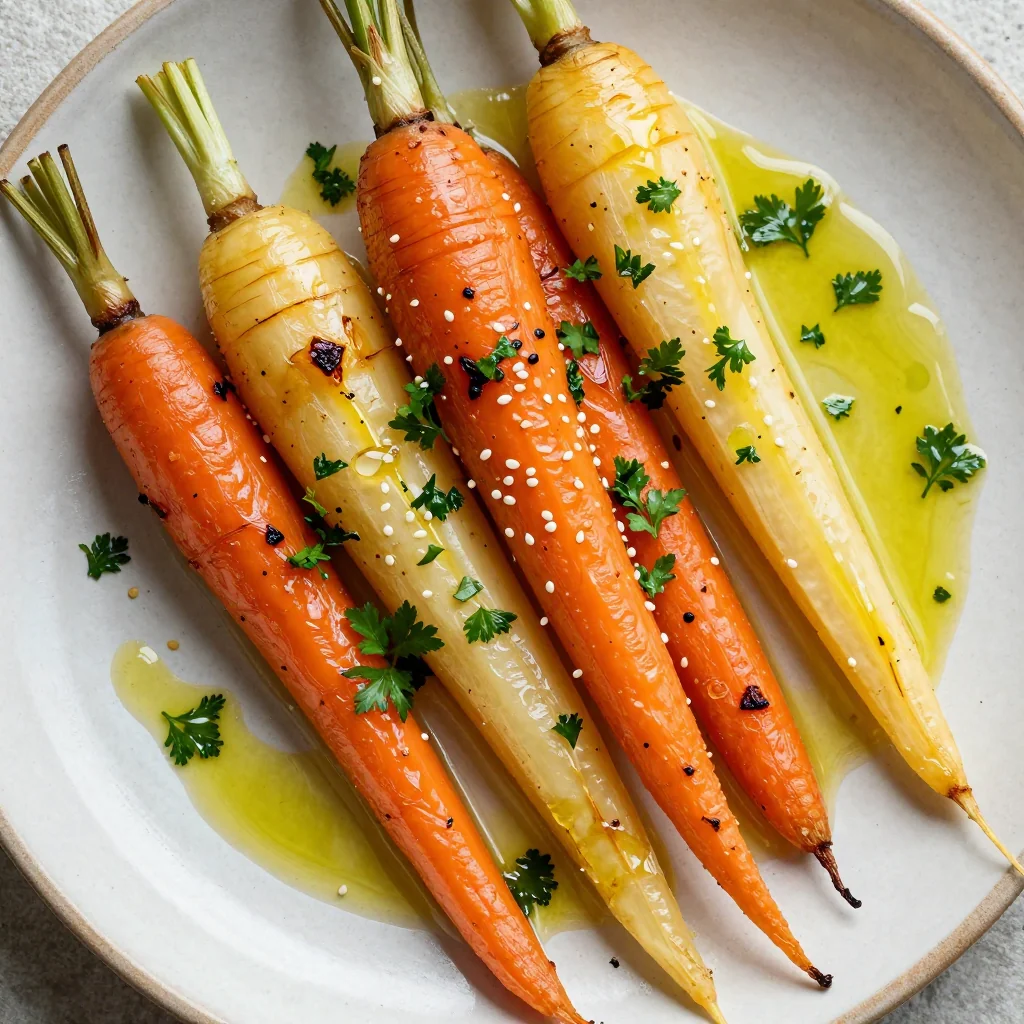
Love this? Pin it for later! 📌
Warm Lemon-Garlic Roasted Carrots & Parsnips for Clean January Meals
After the confetti settles and the last cookie crumb has disappeared, my kitchen always craves something bright, something honest—something that tastes like a deep breath on a frosty morning. That’s exactly when I reach for this sheet-pan miracle: carrots and parsnips roasted until their edges caramelize into candy-sweet coins, then tossed while still sizzling with a lemon-garlic vinaigrette that smells like sunshine in February. My grandmother called parsnips “winter’s hidden candy,” and when I watched her slide them alongside carrots into a wood-fired oven, I never imagined I’d still be chasing that memory in my own urban kitchen decades later. This recipe is my week-day love letter to her, to new beginnings, and to anyone who thinks “clean eating” has to be boring. We serve it as a vegetarian main over fluffy quinoa with a snowfall of toasted pumpkin seeds, or as a confident side to simple fish. Either way, it’s the edible equivalent of turning the page to a fresh chapter—vibrant, nourishing, and just indulgent enough to keep January blues at bay.
Why This Recipe Works
- High-heat roasting: Concentrates natural sugars, creating crisp-tender vegetables without any added sweeteners.
- Post-roast lemon bath: Adding citrus after the oven prevents bitterness and keeps flavors vivid.
- Two-tempo cutting: Slim carrot coins roast in the same time as halved parsnips for perfect doneness.
- Cast-iron optional: Works on any dark sheet pan, but cast-iron edges give extra char.
- Meal-prep hero: Holds beautifully for four days, becoming more lemon-kissed each day.
- Budget-friendly: Two pounds of humble roots feed six hungry adults for under five dollars.
Ingredients You'll Need
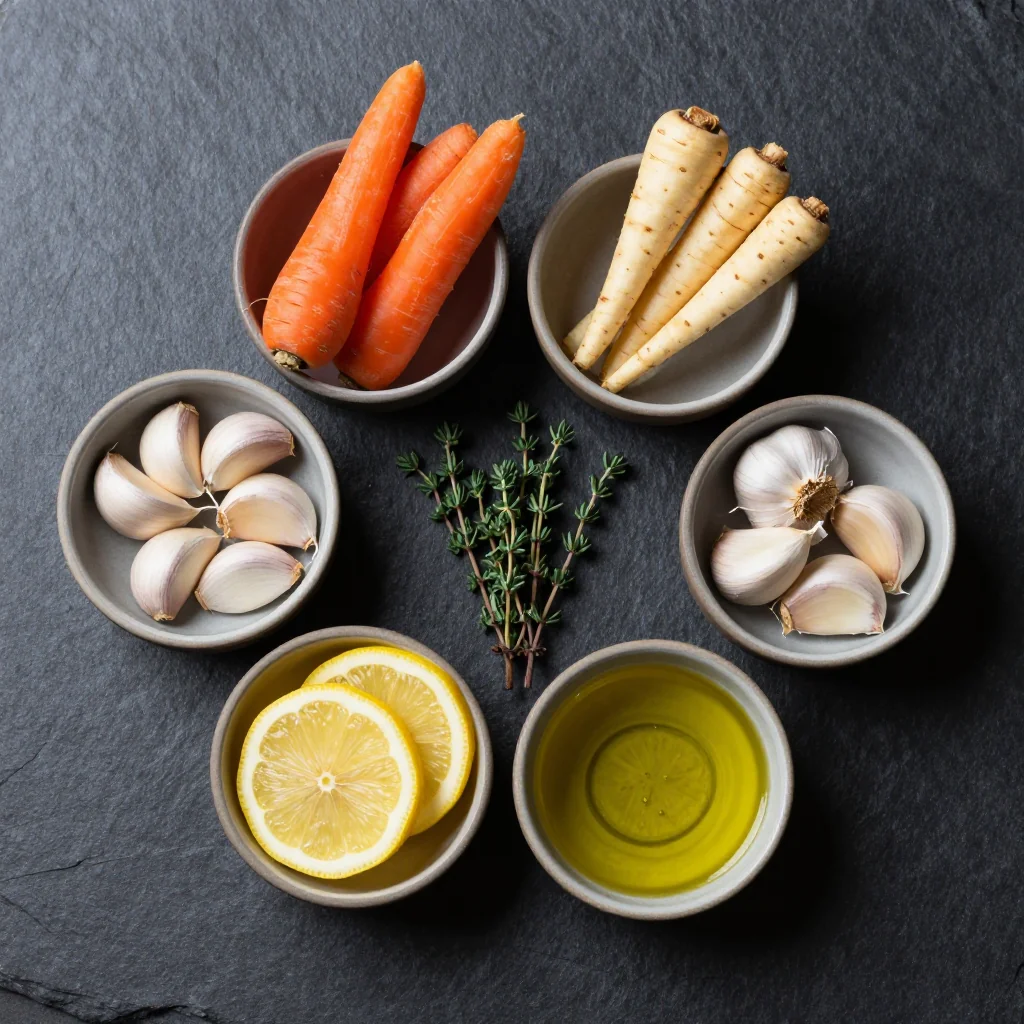
Let’s talk produce first: choose carrots that still feel crisp and sound snappy when you bend them—limp carrots never roast, they steam and pout. If you can find bunches with feathery tops, even better; those greens signal freshness and make a gorgeous garnish blitzed with olive oil into pesto. Parsnips should be ivory, never freckled with black spots (a sign of inner woody cores). Smaller parsnips are sweeter; monster ones can taste fibrous, so aim for the girth of a large thumb. When shopping, I buy an extra parsnip just for nibbling raw—it tastes like spicy pear.
Olive oil matters here because it’s half the flavor profile. Use a fresh, fruity extra-virgin that you’d happily dip bread into. The lemon should feel heavy for its size, indicating thin pith and abundant juice. Garlic mellows when roasted, so we’re using both raw minced (for punch) and roasted smashed cloves (for sweetness) to create layers of flavor. A tiny drizzle of maple syrup is optional but brilliant: just one teaspoon encourages caramelization without tipping the dish into dessert territory. Finally, keep a jar of Maldon or another flaky salt on the table; those crunch crystals against soft roots are pure winter joy.
Need swaps? Avocado oil works if your olive oil pantry is bare. Lime stands in for lemon in a pinch, though the fragrance changes. For a low-FODMAP version, replace garlic with infused garlic oil and swap parsnips for turnips. Nut allergy? Skip the optional toasted hazelnuts and shower with roasted sunflower seeds instead.
How to Make Warm Lemon-Garlic Roasted Carrots & Parsnips for Clean January Meals
Heat & prep
Position rack in lower third of oven; preheat to 425 °F (220 °C). Line a heavy rimmed sheet pan with parchment for easy cleanup, or use well-seasoned cast iron. Avoid insulated pans—they prevent browning. While the oven climbs, fill a large bowl with ice water. Peel carrots and parsnips, then cut carrots into ½-inch coins on the bias for surface area. Halve parsnips lengthwise; if core feels woody, quarter and remove core. Submerge vegetables in ice water 10 minutes to remove excess starch (secret for crisper edges). Drain and spin in salad spinner or pat very dry—water is the enemy of caramelization.
Season smartly
Transfer vegetables to a large bowl. Drizzle with 3 Tbsp olive oil, 1 tsp kosher salt, ½ tsp freshly ground black pepper, and optional 1 tsp maple syrup. Using clean hands, toss until every piece glistens. The slight sheen ensures even roasting; too much oil pools and fries, too little yields shriveled veg. Spread in a single layer, cut-sides down for maximum contact. Crowding = steaming, so use two pans if necessary.
Roast undisturbed
Slide pan into oven and roast 15 minutes without peeking. Resist stirring; undisturbed contact creates the coveted golden crust. After 15 minutes, quickly flip with thin metal spatula and roast another 10–12 minutes until edges blister and centers yield to gentle pressure.
Garlic confit trick
While veg roast, make quick garlic confit: in small skillet combine 6 peeled smashed cloves with ¼ cup olive oil. Simmer on lowest heat 10 minutes until cloves turn ivory and soft. Remove from heat; stir in 1 tsp lemon zest. This mellow elixir will coat vegetables without raw-bite.
Lemon-garlic finish
Whisk together 2 Tbsp fresh lemon juice, 1 tsp Dijon mustard, and reserved garlic oil (minus cloves). Season with pinch salt and pepper. Immediately after roasting, transfer veg to warm serving bowl, pour dressing over, and toss vigorously. Heat opens pores, letting citrus perfume every bite. Scatter roasted garlic cloves on top—they’ll melt like honey.
Garnish & serve
Finish with chopped parsley or carrot-top pesto, a shower of lemon zest, and flaky salt. Serve warm; leftovers are brilliant cold folded into grain bowls with hummus.
Expert Tips
Hot pan hack
Pre-heat your empty sheet pan inside the oven for 5 minutes. When veg hit sizzling metal, they start caramelizing instantly—no sticking, no soggy bottoms.
Even sizing
Use a mandoline on ¼-inch setting for carrot coins; hand-cut parsnips to match. Uniform thickness = uniform doneness.
Oil math
One tablespoon oil per pound vegetables is the golden ratio for roasting. Measure once, remember forever.
Leftover revival
To reheat, flash in 450 °F oven 4 minutes instead of microwave. Hot, dry air restores crisp edges.
Overnight flavor
Roast veg a day ahead; store undressed. Add lemon-garlic mixture just before serving for brightest taste.
Color pop
Mix rainbow carrots for visual wow. Purple and yellow varieties keep their hue when roasted, turning your sheet pan into edible confetti.
Variations to Try
- Moroccan: Add 1 tsp ground cumin and ½ tsp cinnamon to oil; finish with chopped dates and toasted almonds.
- Asian fusion: Swap lemon for lime, add 1 tsp sesame oil, sprinkle with sesame seeds and cilantro.
- Spicy: Toss with ¼ tsp cayenne or drizzle of chili-crisp oil before serving.
- Creamy: Dollop with lemon-tahini sauce and pomegranate arils for a Middle-Eastern vibe.
- Herbaceous: Replace parsley with fresh dill or tarragon for springtime lift.
Storage Tips
Roasted vegetables keep up to 4 days in an airtight container in the refrigerator. Store dressing separately and toss just before serving to prevent sogginess. For longer storage, freeze undressed vegetables in single layer on parchment-lined tray until solid, then transfer to freezer bag for up to 2 months. Reheat directly from frozen on sheet pan at 425 °F for 10 minutes—no thaw needed. If meal-prepping grain bowls, pack vegetables in one compartment and grains in another; combine and microwave 60 seconds for instant lunch.
Frequently Asked Questions
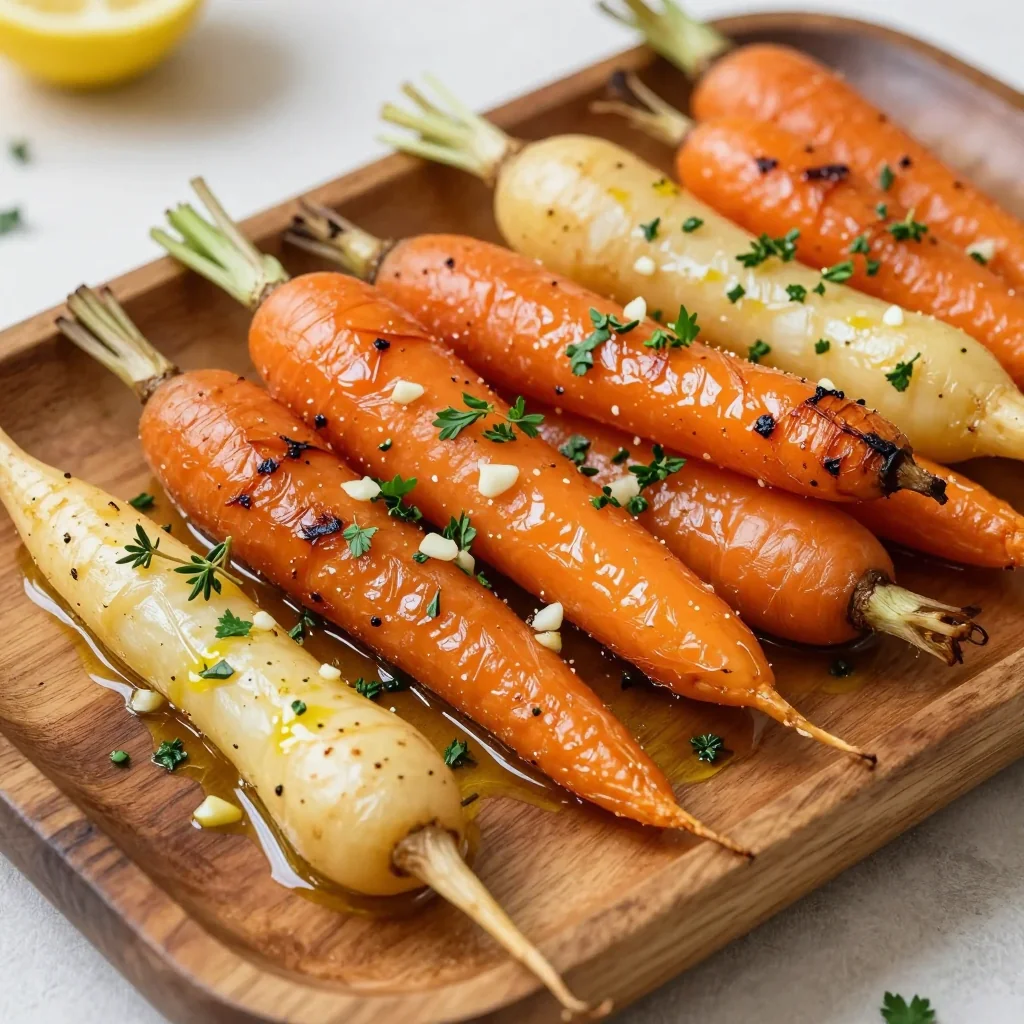
warm lemon garlic roasted carrots and parsnips for clean january meals
Ingredients
Instructions
- Preheat oven: Set to 425 °F (220 °C) with rack in lower third. Line sheet pan with parchment.
- Prep vegetables: Place carrots and parsnips in large bowl, cover with ice water 10 min. Drain and pat bone-dry.
- Season: Toss vegetables with 2 Tbsp oil, maple syrup, salt, and pepper. Spread cut-sides down on hot pan.
- Roast: Bake 15 min, flip, roast 10–12 min more until edges caramelized.
- Confit garlic: Meanwhile simmer garlic cloves in remaining 1 Tbsp oil + ¼ cup extra oil on low 10 min; stir in lemon zest.
- Dress: Whisk lemon juice, mustard, and 2 Tbsp of the garlic oil. Toss hot vegetables with dressing and parsley. Finish with flaky salt.
Recipe Notes
For extra protein, top with crispy chickpeas or a soft-boiled egg. Leftovers keep 4 days refrigerated; reheat in hot oven to restore crisp edges.