Picture this: it's 2 a.m. on a Tuesday, and I'm standing over my stove in mismatched socks, stirring what looks like a medieval potion of meat and spices. The smell? Pure heaven. The situation? Desperate. I'd been craving my grandmother's Persian Shish Andaz for three straight weeks, and every restaurant version tasted like sad, sweet cardboard. You know that feeling when you want something so badly, you'd sell your left shoe for one authentic bite? That was me, minus the shoe-selling, plus a whole lot of stubborn determination.
Three failed attempts later — one with too much pomegranate molasses that turned my kitchen into a sticky crime scene, another where the meat resembled shoe leather — I finally cracked the code. The secret wasn't in some fancy technique or impossible-to-find ingredient. It was in patience, the right balance of sweet and tangy, and a whisper of cinnamon that dances on your tongue like a Persian poet. When that first perfect bite hit my mouth, I actually did a little victory dance that would have been embarrassing if anyone had seen it.
Here's the thing about Persian Shish Andaz that most recipes completely miss: it's not just about throwing meat in a pot with some pomegranate stuff. This dish has soul. It's the kind of recipe that makes your neighbors knock on your door at dinner time, pretending they need to borrow sugar while their noses betray their true intentions. The meat should be so tender that it practically sighs when you poke it, swimming in a sauce that's equal parts tangy, sweet, and mysteriously complex.
If you've ever struggled with Middle Eastern recipes that promise authentic flavors but deliver bland disappointment, you're not alone — and I've got the fix. This version right here? It's the real deal, straight from my grandmother's kitchen to yours, with a few modern twists that make it foolproof. Ready for the game-changer? Let me walk you through every single step — by the end, you'll wonder how you ever made it any other way.
What Makes This Version Stand Out
Flavor Bomb: This isn't your average meat stew. The combination of pomegranate molasses, warm spices, and fresh herbs creates layers of flavor that unfold like a story on your palate. Every bite reveals something new — first the tangy sweetness, then the earthy spices, finishing with bright herbs that make you want to dive back in for more.
Foolproof Technique: Most recipes throw everything in a pot and hope for the best. Not here. We build flavors step by step, browning the meat properly (no gray, sad pieces here), caramelizing onions to golden perfection, and adding each spice at just the right moment to bloom their essential oils. The result? Depth that tastes like it cooked for hours, even when it didn't.
Texture Paradise: Say goodbye to tough, chewy meat forever. The combination of acid from the pomegranate molasses and lemon juice breaks down the proteins while keeping everything juicy. The meat should fall apart at the slightest nudge, creating that melt-in-your-mouth experience that makes Persian cuisine so addictive.
One-Pot Wonder: Despite tasting like it came from a professional kitchen, this entire masterpiece happens in a single pot. Less dishes, more glory. Plus, the cleanup is so easy, you'll actually volunteer to cook this for company just to show off.
Make-Ahead Magic: This dish actually tastes better the next day, making it perfect for dinner parties or meal prep. The flavors marry and deepen overnight, transforming into something even more spectacular. I dare you to taste this and not go back for seconds — or thirds.
Authentic Meets Accessible: While staying true to traditional Persian flavors, this recipe uses ingredients you can actually find at your local grocery store. No hunting through specialty shops for obscure items you'll use once and then forget in your pantry for five years.
Inside the Ingredient List
The Flavor Foundation
The meat selection makes or breaks this dish. Lamb shoulder brings an authentic richness that beef just can't match, with little nuggets of fat that render down and create silky richness in every bite. If you're not a lamb person, beef chuck works beautifully — just make sure it's well-marbled. The fat isn't your enemy here; it's your best friend for flavor and texture. Chicken thighs work for a lighter version, but honestly, they won't give you that soul-satisfying depth that makes this dish legendary.
Onions are the unsung heroes of Persian cooking, and here they pull double duty. First, they create the aromatic base that carries all the other flavors. Second, when properly caramelized, they add natural sweetness that balances the pomegranate's tang. Slice them thin enough to melt into the sauce, but not so thin they disappear completely — you want those silky strands throughout.
The Spice Symphony
Turmeric isn't just there for color (though it does create that gorgeous golden hue that makes everyone ask for the recipe). When bloomed in oil, it develops earthy depth and subtle bitterness that grounds all the sweet elements. Skip it and your dish will taste flat, like a joke without a punchline. The key is adding it at the right moment — too early and it turns bitter, too late and it tastes raw and dusty.
Cinnamon in a meat dish might seem weird if you haven't tried it, but trust me on this one. It doesn't make the dish taste like dessert; instead, it adds warmth and complexity that makes people ask "what's that amazing flavor?" Use true Ceylon cinnamon if you can find it — the flavor is more delicate and won't overwhelm the other spices like the stronger Cassia variety might.
The Tangy Trio
Pomegranate molasses is the star of the show, bringing that distinctive sweet-tart flavor that makes Persian cuisine so addictive. Good quality molasses should coat your spoon like liquid rubies, thick but still pourable. If yours is too thick, thin it with a splash of warm water. Too thin? Simmer it down until it reaches the consistency of maple syrup. This ingredient is worth splurging on — the cheap stuff tastes like cough syrup mixed with disappointment.
Fresh lemon juice brightens everything, cutting through the richness like a ray of sunshine. Don't even think about using the bottled stuff — it tastes like cleaning products and will ruin your beautiful creation. Roll your lemons on the counter before juicing to get every last drop, and strain out the seeds so nobody gets an unpleasant surprise.
The Final Flourish
Fresh herbs aren't just garnish here — they're essential to the flavor profile. Parsley brings clean, grassy notes that cut through the richness, while mint adds that cooling touch that makes Persian food so refreshing. Chop them just before serving so they stay vibrant and don't wilt into sad green flecks. The contrast between warm spices and cool herbs is what elevates this from good to unforgettable.
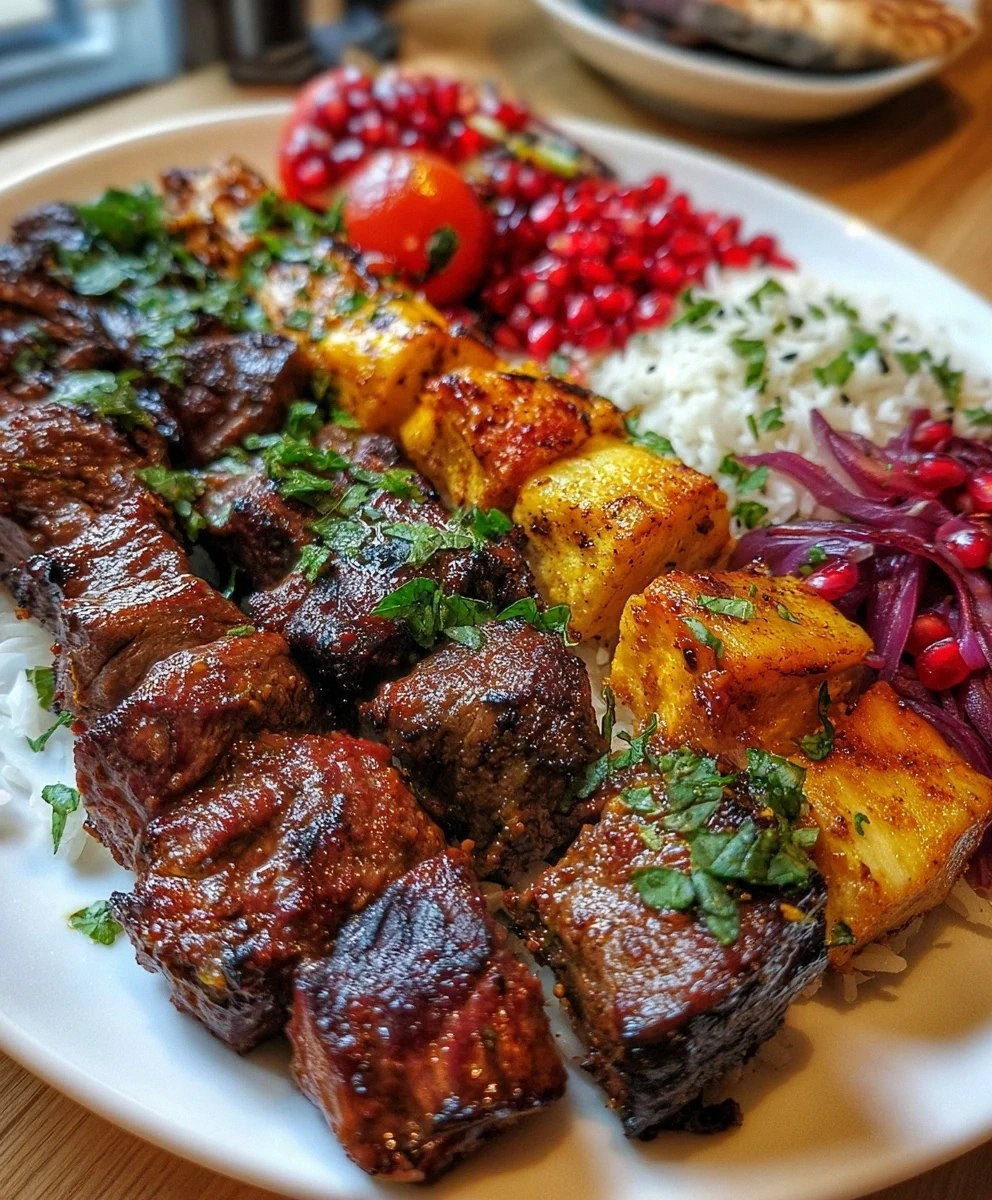
The Method — Step by Step
- Start by patting your meat completely dry with paper towels — I mean really dry, like you're trying to remove every last molecule of moisture. This isn't busy work; it's the difference between sad, gray meat and gorgeous caramelized pieces that make people think you're a kitchen wizard. Season generously with salt and pepper, pressing the seasoning into every surface. Let it sit while you prep everything else — this brief rest helps the salt start breaking down the proteins for extra tenderness.
- Heat your oil in a heavy-bottomed pot over medium-high heat until it shimmers like a mirage. When you think it's hot enough, wait another 30 seconds. Hot oil is your insurance policy against sticking. Lay the meat in carefully — it should sizzle enthusiastically the moment it hits the pan. Don't crowd the pieces or they'll steam instead of brown; work in batches if necessary. That golden crust developing on the bottom? That's pure flavor gold that will make your sauce taste like it has a secret ingredient.
- Remove the browned meat and let it rest on a plate. Now, into those gorgeous browned bits (called fond, if you want to sound fancy), add your sliced onions. They should sizzle and start softening immediately. Stir occasionally, but not too much — you want them to develop some color, not just steam into mush. When they start turning translucent and golden around the edges, add the garlic and cook for another minute. Your kitchen should smell like heaven right about now.
- This is where the magic happens. Clear a little space in the center of the pot and add your turmeric directly to the oil. Let it bloom for just 30 seconds — you'll see it darken slightly and smell this amazing earthy aroma. Stir it into the onions, then add the cinnamon, cumin, and coriander. Toast the spices for another minute, stirring constantly. This step transforms raw, dusty spices into aromatic powerhouses that will make your neighbors jealous.
- Pour in the pomegranate molasses and lemon juice, scraping up all those beautiful browned bits from the bottom. Add the stock and bring everything to a simmer. The sauce should be a gorgeous ruby color that makes you want to dive in face-first. Return the meat to the pot, nestling it into the sauce so every piece gets coated in that tangy-sweet goodness.
- Reduce the heat to low, cover the pot, and let it simmer gently. This isn't the time for aggressive boiling — you want lazy bubbles, not a jacuzzi. Cook for about 45 minutes to an hour, depending on your meat choice. The sauce will thicken and turn glossy, coating the back of a spoon. Taste it about halfway through — you might want to adjust the sweetness or acidity depending on your pomegranate molasses.
- For the final flourish, stir in half the fresh herbs and let them wilt for just a minute. Save the rest for sprinkling on top right before serving. This keeps some herbs bright and fresh while others infuse their flavor into the sauce. Serve hot over fluffy rice or with warm flatbread for scooping up every last drop of that incredible sauce.
That's it — you did it. But hold on, I've got a few more tricks that'll take this to another level...
Insider Tricks for Flawless Results
The Temperature Rule Nobody Follows
Most people cook their meat at too high a temperature, thinking this speeds things up. Wrong! High heat makes the proteins seize up like a frightened turtle, resulting in tough, dry meat that even your dog would reject. Keep the heat gentle and steady — the meat should barely bubble. This slow dance allows the connective tissues to break down properly, creating that fall-apart tenderness that makes people close their eyes when they take a bite. Trust me, I've tested this extensively (read: ruined many dinners) so you don't have to.
Why Your Nose Knows Best
Your sense of smell is your most underutilized kitchen tool. When the onions are properly caramelized, they'll smell sweet and slightly nutty — not sharp or sulfurous. The spices should smell toasty and aromatic, never burnt or acrid. If something smells off, it probably is. I've saved countless dishes by trusting my nose over the clock. That moment when the pomegranate molasses hits the hot pot and fills your kitchen with tangy-sweet perfume? That's when you know you're on the right track.
The 5-Minute Rest That Changes Everything
After cooking, let the dish rest off heat for five minutes before serving. I know, I know — everyone's starving and the smell is driving you crazy. But this brief pause allows the meat to reabsorb some of the sauce, making it even more succulent. Plus, it gives the flavors time to settle and meld, transforming from good to "why can't I stop eating this?" territory. Use this time to set the table, pour some wine, or just bask in the admiration of your soon-to-be-impressed dinner companions.
The Acid Balance Secret
Here's something most recipes don't tell you: the acidity in pomegranate molasses varies by brand and age. Taste yours before using — if it makes your mouth pucker like you just bit into a lemon, it's very acidic. If it's sweet with just a hint of tang, it's milder. Adjust your lemon juice accordingly. Start with less, taste, and add more if needed. You can always add more acid, but you can't take it away. I've learned this the hard way, creating dishes that tasted like they were seasoned with battery acid.
Creative Twists and Variations
This recipe is a playground. Here are some of my favorite ways to switch things up:
The Vegetarian Victory
Replace the meat with hearty chunks of cauliflower and chickpeas for a vegetarian version that even carnivores devour. Roast the cauliflower first until the edges caramelize, then proceed with the recipe as written. The chickpeas add protein and create a more substantial dish. The spices and pomegranate molasses work their magic on vegetables just as beautifully as they do on meat. Serve it to your vegetarian friends and watch their faces light up when they realize they don't have to settle for another sad pasta dish.
The Heat Seeker's Dream
Add a teaspoon of Aleppo pepper or a pinch of cayenne when you bloom the spices. The gentle heat plays beautifully with the sweet-tangy sauce, creating a complex flavor that builds slowly instead of punching you in the face. You want warmth, not pain — enough to make your lips tingle pleasantly, not send you running for milk. My spice-loving friends go crazy for this version, claiming it adds another dimension that keeps them coming back for "just one more bite" until the pot is mysteriously empty.
The Fruit Lover's Fantasy
Toss in a handful of dried sour cherries or barberries during the last 10 minutes of cooking. They plump up in the sauce, adding little bursts of sweet-tart flavor that pop in your mouth like caviar made of pure joy. The fruit also adds beautiful ruby gems throughout the dish, making it look as spectacular as it tastes. This version is especially stunning for dinner parties — people will think you're a culinary genius when they discover these hidden treasures.
The Nutty Professor
Sprinkle toasted walnuts or pistachios on top just before serving. The nuts add crunch and richness that complement the tender meat perfectly. Toast them in a dry pan until fragrant — about 3-4 minutes — watching carefully because they go from perfect to burnt faster than you can say "where did I put those nuts?" The contrast of crunchy nuts against soft meat creates a textural experience that elevates the entire dish from home cooking to restaurant-quality.
The Fresh Herb Explosion
Instead of just parsley and mint, create a mixture of fresh dill, cilantro, and tarragon. Each herb brings its own personality to the party — dill adds brightness, cilantro brings citrusy notes, and tarragon contributes a subtle anise flavor that pairs beautifully with the pomegranate. Chop them roughly so you get distinct herb flavors in each bite rather than a muddled green mess. This version tastes like springtime in Tehran, even if you're cooking it in the middle of winter.
The Slow Cooker Conversion
For busy weekdays, brown the meat and aromatics as directed, then dump everything except the fresh herbs into your slow cooker. Cook on low for 6-8 hours or high for 3-4 hours. The flavors won't be quite as complex as the stovetop version, but it's about 90% as good with 10% of the effort. Perfect for those days when you want to come home to a house that smells like you've been slaving away all day, when really you just dumped everything in before work and let technology do the heavy lifting.
Storing and Bringing It Back to Life
Fridge Storage
This dish keeps beautifully in the refrigerator for up to four days, though I'll be honest — it's never lasted that long in my house. Store it in an airtight container, and make sure it's completely cooled before refrigerating. The sauce will thicken considerably when cold, almost like a loose jelly. Don't panic — this is normal and actually a sign that you nailed the reduction. The flavors continue to develop and marry, making leftovers even better than the first day. Pro tip: separate the meat from the sauce when storing if you want to reheat them differently.
Freezer Friendly
Persian Shish Andaz freezes like a dream for up to three months. Portion it into freezer-safe containers, leaving about an inch of space at the top for expansion. Label it with the date — future you will thank present you when you're craving comfort food at 11 p.m. on a Tuesday. Thaw overnight in the refrigerator for best results, though you can speed-thaw it in cold water if you're desperate. The texture might be slightly different after freezing, but the flavor remains spectacular. Freeze some flatbread alongside so you have a complete meal ready to go.
Best Reheating Method
Gentle is the name of the game when reheating. Use low heat on the stovetop, adding a splash of water or stock to loosen the sauce. Microwave works in a pinch, but do it in 30-second bursts, stirring between each interval. The meat can go from perfect to tough if overheated, so err on the side of caution. Add fresh herbs after reheating to brighten everything up. A squeeze of fresh lemon juice over the top brings it back to life, making yesterday's dinner taste like you just spent hours cooking. Your secret's safe with me.