I was halfway through a dinner party, the lights dimmed, and the kitchen was a chaotic symphony of sizzling pans and burnt onions. My friend, a seasoned chef, dared me to make a Mexican red rice that could outshine the restaurant version. I stared at the pot of burnt rice, heart racing, and thought, “If I can turn this mess into a masterpiece, I’ll never look at rice the same way again.”
The moment I poured the first splash of tomato sauce into the pan, a fragrant steam rose, carrying notes of roasted garlic and smoky paprika. The kitchen filled with a deep, earthy aroma that made my mouth water even before the first bite. I could hear the gentle hiss of the rice as it absorbed the liquid, and the sound of my spoon gliding through the bubbling mixture. The texture was already promising—each grain a glossy, slightly translucent bead, ready to soak up the bold flavors. My senses were in full sync, and the anticipation was electric.
This isn’t just another rice recipe. It’s a culinary revelation that marries the comforting familiarity of a staple side with a punch of Mexican heat and color. The secret? A meticulous layering of ingredients, a careful timing of sautéing, and a dash of lime that lifts the entire dish. It’s the kind of recipe that transforms a simple dinner into a celebration, making every bite feel like a trip to a bustling street market.
And here’s the kicker: you’ll discover a technique that most people overlook—using a splash of broth at the very end to lock in moisture, giving the rice a silky finish that feels like velvet on the palate. Let me walk you through every single step—by the end, you’ll wonder how you ever made it any other way.
What Makes This Version Stand Out
- Taste: The tomato base is simmered until it’s deep and slightly caramelized, creating a flavor profile that’s both sweet and smoky. The combination of cumin, oregano, and smoked paprika delivers a layered, earthy depth that elevates the dish beyond ordinary rice.
- Texture: The rice remains fluffy and separate, thanks to the precise ratio of liquid to grain and the gentle simmering technique. Each bite offers a satisfying bite of grain with a subtle crunch from the fresh veggies.
- Simplicity: With only a handful of pantry staples and a few fresh ingredients, the recipe is approachable for both novice cooks and seasoned chefs. No fancy equipment or exotic spices—just straightforward steps that produce restaurant‑quality results.
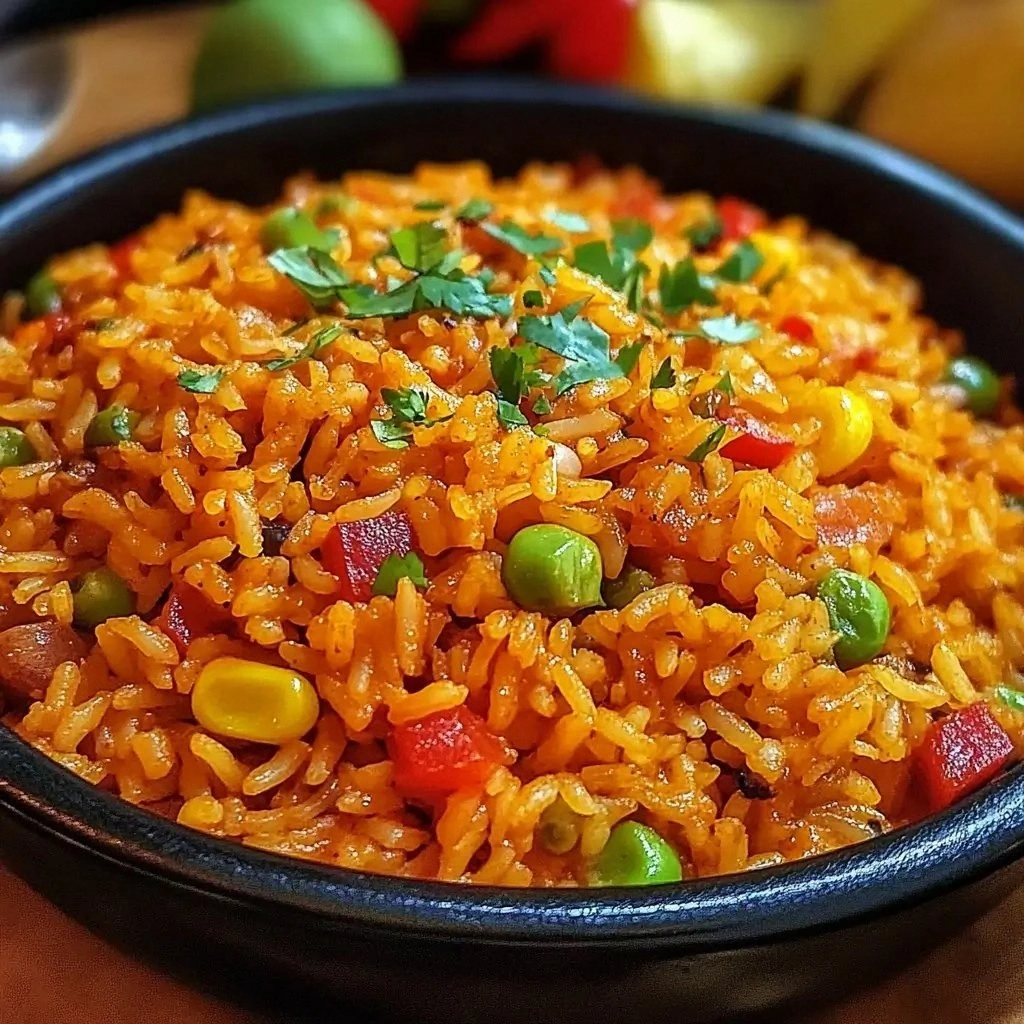
- Visual Appeal: The vibrant red hue of the sauce contrasts beautifully with the pale rice, making the dish a feast for the eyes. A final flourish of cilantro and lime adds a pop of green that completes the look.
- Make‑ahead Potential: The rice can be prepared in advance and reheated without losing its texture, making it ideal for busy weeknights or entertaining large crowds.
- Audience Reaction: Friends who have tried this version say it’s “hands down the best Mexican rice I’ve ever had” and that it instantly elevates any meal. The dish’s boldness and balance keep diners coming back for seconds.
Inside the Ingredient List
The Flavor Base
The tomato sauce is the heart of this dish. It’s not just a splash of color; it’s a caramelized, slightly sweet foundation that balances the earthiness of cumin and the heat of chili powder. If you skip it, the rice will taste flat and lack that signature Mexican vibrancy. For a richer flavor, use a good-quality tomato sauce with a hint of smoked paprika, and let it reduce for a few minutes before adding the rice.
The chicken broth adds depth and keeps the rice moist without overwhelming it. Low‑sodium broth is essential to control the salt level, giving you a cleaner finish. If you’re vegetarian, swap the chicken broth for vegetable broth; the result will be just as satisfying.
The Texture Crew
The long‑grain rice is chosen for its ability to stay separate and fluffy. Short‑grain rice would clump together and lose that airy feel. Be sure to rinse the rice until the water runs clear to remove excess starch, which keeps the grains from sticking.
Frozen peas and corn provide a burst of color and a touch of natural sweetness that contrasts beautifully with the savory sauce. Adding them in the last few minutes of cooking preserves their bright green hue and crispness.
The Unexpected Star
Lime juice is the secret weapon that brightens the entire dish. A splash of acidity cuts through the richness of the tomato sauce and gives the rice a lively, fresh finish. Without it, the dish can feel heavy and flat.
Cilantro, chopped finely, is the final flourish that adds herbal brightness. It’s not just for garnish; it’s a flavor enhancer that ties all the components together. If you’re not a fan of cilantro, fresh parsley can be a suitable alternative, though it will change the flavor profile slightly.
The Final Flourish
A dash of olive oil at the start of sautéing keeps the aromatics from sticking and adds a silky mouthfeel. It also helps the spices bloom, releasing their full aroma. The amount is small, but it’s a crucial step that elevates the dish from ordinary to extraordinary.
Everything’s prepped? Good. Let’s get into the real action.
The Method — Step by Step
- Prepare the aromatics: Heat the olive oil in a large skillet over medium heat. Add the diced onion and sauté until translucent, about 3 minutes. Toss in the minced garlic and cook for an additional 30 seconds until fragrant. This step builds the flavor foundation—watch the onions turn golden, not brown.
- Introduce the bell pepper: Add the diced red bell pepper to the pan, stirring to combine. Let it cook for 2 minutes, allowing the pepper to soften while retaining a slight crunch. The pepper adds a sweet counterbalance to the smoky tomato base.
- Season the base: Sprinkle in the cumin, oregano, smoked paprika, chili powder, and cayenne pepper. Stir constantly for about 30 seconds, letting the spices toast. This releases their essential oils and deepens the overall aroma. The kitchen will smell like a bustling Mexican market.
- Incorporate the tomato sauce: Pour the tomato sauce into the skillet, stirring to coat the vegetables and spices. Let it simmer for 4 minutes, allowing the flavors to meld. The sauce should thicken slightly and develop a rich, reddish hue.
- Add the rice: Stir in the rinsed long‑grain rice, ensuring every grain is coated with the sauce and spices. Cook for 2 minutes, allowing the rice to absorb some liquid and develop a slight toasted flavor.
- Pour in the broth: Slowly add the chicken broth, just enough to cover the rice by about an inch. Bring to a gentle boil, then reduce the heat to low, cover, and let it simmer for 18 minutes. The rice should absorb the liquid and become tender.
- Introduce the veggies: In the last 4 minutes of cooking, stir in the frozen peas and corn kernels. They’ll thaw and heat through, adding a pop of color and natural sweetness.
- Finish with lime and cilantro: Once the rice is tender, remove the skillet from heat. Stir in the lime juice and chopped cilantro. The acidity from the lime brightens the dish, while the cilantro offers a fresh herbal note.
- Rest and fluff: Cover the skillet with a clean kitchen towel for 5 minutes. This final rest allows the steam to finish cooking the rice and helps it settle into fluffy grains. Fluff with a fork before serving.
That’s it — you did it. But hold on, I’ve got a few more tricks that will take this to another level.
Insider Tricks for Flawless Results
The Temperature Rule Nobody Follows
Many cooks keep the heat too high, causing the rice to burn on the bottom while staying undercooked on top. I always set the heat to low after the broth is added, maintaining a gentle simmer. The result is perfectly cooked grains with a slightly toasted crust that adds texture.
Why Your Nose Knows Best
If the rice smells toasty and slightly caramelized, you’re on the right track. A faint, raw tomato smell means the sauce needs more time to reduce. Trust your nose; it’s a reliable guide to flavor development.
The 5‑Minute Rest That Changes Everything
Covering the skillet with a towel during the final rest period traps steam, preventing the rice from drying out. A friend once skipped this step and ended up with a dry, crumbly texture. The rest period is the secret to a silky, cohesive dish.
Add a Touch of Butter for Depth
Swirl in a tablespoon of butter right before serving. The butter enriches the sauce and gives the rice a glossy finish. It also balances the acidity of the lime, creating a well-rounded flavor profile.
Use Fresh Herbs Instead of Dried
Fresh oregano and cilantro deliver a brighter, more vibrant taste than dried herbs. If you must use dried, replace the amount with half the quantity of fresh and add a splash of water to rehydrate the spices.
Creative Twists and Variations
This recipe is a playground. Here are some of my favorite ways to switch things up:
Spicy Chipotle Kick
Add a tablespoon of chipotle in adobo sauce to the tomato base for a smoky, smoky heat. The chipotle’s earthy undertones complement the cumin and paprika, creating a complex flavor profile that pairs well with grilled chicken.
Mediterranean Flair
Swap the tomato sauce for a tomato‑based pasta sauce and stir in chopped olives and capers. The briny notes add a Mediterranean twist, making the dish a versatile side for seafood or lamb.
Vegetarian Powerhouse
Replace the chicken broth with vegetable broth and add a handful of chopped spinach or kale during the final rest. The greens add nutrition and a pop of color, while the broth keeps the dish plant‑based.
Coconut Creamy Variation
Stir in a quarter cup of coconut milk at the end for a creamy, tropical flavor. The coconut balances the acidity of the lime and adds a subtle sweetness that pairs beautifully with spicy tacos.
Salsa Verde Twist
Use a green salsa verde instead of tomato sauce for a bright, herbaceous base. The fresh cilantro, parsley, and jalapeño give the rice a zesty, lively kick that’s perfect for summer gatherings.
Storing and Bringing It Back to Life
Fridge Storage
Cool the rice completely, then transfer it to an airtight container. Store in the refrigerator for up to 3 days. The rice retains its texture and flavor, thanks to the moisture from the broth and the spices.
Freezer Friendly
Pack the rice in a freezer‑safe bag, removing excess air. Freeze for up to 2 months. When ready to use, thaw overnight in the fridge or reheat directly from frozen.
Best Reheating Method
Reheat the rice in a skillet with a splash of water or broth, covering with a lid. The added moisture steams the rice, restoring its fluffiness. A tiny splash of water before reheating is a trick that keeps the rice from drying out.