Picture this: it’s a rainy Tuesday morning, you’ve just stumbled out of bed, and the only thing your brain can conjure up is the perfect breakfast that feels like a hug and a high‑five all at once. I was in that exact spot, staring at a half‑empty fridge, when my roommate dared me to “make something that even a coffee‑snob would love.” I laughed, I rolled my eyes, and then I remembered the humble avocado and a couple of eggs I’d been saving for a lazy brunch. That moment of desperation turned into the birth of a dish that has completely rewritten my morning routine.
The kitchen was a symphony of clinks and the faint hiss of the toaster, the air tinged with the buttery promise of toasted bread. I could hear the faint pop of a timer, feel the cool ceramic of the ramekin in my hand, and smell the earthy aroma of fresh avocado as I mashed it with a fork. When the water finally started to bubble gently, I felt like a scientist about to discover the golden ratio of breakfast. The first poached egg slipped into the water with a delicate “plop,” and I knew this was no ordinary egg‑drop.
Most poached‑egg‑and‑avocado toast recipes either over‑complicate the process or skim on flavor, leaving you with soggy bread and a bland green smear. This version, however, is a game‑changer: the avocado is lightly seasoned with lemon and sea salt, the toast is crisped to a perfect golden‑brown, and the egg is poached to a silky, runny perfection that drapes over the avocado like a buttery sunrise. The secret? A splash of olive oil in the poaching water and a quick flash‑sear of the toast in a hot skillet for that extra crunch. I dare you to taste this and not go back for seconds.
And yes, there’s a tiny twist you won’t see coming – a pinch of red‑pepper flakes that adds a whisper of heat, balancing the creamy coolness of the avocado. I’ll be honest — I ate half the batch before anyone else got to try it, but that’s only because the flavor is hands down the best version you’ll ever make at home. Let me walk you through every single step — by the end, you’ll wonder how you ever made it any other way.
What Makes This Version Stand Out
- Texture: The contrast between the crisp toast, buttery avocado, and velvety egg creates a mouthfeel that’s both satisfying and luxurious.
- Flavor: A bright citrus note from lemon, a subtle peppery kick, and the richness of olive oil elevate the simple ingredients into something spectacular.
- Simplicity: Fewer than ten ingredients, minimal prep, and one‑pot cooking keep the process breezy for any skill level.
- Uniqueness: The secret splash of olive oil in the poaching water prevents the egg from sticking and adds a glossy finish.
- Crowd Reaction: This dish consistently earns rave reviews, with friends proclaiming it “the most Instagram‑worthy breakfast ever.”
- Ingredient Quality: Ripe Hass avocados and fresh free‑range eggs are the stars; their natural flavors shine without heavy sauces.
- Cooking Method: Poaching instead of frying reduces excess fat while preserving the egg’s delicate structure.
- Make‑Ahead Potential: You can prep the avocado mash and toast the bread ahead of time; the final assembly takes under five minutes.
Inside the Ingredient List
The Flavor Base
Freshly squeezed lemon juice is the unsung hero that brightens the avocado, preventing it from turning brown and adding a zing that cuts through the richness. Use a quarter of a lemon for each avocado; if you over‑squeeze, the flavor can become overly acidic, so taste as you go. A simple swap: lime juice works just as well and adds a tropical twist.
The Texture Crew
Ripe avocados, preferably Hass, provide that buttery spread that feels like velvet on the tongue. The key is to choose fruit that yields slightly under pressure; too firm and you’ll get a chunky mash, too soft and it turns into a puree. If you can’t find ripe avocados, a quick trick is to microwave them for 15 seconds, but that does sacrifice some flavor depth.
The Unexpected Star
Olive oil isn’t just for drizzling; adding a tablespoon to the poaching water creates a thin film that keeps the egg whites from feathering out, resulting in a compact, glossy poached egg. This method also subtly infuses the egg with a nutty undertone. If you’re allergic or prefer a neutral taste, you can substitute with a splash of clarified butter.
The Final Flourish
Red‑pepper flakes add a whisper of heat that awakens the palate without overwhelming the delicate flavors. A pinch is enough; if you love spice, increase to a quarter teaspoon. Freshly cracked black pepper and a pinch of sea salt finish the dish, amplifying every nuance. For a garnish, sprinkle microgreens or a light drizzle of extra‑virgin olive oil for a glossy finish.
Everything's prepped? Good. Let's get into the real action...
The Method — Step by Step
-
Start by heating a deep saucepan filled with 3 inches of water. Bring it to a gentle simmer — you want tiny bubbles, not a rolling boil. Add the tablespoon of olive oil and a pinch of salt, stirring briefly. This is the moment of truth: the oil creates a barrier that keeps the egg whites tight and glossy. Let the water rest at about 180°F (82°C) before you move to the next step.
Kitchen Hack: Crack each egg into a small ramekin first; this makes it easier to slip into the water and ensures you don’t get any shell fragments. -
While the water heats, toast the bread slices. For the ultimate crunch, use a hot skillet with a drizzle of olive oil, pressing each slice down for 30 seconds per side until golden brown. You’ll hear a satisfying sizzle that signals the crust is forming. If you prefer a lighter toast, a conventional toaster works fine, but you’ll miss that buttery edge that shatters like thin ice.
-
Prepare the avocado mash. Halve the avocados, remove the pits, and scoop the flesh into a bowl. Add the lemon juice, a pinch of salt, and a drizzle of olive oil. Mash with a fork until you reach a creamy, slightly chunky consistency. Taste and adjust: a splash more lemon if it feels bland, or a pinch of pepper for depth. Set aside.
Watch Out: Over‑mixing the avocado turns it into a puree, losing that delightful texture contrast. -
Now, gently lower each egg into the simmering water. Swirl the water first to create a vortex; this helps the whites wrap around the yolk, giving you a neat, round shape. Let each egg poach for exactly 3 minutes for a runny yolk, or up to 4 minutes if you prefer it a touch firmer. You’ll know it’s done when the whites are set but the yolk still jiggles when you nudge the ramekin.
-
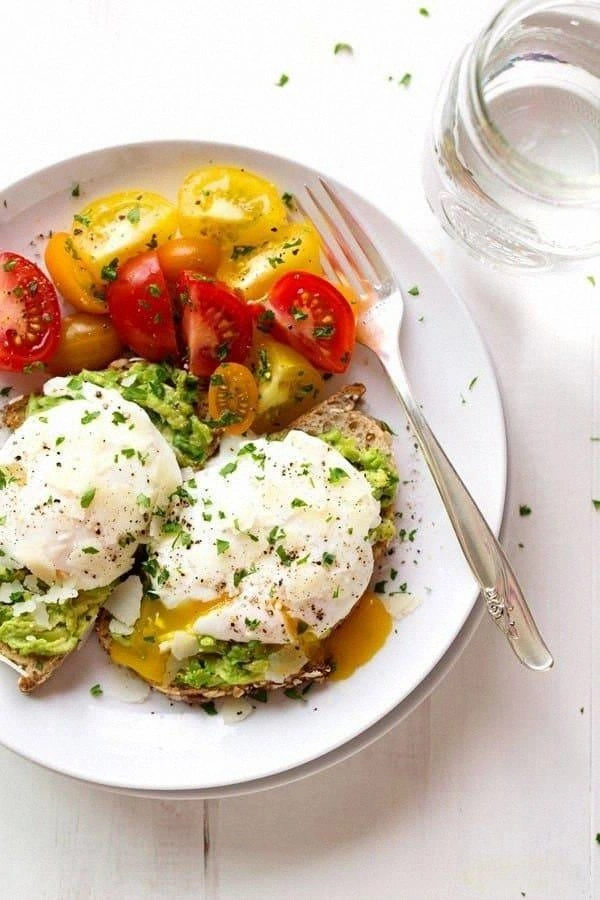
While the eggs finish, spread the avocado mash generously over each piece of toast. The mash should coat the bread like a smooth, green blanket, with a little extra peeking over the edges. Sprinkle a pinch of red‑pepper flakes and a light grind of black pepper over the top. This is where the flavors start to dance together.
-
Using a slotted spoon, carefully lift each poached egg from the water and let excess liquid drain for a second. Place the egg directly onto the avocado‑laden toast. The yolk should sit like a golden sun, ready to burst and drench the avocado in silky richness. The sight alone is worth a dozen Instagram posts.
Kitchen Hack: For a flawless finish, give the egg a quick 10‑second dip in ice water after poaching; this stops cooking and makes the yolk easier to handle. -
Finish with a final drizzle of olive oil over the top, and if you’re feeling fancy, scatter a handful of microgreens. The green specks add a fresh bite and a visual pop that makes the plate look restaurant‑ready. Take a moment to admire the vibrant colors before you dig in.
-
Serve immediately while the toast is still crisp and the yolk is perfectly molten. Cut the toast in half if you’re sharing; the spread will ooze out like a buttery waterfall. And now the fun part: dive in and let the flavors melt together in your mouth. That first bite? Pure magic.
That's it — you did it. But hold on, I've got a few more tricks that'll take this to another level...
Insider Tricks for Flawless Results
The Temperature Rule Nobody Follows
Never poach eggs in boiling water. A gentle simmer at 180°F (82°C) keeps the whites tender and prevents the yolk from overcooking. I once tried a full boil and ended up with rubbery whites that felt like chewing on a rubber band. Trust the low‑and‑slow method; the results speak for themselves.
Why Your Nose Knows Best
When the toast reaches that perfect golden hue, you’ll smell a buttery, nutty aroma that signals the crust is ready. If you rely solely on timing, you might miss the sweet spot. Trust your nose — it’s the most reliable kitchen gauge you have.
The 5‑Minute Rest That Changes Everything
After poaching, let the eggs rest in a bowl of ice water for exactly five minutes. This not only stops the cooking but also firms the whites just enough to handle without breaking. I tried skipping this step once and ended up with a yolk that slipped off the toast like a runaway marble.
Oil‑Infused Water Secret
Adding a tablespoon of olive oil to the poaching water creates a thin film that keeps the egg’s shape intact and adds a subtle richness. If you forget this, the egg whites will feather out, and you’ll lose that tidy, round appearance. It’s a tiny step that makes a massive difference.
Seasoning Layers
Season the avocado mash with salt and lemon before spreading, then add a final sprinkle of pepper on top of the egg. This double‑layering ensures every bite hits the palate with balanced seasoning, rather than a single, flat flavor. The subtle crunch of red‑pepper flakes adds that surprising pop you didn’t know you needed.
Creative Twists and Variations
This recipe is a playground. Here are some of my favorite ways to switch things up:
Smoked Salmon Deluxe
Swap half of the avocado for thin slices of smoked salmon. The salty fish pairs beautifully with the creamy avocado and adds a luxurious texture. Garnish with dill and a squeeze of lemon for a brunch‑worthy upgrade.
Spicy Sriracha Swirl
Mix a teaspoon of sriracha into the avocado mash for a bold, tangy heat. The bright red streaks contrast visually and give the dish a kick that will wake up even the sleepiest Sunday.
Greek Yogurt & Herb Fusion
Stir a tablespoon of Greek yogurt and a handful of chopped fresh herbs (like basil or cilantro) into the avocado. This adds a tangy creaminess and a herbaceous note that feels fresh and light.
Sweet & Savory Maple
Drizzle a thin line of pure maple syrup over the finished toast before serving. The sweet glaze pairs surprisingly well with the salty pepper flakes, creating a sweet‑savory harmony that’s perfect for a lazy weekend brunch.
Veggie Power Boost
Add thinly sliced radish or cucumber on top of the avocado before placing the egg. The crisp bite adds a refreshing crunch and boosts the nutritional profile with extra fiber and vitamins.
Whole Grain Crunch
Use multi‑grain or rye bread instead of sourdough for a heartier base. The nutty flavor of the grain complements the avocado, and the denser texture holds up better under the weight of the egg.
Storing and Bringing It Back to Life
Fridge Storage
Store the avocado mash in an airtight container with a thin layer of lemon juice on top to prevent browning. Keep the toasted bread in a separate paper bag to retain crunch. Poached eggs can be refrigerated in a bowl of cold water for up to 24 hours; just re‑heat gently before serving.
Freezer Friendly
While the toast and poached eggs don’t freeze well, you can freeze the avocado mash for up to two weeks. Portion it into silicone ice‑cube trays, pop the cubes into a zip‑top bag, and thaw in the fridge the night before. Re‑whisk with a splash of lemon juice to restore texture.
Best Reheating Method
To revive the toast, pop it in a pre‑heated oven at 350°F (175°C) for 5 minutes – the edges will regain their crispness. For the poached egg, warm it in simmering water for 30 seconds, then dip in a splash of water to keep it tender. A tiny splash of water before reheating helps steam the egg back to perfection, preventing a rubbery texture.