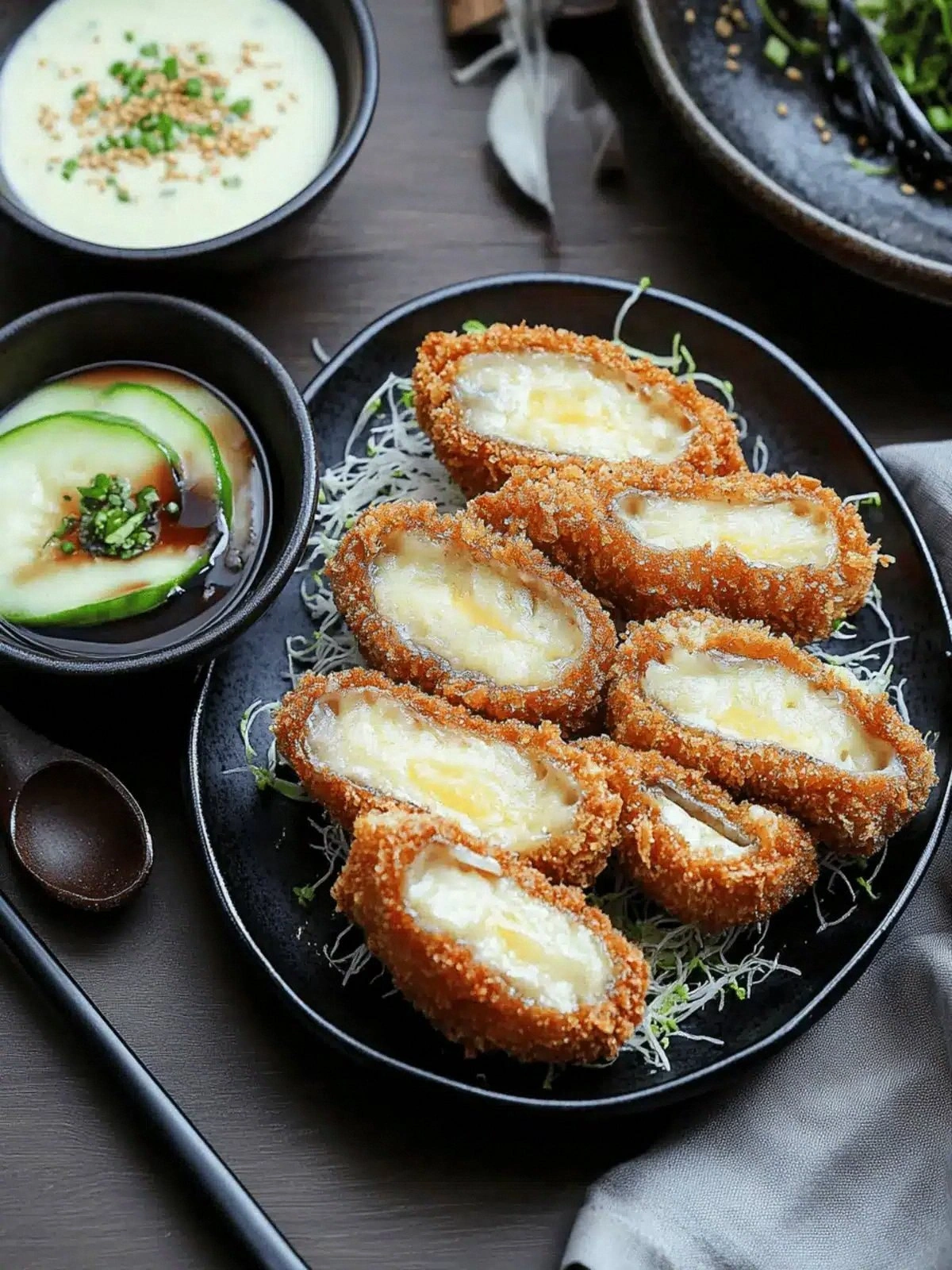
I was in the middle of a kitchen catastrophe when I realized I had a craving for something that could turn that disaster into a triumph. The skillet was smoking, the pork was over‑cooked, and I had a pile of stale bread crumbs that felt like a bad joke. I laughed, grabbed my trusty apron, and decided to turn that mess into a masterpiece. That night, I discovered the Ultimate Korean Cheese Katsu f, a dish that marries the crunch of panko with the creamy melt of mozzarella, all while delivering a punch of Korean-inspired flavor.
Picture this: a sizzling pan, the aroma of toasted panko drifting through the air, and the unmistakable sound of a pork loin meeting hot avocado oil. The moment the first piece hits the skillet, the oil shivers, and the aroma is a promise of something extraordinary. I could almost taste the golden crust, the molten cheese, and the subtle umami of Korean seasoning. It was a sensory overload that made my taste buds do a happy dance.
What sets this version apart is not just the combination of ingredients, but the way they interact. The mozzarella is the secret weapon that keeps the katsu moist and gooey, while the panko provides a crisp texture that shatters like thin ice when you bite into it. The pork loin is seasoned with a blend of Korean spices that add depth and a slight heat. And the avocado oil? It’s the high‑smoke‑point hero that allows the katsu to brown beautifully without burning.
I dare you to taste this and not go back for seconds. I promise you’ll be hooked. If you’ve ever struggled with making katsu that feels too dry or too greasy, you’re not alone—this recipe is the fix you’ve been searching for. Most recipes get this completely wrong, but here’s what actually works: a light coating of flour, a quick dip in eggs, a generous layer of panko, and a short fry at the right temperature.
And now the fun part. Picture yourself pulling this out of the oven, the whole kitchen smelling incredible, the cheese bubbling like a mini volcano. The first bite is a burst of crunch, followed by the rich, creamy center that melts in your mouth. The flavor profile is a harmonious blend of savory, sweet, and a subtle kick from Korean chili paste. I’ve been waiting for the moment to share this with you, so let’s walk through every single step—by the end, you’ll wonder how you ever made it any other way.
What Makes This Version Stand Out
- Crunch: The panko coating delivers a crispness that feels like biting into a fresh, golden pastry. It’s the kind of crunch that stays intact even after the cheese melts.
- Cheese Melt: Mozzarella isn’t just for pizza; it adds a velvety texture that clings to the pork and creates a gooey interior. It’s a game‑changer for any katsu lover.
- Korean Twist: A splash of gochujang or Korean chili paste in the seasoning gives the dish a subtle heat that balances the richness of the cheese.
- Easy Prep: All the steps can be completed in under 30 minutes, making it a perfect weeknight dinner that feels like a special treat.
- Make‑Ahead Friendly: The breaded pork can be assembled ahead of time, refrigerated, and fried later without compromising texture.
- Visual Appeal: The golden crust, bubbling cheese, and glossy finish make this dish Instagram‑worthy and family‑favorite.
- Balanced Nutrition: With 350 calories per serving and a good mix of protein and carbs, it satisfies without overindulging.
- Versatile Serving: Pair it with rice, a simple salad, or even a side of kimchi for a complete meal.
Inside the Ingredient List
The Flavor Base
1 lb Boneless pork loin is the star of the show. It offers a lean yet tender cut that absorbs the seasoning well. If you can’t find pork loin, a pork tenderloin works as a close substitute. Avoid pork belly; the fat would overpower the delicate cheese melt.
1 tsp Salt is essential for seasoning the pork before breading. Salt enhances the natural umami of the meat and helps the coating stick. A pinch of salt can also be added later if you prefer a lighter flavor.
1 tsp Pepper adds a subtle heat that balances the richness of the cheese. Freshly ground pepper is best; it provides a sharper bite compared to pre‑ground varieties.
The Texture Crew
2 tbsp Avocado oil is chosen for its high smoke point and mild flavor. It ensures a crisp, golden crust without burning. If you’re on a budget, grapeseed oil is a solid alternative.
1 cup Panko bread crumbs is the secret to that airy crunch. Panko’s larger flakes create a light, airy coating that doesn’t clump. For a gluten‑free version, look for certified gluten‑free panko.
1 cup All‑purpose flour provides a dry base that helps the egg wash adhere. It also adds a subtle thickness to the batter. If you’re gluten‑free, use a gluten‑free flour blend.
The Unexpected Star
1 cup Mozzarella cheese is the molten center that turns every bite into a creamy delight. Choose a low‑moisture mozzarella for the best melt without excess liquid. If you’re a fan of a stronger cheese, mix in a bit of cheddar for extra depth.
2 large Eggs bind the coating together and create a shiny, golden crust. Beat them lightly to avoid over‑whipping, which can make the coating tough.
The Final Flourish
1 tsp Salt (for breading) ensures the coating stays flavorful even after frying. This second pinch of salt is crucial because the panko can absorb a lot of the seasoning.
1 tsp Pepper (for breading) adds an extra layer of spice that complements the cheese’s richness. It’s the final touch that ties everything together.
Everything’s prepped? Good. Let’s get into the real action...
The Method — Step by Step
- Place the pork loin between two sheets of plastic wrap and gently pound it with a meat mallet or rolling pin until it’s about ½ inch thick. The goal is a uniform thickness that ensures even cooking. This step also helps tenderize the meat.
- Season both sides of the pork with 1 tsp salt and 1 tsp pepper. Let it sit for about 5 minutes to allow the seasoning to penetrate. This brief rest adds depth to the flavor profile.
- Set up a dredging station: one shallow dish of flour, one bowl of beaten eggs, and a third bowl of panko mixed with 1 tsp salt and 1 tsp pepper. The three‑step station ensures each piece gets a smooth coating.
- First, coat the pork in flour, tapping off any excess. This creates a dry surface that helps the egg wash adhere. The flour layer also adds a light, airy texture to the crust.
- Dip the floured pork into the beaten eggs, making sure it’s fully coated. The egg wash acts as a glue, holding the panko together during frying. Be careful not to over‑coat; a thin film is enough.
- Finally, roll the pork in the panko mixture, pressing gently to ensure the crumbs stick. The panko should coat the pork evenly, creating a golden crust once fried.
- Heat 2 tbsp avocado oil in a large skillet over medium‑high heat. When the oil shimmers and a drop of water sizzles on contact, it’s ready. This temperature is critical for a crisp exterior without burning.
- Place the breaded pork in the hot oil, pressing down slightly to keep it flat. Fry for 3–4 minutes on each side until golden brown and the internal temperature reaches 145°F. The aroma should be intoxicating, like a warm hug.
- Remove the pork from the skillet and place it on a paper‑towel‑lined plate to drain excess oil. The paper towels absorb the grease, leaving a crisp, clean surface.
- While the pork is still hot, sprinkle 1 cup of shredded mozzarella evenly over the top. Cover the skillet with a lid for 1 minute to melt the cheese. The cheese should be bubbling and slightly golden.
- Slice the katsu into bite‑size pieces using a sharp knife. The cheese should pull slightly with each slice, creating a dramatic, melty effect.
- Serve immediately with a side of steamed rice, a drizzle of soy sauce, and a sprinkle of sesame seeds. The combination of textures and flavors is nothing short of spectacular.
That’s it — you did it. But hold on, I’ve got a few more tricks that will take this to another level...
Insider Tricks for Flawless Results
The Temperature Rule Nobody Follows
Many cooks fry at a low temperature, resulting in greasy katsu. Keep the oil at 350°F; this ensures a quick crust that seals in moisture. A thermometer is the best way to maintain consistency.
Why Your Nose Knows Best
The scent of sizzling oil is a reliable indicator that the oil is hot enough. If the oil starts smoking, lower the heat. Trust your nose; it’s the quickest way to avoid burnt edges.
The 5‑Minute Rest That Changes Everything
After frying, let the katsu rest for 5 minutes on a rack. This step allows the juices to redistribute, preventing a dry center. A friend once skipped this and got a dry, uneven bite.
The Cheesy Layer Trick
Instead of sprinkling cheese, melt it in a small saucepan and drizzle over the katsu. The melted cheese creates a glossy, decadent finish that feels indulgent.
The Quick Dip in Soy Sauce
A quick splash of soy sauce right before serving adds a savory depth that balances the cheese’s richness. Don’t overdo it; a light drizzle is all you need.
The Final Garnish
Sprinkle toasted sesame seeds and a dash of gochugaru for a subtle spice. The seeds add crunch, while the gochugaru gives a smoky, peppery finish that ties the Korean theme together.
Creative Twists and Variations
This recipe is a playground. Here are some of my favorite ways to switch things up:
Cheese Swap
Swap mozzarella for a mix of mozzarella and cheddar for a sharper, more complex melt. The cheddar adds a tang that complements the Korean spices.
Panko Alternative
Use crushed cornflakes instead of panko for a different crunch. The cornflakes give a sweet, nutty flavor that pairs well with the pork.
Spicy Katsu
Add a tablespoon of gochujang to the flour mixture for an extra kick. The heat will linger on the palate, making each bite unforgettable.
Vegetarian Version
Replace pork with thick slices of seitan or tofu. The breading technique remains the same, and the cheese still melts beautifully.
Gluten‑Free Option
Use a gluten‑free flour blend and gluten‑free panko. The texture stays crisp, and the dish remains fully compliant with gluten‑free diets.
Dessert Katsu
Use sweetened cheese like ricotta with a drizzle of honey. Pair with a light fruit compote for a surprising sweet‑savory combo.
Storing and Bringing It Back to Life
Fridge Storage
Store the cooked katsu in an airtight container for up to 3 days. Keep the cheese layer on top to prevent it from drying out. When ready to eat, reheat in a 350°F oven for 10 minutes.
Freezer Friendly
Freeze the breaded pork in a single layer on a baking sheet before wrapping it in foil. This prevents sticking and preserves the crispness. Thaw in the fridge overnight before reheating.
Best Reheating Method
Reheat in a skillet with a splash of water to create steam. The steam keeps the pork moist while the skillet restores the crunch. Add a tiny splash of water before reheating — it steams back to perfection.