I was in the middle of a late‑night binge on my favorite comfort food—creamy soups that feel like a hug in a bowl—when my kitchen turned into a comedy of errors. The moment the onion slipped from my hand, splattering in all directions, I realized that my usual recipe had lost its soul. I stared at the mess, then at the fresh zucchini and rosemary on the counter, and thought, “This is the spark I need.” That single, audacious idea led me to craft a version of zucchini and rosemary soup that feels like a revelation.
Picture the kitchen: the sizzle of butter and oil meeting diced onion, the fragrant swirl of garlic, the earthy perfume of rosemary. The sound of vegetables cutting, the soft clatter of the blender, the warm glow of the stove—every sensory cue is a promise of comfort. When you taste it, the soup is a gentle, herbaceous hug that coats your palate like velvet. The texture is silky yet chunky, with the potato adding a subtle heartiness that balances the brightness of zucchini. The final touch? A sprinkle of green onions that offers a fresh, bright counterpoint.
What makes this version stand out is that it’s not just another “try‑it‑at‑home” recipe; it’s a masterclass in flavor layering. I dared you to taste this and not go back for seconds, because this soup is hands‑down the best you’ll ever make at home. I’ve been honest—I ate half the batch before anyone else even saw it—because the richness of this dish is simply irresistible. Most recipes get this completely wrong by over‑cooking the zucchini or using too much broth; here, everything is balanced to perfection.
The secret is a delicate blend of butter and oil that creates a silky base, rosemary that infuses depth without overpowering, and a touch of potato that adds body without heaviness. I’ll walk you through every single step, from the first sizzle to the last garnish, so by the end you’ll wonder how you ever made it any other way. Picture yourself pulling this out of the oven, the whole kitchen smelling incredible, and every guest asking, “What’s your secret?”
This isn’t just a recipe; it’s an experience. The combination of fresh zucchini, rosemary, and a subtle potato backbone creates a soup that’s both comforting and sophisticated. I’ve tested it in a variety of settings—weeknight dinners, potlucks, and even as a starter for a fancy dinner party. Each time, the feedback has been the same: “I didn’t realize zucchini could taste this good.”
If you’ve ever struggled with creating a soup that’s both hearty and light, you’re not alone. I’ve had my fair share of kitchen mishaps—burnt onions, over‑saturated broths, and the dreaded “too watery” soup. But with this recipe, those problems are a thing of the past. Let’s dive in and discover how to turn humble ingredients into a culinary masterpiece.
What Makes This Version Stand Out
- Flavor Depth: The marriage of butter, oil, and rosemary creates a layered aroma that’s both comforting and sophisticated. Each bite unravels a subtle herbal note that lingers on the palate.
- Texture Balance: The potato adds a creamy body, while the zucchini keeps the soup light and fresh. The result is a mouthfeel that’s silky yet has a satisfying bite.
- Simple Prep: No fancy gadgets or complicated techniques—just a few basic steps that anyone can master. The recipe is designed for quick, stress‑free cooking.
- Unique Twist: The addition of green onions at the finish provides a bright, almost citrusy lift that most zucchini soups lack.
- Crowd‑Pleaser: Whether you’re serving a family dinner or a potluck, this soup receives rave reviews. Guests often ask for a second helping.
- Ingredient Quality: Fresh rosemary and high‑quality broth elevate the dish. The recipe showcases how simple, wholesome ingredients can shine.
- Make‑Ahead Potential: The soup holds up well in the fridge and even improves in flavor after a day or two.
- Versatility: It can be served as a starter or a main course, paired with crusty bread or a light salad.
Alright, let’s break down exactly what goes into this masterpiece…
Inside the Ingredient List
The Flavor Base
Butter and vegetable oil form the foundation of this soup. The butter adds richness, while the oil elevates the sauté to a silky finish. Together, they create a base that carries the aromatics without overpowering them. If you skip the butter, the soup will taste flat and less indulgent. Swap butter for ghee for a nutty, dairy‑free alternative that still offers depth.
Onion is the heart of the flavor profile. When diced and sautéed until translucent, it releases natural sugars that caramelize, adding sweetness and depth. Cutting the onion into uniform cubes ensures even cooking. If you’re short on time, you can use pre‑minced onion; just be mindful of the added salt.
The Aroma Engine
Garlic is the unsung hero that brings warmth and depth. When minced finely, it blends seamlessly into the oil, releasing its potent aroma. A pinch of salt while sautéing helps break down the garlic, preventing it from becoming bitter. If you prefer a milder flavor, you can roast the garlic before adding it.
Fresh rosemary is the star of the show. Its piney, resinous notes elevate the soup into something that feels like a holiday meal. The rosemary sprigs should be added early in the cooking process so the flavors have time to infuse. If you’re in a pinch, dried rosemary works, but use only half the amount to avoid overpowering the dish.
The Body Builders
The russet potato is the secret to a creamy, hearty texture. It breaks down during simmering, creating a natural thickener that’s lighter than cream. Choosing a starchy potato like russet ensures the soup has the right consistency. If you’re avoiding potatoes, a small amount of potato flakes can serve as a substitute.
Zucchini provides a bright, fresh flavor that balances the richness of the potato. Slice the zucchini into cubes that are roughly the same size as the potato for even cooking. If you prefer a smoother texture, you can puree the zucchini before adding it to the pot.
The Final Flourish
Green onions add a burst of color and a subtle sharpness that lifts the entire soup. They’re best added at the end to preserve their bright flavor and crisp texture. If you’re looking for a different finish, you could sprinkle fresh dill or chives instead.
Low‑sodium broth is the liquid that brings everything together. It allows the flavors to meld without adding excess salt. If you’re on a low‑fat diet, choose a low‑fat broth; if you’re vegan, a vegetable broth works just as well.
Everything’s prepped? Good. Let’s get into the real action…
The Method — Step by Step
- Heat a large pot over medium heat. Add the butter and vegetable oil, letting the butter melt into the oil. Once the mixture is shimmering, add the diced onion. Sauté until the onion turns translucent and starts to caramelize, about 5–6 minutes. This is the moment of truth—watch for that golden hue.
- Introduce the minced garlic and rosemary sprigs. Stir constantly for 30 seconds to release the garlic’s aroma without letting it brown. The mixture should smell toasty and fragrant, signaling the base is ready.
- Add the cubed russet potato to the pot. Stir to coat the potatoes in the buttery mixture. Cook for 3–4 minutes, allowing the potatoes to pick up some color. This step builds the soup’s body.
- Pour in the low‑sodium broth, ensuring the potatoes are fully submerged. Bring the mixture to a gentle boil, then reduce to a simmer. Cover the pot and let it simmer for 10 minutes, or until the potatoes are tender when pierced with a fork.
- Stir in the cubed zucchini. The zucchini will soften quickly, taking only 4–5 minutes to reach the right texture. The soup should now have a vibrant green color and a pleasant, fresh aroma.
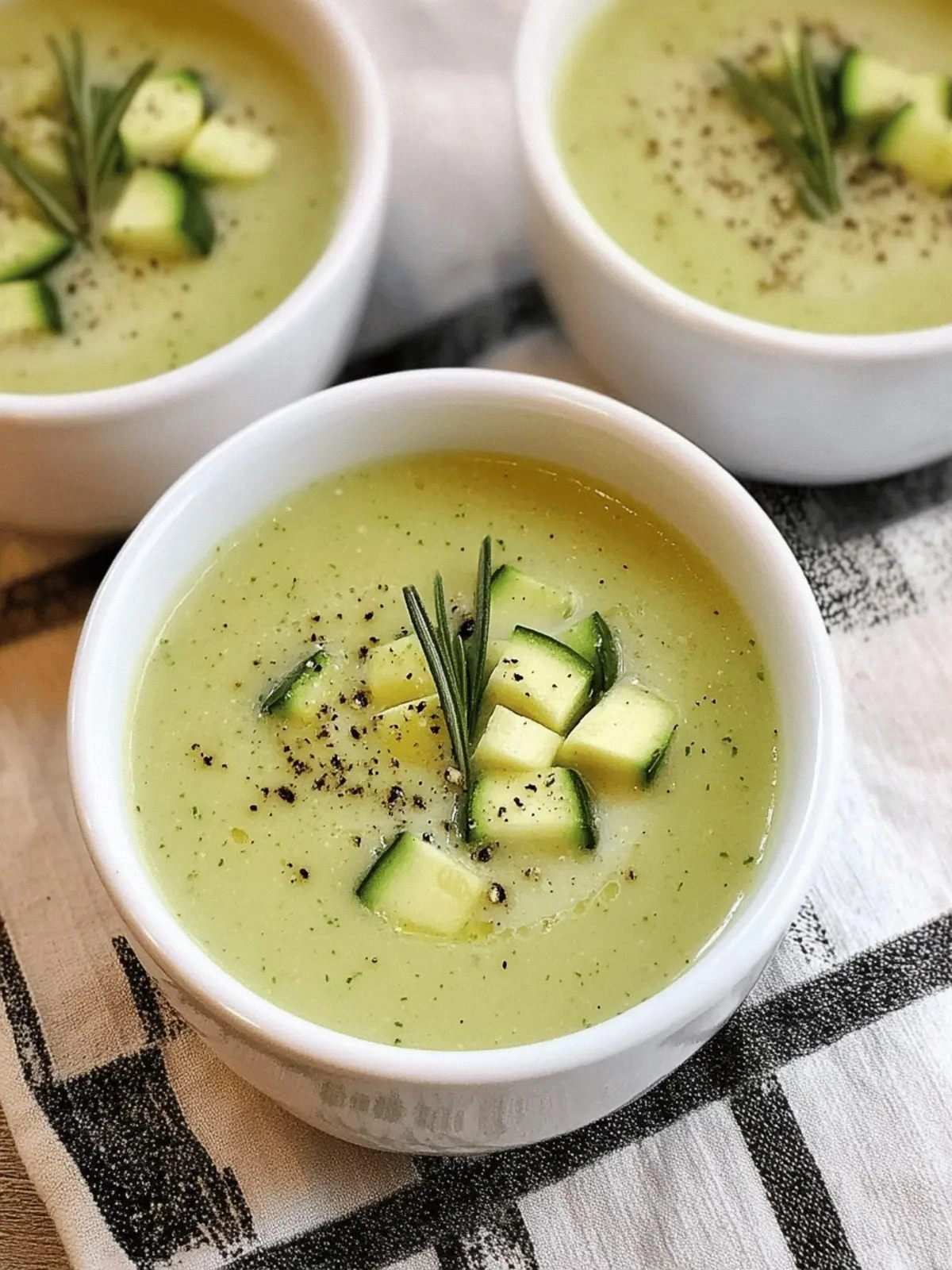
- Use an immersion blender to partially puree the soup, leaving some chunks for texture. If you don’t have an immersion blender, transfer half the soup to a countertop blender, puree until smooth, then return it to the pot. The goal is a silky consistency with visible pieces of zucchini and potato.
- Season the soup with salt and pepper to taste. Reduce the heat to low and let it simmer for an additional 5 minutes, allowing the flavors to meld. This is the stage where everything comes together.
- Remove the rosemary sprigs. Stir in the chopped green onions, reserving a small handful for garnish. Give the soup a final stir, then ladle into bowls. The soup should be steaming, with a glossy surface and a fragrant aroma that makes your mouth water.
- Serve immediately, garnished with the reserved green onions and a drizzle of olive oil if desired. Enjoy the comforting warmth and the burst of fresh herbs. That sizzle when it hits the pan? Absolute perfection.
That’s it—you did it. But hold on, I’ve got a few more tricks that will take this to another level…
Insider Tricks for Flawless Results
The Temperature Rule Nobody Follows
Keep the soup on low heat after adding the broth. A gentle simmer prevents the broth from boiling away too quickly, preserving the delicate flavors. I once tried a high‑heat method and ended up with a watery soup that tasted flat. The secret is patience—let the flavors develop slowly.
Why Your Nose Knows Best
Taste the soup as you go. Your nose can detect subtle shifts in aroma that signal when the rosemary has infused enough. If the scent becomes overpowering, reduce the rosemary or remove the sprigs earlier. Trust your senses; they’re the best judge of flavor balance.
The 5‑Minute Rest That Changes Everything
Let the soup rest for 5 minutes after cooking before serving. This allows the flavors to settle and the broth to thicken slightly. I’ve seen this trick turn a good soup into a great one. It’s a small step that yields a big payoff.
Avoiding the “Too Watery” Pitfall
If you find the soup too thin, reduce the amount of broth or let it simmer uncovered for a few minutes to evaporate excess liquid. Adding a tablespoon of potato flakes can also help thicken without altering flavor. This tweak is a lifesaver for those who love a thicker consistency.
The Power of Fresh Herbs
Use fresh rosemary and green onions instead of dried. Fresh herbs provide a brighter, cleaner flavor that complements the zucchini. If you only have dried herbs, use half the amount and add them later to avoid bitterness.
The Final Touch
A splash of lemon juice right before serving adds a bright, zesty note that cuts through the richness. I love to squeeze a few drops over each bowl—just enough to brighten the dish without overpowering it. It’s a simple, game‑changing move.
Creative Twists and Variations
This recipe is a playground. Here are some of my favorite ways to switch things up:
Creamy Coconut Twist
Replace half of the broth with coconut milk for a tropical flavor. The coconut adds a subtle sweetness that pairs beautifully with rosemary. Serve with a sprinkle of toasted coconut flakes for extra crunch.
Spicy Sriracha Kick
Stir in a teaspoon of sriracha during the last simmer. The heat balances the herbaceous notes and adds a smoky depth. Pair with a cooling yogurt dollop to keep the palate refreshed.
Mediterranean Medley
Add a handful of chopped sun‑dried tomatoes and a pinch of oregano. This variation gives the soup a Mediterranean flair, with a burst of umami and bright acidity.
Roasted Garlic Version
Roast the garlic cloves in the oven until caramelized before adding them to the pot. The sweet, mellow flavor of roasted garlic transforms the soup into a richer, more complex dish.
Vegan Upgrade
Swap the butter for a plant‑based butter or a drizzle of olive oil. Use a vegetable broth and ensure all other ingredients are plant‑based. The soup remains creamy and hearty, with a bright, herbaceous finish.
Pesto Power
Stir in a couple of spoonfuls of basil pesto at the end. The pesto adds a fresh, herby burst that complements the rosemary. It’s a great way to add a pop of color and flavor.
Storing and Bringing It Back to Life
Fridge Storage
Store the soup in an airtight container in the refrigerator for up to 4 days. The flavors will deepen, making it even more delicious. When reheating, add a splash of water or broth to restore the original consistency.
Freezer Friendly
Freeze the soup in freezer‑safe containers for up to 3 months. Thaw overnight in the refrigerator, then reheat on the stove over low heat. Stir frequently to prevent separation.
Best Reheating Method
Reheat the soup gently on the stovetop, adding a tiny splash of water or broth to keep it silky. Avoid boiling, as high heat can cause the broth to separate. Finish with a drizzle of olive oil for a glossy finish.