Picture this: you’re halfway through a week of bland dinners, the fridge is a gray abyss, and the only thing that can save the evening is a dish that tastes like a tropical vacation in a pot. I was staring at a lonely chicken thigh and a half‑roasted sweet potato when a burst of curiosity hit me like a sassy spice. That moment sparked a kitchen experiment that would later become the most beloved version of Chicken Sweet Potato Curry I’ve ever cooked. I swear, the aroma that filled the air was like a warm hug that said, “You’re home, darling.”
I dare you to taste this and not go back for seconds. The first sizzle when the oil hits the pan is a cue that the magic is about to begin. The sweet potato cubes pop with a satisfying crack, releasing a caramelized aroma that makes your nose do a happy dance. The chicken browns into a golden brown that promises a juicy center, while the spices mingle like old friends at a reunion. If you’ve ever struggled to balance heat and sweetness, you’re not alone, and I’ve got the fix.
What makes this version stand out is the meticulous layering of flavors that turns an ordinary dish into a symphony of taste and texture. The sauce coats the chicken and sweet potato like velvet, leaving each bite tender and drenched in aromatic bliss. The secret is a blend of traditional curry powder with a touch of smoked paprika that adds depth without overpowering the natural sweetness of the potatoes. I’ve refined this recipe to the point where it’s a foolproof crowd‑pleaser that can be whipped up in under an hour, no matter your culinary prowess.
Most recipes get this completely wrong by either under‑cooking the sweet potatoes or over‑seasoning the broth. I’ve spent countless evenings tweaking the ratio of coconut milk to broth to achieve that silky consistency that clings to every morsel. The result? A dish that’s both comforting and adventurous, a perfect bridge between familiar comfort food and exotic flavor profiles. Picture yourself pulling this out of the pot, the whole kitchen smelling incredible, and the family’s eyes lighting up as the first spoonful hits the palate.
Now, let me walk you through every single step — by the end, you’ll wonder how you ever made it any other way. I’ll share the techniques that elevate this curry from good to unforgettable, from the initial sear to the final garnish that turns a simple meal into a masterpiece. You’ll learn how to balance the heat, how to keep the sweet potatoes perfectly firm, and how to finish the dish with a bright, citrusy lift that keeps everything bright and lively. Get ready to become the chef who can wow guests with a dish that feels like a holiday, even on a Tuesday.
Alright, let’s break down exactly what goes into this masterpiece…
What Makes This Version Stand Out
- Flavor Depth: The combination of curry powder, cumin, and smoked paprika creates a layered taste that feels both exotic and familiar.
- Texture Balance: Sweet potatoes stay firm yet tender, while chicken remains juicy, preventing the dreaded mushy curry.
- Easy Prep: All ingredients are pre‑cut and pre‑measured, making the cooking process feel breezy.
- Heat Control: The recipe uses a balanced amount of spices, so you can adjust the heat without compromising flavor.
- Versatility: Swap chicken for shrimp, tofu, or chickpeas, and the dish still shines.
- Make‑Ahead Friendly: This curry tastes even better the next day, making it perfect for meal prep.
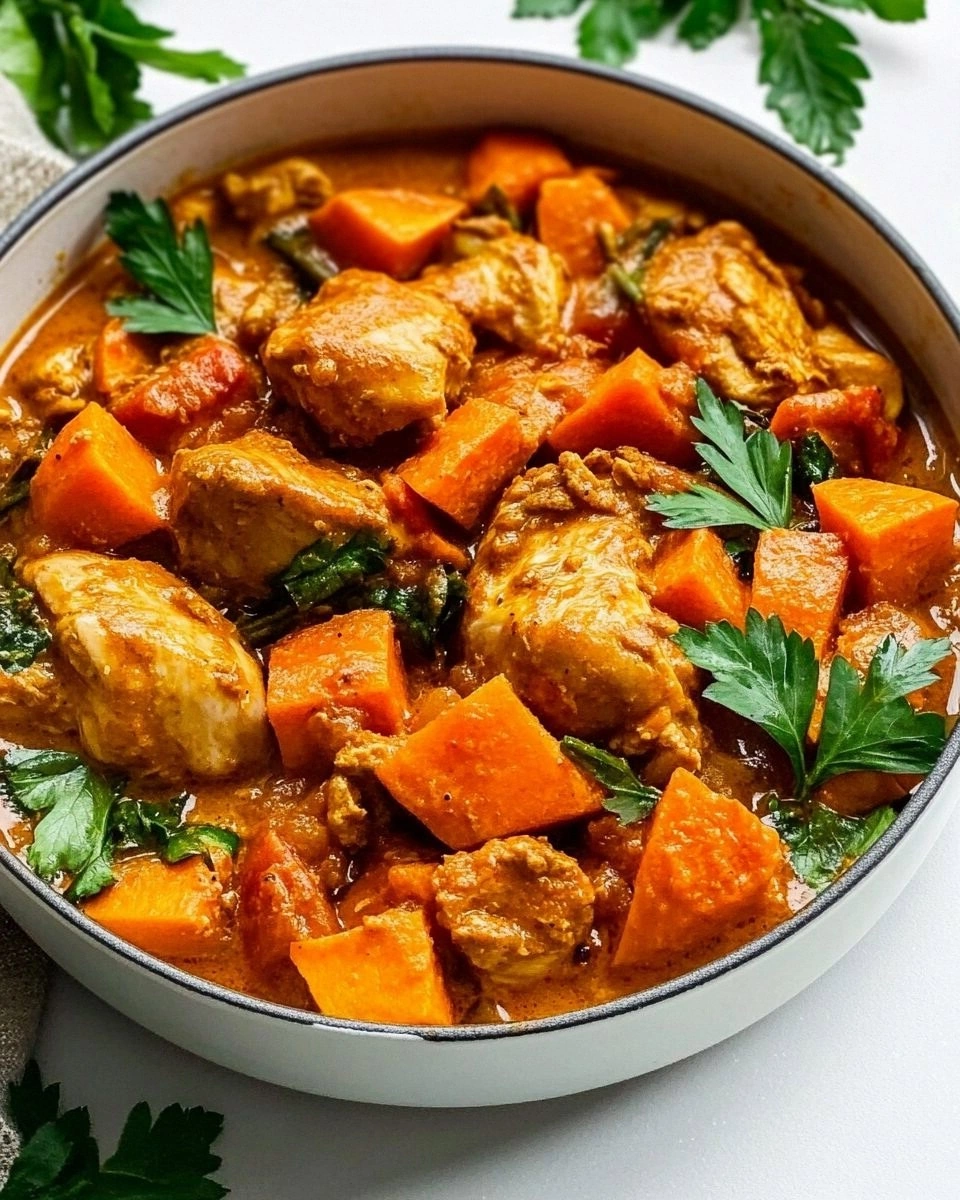
- Visual Appeal: The vibrant orange of sweet potatoes against the creamy sauce is Instagram‑ready.
- Kid‑Friendly: The mild heat level makes it a hit with younger palates.
Alright, let’s break down exactly what goes into this masterpiece…
Inside the Ingredient List
The Flavor Base
At the heart of this curry is a fragrant blend of onion, garlic, ginger, and a generous handful of curry powder. These aromatics form the foundation that carries the rest of the ingredients, giving the dish its unmistakable warmth. Don’t skip the garlic—its sharpness cuts through the sweetness of the potatoes and balances the richness of the coconut milk. If you’re vegan, replace the chicken broth with vegetable stock and use a plant‑based protein like paneer or tempeh. A pinch of ground cumin adds earthy undertones that deepen the overall flavor profile.
The Texture Crew
Sweet potatoes are the star of the show, bringing a natural sweetness and a satisfying bite. Dice them into uniform cubes to ensure even cooking; otherwise, you’ll end up with some mushy and some raw pieces. The chicken, cut into bite‑sized chunks, absorbs the sauce and releases juices that mingle with the coconut milk. For a richer sauce, add a tablespoon of tomato paste, which thickens the mixture while adding subtle acidity. Olive oil is used for searing; it gives the dish a smooth mouthfeel and helps the spices adhere to the ingredients.
The Unexpected Star
Fresh lime juice is the unsung hero that brightens the dish and balances the richness of coconut milk. A squeeze of lime before serving adds a zing that cuts through the sweetness and brings everything together. If you’re looking for a kick, a pinch of red pepper flakes can be tossed in at the end; it’s optional but recommended for those who like a bit of heat. Fresh cilantro is the final garnish, adding a burst of herbal freshness that contrasts the warm spices. This herb also provides a subtle peppery note that lingers on the palate.
The Final Flourish
Salt and pepper are essential, but taste is king—season as you go to avoid over‑salting. A splash of coconut milk at the end can smooth out the sauce if it’s too thick, giving it a silky finish. The dish is best served over steamed rice or warm naan, but feel free to experiment with quinoa or cauliflower rice for a lower‑carb option. Remember, the goal is a sauce that clings to the chicken and sweet potatoes, not a watery soup. The final garnish of cilantro and a squeeze of lime completes the visual and flavor palette.
Everything's prepped? Good. Let's get into the real action.
The Method — Step by Step
Heat a large skillet over medium‑high heat and add 2 tablespoons of olive oil. Let the oil shimmer until it starts to ripple—this signals that it’s hot enough for searing. Add the diced chicken, seasoning it with a pinch of salt and pepper, and cook until it’s browned on all sides, about 5–6 minutes. This creates a caramelized crust that locks in juices. Once browned, remove the chicken and set aside on a plate. The sizzling sound is your cue that the base flavor is forming.
In the same skillet, reduce the heat to medium and toss in the diced onion. Sauté until the onion turns translucent, about 3–4 minutes, stirring frequently to avoid sticking. Add the minced garlic and ginger, letting them cook for an additional 30 seconds until fragrant. The aroma of garlic and ginger should fill the kitchen, signaling that the aromatics are ready to mingle. This step builds the foundation for the curry’s depth.
Stir in 2 tablespoons of curry powder, 1 teaspoon of cumin, 1 teaspoon of turmeric, and 1 teaspoon of smoked paprika. Toast the spices for 1–2 minutes, allowing their oils to release. You’ll notice the spices darken slightly and become more aromatic. This is the moment of truth—if the spices don’t sing, you’ve missed the chance to elevate the dish. Keep the heat low enough to avoid burning, but high enough to release their flavor.
Pour in the tablespoon of tomato paste and stir until it’s fully incorporated, coating the onion mixture. The tomato paste adds a subtle sweetness and helps thicken the sauce. Let it cook for another minute, watching it darken slightly. This step is critical for achieving a rich, velvety base that will envelop the chicken and potatoes. The sauce should look glossy and aromatic.
Add the diced sweet potatoes, stirring to coat them evenly with the spice mixture. Pour in 1 cup of coconut milk and 1 cup of chicken broth, then bring the mixture to a gentle simmer. Cover the skillet and let it cook for 10 minutes, allowing the sweet potatoes to soften without disintegrating. Keep an eye on the liquid level—if it starts to reduce too quickly, add a splash of water. The sweet potatoes should be tender yet firm.
Return the browned chicken to the skillet, ensuring it’s submerged in the sauce. Stir gently, then reduce the heat to low and let the curry simmer for another 10 minutes. The sauce should thicken slightly, and the chicken should be fully cooked, reaching an internal temperature of 165°F. The sweet potatoes will absorb the flavors, becoming a creamy, caramelized coating.
Stir in 2 tablespoons of lime juice, tasting the sauce to adjust salt and pepper as needed. The lime juice brightens the dish, cutting through the richness of the coconut milk. If the sauce feels too thick, add a splash more broth or water to reach your desired consistency. The final stir should make the sauce glossy and inviting.
Garnish with fresh cilantro, a sprinkle of red pepper flakes if desired, and a final squeeze of lime. The cilantro adds a burst of freshness that contrasts the warm spices, while the pepper flakes give a subtle kick. Plate the curry over steamed rice or naan, ensuring each bite is coated with the luscious sauce. The aroma should be irresistible, drawing everyone to the table.
Serve immediately, encouraging guests to taste the first spoonful and see why this dish is a game‑changer. The first bite should reveal a harmonious blend of sweet, spicy, and tangy flavors that dance on the tongue. Encourage diners to add extra lime or pepper if they want more brightness or heat. This dish is designed to be shared and savored.
Enjoy the moment of triumph—this is the culmination of a recipe that’s both comforting and adventurous. The satisfaction of creating a dish that looks, smells, and tastes extraordinary is unmatched. The final plate should be a testament to your culinary prowess and the joy of cooking.
That’s it— you did it. But hold on, I’ve got a few more tricks that will take this to another level. These insider secrets will make your curry even more memorable and foolproof.
Insider Tricks for Flawless Results
The Temperature Rule Nobody Follows
Many home cooks keep the heat too high, which can scorch the spices and burn the sweet potatoes. I recommend keeping the stove on medium‑low once the curry is simmering; this allows flavors to meld without compromising texture. If you’re using a gas stove, turn the flame to the middle setting. The sauce should bubble gently, not boil vigorously. This subtle control ensures a silky finish.
Why Your Nose Knows Best
Don’t rely solely on the clock—trust your nose to guide you. When the curry is ready, the aroma should be rich, warm, and slightly citrusy. If it still smells raw, give it a few more minutes. Your nose will tell you when the spices have fully developed, preventing premature serving.
The 5‑Minute Rest That Changes Everything
After you remove the curry from heat, let it rest for five minutes before serving. This allows the flavors to settle and the sauce to thicken slightly. The rest period also lets the sweet potatoes absorb more of the sauce, creating a luscious coating. The five‑minute pause is a small but vital step that elevates the dish.
Use Fresh Herbs, Not Dried
Fresh cilantro and basil bring bright, lively notes that dried herbs simply can’t match. If you’re out of cilantro, try fresh mint for a different twist. The key is to add the herbs at the end, just before serving, so they retain their vibrant color and flavor.
Keep the Sauce Smooth
Stir the curry constantly once the broth has been added to prevent lumps. A small whisk will help incorporate the coconut milk smoothly. If lumps do form, use a blender to puree the sauce quickly, then return it to the skillet.
Make‑Ahead Magic
This curry actually tastes better the next day because the flavors have time to marry. Store it in an airtight container in the fridge for up to three days. When reheating, add a splash of water or broth to restore moisture. The dish will reheat evenly on the stovetop over low heat.
Creative Twists and Variations
Vegan Vibes
Swap the chicken for paneer, tofu, or chickpeas. The tofu will absorb the curry’s flavors beautifully, while chickpeas add a hearty texture. Keep the coconut milk and spices the same for a plant‑based delight. The result is a dish that’s both protein‑rich and satisfying.
Seafood Surprise
Replace the chicken with shrimp or scallops for a quick protein boost. Add the seafood in the last five minutes of cooking to keep it tender. The sweet potatoes still provide a sweet contrast to the briny ocean flavors.
Spicy Kick
Increase the amount of red pepper flakes or add a sliced fresh chili during the simmer. If you love heat, incorporate a tablespoon of hot sauce for an extra punch. The sweet potatoes will balance the spiciness, preventing it from overpowering the dish.
Low‑Carb Twist
Serve the curry over cauliflower rice or shirataki noodles to keep the carb count low. The sweet potatoes will still be the star, but the overall dish will feel lighter. Pair with a side of steamed broccoli for a balanced meal.
Breakfast Bounty
Use leftover curry for a breakfast bowl topped with a fried egg and avocado. The protein from the egg and the healthy fats from the avocado make it a nutrient‑dense start to the day. The warm curry will pair perfectly with a crunchy toast.
Holiday Flavor
Add a handful of dried cranberries or raisins for a festive twist. The sweet, tart notes complement the spices and sweet potatoes. Serve it alongside a roast turkey for a holiday centerpiece that feels both seasonal and comforting.
Storing and Bringing It Back to Life
Fridge Storage
Store the curry in an airtight container for up to three days. Keep it in the coldest part of the fridge to maintain freshness. When you’re ready to eat, let it sit at room temperature for about ten minutes before reheating.
Freezer Friendly
Freeze the curry in freezer‑safe containers for up to two months. Thaw overnight in the fridge, then reheat on the stovetop. Add a splash of coconut milk or water to restore the sauce’s silky texture.
Best Reheating Method
Reheat the curry slowly over low heat, stirring frequently. A splash of water or broth helps prevent the sauce from thickening too much. The goal is to bring the dish back to its original warmth without overcooking the sweet potatoes.