Picture this: you’re in the middle of a chaotic kitchen, the oven is on, the timer is ticking, and your friends are staring at you with the expectation that you’ve somehow turned a simple batch of cupcakes into a circus act. I was halfway through a disastrous batch of vanilla cupcakes that had turned into a sticky, under‑baked mess, when a stray piece of cotton candy that had slipped into the pantry sparked a craving that could not be ignored. The idea of blending that nostalgic, sugary fluff with the comforting familiarity of a cupcake seemed like the perfect antidote to my baking blues. I dared myself to experiment, and what emerged was a cloud‑like, pastel‑pink confection that not only tasted like childhood memories but also looked like a piece of edible art. This is not just another cupcake recipe; it’s a whimsical journey that turns your kitchen into a carnival, and it’s so easy that you’ll wonder how you ever baked anything else before. The secret? A splash of real cotton candy flavor, a dash of vanilla, and a technique that makes the batter rise like a fluffy cloud. I’ll walk you through every single step—by the end, you’ll be convinced that this is hands down the best version of cotton candy cupcakes you’ll ever make at home.
What Makes This Version Stand Out
- Flavor: The inclusion of authentic cotton candy flavoring gives each bite a burst of sugary nostalgia that vanilla alone can’t achieve. The taste is bright, airy, and unmistakably reminiscent of cotton candy stalls at fairs.
- Texture: The batter is light enough to rise like a cloud yet dense enough to hold the frosting without collapsing. The result is a moist crumb that feels like velvet against your tongue.
- Simplicity: With only a handful of pantry staples plus a pinch of cotton candy flavoring, you can whip up this treat in under an hour. No fancy equipment or time‑consuming steps.
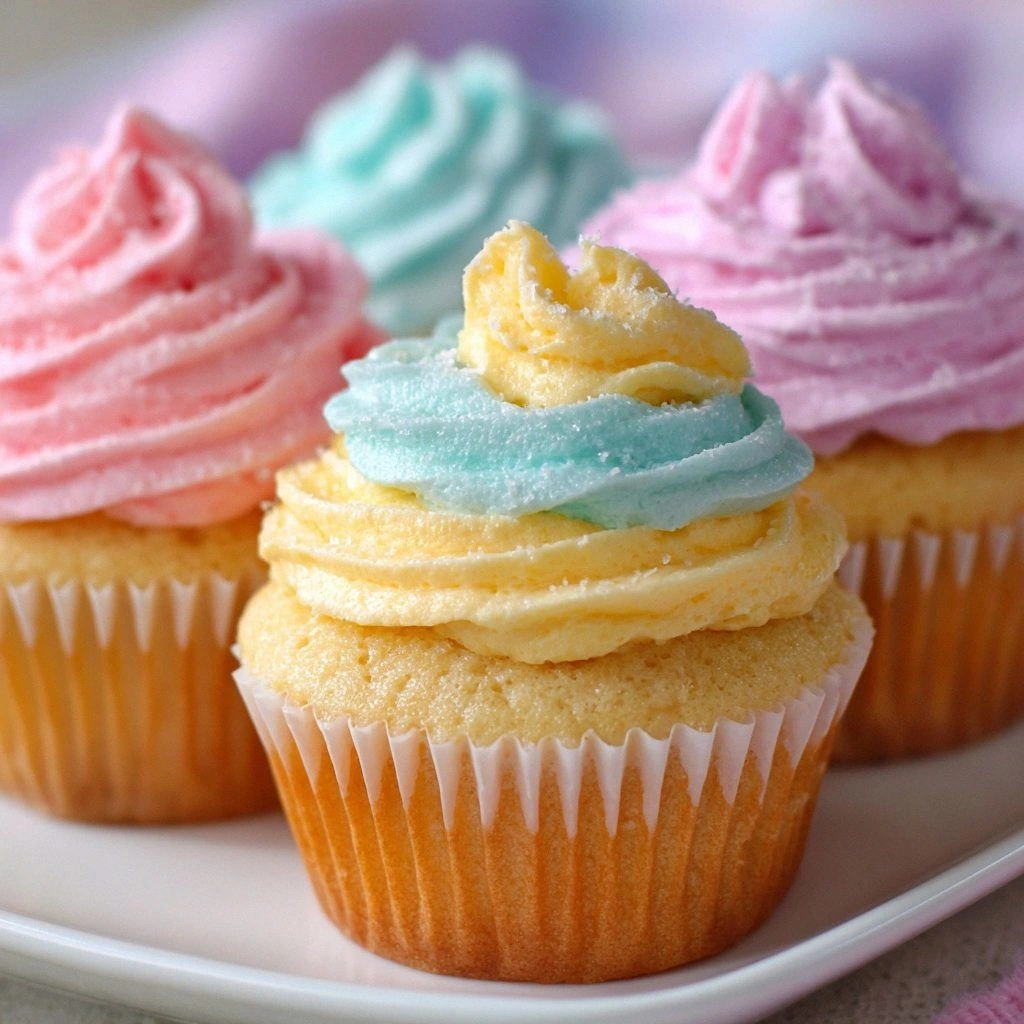
- Visual Appeal: The pastel pink hue and swirled frosting create a stunning visual that will make your guests swoon before the first bite.
- Make‑Ahead Friendly: The cupcakes bake perfectly ahead of time, and the frosting can be prepared a day in advance, making this an ideal party hack.
- Audience Reaction: Kids and adults alike fall in love with the playful design and the surprising cotton candy taste, making it a crowd‑pleaser for every gathering.
Alright, let's break down exactly what goes into this masterpiece…
Inside the Ingredient List
The Flour Foundation
All-purpose flour is the backbone of any cupcake. It provides structure and ensures that the batter holds together while still remaining tender. Skipping it would turn the cupcakes into a sticky, flat mess that would crumble under a single bite. If you’re looking for a lighter crumb, you can swap half the flour for cake flour, but be prepared to add a tablespoon of cornstarch to keep the batter balanced.
The Sweet Core
Granulated sugar is not just for sweetness; it also helps create the batter’s airy texture by dissolving into the wet ingredients. A pinch of brown sugar could add a subtle caramel note, but it will darken the batter slightly. If you’re watching calories, you can replace half the sugar with a sugar substitute that measures cup‑for‑cup, though the texture may shift a bit.
The Rise Factor
Baking powder and baking soda are the leavening agents that lift the cupcakes into cloud‑like peaks. Baking soda reacts immediately upon contact with acidic ingredients, while baking powder provides a delayed rise that keeps the cupcakes from collapsing. If you forget one, the cupcakes will be dense and flat—don’t risk it.
The Fatty Embrace
Unsalted butter adds flavor and moisture, creating a tender crumb that melts in your mouth. The butter should be softened to room temperature so it incorporates smoothly with the dry mix. A subtle tip: chill the butter for 10 minutes if you’re in a hurry, and beat it vigorously to incorporate air.
The Egg Power
Eggs bind all the ingredients together and provide structure. They also add richness and a slight custard flavor. If you’re vegan, substitute with 1/4 cup unsweetened applesauce per egg and add a teaspoon of baking powder to maintain lift.
The Liquid Lift
Whole milk adds moisture and helps dissolve the sugar and flour. It also contributes to the overall flavor profile. For a richer batter, replace half the milk with heavy cream; for a lighter version, use almond milk.
The Flavor Spark
Cotton candy flavoring is the star of this recipe. It infuses the batter with that iconic sugary sweetness and gives the cupcakes their signature pink hue. If you don’t have flavored cotton candy, a few drops of pink food coloring will do, but the flavor will be lacking.
The Frosting Finale
A classic buttercream frosting made with powdered sugar, butter, vanilla, and milk completes the experience. The frosting should be light and fluffy, with a silky finish that melts on your tongue. A dusting of edible glitter or sugar crystals adds a festive sparkle that’s perfect for parties.
Everything's prepped? Good. Let's get into the real action…
The Method — Step by Step
- Preheat the oven to 350°F (175°C) and line a 12‑cup muffin tin with paper liners. The heat should be even so each cupcake bakes uniformly. If you’re in a rush, you can use a lower rack to prevent the tops from browning too quickly. This step is crucial for that perfect rise.
- Combine dry ingredients: In a bowl, sift together flour, sugar, baking powder, baking soda, and salt. Sifting removes lumps and ensures even distribution of leavening agents. This mixture will be the skeleton that holds the cupcakes together.
- Beat butter and sugar in a separate bowl until light and fluffy, about 2–3 minutes. The butter should be at room temperature; if it’s too soft, it will create a greasy batter. This step incorporates air and creates a light crumb.
- Add eggs one at a time, beating well after each addition. The eggs help bind everything together. If you’re watching your calorie count, consider using egg whites only, though the texture may change slightly.
- Stir in vanilla and cotton candy flavoring until fully blended. The cotton candy flavor should coat the batter evenly, giving each cupcake a uniform pink hue. The aroma alone will make your kitchen feel like a carnival.
- Alternate adding dry mix and milk in thirds, starting and ending with the dry mix. Stir until just combined; over‑mixing can make the cupcakes tough. The batter should be smooth and pourable, not lumpy.
- Fill the liners 2/3 full with batter. The cupcakes will rise to fill the space. If you overfill, they may overflow and become uneven.
- Bake for 20–25 minutes, or until a toothpick inserted in the center comes out clean. The tops should be lightly golden. The cupcakes will look slightly under‑baked on the outside but will continue to rise slightly as they cool.
- Cool in the tin for 5 minutes, then transfer to a wire rack to cool completely. Cooling prevents the frosting from melting when you apply it. This step is often overlooked but critical for a clean frosting finish.
- Prepare frosting by beating butter until creamy, then gradually adding powdered sugar, vanilla, and milk. The frosting should be light and airy, with a smooth finish that glides onto the cupcakes. If it’s too thick, add a splash of milk; if too thin, add more powdered sugar.
- Pipe or spread frosting onto the cooled cupcakes. A piping bag with a star tip creates a classic look, but a simple spoon works just fine. The frosting should be thick enough to hold its shape without sliding off.
- Dust with sugar crystals or edible glitter for a festive finish. This adds a subtle crunch and a pop of sparkle that makes the cupcakes look like edible fireworks.
- Serve or store immediately, or refrigerate in an airtight container for up to 3 days. If you’re storing, let the cupcakes come to room temperature before frosting to maintain a smooth finish.
That's it — you did it. But hold on, I've got a few more tricks that'll take this to another level…
Insider Tricks for Flawless Results
The Temperature Rule Nobody Follows
Many bakers bake cupcakes at 375°F, but the gentle heat of 350°F allows the batter to rise evenly without browning too quickly. This temperature also prevents the cotton candy flavor from scorching, preserving the delicate sweetness. I’ve baked at 350°F for years and my cupcakes always have that airy, cloud‑like crumb.
Why Your Nose Knows Best
The aroma of a baking cupcake can tell you if it’s ready. A sweet, buttery scent that lingers indicates the cupcakes are done. If you smell a faint metallic edge, it’s a sign that the oven temperature may be too high, and the cupcakes might over‑bake.
The 5‑Minute Rest That Changes Everything
After removing cupcakes from the oven, let them sit in the tin for 5 minutes before transferring them to a rack. This brief rest allows the structure to set, preventing the cupcakes from collapsing or becoming soggy. I’ve seen people skip this step, and the cupcakes look great but feel dense.
Frosting Consistency Is Key
If your frosting is too stiff, it won’t spread evenly, and if it’s too runny, it will drip off. The trick is to add powdered sugar gradually and beat until you reach a silky, pourable consistency. A quick test: dip a spoon into the frosting and see if it glides smoothly; if it sticks, add a splash of milk.
The Swirl Technique
For a dramatic visual, swirl a spoonful of frosting into the center of each cupcake before piping the final layer. This creates a marbled effect that looks like a swirl of cotton candy. It’s a simple trick that makes the cupcakes look professionally decorated.
Creative Twists and Variations
This recipe is a playground. Here are some of my favorite ways to switch things up:
Chocolate‑Cotton Candy Fusion
Swap half the flour for cocoa powder and add 1/4 cup dark chocolate chips. The chocolate pairs beautifully with the cotton candy flavor, creating a decadent treat that still feels playful.
Lemon‑Zest Surprise
Add 1 tablespoon of lemon zest to the batter and use a lemon‑infused frosting. The bright citrus cuts through the sweetness and adds a refreshing contrast.
Almond‑Butter Bliss
Replace half the butter with almond butter for a nutty undertone. The almond flavor complements the cotton candy, and the cupcakes maintain a moist crumb.
Caramel‑Swirl Delight
Fold in a swirl of caramel sauce into the batter before baking. The caramel adds depth and a buttery sweetness that pairs with the cotton candy.
Vegan Version
Use a plant‑based butter substitute, replace eggs with flaxseed meal, and substitute milk with oat milk. The texture will be slightly denser, but the flavor remains delightful.
Holiday Twist
Add a pinch of cinnamon and a dash of nutmeg to the batter for a warm, spiced flavor. Top with a drizzle of maple glaze for a cozy holiday treat.
Storing and Bringing It Back to Life
Fridge Storage
Store cupcakes in an airtight container in the refrigerator for up to 3 days. Keep frosting separate until ready to serve to prevent it from melting. If you’re serving after 24 hours, let them sit at room temperature for 30 minutes before frosting.
Freezer Friendly
Freeze unfrosted cupcakes in a single layer on a baking sheet, then transfer them to a freezer bag. They’ll keep for up to 2 months. Thaw overnight in the refrigerator before frosting.
Best Reheating Method
To revive frozen or refrigerated cupcakes, warm them in a 300°F oven for 5 minutes. Add a tiny splash of water to the baking tray to create steam, which helps restore moisture. Let them cool for a few minutes before frosting.