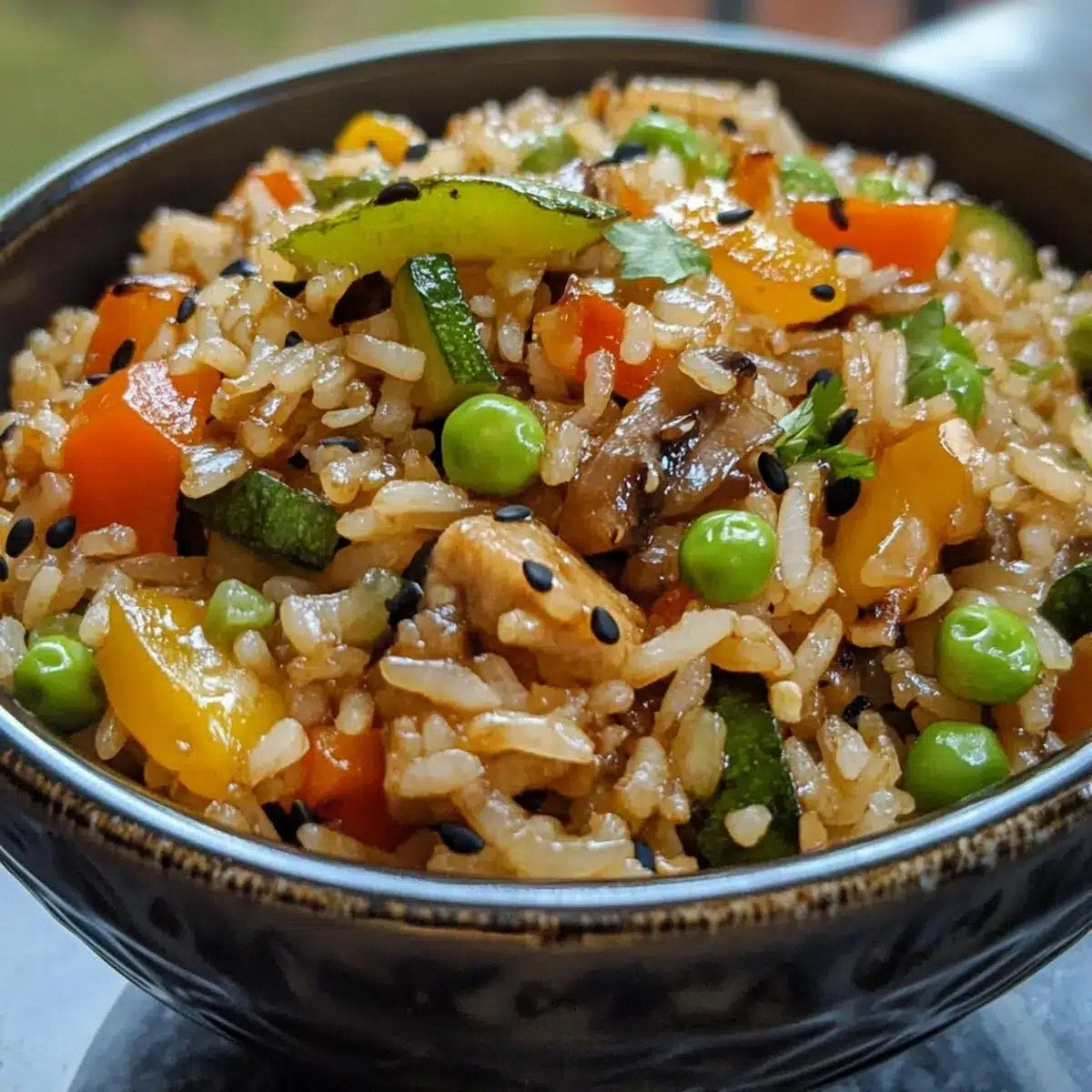
I was halfway through a midnight snack when the pantry light flickered, and the only thing that felt right was a bowl of rice and a handful of vegetables. My friend had dared me to turn whatever I had on hand into a teriyaki masterpiece, and I couldn't resist. The moment the soy sauce hit the pan, a sweet aroma rolled in like a velvet blanket, and I knew this was going to be special. I watched the carrots transform from dull orange to a caramelized glow, and the snow peas crackle like tiny fireworks. The kitchen hummed, the garlic released a punchy note that danced with the ginger, and the rice began to absorb the sauce like a sponge.
That sizzle when it hits the pan? Absolute perfection. By the end, my kitchen smelled like a Japanese street market, and I was already planning the next batch. I’ll be honest — I ate half the batch before anyone else got a chance to try it, and that’s the kind of confidence this dish brings. The sauce coats the rice like velvet, but it also coats the veggies with a glossy, savory sheen that makes every bite feel like a celebration. If you’ve ever struggled to get the right balance of sweet and umami, you’re not alone — and this version has the fix.
The secret? A simple cornstarch slurry that thickens the sauce just enough to cling to every grain without making it soggy. Most recipes get this completely wrong, ending up with a watery mess that drips off the spoon. Here, the sauce is thick enough to cling, yet light enough to let the vegetables shine. Picture yourself pulling this out of the pan, the whole kitchen smelling incredible, and the steam rising in ribbons. I dare you to taste this and not go back for seconds.
The beauty of this recipe is its simplicity — 13 ingredients, 10 steps, and a total of 25 minutes. It’s hands down the best version you’ll ever make at home because every element is thoughtfully chosen to complement the others. The long‑grain rice is the canvas that absorbs the sauce, while the carrots, bell peppers, and snow peas add crunch, color, and a burst of natural sweetness. The green onions provide a sharp finish that cuts through the richness, and the sesame seeds add a nutty crunch that’s impossible to ignore. The fresh cilantro finishes the dish with a bright, herbaceous note that lifts the entire flavor profile.
The sauce, with its blend of soy sauce, brown sugar, ginger, garlic, and rice vinegar, delivers a balanced umami punch that’s both sweet and savory. The cornstarch slurry gives the sauce the perfect body, making it cling to every grain of rice and every bite of veggie. And that final splash of sesame oil? Pure magic. If you’ve ever tried to make teriyaki at home and ended up with a sticky mess, this recipe is your salvation. By the end, you’ll wonder how you ever made it any other way.
What Makes This Version Stand Out
- Flavor: The sauce is a symphony of sweet, salty, and umami, balanced by a subtle acidity from rice vinegar that keeps every bite bright.
- Texture: Carrots and snow peas stay crisp, while the rice soaks up the sauce without becoming mushy, creating a delightful contrast.
- Speed: From prep to plate, the entire process takes only 25 minutes, making it ideal for busy weeknights.
- Simplicity: With only 13 ingredients and a single pan, you can whip up a restaurant‑style dish without a kitchen full of gadgets.
- Versatility: Swap in tofu, tempeh, or shrimp for protein, or add a splash of sriracha for heat without changing the core.
- Visual Appeal: The vibrant colors of bell pepper, carrot, and snow peas against the glossy sauce make the dish Instagram‑ready.
- Nutrition: Packed with fiber, vitamins, and a moderate protein profile, it satisfies both taste buds and health goals.
Alright, let’s break down exactly what goes into this masterpiece…
Inside the Ingredient List
The Flavor Base
Soy Sauce: It’s the backbone of the teriyaki, providing deep umami and saltiness. A small amount can overpower the dish, so keep it measured. If you’re watching sodium, opt for a low‑sodium version and adjust the sugar.
Brown Sugar: Adds a caramel sweetness that balances the salt. It also helps the sauce thicken slightly when it simmers. If you prefer a sweeter dish, double the amount.
Ginger: Fresh ginger injects a bright, peppery note that cuts through the richness. It’s also a natural anti‑inflammatory. Grate it finely so it distributes evenly.
Garlic: Garlic gives depth and a hint of heat. Mince it finely to avoid clumps. If you’re sensitive to raw garlic, lightly sauté it before adding the sauce.
Rice Vinegar: Its acidity lifts the sweetness and prevents the sauce from becoming cloying. It also helps the rice stay fluffy. If you can’t find rice vinegar, a splash of white wine vinegar works.
The Texture Crew
Carrots: They add crunch and natural sweetness. Slice them into thin matchsticks so they cook quickly. A pinch of salt before sautéing helps them retain their color.
Bell Peppers: Bright and sweet, they bring color and a mild crunch. Use a mix of red, yellow, and green for a rainbow effect. Slice them into bite‑sized strips.
Snow Peas: They’re the secret to that satisfying snap. Trim the ends and keep them whole. They cook fast, so add them last.
Green Onions: They provide a fresh, oniony finish that cuts through the richness. Slice them thinly and add them at the end. They also add a pop of green.
The Grain Foundation
Long‑Grain White Rice: It soaks up the sauce while staying separate, giving each bite a pleasant bite. Rinse it first to remove excess starch. Cook it al dente to avoid mush.
The Final Flourish
Sesame Seeds: They add a nutty crunch and a subtle earthiness. Toast them lightly before sprinkling for extra flavor. A tablespoon is enough to coat the dish.
Cilantro: Fresh cilantro brightens the dish and adds a herbal note. Chop it finely to distribute evenly. If you’re not a fan, leave it out or replace with parsley.
Everything's prepped? Good. Let's get into the real action…
The Method — Step by Step
- Begin by rinsing the long‑grain rice under cold water until the water runs clear. This removes excess starch and keeps the grains fluffy. Transfer the rice to a medium saucepan with 2 cups of water and a pinch of salt. Bring to a boil, then reduce heat to low, cover, and simmer for 12 minutes. After the water has absorbed, fluff the rice with a fork and set aside; it should be tender but not mushy.
- While the rice cooks, heat a large skillet over medium‑high heat and add 1 tablespoon of neutral oil. When the oil shimmers, add the sliced carrots and stir‑fry for 2 minutes, just until they start to soften. Add the bell pepper strips and continue sautéing for another 2 minutes. The vegetables should be bright and slightly crisp, not fully cooked.
- Now it’s time to bring the sauce to life. In a small bowl, whisk together ¼ cup soy sauce, 2 tablespoons brown sugar, 1 tablespoon ginger, 2 cloves minced garlic, and 1 tablespoon rice vinegar. Pour this mixture into the skillet, letting it bubble and caramelize for 1 minute. The aroma should be intoxicating, like a summer market in Kyoto.
- Stir in the snow peas and let them mingle with the sauce for 1 minute. The snow peas should retain their bright green color and a satisfying snap. Keep the heat high to ensure the vegetables stay crisp. This step is the secret to a textural dance in every bite.
- Time to introduce the cornstarch slurry: mix 1 tablespoon cornstarch with 2 tablespoons cold water until smooth. Pour this into the skillet while continuously stirring. The sauce will thicken almost instantly, coating the veggies like a glossy glaze. Be careful not to let it boil for too long, or it will become gummy.
- Add the pre‑cooked rice to the pan, tossing gently to coat each grain. Let everything simmer together for 2 minutes, allowing the rice to absorb the sauce fully. The rice should look glossy and the sauce should cling to every corner. This is the moment of truth.
- Remove the skillet from heat and sprinkle 1 tablespoon sesame seeds over the top. Toss in the sliced green onions, reserving a few for garnish. Finally, add 2 tablespoons fresh cilantro, tossing lightly to combine. The dish should look vibrant and inviting.
- Serve immediately over a fresh bed of rice, or let it cool and use as a filling for lettuce wraps. The dish is versatile enough to be a main or a side. The key is to serve it hot so the sauce remains glossy. Plate it with a sprinkle of extra cilantro for a pop of color.
That’s it — you did it. But hold on, I've got a few more tricks that'll take this to another level…
Insider Tricks for Flawless Results
The Temperature Rule Nobody Follows
Keep the skillet at medium‑high heat until the sauce starts to bubble. If the heat is too low, the sauce will become thick and sticky. If it’s too high, the veggies will burn before they’re cooked. A steady heat ensures a perfect caramelization without scorching.
Why Your Nose Knows Best
Smell the sauce as it simmers; it should develop a sweet, savory aroma. If it’s still raw, give it a few more minutes. Your nose is a reliable gauge for doneness, more so than a timer sometimes.
The 5‑Minute Rest That Changes Everything
After cooking, let the dish sit for five minutes before serving. The flavors will meld, and the sauce will thicken slightly, giving a richer taste. I once skipped this step and the dish tasted thin; the rest made all the difference.
The Secret Ingredient Swap
If you’re vegan, replace the soy sauce with tamari for a richer flavor. For a low‑sodium version, use a sodium‑free soy sauce and reduce the sugar. A pinch of cayenne pepper can add a subtle kick without overpowering the dish.
The Quick Rinse Trick
Rinse your rice under cold water before cooking to remove starch and prevent clumping. I always forget this step, and the rice ends up gummy. A quick rinse and a pinch of salt sets the stage for fluffy grains.
The Finish with Sesame Oil
A drizzle of toasted sesame oil at the end adds an earthy aroma and a silky finish. It also deepens the nutty notes of the sesame seeds. A few drops are all you need to elevate the dish.
Creative Twists and Variations
Protein Power Pack
Add tofu cubes for a protein boost. Pan‑fry them until golden before adding the sauce. This turns the dish into a satisfying main course.
Spicy Sriracha Kick
Stir in a tablespoon of sriracha for heat. The sauce becomes bold and vibrant, perfect for spice lovers. Balance the heat with extra brown sugar if needed.
Miso Magic
Replace half the soy sauce with miso paste. The result is a deeper umami flavor and a richer color. Miso also adds a subtle nuttiness.
Coconut Cream Twist
Swap the water used in the cornstarch slurry with coconut milk. The dish takes on a creamy, tropical vibe. It pairs well with pineapple or mango.
Herb Garden Variation
Add fresh basil or mint for a fresh, aromatic finish. These herbs complement the teriyaki sauce and add a refreshing note. A handful before serving does wonders.
Gluten‑Free Upgrade
Use tamari instead of soy sauce and ensure the cornstarch is gluten‑free. The dish remains flavorful and safe for those with celiac disease. The taste is nearly identical.
Storing and Bringing It Back to Life
Fridge Storage
Store in an airtight container for up to 3 days. The sauce may thicken in the fridge, so add a splash of water before reheating. Keep it in the coldest part of the fridge to preserve freshness.
Freezer Friendly
Freeze in a single‑serving portion for up to 2 months. Thaw overnight in the fridge and reheat gently. A quick stir in the skillet restores the glossy sauce.
Best Reheating Method
Reheat in a skillet over medium heat, adding a teaspoon of water to loosen the sauce. Stir until heated through. The dish tastes best when served hot, with the sauce still glossy.