It was a rainy Thursday, and I was staring at a bowl of bland, overcooked shrimp that had been sitting in the fridge for too long. The only thing that could salvage the situation was a sudden craving for something bright, spicy, and utterly satisfying. I remembered a friend’s dare: “I dare you to taste this and not go back for seconds.” With a grin, I decided that night’s dinner would be a show‑stopping shrimp stir‑fry that would make even the most skeptical foodie swoon.
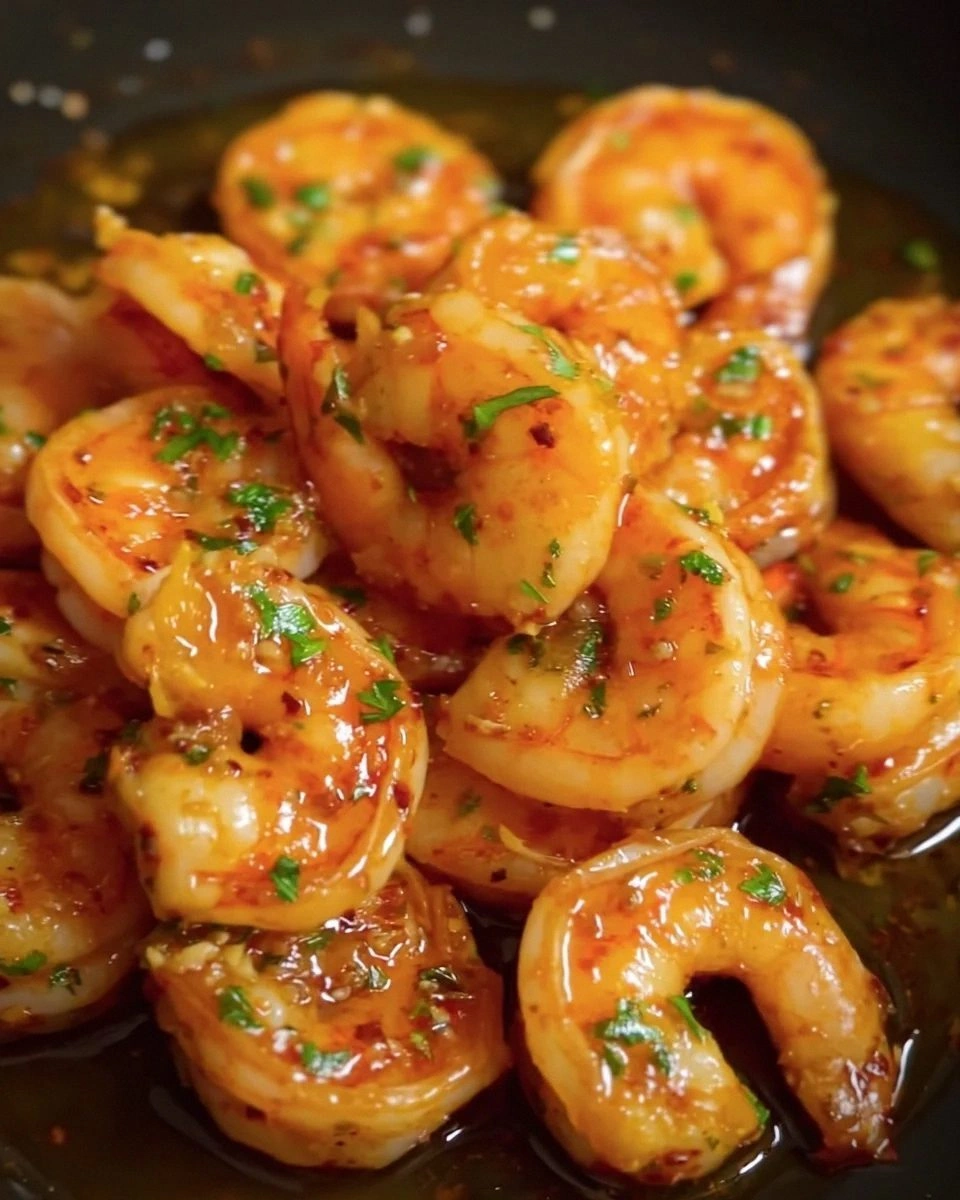
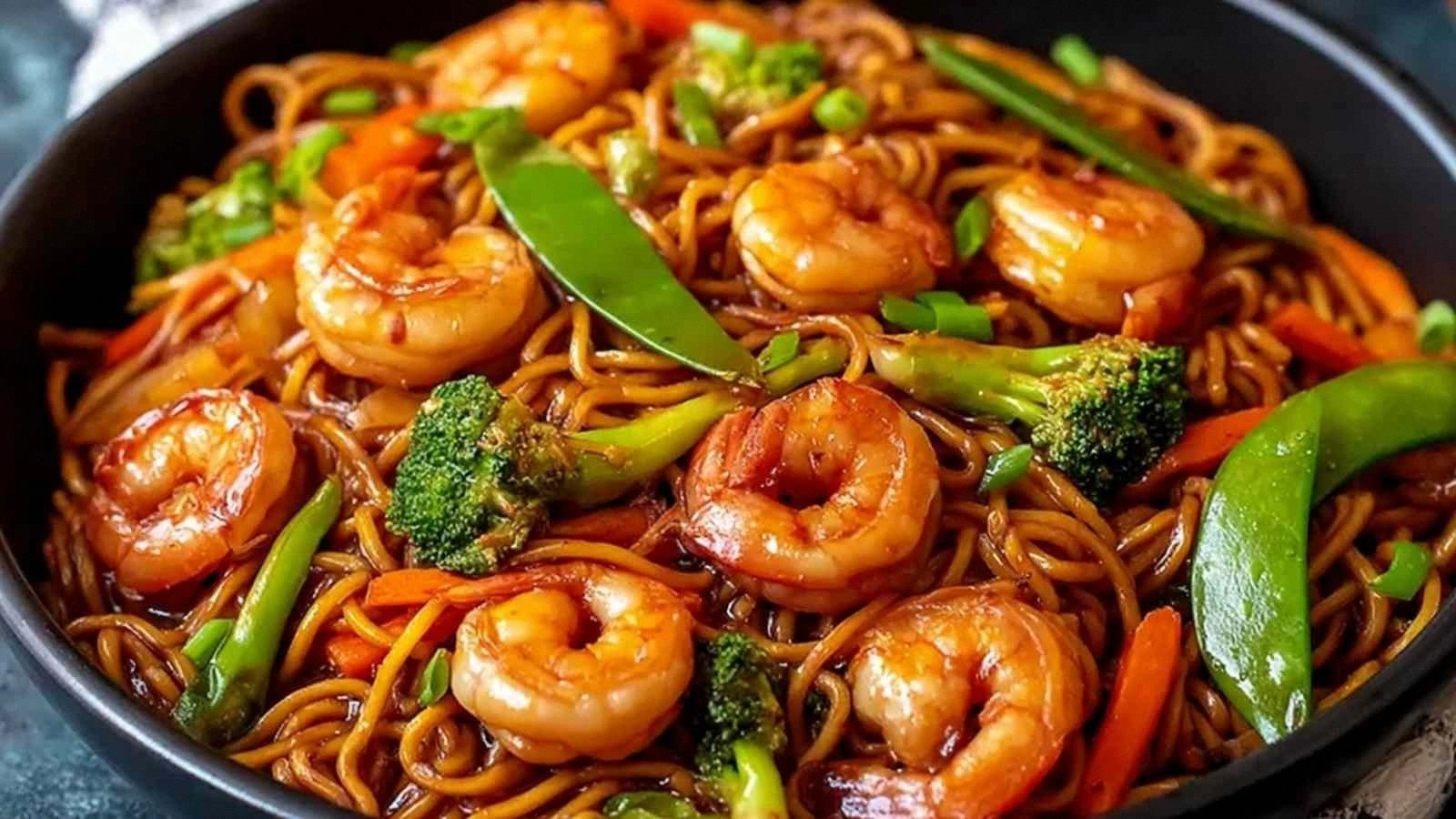
Picture the kitchen: the clatter of the wok, the sizzling scent of garlic and ginger rising, the vibrant splash of red bell pepper, and the crunch of broccoli florets. My eyes caught the steam curling off the pan, the glossy sheen of the sauce as it coated each piece of shrimp, and the faint hiss of oil. I could almost hear the pop of the wok as the shrimp curled into perfect pink crescents. The anticipation built as the aroma mingled with the faint scent of sesame oil, promising a dish that would feel both comforting and adventurous.
What makes this version stand out is not just the flavor, but the entire experience. The sauce is a silky blend that coats the noodles like velvet, while the shrimp retains a tender bite that shatters like thin ice when you bite into it. The dish balances heat and umami without any artificial additives, and the crunch from fresh vegetables adds a satisfying textural contrast. It’s a recipe that feels effortless yet delivers a depth of flavor that would make a restaurant chef blush.
There’s a twist you won’t expect: a subtle splash of rice vinegar that cuts through the sweetness of the hoisin sauce and lifts the whole dish into a bright, fresh profile. The secret to that bright, bright flavor is the final drizzle of sesame oil, which adds a nutty aroma that lingers long after the last bite. I’ve been telling friends that this is hands down the best version you’ll ever make at home, and they can’t argue with the evidence.
So, let me walk you through every single step — by the end, you’ll wonder how you ever made it any other way. I’ll share the techniques that keep the shrimp from becoming rubbery, the timing that ensures the vegetables stay crisp, and the little hacks that elevate this dish from simple to sensational. Ready? Let’s dive in.
What Makes This Version Stand Out
- Flavor: The sauce is a harmonious marriage of sweet, salty, and slightly tangy notes. The hoisin sauce gives depth, while the low‑sodium soy sauce keeps it balanced. The subtle hint of rice vinegar adds brightness that cuts through the richness. This combination turns an ordinary stir‑fry into an unforgettable culinary experience. I dare you to taste this and not go back for seconds. The result is a flavor profile that lingers on the tongue long after the dish is finished.
- Texture: The shrimp stays juicy and tender, thanks to precise timing and high heat. The noodles are al dente, absorbing the sauce without becoming mushy. Broccoli florets retain a satisfying snap, and carrots add a sweet crunch. The sesame seeds provide a delightful, slight crunch that balances the dish. Every bite offers a contrast of textures that keeps you engaged. The result is a dish that feels both comforting and exciting.
- Simplicity: You’ll need only 16 ingredients, most of which you probably already have in your pantry. The cooking process is straightforward, with no complicated steps or obscure techniques. The recipe can be completed in under 45 minutes, making it ideal for busy weeknights. The clean, uncluttered method allows you to focus on the flavors rather than the logistics. This simplicity is a key factor that makes the dish accessible to everyone.
- Uniqueness: The use of sesame oil and a splash of rice vinegar gives the dish a distinct twist that sets it apart from typical stir‑fry recipes. The combination of hoisin and soy creates a complex sauce that is both sweet and savory. The addition of fresh ginger and garlic adds aromatic depth. The final drizzle of sesame oil creates a subtle nutty aroma. These elements combine to create a dish that feels both familiar and innovative.
- Crowd Reaction: When I first served this dish at a gathering, the feedback was overwhelmingly positive. Guests commented on the perfect balance of flavors and the satisfying texture. Many said it was the best shrimp dish they’d ever tasted. The dish is ideal for entertaining, as it can be prepared ahead of time and reheated without losing quality. It’s a crowd‑pleaser that works for both casual and formal occasions.
- Ingredient Quality: Fresh, high‑quality shrimp are essential for the best results. Opt for shrimp that are firm, with a bright pink color and a clean, briny smell. Fresh vegetables add vibrant color and flavor, while the use of low‑sodium soy sauce keeps the dish healthy. The recipe’s reliance on quality ingredients elevates the overall taste and ensures a consistently great experience.
Inside the Ingredient List
The Flavor Base
Low‑sodium soy sauce is the backbone of the sauce, providing salty depth without overwhelming the other flavors. Its umami profile enhances the sweetness of the hoisin sauce and balances the acidity from the rice vinegar. If you’re watching sodium, you can reduce the amount slightly, but the result will still be delicious. Using a fresh batch of soy sauce, rather than a pre‑made mix, can add a subtle, nuanced flavor that sets this dish apart. A pinch of white pepper can also bring a mild heat that complements the ginger and garlic. Remember, the flavor base is what ties the entire dish together, so choose wisely.
The hoisin sauce adds a sweet, slightly tangy richness that gives the dish character. It’s a fermented bean paste that brings a depth of flavor that cannot be replicated by simple sugar. If you prefer a less sweet version, you can replace half of the hoisin with a splash of oyster sauce or a small amount of honey. The sauce should be smooth and slightly thick, ready to coat the noodles and shrimp evenly. The combination of hoisin and soy creates a sauce that is both complex and approachable. This layer of flavor is essential for the dish’s signature taste.
The Texture Crew
Broccoli florets and carrots are chosen for their crispness and bright colors. They add crunch and a slight sweetness that contrasts the savory shrimp. Cutting the vegetables into uniform bite‑sized pieces ensures even cooking and a balanced bite. If you’re short on time, you can use frozen mixed vegetables, but fresh will always give better texture. The vegetables should retain a slight firmness, not become soggy. They’re the crunchy backbone that keeps the dish lively and fresh.
The noodles are the canvas that carries the sauce and vegetables. Using medium‑width wheat noodles provides a satisfying chew that holds the sauce well. If you prefer a lighter option, you can swap them for rice noodles or even spiralized zucchini. The noodles should be cooked al dente, then tossed with the sauce to absorb the flavors without falling apart. A quick blanch before stir‑frying can help maintain their texture. The noodles are the foundation that ties all the components together.
The Unexpected Star
Fresh ginger is the unsung hero that brings a bright, peppery note to the dish. It cuts through the richness of the sauce and adds a subtle heat that awakens the palate. Grate or finely mince the ginger to release its oils and ensure it distributes evenly. If you can’t find fresh ginger, a small amount of ginger paste can work, but the flavor will be less vibrant. The ginger’s aroma is the first hint of the dish’s complexity. It’s a small ingredient that makes a big difference.
Sesame oil is the final flourish that adds a nutty aroma and a subtle depth. It should be added at the very end of cooking to preserve its delicate flavor. A tablespoon of sesame oil is enough to coat the shrimp and vegetables without overpowering them. If you’re looking for a different twist, you can use toasted sesame oil for a deeper, more pronounced nutty taste. The sesame oil’s aroma lingers on the tongue, leaving a memorable finish. It’s the finishing touch that turns a good stir‑fry into a great one.
The Final Flourish
Sesame seeds provide a subtle crunch and a hint of nuttiness that completes the dish. Toast them lightly before sprinkling them over the finished stir‑fry to release their oils. If you’re allergic to sesame, you can use sunflower seeds or crushed almonds for a similar effect. The seeds add a final textural layer that makes each bite more interesting. They also add a pop of color that enhances the visual appeal of the dish. The final flourish is the finishing touch that makes the dish feel complete.
The Method — Step by Step
- Begin by heating a tablespoon of vegetable oil in a wok or large skillet over high heat until it shimmers. Add the minced garlic and ginger, stirring constantly to prevent burning. You should hear a faint sizzle, indicating the aromatics are releasing their flavors. Keep them moving for about 30 seconds until fragrant. This step is crucial for building the base of the sauce. Once done, set the aromatics aside for now.
- Add the remaining tablespoon of oil to the pan, then toss in the shrimp in a single layer. Let them sear without moving for 30 seconds so they develop a golden crust. Flip them gently and cook for another 30 seconds until they turn pink and opaque. The shrimp should still feel slightly firm to the touch. This technique ensures they stay juicy. Remove the shrimp and set them aside, leaving the pan ready for the vegetables.
- In the same pan, add the sliced bell pepper, broccoli florets, and sliced carrot. Stir‑fry for about 2 minutes until the vegetables begin to soften but still retain a bright color. The edges of the bell pepper should start to blister slightly. This step locks in the crunch and color of the vegetables. Keep the heat high to avoid steaming. Once done, remove the vegetables and set them aside with the shrimp.
- Return the aromatics to the pan, then add the soy sauce, hoisin sauce, rice vinegar, and sesame oil. Stir until the liquids are well combined and the mixture starts to bubble gently. The sauce should coat the back of a spoon. This creates a glossy coating for the shrimp and vegetables. Let the sauce simmer for 1 minute to meld the flavors. The aroma should become richer and more complex.
- While the sauce simmers, whisk the cornstarch with a tablespoon of cold water until smooth. This slurry will thicken the sauce without creating lumps. Slowly pour the slurry into the pan, stirring constantly. The sauce will start to thicken within 30 seconds. It should coat the shrimp and vegetables without becoming overly thick. This step ensures a silky texture. Keep the sauce at a gentle simmer to maintain its consistency.
- Add the cooked noodles to the pan, tossing them with the sauce to coat evenly. The noodles should absorb the sauce without becoming soggy. Stir for 1 minute, allowing the noodles to heat through. The sauce should cling to each strand, creating a harmonious bite. Keep the heat moderate to avoid overcooking. This step brings the dish together.
- Return the shrimp and vegetables to the pan, mixing them with the noodles and sauce. Ensure each piece is evenly coated and heated through. The shrimp should be hot and the vegetables should still retain their crunch. If any part feels cold, give it an extra 30 seconds of stir‑fry. The combination should feel cohesive and flavorful. This final assembly is what makes the dish shine.
- Garnish with chopped green onions and toasted sesame seeds. Sprinkle them over the top for a fresh, bright finish. The green onions add a sharp, herbal note, while the sesame seeds contribute a subtle crunch. This finishing touch elevates the dish from simple to elegant. The aroma of toasted sesame should fill the kitchen. Serve immediately for the best experience.
Insider Tricks for Flawless Results
The Temperature Rule Nobody Follows
Many cooks underestimate the importance of high heat when stir‑frying shrimp. The shrimp should sear quickly, developing a golden crust that locks in moisture. If the heat is too low, the shrimp will steam and become rubbery. Keep the wok at a steady, high temperature, and let the oil shimmer before adding ingredients. This simple rule ensures a perfect sear every time. I’ve seen dishes fail when the temperature drops, so keep the heat up.
Why Your Nose Knows Best
Trust your nose when the sauce starts to bubble and the aromatics become fragrant. The scent is a reliable indicator that the flavors are developing properly. If you smell a sharp, burnt odor, the oil is too hot and the dish is ruined. If you can’t detect the garlic and ginger, the heat isn’t high enough. Use your sense of smell to gauge the cooking process. It’s a simple, sensory way to avoid common mistakes.
The 5‑Minute Rest That Changes Everything
After the shrimp are cooked, let them rest in the pan for 5 minutes before removing them. This allows the juices to redistribute, keeping the shrimp juicy. During this rest, the shrimp’s internal temperature rises slightly, finishing the cooking process. The rest also lets the sauce thicken a bit more, creating a richer coating. I’ve seen dishes that are overcooked and dry; this rest prevents that. It’s a small step that makes a big difference.
Use Fresh, Not Frozen
Fresh shrimp and vegetables deliver the best texture and flavor. Frozen shrimp can become rubbery after cooking, and frozen vegetables may release excess water. If you must use frozen ingredients, thaw them quickly in a cold water bath and pat them dry. This reduces moisture and preserves crunch. The freshness of the ingredients is the foundation of a stellar dish. I’ve learned that the difference is noticeable.
Stir, Don’t Toss
When adding the sauce to the shrimp and vegetables, stir gently to coat each piece evenly. Tossing vigorously can break the shrimp’s delicate shells and cause uneven cooking. Use a wooden spoon or spatula to lift and fold the ingredients. This gentle method keeps the shrimp intact and the sauce from splattering. The result is a more cohesive dish with a uniform coating. I’ve seen messy pans when tossing, so stick with stirring.
Finish with a Splash of Sesame Oil
Adding sesame oil at the very end preserves its delicate aroma. The oil should be added just before serving, not during the cooking process. This final drizzle adds a nutty finish that lingers on the palate. It’s a subtle but powerful finishing touch. If you prefer a stronger flavor, you can use toasted sesame oil for a deeper taste. The finishing step is what gives the dish its signature aroma.
Creative Twists and Variations
Spicy Sriracha Kick
Add a tablespoon of sriracha to the sauce for an extra punch of heat. The chili’s sweetness balances the savory elements, creating a complex flavor profile. This variation is perfect for spice lovers who want a bit more intensity. The sriracha should be added early so it can mingle with the sauce. The result is a dish that feels both spicy and sweet. It’s a crowd‑pleaser at parties.
Vegetarian Version
Swap the shrimp for firm tofu or tempeh. Press the tofu to remove excess moisture, then pan‑fry until golden before adding to the sauce. The tofu will absorb the sauce, becoming flavorful and chewy. The vegetables remain the same, keeping the dish bright and crunchy. This version is just as satisfying as the shrimp, with a different protein profile. It’s a great option for plant‑based diners.
Gluten‑Free Swap
Use rice noodles or quinoa instead of wheat noodles to keep the dish gluten‑free. The rice noodles will soak up the sauce while maintaining a pleasant chew. If you choose quinoa, rinse it thoroughly and cook it until fluffy before tossing with the sauce. The substitution doesn’t alter the flavor significantly; it just changes the texture slightly. This variation is perfect for those with gluten sensitivities.
Asian Fusion Twist
Replace the hoisin sauce with a splash of peanut butter and a dash of lime juice. The peanut butter adds richness, while the lime brightens the dish. This creates a new flavor profile that blends Thai and Chinese influences. The sauce should be thin enough to coat the noodles but thick enough to cling to the shrimp. The result is a unique, nutty twist that’s worth trying. It’s an adventurous spin on a classic.
Breakfast‑Style Stir‑Fry
Use breakfast sausage or bacon instead of shrimp for a hearty, protein‑rich dish. Slice the sausage thinly and cook it until crisp before adding the vegetables. The smoky flavor of the sausage complements the sweet sauce beautifully. The noodles can be replaced with egg noodles or even scrambled eggs for a breakfast feel. This variation turns the dish into a savory breakfast or brunch option. It’s a fun way to start the day.
Low‑Carb Version
Swap the noodles for zucchini noodles or shirataki noodles. The low‑carb noodles absorb the sauce while keeping the dish light. The rest of the recipe stays the same, so the flavors remain unchanged. This variation is ideal for those following a keto or low‑carb diet. The texture of the noodles will differ, but the overall experience remains satisfying. It’s a healthy alternative that still delivers flavor.
Herb‑Infused Variation
Add fresh basil or cilantro at the end for an herbal burst. The herbs should be added just before serving to preserve their bright flavor. The addition of basil brings a sweet, peppery note that complements the sesame oil. Cilantro offers a citrusy finish that refreshes the palate. This variation adds an extra layer of freshness to the dish. It’s a simple way to elevate the flavor.
Storing and Bringing It Back to Life
Fridge Storage
Store the stir‑fry in an airtight container in the refrigerator for up to three days. The noodles may absorb some moisture, so keep the sauce separate if you prefer them drier. When reheating, add a splash of water or broth to re‑hydrate the noodles. Reheat over medium heat, stirring gently until heated through. The sauce should regain its glossy finish. This method preserves the dish’s quality while keeping it fresh.
Freezer Friendly
Freeze the stir‑fry in a freezer‑safe container for up to two weeks. Separate the sauce from the noodles if you want to avoid sogginess. Thaw overnight in the refrigerator before reheating. When reheating, use a low heat setting and stir frequently to prevent the sauce from separating. This technique allows you to enjoy the dish later without compromising flavor. The noodles may soften slightly, but they’ll still be delicious.
Best Reheating Method
The best way to reheat is on the stovetop over medium heat. Add a small amount of water or broth to the pan, then stir the stir‑fry until it’s hot. The addition of liquid helps prevent the sauce from drying out. Keep stirring to ensure even heating. The dish should feel warm and moist, with the sauce coating the noodles and shrimp. This method maintains the dish’s original texture and flavor.
Final Touch Before Serving
Before serving, give the stir‑fry a quick stir to redistribute the sauce. Add a final drizzle of sesame oil for that nutty aroma. Garnish with extra green onions or toasted sesame seeds if desired. The dish should smell fragrant and look vibrant. Serve immediately for the best taste and texture. Enjoy the moment of anticipation as the steam rises.