I was standing in my kitchen at 2 a.m., half‑asleep, with a half‑empty pantry and a craving that felt like a tiny drumbeat in my chest. I tried to make a quick spaghetti, but the sauce turned out thinner than my grandma’s gossip, and the noodles were soggy like a wet sock. In a moment of desperation I grabbed the last can of diced tomatoes, a lonely bag of elbow macaroni, and a pound of ground beef that had been hiding in the freezer. The result? A bowl of comfort that made my taste buds do a little victory dance, and a story I’m still bragging about at family gatherings.
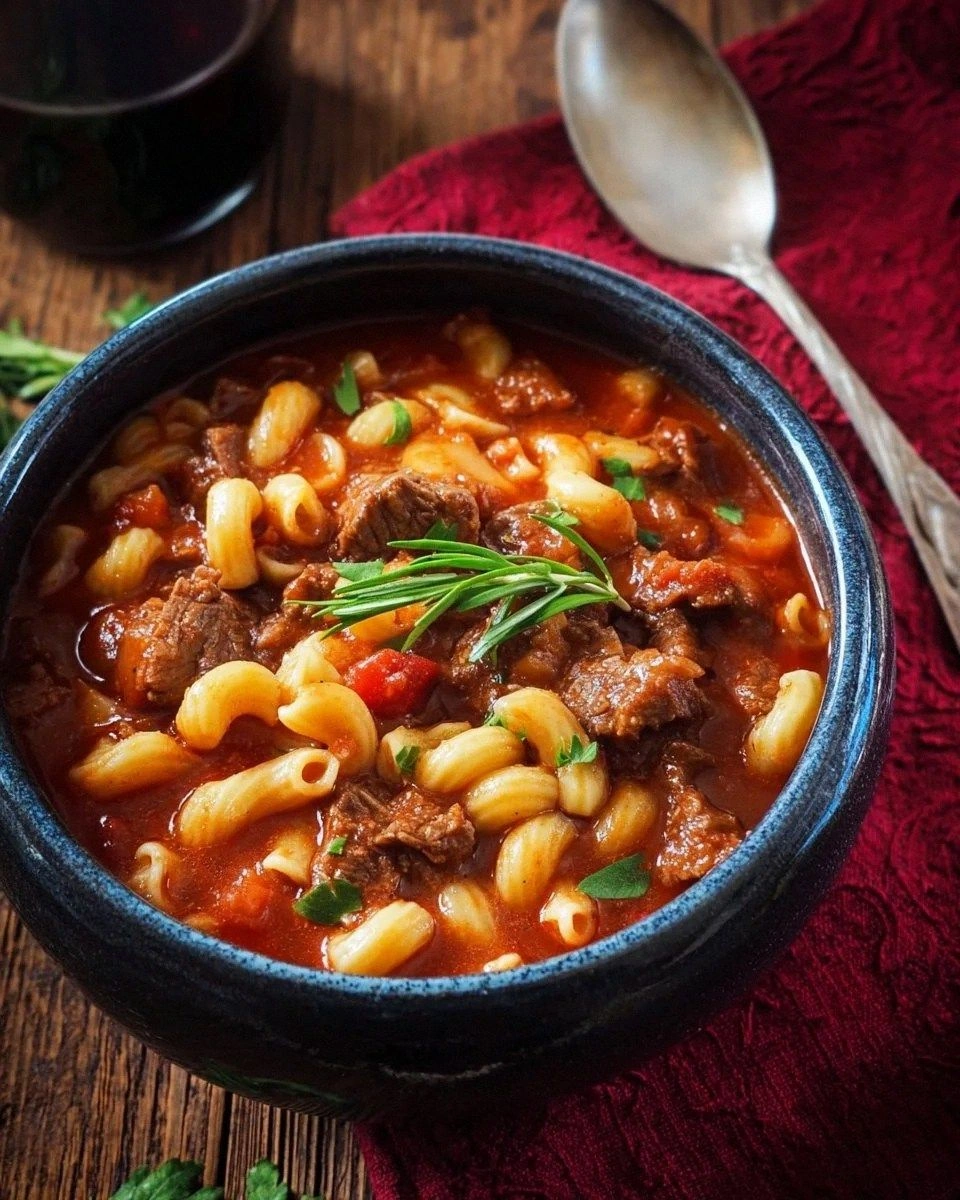
Imagine the smell of garlic hitting a hot pan, the sizzle like a tiny fireworks show, and the aroma of paprika curling up the kitchen like a warm blanket. The sauce thickens, turning a glossy ruby that clings to each piece of macaroni like velvet, while the beef crumbles into bite‑size clouds of savory goodness. When you finally scoop a spoonful, the heat kisses your tongue, the herbs whisper sweet nothings, and the cheese melts into a silky crown that shatters like thin ice when you bite through it. This isn’t just food; it’s a full‑body sensory experience that makes you feel like you’ve just stepped into a cozy European tavern.
Most goulash recipes I’ve tried either drown the pasta in a watery broth or hide the paprika behind a wall of spices, leaving the dish flat and forgettable. I’ve been there, I’ve tried that, and I’ve learned that the secret lies in balancing a few simple ingredients with a dash of technique that most home cooks overlook. This version respects the classic Hungarian roots while giving it an American twist that makes it perfect for a busy weeknight or a lazy Sunday dinner. I dare you to taste this and not go back for seconds – that’s a promise, not a threat.
Okay, ready for the game‑changer? I’m about to reveal a tiny splash of broth added at the very end that turns the sauce from “nice” to “knocking my socks off.” It’s a move most recipes skip, but it’s the difference between a dish that sits on the table and one that steals the show. Let me walk you through every single step — by the end, you’ll wonder how you ever made it any other way.
What Makes This Version Stand Out
- Taste: The sweet‑smoky paprika meets the acidity of tomatoes, creating a flavor orchestra that sings with every bite.
- Texture: Elbow macaroni provides a chewy bite that holds the sauce, while the ground beef stays tender, never gritty.
- Simplicity: Only eleven ingredients, all pantry‑friendly, and you won’t need a fancy pot of a dozen different spices.
- Uniqueness: A final splash of broth keeps the sauce glossy and prevents it from drying out, a trick most chefs forget.
- Crowd Reaction: Kids love the cheesy topping, adults rave about the depth of flavor – it’s a universal crowd‑pleaser.
- Ingredient Quality: Using fresh parsley and real ground beef (or turkey) lifts the dish from “okay” to “wow.”
- Cooking Method: One‑pot wonder means less cleanup, more time to enjoy the meal and the company.
- Make‑Ahead Potential: This goulash tastes even better the next day, making it perfect for meal‑prep warriors.
Inside the Ingredient List
The Flavor Base
The onion and garlic are the dynamic duo that lay the foundation for every great stew. The onion, chopped medium, releases sugars that caramelize and give a subtle sweetness, while the garlic adds that sharp, aromatic bite that makes you pause and inhale deeply. If you skip the garlic, the dish loses its signature “kick” and can feel a bit one‑dimensional. For a twist, try swapping half the onion for a shallot – it brings a milder, almost floral note that pairs beautifully with paprika.
The Texture Crew
Ground beef (or turkey) is the heart of this goulash. The meat’s fat content is crucial; it renders into the sauce, enriching it and preventing the pasta from sticking. Using turkey makes it leaner, but you’ll need to add a splash more broth to keep the sauce from drying. The elbow macaroni is chosen for its ridged shape – it grabs the sauce like a sponge, ensuring every bite is coated. If you prefer a gluten‑free route, substitute with gluten‑free elbow pasta or even small rice shells.
The Unexpected Star
Paprika isn’t just a color agent; it’s the soul of goulash. A good Hungarian sweet paprika brings a subtle earthiness that can’t be replicated with smoked varieties. The 1 tablespoon amount is enough to color the sauce without overwhelming the palate. If you’re feeling adventurous, toast the paprika for 30 seconds in a dry pan before adding it – the aroma will explode, and the flavor deepens dramatically.
The Final Flourish
Fresh parsley, chopped just before serving, adds a bright, herbaceous finish that cuts through the richness. It’s not just a garnish; it’s a flavor bridge that lifts the entire dish. The optional shredded cheese, sprinkled on top while the goulash is still hot, melts into a gooey crown that adds a creamy contrast. If you want a sharper edge, use sharp cheddar; for a milder melt, go with mozzarella.
Everything's prepped? Good. Let's get into the real action…
The Method — Step by Step
- Heat a large, heavy‑bottomed pot over medium‑high heat and add a drizzle of olive oil. When the oil shimmers, toss in the ground beef, breaking it up with a wooden spoon. Watch the color change – you want a deep brown, not just pink. This is the moment of truth; the meat should release a rich, nutty aroma that tells you you’re on the right track.
- Add the chopped onion and minced garlic to the pot. Sauté for 4‑5 minutes, stirring occasionally, until the onion turns translucent and the edges start to caramelize. You’ll hear a gentle sizzle that signals the sugars are doing their magic. This step builds the base layer of flavor that will carry the entire dish.
- Stir in the paprika and dried oregano, letting them toast for about 30 seconds. The kitchen will fill with a smoky, sweet perfume that makes you want to taste the sauce right then and there. Don’t let the spices burn – they’ll turn bitter faster than you can say “oops.”
- Pour in the diced tomatoes (with their juices) and the broth. Scrape the bottom of the pot to release any browned bits – those are flavor gold. Bring the mixture to a gentle boil, then reduce to a simmer. At this point, the sauce should be thickening, and you’ll notice a beautiful ruby hue spreading through the pot.
- Season with salt and black pepper, tasting as you go. Remember, the broth already has some salt, so start with half the listed amount and adjust. This is where you fine‑tune the balance; the dish should taste robust but not overwhelming.
- Add the elbow macaroni, stirring to coat each piece thoroughly. Cover the pot and let the pasta cook for 8‑10 minutes, or until al dente. Keep an eye on the liquid level – if it looks dry, splash in a quarter cup of extra broth. The pasta should absorb the sauce, becoming tender yet firm, with each curve hugging the flavors.
- When the pasta is just about ready, turn off the heat and stir in the final splash of broth (about ¼ cup). This “finish‑off” liquid restores the sauce’s shine, ensuring it doesn’t clump or stick to the bottom. The result is a glossy, velvety coating that looks restaurant‑ready.
- If you’re using cheese, sprinkle it over the top now, cover the pot for a minute, and let the heat melt it into a luscious blanket. Finish with a generous handful of fresh parsley, giving the dish a pop of color and a fresh herb note that brightens every bite. Serve hot, and watch the family gather around the table – the aroma alone will have them reaching for seconds.
That's it — you did it. But hold on, I've got a few more tricks that'll take this to another level. Trust me, these little secrets are what separate a good goulash from a legendary one.
Insider Tricks for Flawless Results
The Temperature Rule Nobody Follows
Keep the heat at a steady medium‑high when browning the meat; too low and you’ll end up steaming, too high and you’ll scorch. The ideal temperature creates a caramelized crust on the beef, which adds depth. I once tried a “low‑and‑slow” approach and the sauce turned out flat – never again.
Why Your Nose Knows Best
Before you add the broth, take a deep sniff of the simmering pot. If you detect a faint sweet‑smoky scent from the paprika, you’re ready. If the aroma feels dull, let the spices toast a few seconds longer. Your nose is a built‑in flavor meter – trust it.
The 5‑Minute Rest That Changes Everything
After you turn off the heat, let the goulash sit, covered, for five minutes. This rest allows the starches in the pasta to finish absorbing the sauce, resulting in a creamier texture. Skipping this step is a common mistake; the dish can feel a little “wet” otherwise.
Cheese Timing Mastery
If you love cheese, add it while the pot is still hot but off the burner. The residual heat melts it gently, creating a smooth, glossy layer instead of a greasy clump. A friend once tossed the cheese in the pot while it was still boiling – the result was a rubbery mess.
Parsley Power Boost
Fresh parsley isn’t just for looks. Rough‑chopping it releases its essential oils, which brighten the entire dish. For an extra punch, add a splash of lemon juice with the parsley right before serving. This tiny acidity lifts the richness and balances the paprika’s sweetness.
Creative Twists and Variations
This recipe is a playground. Here are some of my favorite ways to switch things up:
Smoky Chipotle Goulash
Swap half the sweet paprika for chipotle powder and add a teaspoon of smoked paprika. The result is a smoky, slightly spicy version that pairs perfectly with a dollop of sour cream. Ideal for those who love a little heat.
Veggie‑Loaded Power Goulash
Add diced carrots, bell peppers, and zucchini when you sauté the onion. The extra vegetables boost the fiber content and introduce subtle sweetness that complements the tomatoes. This is a great way to sneak in extra nutrients for picky eaters.
Cheesy Baked Finish
After the pasta is cooked, transfer the goulash to an oven‑safe dish, sprinkle a generous layer of shredded mozzarella and Parmesan, and bake at 375°F for 15 minutes. The top turns golden and bubbly, giving you a comforting casserole vibe.
Mediterranean Spin
Replace the oregano with a teaspoon of dried basil and add a handful of Kalamata olives and a splash of red wine vinegar at the end. The olives bring briny depth, while the vinegar adds a bright finish – a Mediterranean twist that feels exotic.
Creamy Coconut Goulash
Swap half the broth for coconut milk and add a pinch of curry powder. This creates a creamy, slightly sweet version that pairs beautifully with cilantro instead of parsley. Perfect for a tropical dinner night.
Storing and Bringing It Back to Life
Fridge Storage
Let the goulash cool to room temperature, then transfer it to an airtight container. It will keep for up to four days. Reheat gently on the stovetop over low heat, adding a splash of broth or water to loosen the sauce if needed.
Freezer Friendly
Portion the cooled goulash into freezer‑safe bags or containers, leaving a little headspace for expansion. It freezes beautifully for up to three months. Thaw overnight in the fridge, then reheat in a saucepan, stirring in a quarter cup of broth to revive the silky texture.
Best Reheating Method
The secret to a perfect reheated bowl is steam. Add a tiny splash of water (or broth) before heating, cover the pot, and let it steam for a few minutes. This prevents the pasta from drying out and restores the sauce’s glossy finish.