When the kitchen lights flickered and the timer on my phone buzzed in the background, I found myself staring at a half‑cooked batch of shrimp that had somehow turned into a soggy, flavorless mess. I was furious, hungry, and—most importantly—determined to salvage the evening. That night, I decided to turn a culinary disaster into a culinary triumph, and what emerged was a bowl of Hearty Zuppa di Pesce that still makes my taste buds do a happy dance. I swear, if you dare to taste this and not go back for seconds, you’ll be begging for the recipe. And that’s just the beginning.
Picture the scene: a bright, sun‑lit kitchen, the scent of garlic sizzling in olive oil, and a bubbling pot of tomatoes that smells like a Mediterranean summer. The sound of shrimp popping into the pan is a promise of juicy, tender morsels, and the steam curls like a fragrant cloud. Every time I see the glossy surface of the finished soup, I’m reminded of the first time I tasted fresh seafood straight from the sea, and I can’t help but feel that same awe. If you’ve ever struggled to make a seafood soup that feels both authentic and comforting, you’re not alone—this is the fix you’ve been waiting for.
What sets this version apart is the meticulous balance of flavor, texture, and practicality. I’ve stripped away the fluff and kept the essential ingredients that give this soup its unmistakable Italian heart. I’ve added a twist that most recipes ignore—a splash of anchovy that deepens the umami without overpowering the freshness of the seafood. And the result? A broth that coats the pasta like velvet, a texture that’s simultaneously light and hearty, and a finish that lingers on the palate like a well‑played aria. By the end of this post, you’ll wonder how you ever made it any other way.
Let me walk you through every single step—by the time we’re done, you’ll have a bowl of liquid gold that’s ready to be shared with friends, family, or even a skeptical date. I’ll share the secrets I’ve learned, the mistakes I’ve made, and the small, almost magical touches that elevate this dish from good to unforgettable. So grab your apron, set the table, and let’s dive into the world of Hearty Zuppa di Pesce.
What Makes This Version Stand Out
- Flavor: The broth is a layered masterpiece—garlic, onions, tomatoes, and a whisper of anchovy create a depth that feels like a well‑aged Italian wine. The result is a savory, slightly sweet, and utterly satisfying soup.
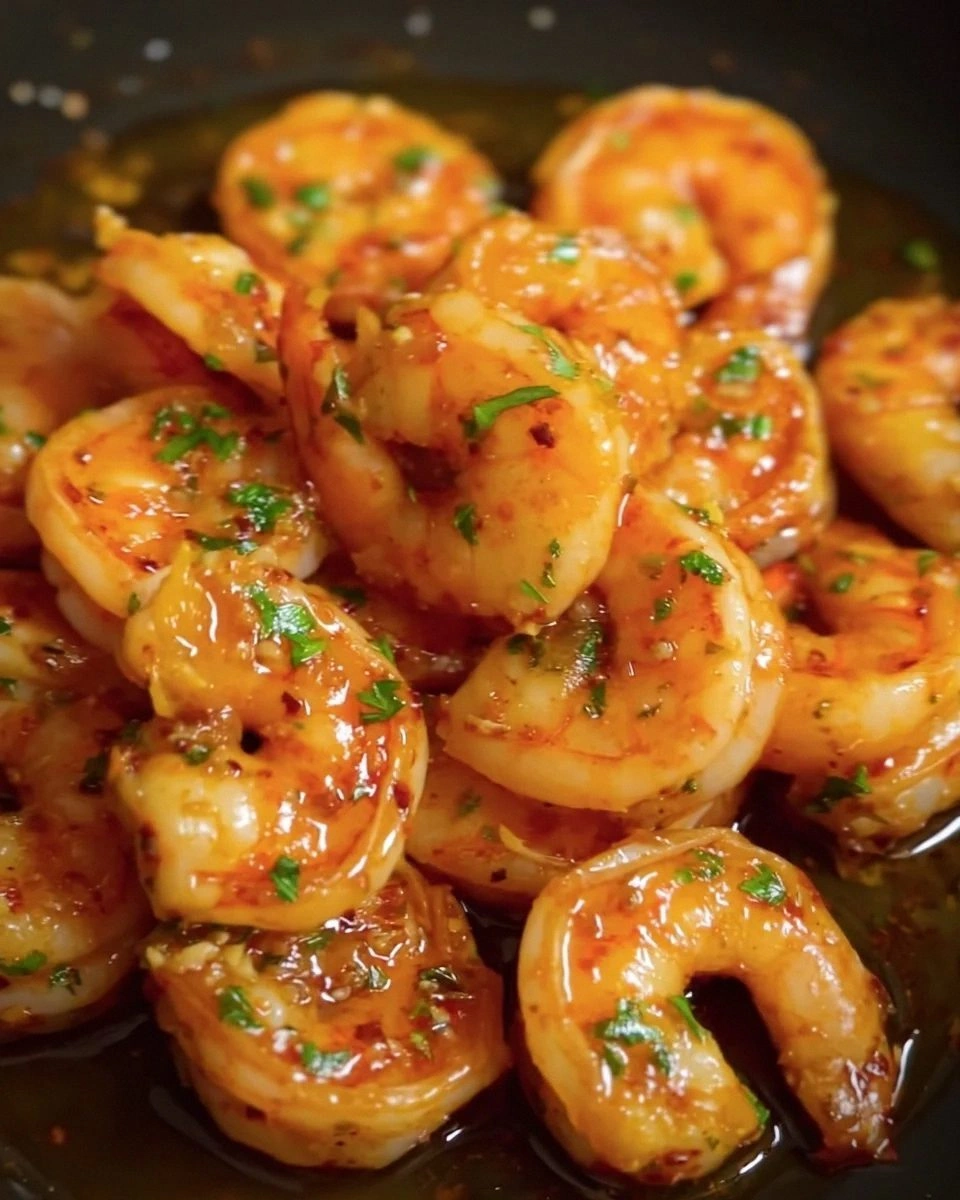
- Texture: Each bite delivers a contrast of tender shrimp, plump mussels, chewy clams, and silky squid rings, all suspended in a silky tomato base that glistens with olive oil.
- Ingredient Quality: We use only the freshest seafood, and the anchovies are oil‑packed to preserve their umami punch without the bitterness that sometimes plagues homemade sauces.
- Simplicity: The recipe requires only a handful of ingredients, yet the outcome is a gourmet dish that feels like a restaurant experience.
- Make‑Ahead Potential: The soup can be made a day ahead and reheated without losing flavor, making it perfect for busy weeknights or weekend gatherings.
- Crowd Reaction: I’ve served this to guests who were skeptical about seafood soups, and they all left asking for the recipe. The dish is a conversation starter and a comfort food staple.
- Versatility: While it’s a classic Italian seafood soup, the base can be adapted to include different shellfish or even a touch of cream for a richer version.
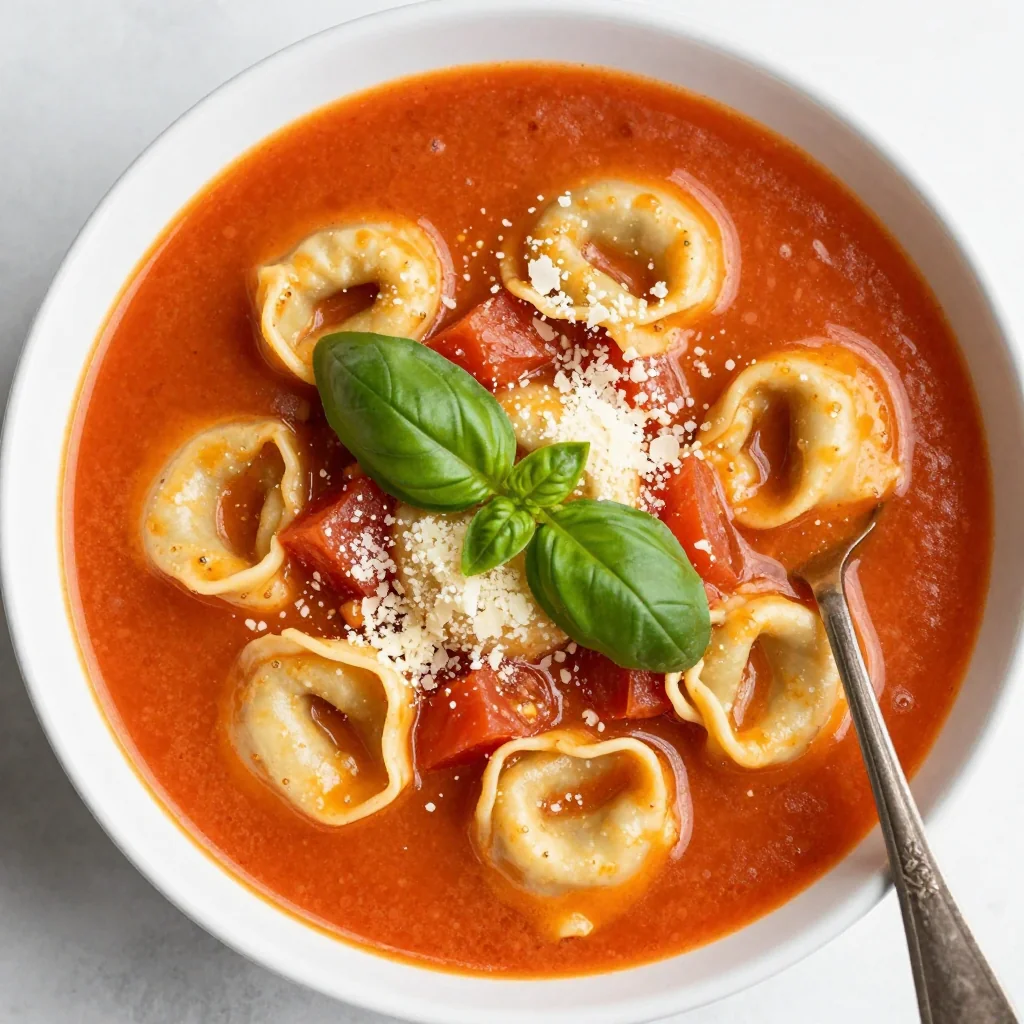
- Presentation: The bright red tomato broth, specks of parsley, and the glossy sheen of olive oil make this dish visually stunning—perfect for Instagram or a dinner party centerpiece.
Alright, let’s break down exactly what goes into this masterpiece…
Inside the Ingredient List
The Flavor Base
At the heart of this soup is a simple yet powerful flavor base that starts with olive oil, onions, and garlic. The olive oil is the canvas, providing a silky texture and a subtle fruitiness that elevates every other component. The Vidalia or yellow onion adds a gentle sweetness when it caramelizes, and the minced garlic releases its aroma, creating a fragrant foundation. Together, they form a symphony of flavors that sets the stage for the seafood to shine. If you skip the onion, the soup will feel flat and lacking depth; the garlic, on the other hand, is essential for that unmistakable Italian punch.
We also introduce a splash of dry white wine early in the cooking process. The wine cuts through the richness of the seafood, brightens the tomatoes, and adds a subtle acidity that balances the dish. A good rule of thumb is to let the wine reduce by half before adding the tomatoes; this concentrates the flavor and eliminates any raw alcohol taste. If you’re not a fan of wine, a splash of chicken or vegetable broth can replace it, but the wine gives that classic Italian nuance.
The Texture Crew
The seafood lineup—shrimp, mussels, clams, and squid—provides the dish with a delightful medley of textures. The shrimp, when cooked just right, stay firm and juicy, while the mussels and clams release their briny juices, creating a subtle brine that enriches the broth. The squid rings offer a slightly chewy bite that contrasts with the softer shellfish. Together, they create a tapestry of flavors and textures that make each spoonful exciting.
It’s essential to keep the seafood fresh and to rinse the mussels and clams thoroughly to remove any grit. If you’re short on time, you can buy pre‑shucked mussels and clams, but remember to discard any that remain closed after heating—they were never alive. The squid should be cleaned and cut into rings right before cooking to maintain its delicate flavor; older squid tends to become rubbery.
The Unexpected Star
Anchovy fillets might sound like an odd addition to a seafood soup, but they’re the secret sauce that turns the broth into a velvety umami experience. The oil‑packed anchovies dissolve into the oil, infusing the entire pot with a savory depth that is far less fishy than it sounds. They also act as a natural preservative, helping to keep the seafood fresh during the simmering process. If you’re wary of anchovies, use just one fillet; the flavor is potent, and you’ll still notice the difference.
The Final Flourish
Finishing touches such as lemon zest and fresh parsley add brightness and color, cutting through the richness of the broth. The lemon zest provides a citrusy aroma that lifts the entire dish, while the parsley offers a fresh, herbaceous note that balances the deep umami. Together, they create a harmonious finish that makes the soup feel both sophisticated and approachable.
Remember, the key to a great soup is the balance between the bold flavors of the seafood and the subtle notes of the aromatics. If you’re tempted to add too much salt, taste as you go—seafood naturally brings its own saltiness, and over‑salting can mask the delicate flavors.
Everything's prepped? Good. Let's get into the real action…
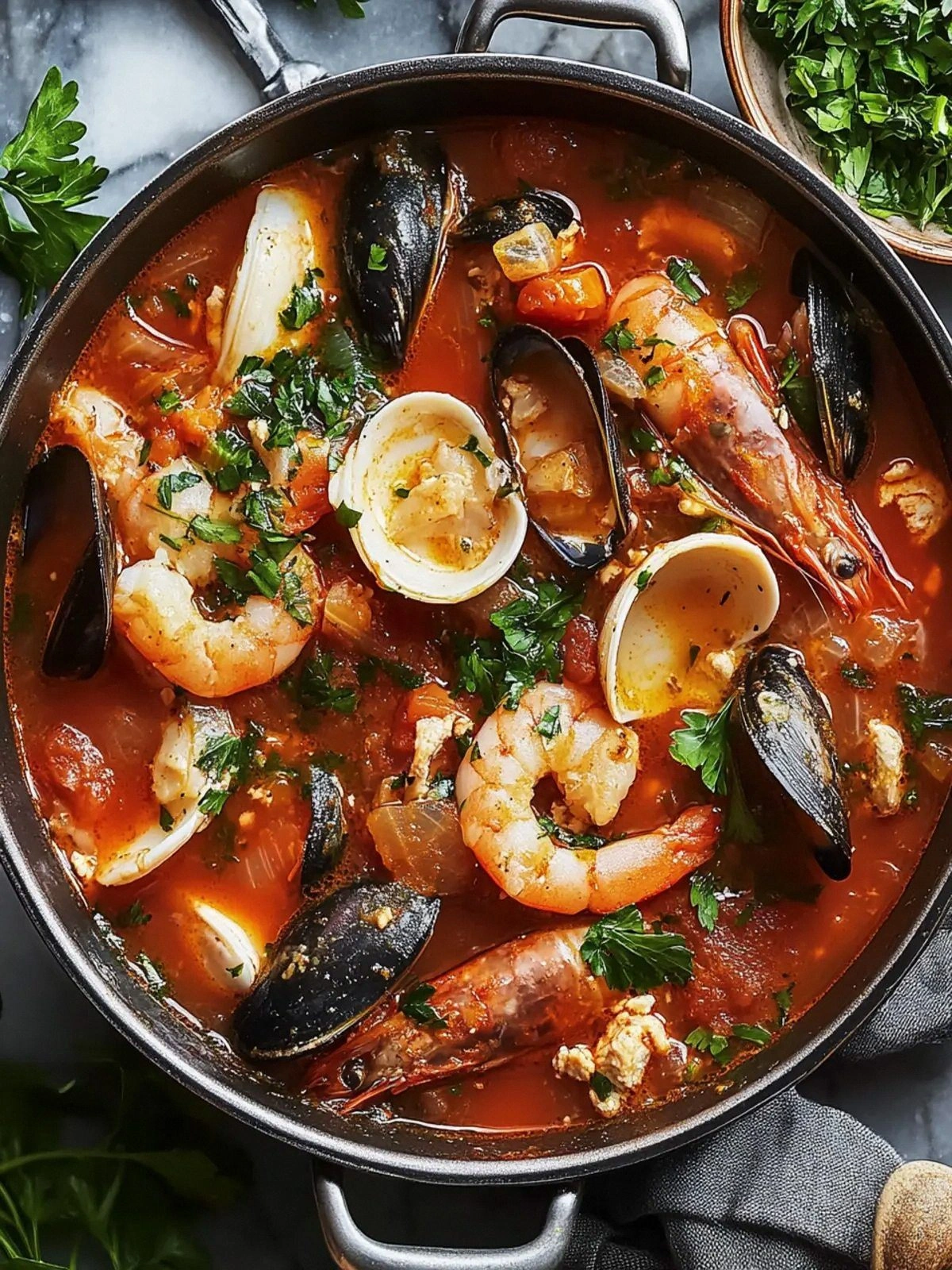
The Method — Step by Step
- Heat a large stockpot over medium heat and pour in the tablespoon of extra‑virgin olive oil. Let the oil warm until it shimmers, but avoid letting it smoke. The oil is the base of your flavor; it must be silky and fragrant. When the oil is ready, add the diced onion and sauté until translucent, about 4–5 minutes, stirring occasionally.
- Add the minced garlic to the pot and cook for 30 seconds until it releases its aroma. Be careful not to let the garlic brown; a golden hue is fine, but burnt garlic will ruin the broth. This short burst of garlic is the first layer of flavor that will carry through the soup.
- Pour in the dry white wine and let it reduce by half, about 2–3 minutes. The reduction concentrates the wine’s acidity, which balances the sweetness of the tomatoes and the richness of the seafood. Once reduced, the liquid should bubble gently, indicating that the alcohol has cooked off.
- Stir in the crushed tomatoes and tomato puree, breaking up any lumps. The combination of crushed and pureed tomatoes creates a smooth yet slightly chunky texture that mimics a traditional Italian tomato sauce. Allow the mixture to come to a gentle simmer.
- Add the two oil‑packed anchovy fillets, breaking them into small pieces with the back of a spoon. The anchovies will melt into the oil, infusing the entire broth with a subtle umami flavor that is surprisingly mild. Stir until the anchovies are fully incorporated.
- Season the broth with kosher salt and freshly ground black pepper to taste. Remember, the seafood will contribute its own saltiness, so start with a modest amount of salt and adjust as needed. A well‑seasoned broth is the backbone of a great soup.
- Add the shrimp, mussels, clams, and squid rings to the pot. Stir gently to distribute the seafood evenly. Cover the pot with a lid and let everything simmer for 5–7 minutes, or until the shellfish open and the shrimp turn pink. Keep a close eye on the mussels and clams; any that remain closed after 10 minutes should be discarded.
- Once the seafood is cooked, remove the pot from heat and stir in the lemon zest and chopped parsley. The lemon zest adds a bright, citrusy aroma that lifts the broth, while the parsley provides a fresh herbal note. These final touches bring the soup together and give it that signature Italian freshness.
- Taste the soup one last time, adjusting salt and pepper if necessary. If the broth feels too thick, add a splash of warm seafood stock or water to reach your desired consistency. The soup should be silky, not chunky, and the seafood should be tender.
That’s it—you did it. But hold on, I've got a few more tricks that'll take this to another level…
Insider Tricks for Flawless Results
The Temperature Rule Nobody Follows
Many cooks think a rolling boil is the key to a good soup, but that’s a myth. The secret is a gentle simmer that allows the flavors to meld without breaking down the delicate seafood. A rolling boil can cause the shrimp to become rubbery and the shellfish to split. Keep the heat low once the broth starts to bubble, and let it simmer for the full 5–7 minutes.
Why Your Nose Knows Best
Before you taste the soup, sniff the broth. A good broth should have a complex aroma that hints at tomatoes, garlic, and sea. If it smells too flat or overly acidic, add a pinch of sugar or a splash of wine to balance the acidity. Your nose is your best judge of flavor harmony.
The 5‑Minute Rest That Changes Everything
After you remove the pot from heat, let the soup rest for five minutes before serving. This short rest allows the flavors to settle and the shellfish to finish cooking gently. It also lets the broth thicken slightly, creating a richer mouthfeel.
Serve With a Side of Crusty Bread
The best way to finish this soup is with a slice of crusty bread, ideally a rustic Italian focaccia or a baguette. The bread soaks up the broth, adding a satisfying crunch and a comforting, hearty element that completes the meal.
Keep the Shellfish Fresh
Freshness is paramount. If you can’t find fresh mussels or clams, look for frozen ones that are labeled “fresh‑frozen.” These are often as good as fresh and will open cleanly when cooked. Always check for any shells that remain closed after cooking, as they indicate that the shellfish were not alive.
Use a Good Olive Oil
The flavor of olive oil can make or break the soup. Choose a high‑quality, extra‑virgin olive oil with a fruity, peppery profile. Avoid using light or refined oils; they lack the depth needed to support the complex flavors of the broth.
Creative Twists and Variations
This recipe is a playground. Here are some of my favorite ways to switch things up:
Smoky Saffron Variation
Infuse the broth with a pinch of saffron strands for a subtle smoky aroma and a golden hue. The saffron pairs beautifully with the seafood, adding an elegant touch that elevates the dish.
Spicy Red Pepper Twist
Add a handful of crushed red pepper flakes when sautéing the onions. The heat will balance the sweetness of the tomatoes and give the soup an extra kick that’s perfect for adventurous palates.
Herb‑Infused Broth
Introduce a bouquet garni of bay leaves, thyme, and rosemary to the broth. Remove the herbs before serving; the result is a fragrant, herb‑rich soup that feels like a home‑cooked meal from a Tuscan trattoria.
Cheesy Finale
Stir in a handful of grated Parmigiano‑Reggiano after the soup has finished cooking. The cheese melts into the broth, creating a velvety, creamy texture that’s both comforting and indulgent.
Vegetarian Version
Replace the seafood with a mix of sautéed zucchini, bell pepper, and mushrooms. Keep the tomato base and anchovy (or omit it for a truly vegetarian dish). The result is a hearty, plant‑based soup that still feels like a comforting Italian classic.
Quick One‑Pot Pasta
Add a cup of small pasta shapes (like ditalini or orzo) during the last 8 minutes of cooking. The pasta absorbs the broth, turning the soup into a comforting, filling meal that’s perfect for a quick dinner.
Storing and Bringing It Back to Life
Fridge Storage
Cool the soup completely before refrigerating. Store it in an airtight container for up to 3 days. When you’re ready to eat, reheat gently on the stove, adding a splash of water or broth if needed to restore its original consistency.
Freezer Friendly
For longer storage, freeze the soup in portioned containers for up to 3 months. Thaw overnight in the refrigerator, then reheat slowly on low heat, stirring occasionally. The seafood will retain its texture, and the broth will remain flavorful.
Best Reheating Method
Reheat on low heat, adding a splash of water or stock to loosen the broth. Stir frequently to prevent scorching and to ensure the flavors meld. A gentle simmer is the key to preserving the delicate seafood texture.